

People usually come across the Chien Français Tricolore in one of two ways: they have seen a photo of that bold black mantle and crisp tan points, or they have met a hound whose nose seems to switch on the moment you step outdoors. Either way, it can be hard to know what you are looking at, especially if your frame of reference is more “family pet” than “working pack dog”.
It is tempting to assume that a short-coated, friendly-looking hound will slot neatly into everyday life with a couple of walks and a backyard. With this breed, the details matter. The Chien Français Tricolore was shaped for long days of scent work in a group, and that heritage shows up in how it moves, how it rests, and what it finds rewarding.1
Understanding that working background is not about turning every home into a hunting property. It is about making practical choices, such as exercise, training style, and management around wildlife and small pets, so the dog in front of you can settle and thrive.
Quick breed snapshot
Breed type: Large French scenthound and pack hound.1
- Height (at the withers): males 62 to 72 cm, females 60 to 68 cm.1
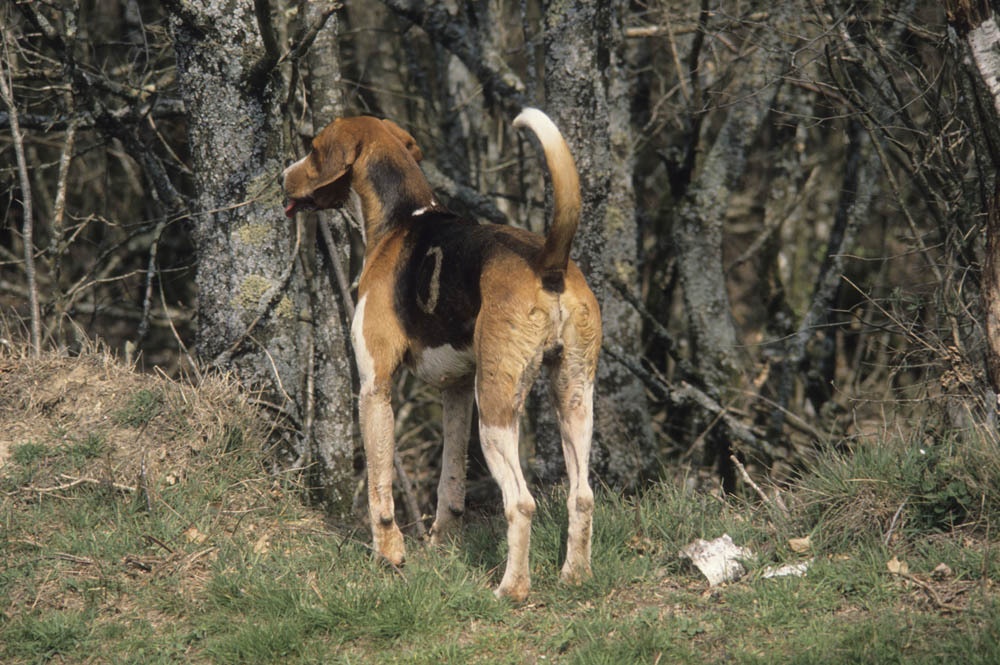
- Coat: short and rather fine, typically tricolour with a black mantle and bright tan, with white.1
- Purpose: pack hound for big game (working trial required in the FCI standard context).1
- Day-to-day reality: often best suited to experienced, active homes that enjoy training and outdoor time.
Origins, and what that history still explains

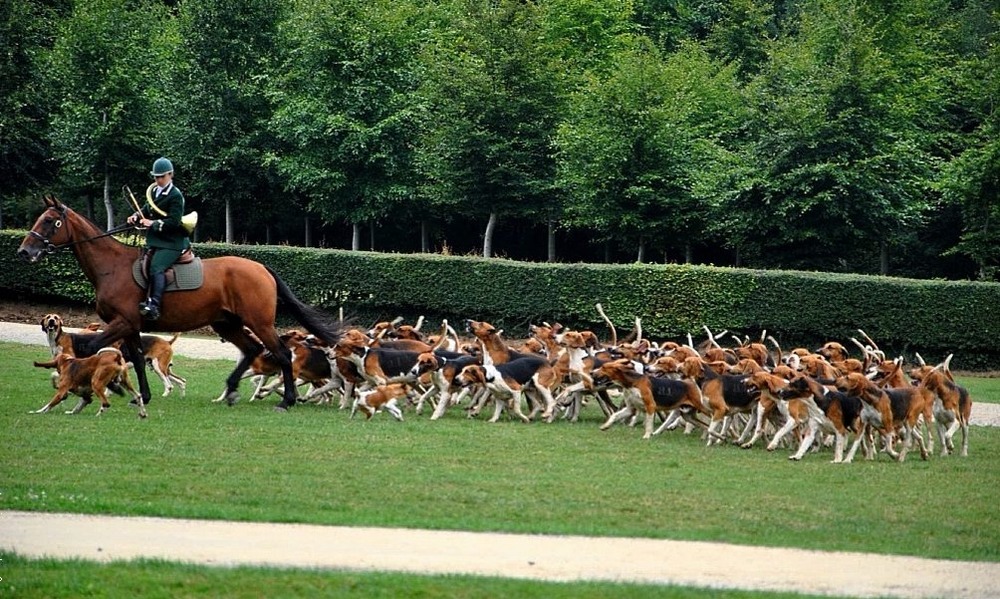
In France, the Chien Français Tricolore belongs to a tradition of purpose-bred pack hounds. The current FCI breed standard describes an elegant, large hound built to work, with the structure and stamina to keep going over distance rather than sprinting in short bursts.1
That context helps make sense of everyday behaviours owners notice quickly: the way the dog “locks on” to scent, the comfort many individuals take in canine company, and the tendency to follow a smell with real persistence. None of this means the dog cannot live as a companion. It means the home needs to offer outlets that feel meaningful to a scenthound, especially scent-led exercise and training that keeps the brain engaged.
Appearance: built for distance and scent

The FCI standard calls for a short, fine coat and a tricolour pattern with a black mantle, plus bright or copper tan. The overall picture is athletic rather than heavy, with enough bone and muscle for long work days, not just casual strolling.1
Those long ears are not just decorative. They are part of the classic hound outline, and they also have a practical implication for care: reduced airflow around the ear canal can make some dogs more prone to ear trouble if moisture, debris, or underlying skin disease is in the mix.7, 8
Temperament and everyday behaviour
As a pack hound, the Chien Français Tricolore is generally described as sociable with other dogs and comfortable working around them. In a home setting, that often translates to a dog that enjoys company, benefits from structured routines, and is more settled when its exercise and enrichment needs are met.1
It is also worth being realistic about what “friendly” looks like in a hound. Many are pleasant with people, but their strongest motivation outdoors can be scent. That can show up as pulling, selective hearing, or intense interest in wildlife. Gentle, consistent training helps, and so does management, such as long lines in safe areas and secure fencing.
If there are cats, poultry, or pocket pets in the home, approach introductions carefully. A hunting background does not guarantee problems, but it does mean you should plan for prey drive management rather than hoping instinct will disappear.
Training that suits a scenthound brain
With scent hounds, training is often less about “dominance” and more about building habits that compete successfully with the environment. Reward-based methods are widely recommended by animal welfare and behaviour organisations because they are effective, humane, and support a good handler-dog relationship.5, 6
Keep sessions short, use high-value reinforcers, and practise skills in low-distraction places before expecting success around fresh scents. Recall, lead walking, and calm settling are usually the big three for everyday life.
- Recall: start on a long line and reward heavily, especially when the dog disengages from scent to return.
- Lead manners: reinforce check-ins and a loose lead, and consider scent walks where sniffing is encouraged as a reward.
- Life skills: teach rest, waiting at doors, and calm greetings, since excited hounds can be physically strong.
Exercise and enrichment: what “enough” really means
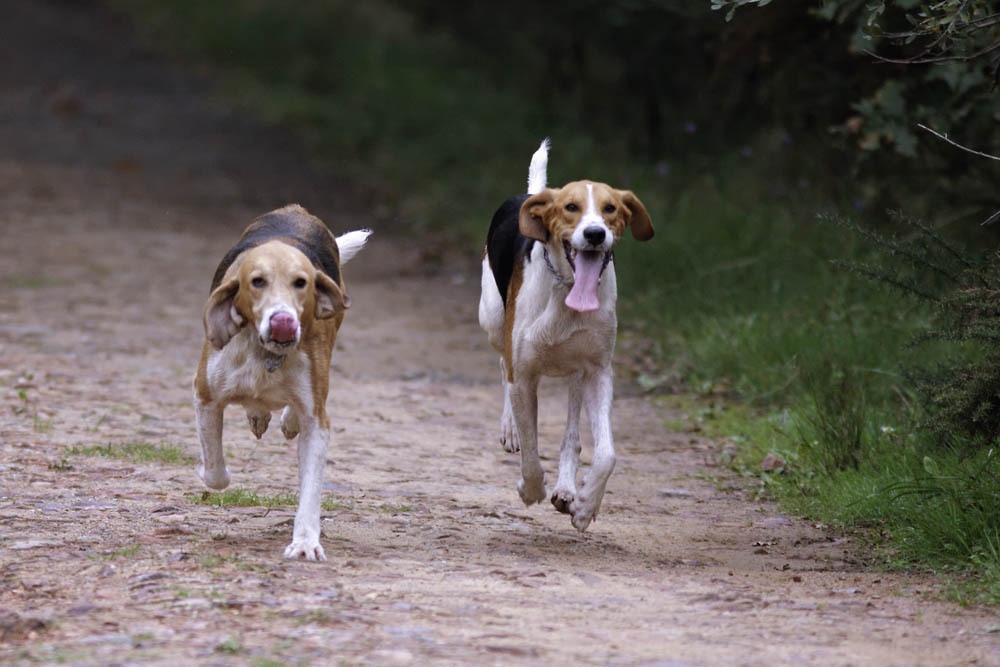
These dogs are built for work, so a quick lap of the block rarely scratches the itch. Many do best with a mix of steady physical activity and opportunities to use their nose, such as tracked food trails, scatter feeding in grass, or beginner scent work games.
A practical way to think about it is: you are not only tiring the legs, you are also giving the brain something satisfying to do. When that balance is missing, owners often see restlessness, vocalising, or “busy” behaviour at home.
If you live in a smaller space, it is not automatically a deal-breaker, but it does raise the bar for daily routine. For many households, access to safe running areas and a consistent plan for enrichment matter more than the size of the lounge room.
Health, with a focus on ears and joints
No breed is “problem free”, and individual lines vary, but two issues come up repeatedly in active, large hounds: ear infections and orthopaedic wear-and-tear. Long, floppy ears can reduce airflow and trap moisture, which may contribute to otitis externa, particularly if allergies, parasites, foreign material (such as grass seeds), or frequent swimming are also factors.7, 8
For joints, the most useful day-to-day protection is often unglamorous: keeping the dog lean, building fitness gradually, and getting prompt veterinary advice if you notice stiffness, reluctance to jump, or an uneven gait. If you are buying a puppy, ask what health screening is done in the breeding program, and what has shown up in related dogs.
See a vet promptly if you notice head shaking, ear odour, redness, persistent scratching, or pain around the ears. Early treatment usually prevents the cycle of inflammation and recurrent infection becoming entrenched.7, 8
Grooming and day-to-day care
The short coat is generally straightforward. A weekly brush removes loose hair and helps you spot seeds, ticks, or skin irritation early. After wet outings, it is sensible to dry the ears and check for debris, particularly in long grass.
Routine care is mostly about consistency rather than complexity:
- Brush weekly, more often during heavier shedding periods.
- Check ears regularly, especially after swims or bush walks.
- Nails and teeth need the same regular attention as any active, medium to large dog.
Living with a Chien Français Tricolore
This is the sort of dog that tends to do best when its life has shape: daily movement, plenty of sniffing time, kind training, and clear boundaries. When those needs are met, many owners describe a companion who is steady at home and joyfully switched-on outdoors.
It also helps to go in with open eyes. A pack hound can be wonderfully social, but not always naturally independent in the way some companion breeds are. If left under-stimulated, it may invent its own activities. If trained harshly, it may become shut down or harder to handle. The sweet spot is patient, reward-based guidance and a lifestyle that respects what the dog was built to do.5, 6
References
- Federation Cynologique Internationale (FCI) Standard No. 219: Français Tricolore
- Société Centrale Canine (France): Français tricolore
- Wikipedia: Chien Français Tricolore
- RSPCA Knowledgebase: Reward-based dog training and why the RSPCA supports it
- RSPCA Knowledgebase: Training recommendations and avoiding aversive methods
- American Veterinary Society of Animal Behavior (AVSAB): Position Statements (including Humane Dog Training)
- The Animal Medical Center: Ear infections in pets, causes and treatments
- American College of Veterinary Surgeons (ACVS): Otitis externa (ear infection) information