

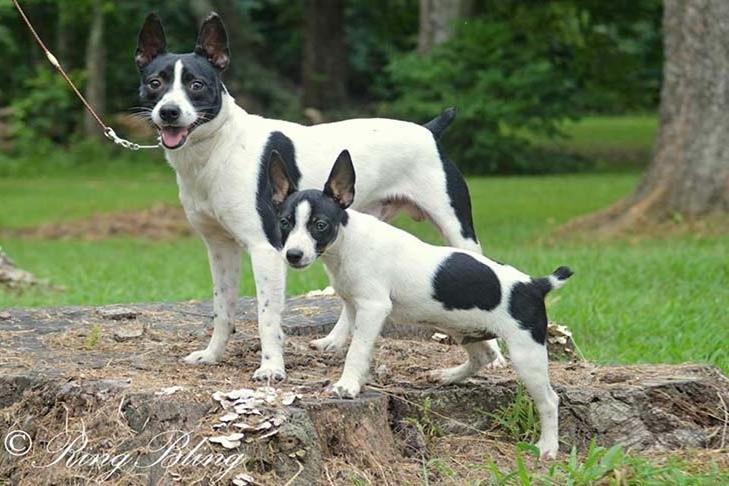
You might come across a Chilean Terrier after noticing a small, bright-eyed dog who seems to be everywhere at once, following scents around the yard, alert to every sound, and still ready to curl up close once the day is done. They often give the impression of being “easy” because they are compact and short-coated, but their real needs are less about grooming and more about purposeful activity and steady guidance.
It also helps to know there is more than one “ratonero” in the world. In Chile, “ratonero” can be used as a nickname for a ratter-type dog, but the Terrier Chileno is a specific breed with its own standard set by the Kennel Club de Chile.1 If you are trying to identify a dog, or choose a breed that fits your household, that distinction matters.
What follows is a grounded look at the Chilean Terrier’s background, temperament, and day-to-day care, with an emphasis on what tends to make life smoother for the dog and the people living with them.
- Breed category: Terrier
- Country of origin: Chile
- Typical height: Females 28 to 35 cm, males 32 to 38 cm (breed standard ranges)1
- Typical weight: Females 4 to 7 kg, males 5 to 8 kg (breed standard ranges)1
- Coat: Short
- Common colouring: Predominantly white with markings (varies by lines and standard allowances)1
- Energy: High, with a strong interest in movement and scent work
- Often suited to: People who enjoy training, games, and daily walking
Where the Chilean Terrier came from, and why it is culturally important
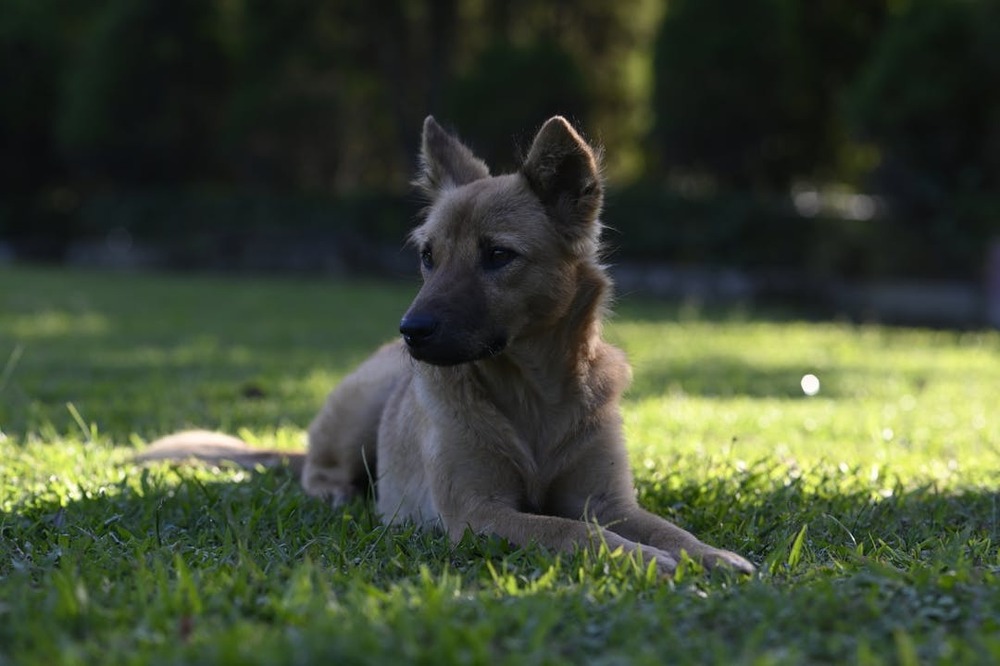
Terrier types tend to develop wherever people need practical dogs that can live close to home and help manage vermin. The Chilean Terrier sits in that tradition. In modern descriptions of the breed, its development is commonly linked to European terriers and local dogs, shaped into a small, athletic ratter suited to Chilean households and farms.2
In Chile today, the breed is often spoken about as a national dog, and it is supported by local breed clubs and the national kennel club, which publishes a formal standard (including size ranges and temperament notes).1 That matters because it helps separate the Chilean Terrier as a defined breed from the broader idea of “ratonero” as a job description.
One practical takeaway from that working background is that many Chilean Terriers still show a strong interest in chasing and searching. It does not mean every dog will hunt, but it does mean you usually get a dog who benefits from legal outlets for drive, such as structured play, sniffing walks, and training games.
What they are like to live with
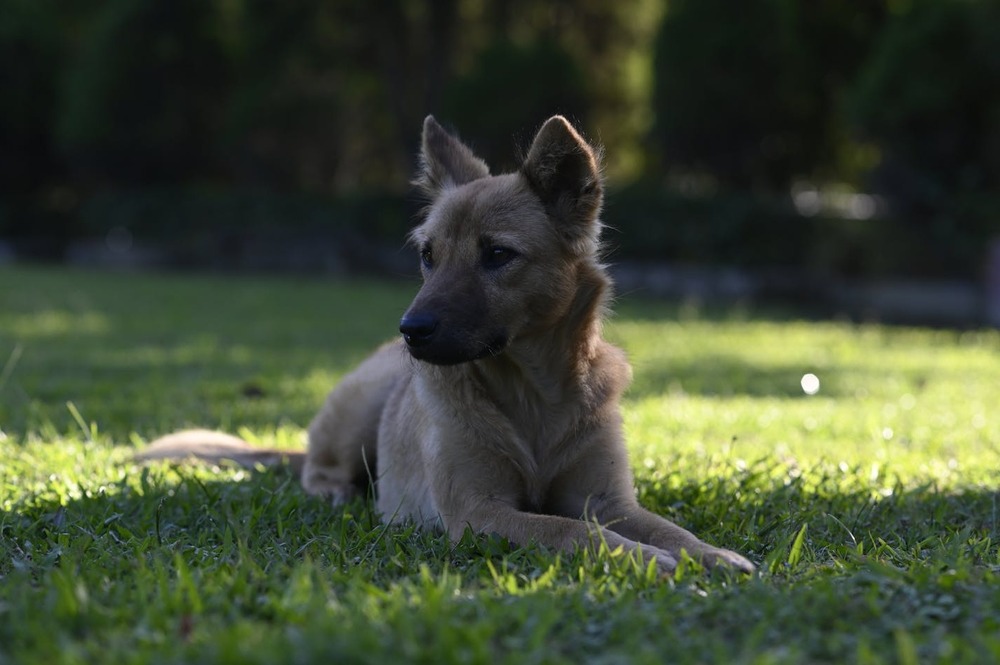
The breed standard describes the Chilean Terrier as docile, alert, lively, and somewhat reserved with strangers.1 In day-to-day life, that can look like a dog who is affectionate with their people, quick to notice changes around the home, and enthusiastic about joining in. Reserve with strangers is not automatically a problem, but it does mean the dog may need time, space, and predictable routines to feel comfortable when meeting new people.
Small terriers can be underestimated. Their size makes them easy to pick up and move, but behaviour improves faster when they are treated like a capable dog who can learn skills and make good choices. A calm routine, reward-based training, and enough activity often do more than any “firm hand”. Consistency beats intensity.
With children, the best outcomes tend to come from supervision and teaching everyone what “good interactions” look like. That includes giving the dog a quiet place to retreat to, and making sure play does not turn into chasing, grabbing, or cornering. Many terriers will tolerate a lot until they do not, so it is worth setting the tone early.
Training and socialisation that actually helps
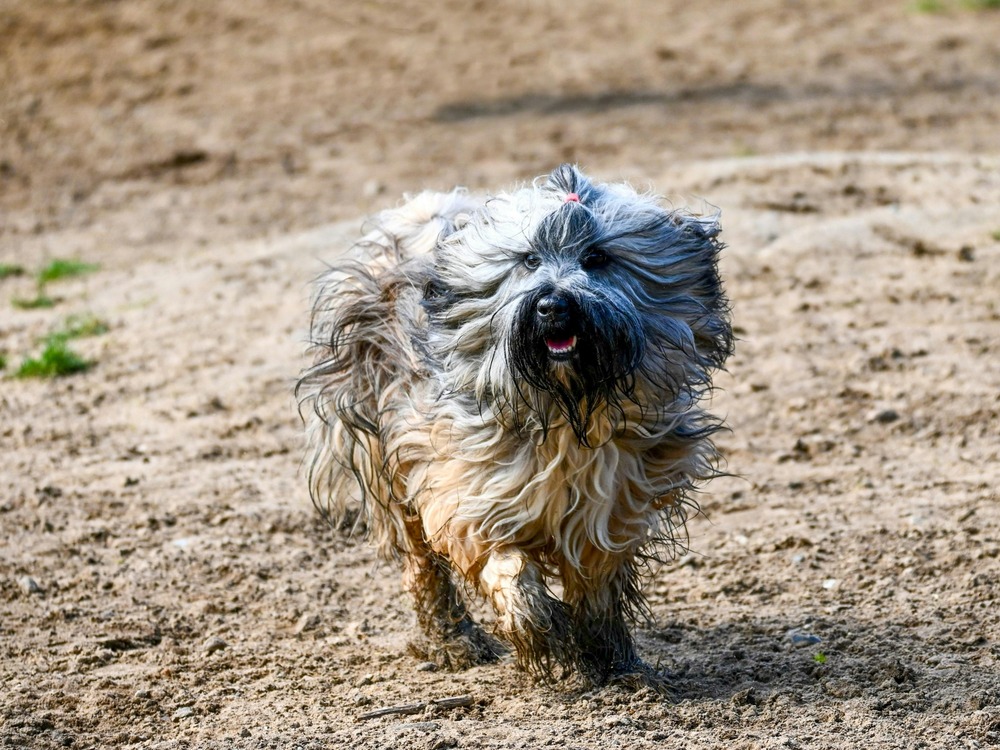
Early socialisation is less about saying hello to everyone, and more about building a history of safe, positive experiences. The RSPCA notes a critical socialisation window in early puppyhood, and emphasises varied, positive exposure to sights, sounds, surfaces, people, and other animals.3 This is especially relevant for dogs who can be naturally alert or cautious, because early experiences can influence how they respond later.
Reward-based training is strongly recommended by the RSPCA, and it suits terriers well because it channels their energy into learning rather than conflict.3 Keep sessions short, use real-life rewards (sniffing, a toy, a game), and practise the behaviours that matter most in a small, busy dog:
- Loose-lead walking and a reliable recall (or a solid “come find me” indoors).
- Settle on a mat, so the dog learns how to switch off.
- Handling skills for grooming, nail trims, and vet checks.
- “Leave it” and “drop”, which can prevent resource problems and unsafe grabbing.
Exercise needs, and the kind that suits them best
Chilean Terriers are typically active dogs in a small package. They usually do well with daily walks, but it is the quality of the walk that counts. The RSPCA encourages regular daily exercise and highlights that walks are also a chance for mental stimulation and safe social experiences.4
A useful mindset is to aim for a balance of movement and investigation. Many terriers benefit from “sniff time” because it meets a natural need to explore their environment. If your dog comes home physically tired but mentally restless, try adding short training games, scatter-feeding in the yard, or a simple scent trail with treats.
If you are raising a puppy, avoid “forced fitness” approaches. The RSPCA notes that puppies should not be over-exercised, and that they often self-regulate better during free play in safe spaces.5 For many small terriers, a few short outings plus play and training through the day can be more appropriate than one long, intense session.
Health considerations, lifespan expectations, and preventative care
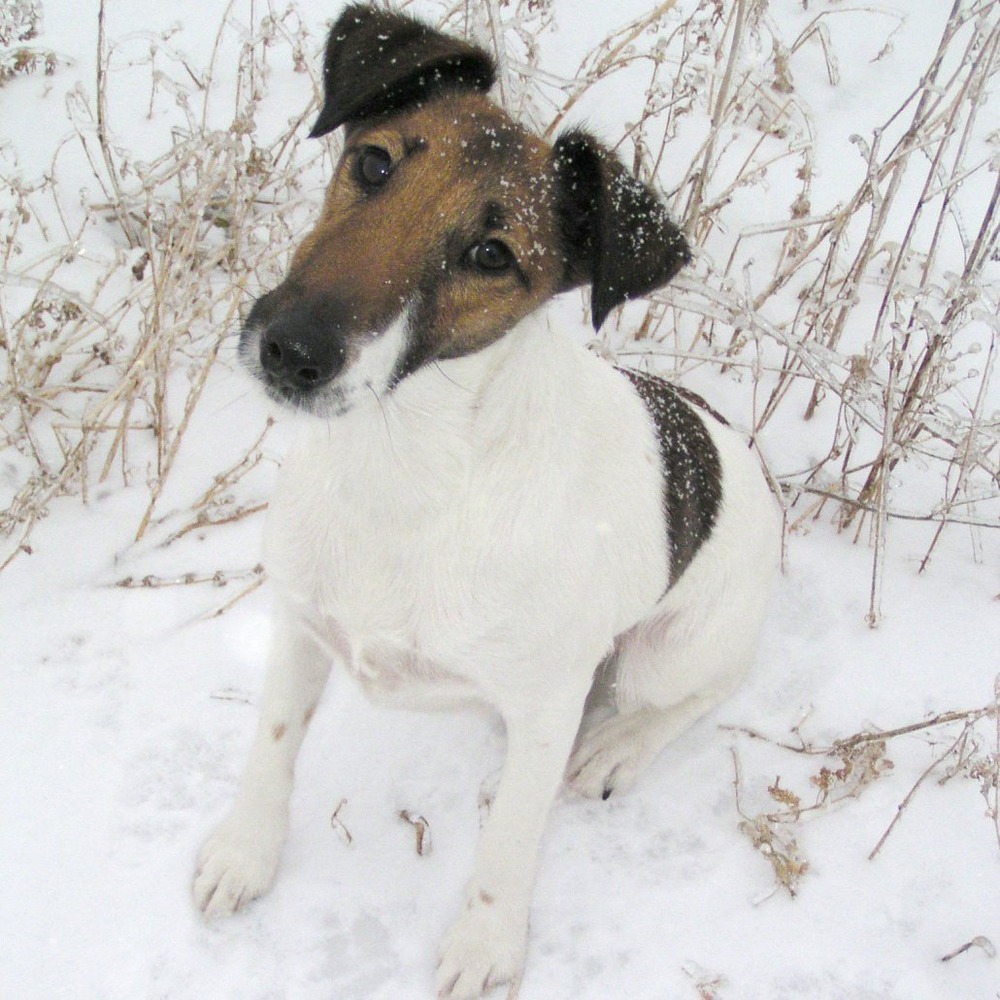
Any individual dog’s health depends on genetics, breeding practices, diet, activity, and veterinary care, so it is better to think in terms of risk management than promises. Regular check-ups matter, and so does being proactive about the problems that commonly affect small dogs, including dental disease and weight gain.
Dental care is a practical example. The AVMA describes periodontal disease as a common issue in dogs and notes that toothbrushing is a key preventive step.6 Small dogs can be particularly prone to dental build-up, so establishing calm handling and brushing early can save a lot of discomfort later.
On feeding, it is easy to accidentally overdo treats with an eager, trainable dog. WSAVA’s nutrition guidance for owners includes keeping treats to a small portion of daily intake and using body condition as a reality check.7 If your dog is gaining weight “despite not eating much”, it is often because the extras add up faster than people realise.
For breed-specific details like size, proportions, and temperament descriptions, the Kennel Club de Chile standard is the most direct reference point.1
Coat care, grooming, and everyday handling
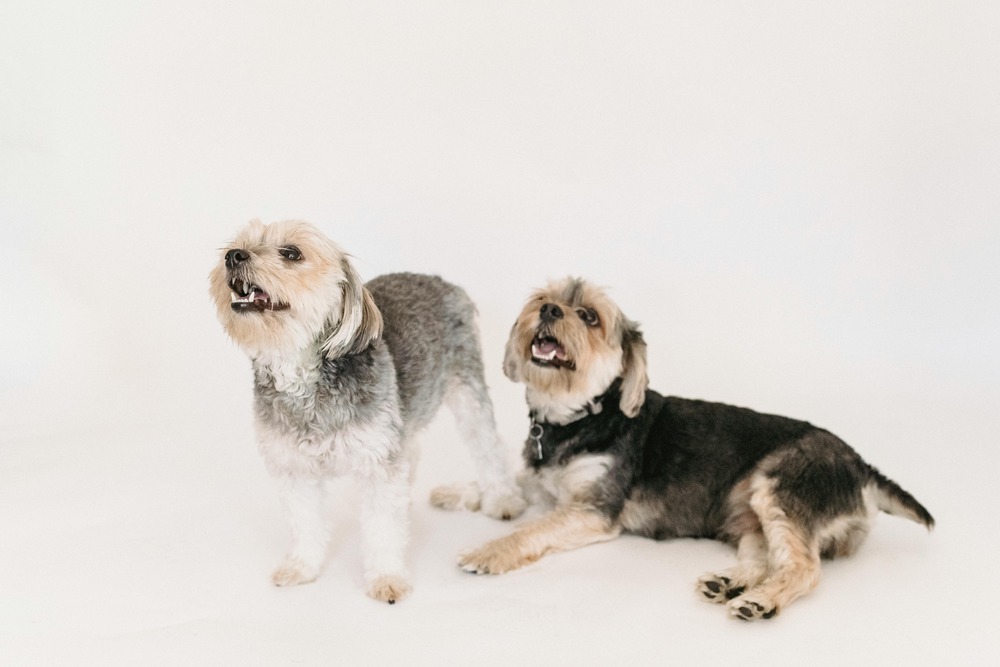
A short coat can feel like a promise of “no maintenance”, but most of the work is still in the routine. Basic grooming includes brushing to remove loose hair and debris, plus regular checks of ears, nails, and skin. The RSPCA notes that brushing and combing helps remove dirt, dead skin, and loose hairs, and it is also a good opportunity to notice early signs of irritation or parasites.8
Many Chilean Terriers are sensitive to handling if they are not taught that it is safe. Take your time with cooperative care. Aim for small, calm repetitions rather than wrestling through a nail trim once a month. Even a 30-second “touch paws, reward, stop” routine can change a dog’s comfort level over time.
Recognition and why it can be confusing
Breed recognition depends on the organisation you are talking about. The Chilean Terrier has an official standard through the Kennel Club de Chile.1 Internationally, recognition varies, and it is common to see confusion with other ratter-type terriers from Spanish-speaking countries.
As a concrete example of how these systems work, the FCI lists the Ratonero Bodeguero Andaluz (Andalusian Terrier) as a terrier recognised on a provisional basis, including the date of acceptance and publication of the standard.9 That is a different breed from the Chilean Terrier, but the similar naming can lead to mix-ups in online articles and rescue listings.
If you are trying to identify a dog, focus on structure and behaviour in addition to colour. If you are choosing a breeder, ask which registry they use, what standard they breed to, and how they assess temperament.
Final thoughts
The Chilean Terrier can be a delightful companion for someone who enjoys an engaged, clever dog and does not mind a bit of hustle in a small frame. They are often at their best when their day includes movement, sniffing, training, and time near their people.
If you meet one who seems “too busy”, it is not necessarily a personality flaw. It is often a dog doing what terriers do, just without enough structure. When you provide clear routines and outlets, you usually see the calmer, more companionable side come through.
References
- Kennel Club de Chile, Terrier Chileno (breed standard page)
- Wikipedia, Chilean Terrier (overview and commonly cited origin summary)
- RSPCA Australia, Socialising your puppy
- RSPCA Pet Insurance, Essential dog care information (training and exercise guidance)
- RSPCA Knowledgebase, How should I exercise my puppy?
- American Veterinary Medical Association (AVMA), Dental care for dogs
- World Small Animal Veterinary Association (WSAVA), Global Nutrition Guidelines
- RSPCA Pet Insurance, How to groom your dog
- Federation Cynologique Internationale (FCI), Ratonero Bodeguero Andaluz (breed listing and status)