

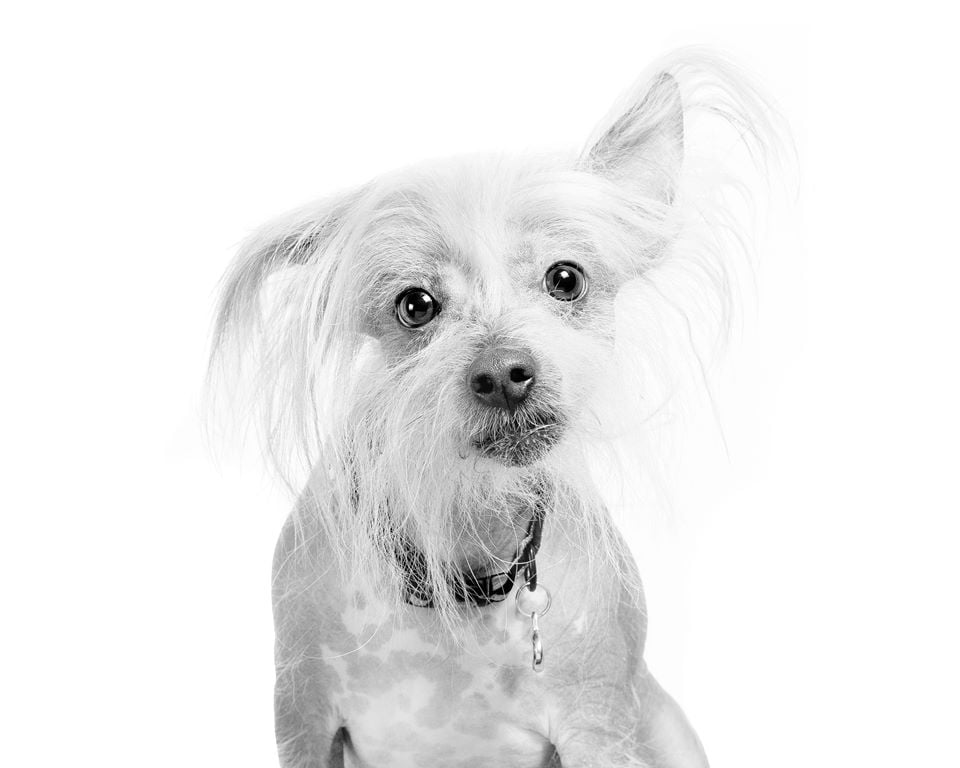
You might first notice a Chinese Crested in a photo and assume it is a novelty breed, a delicate “fashion dog” with little going on beyond looks. Then you meet one in real life and realise there is a proper little dog there: bright, watchful, and very tuned in to the people around them.
What tends to catch people out is that this is a breed where care is less about long bushy coat and more about the practical details, like skin protection for the hairless variety, steady dental habits, and a home life that suits a small dog with a big appetite for company.
If you are considering living with a Chinese Crested, or you already share your house with one and are trying to make sense of their quirks, it helps to understand what is normal for the breed, what needs extra attention, and where common assumptions (like “hairless means hypoallergenic”) fall a bit short.
At a glance: what a Chinese Crested is like to live with
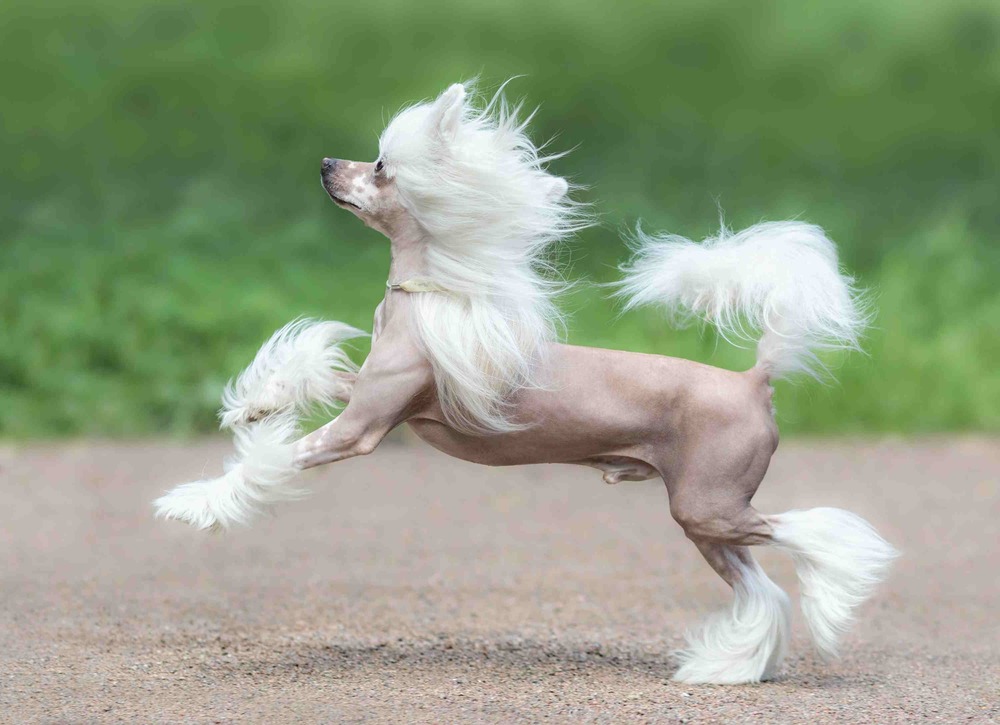
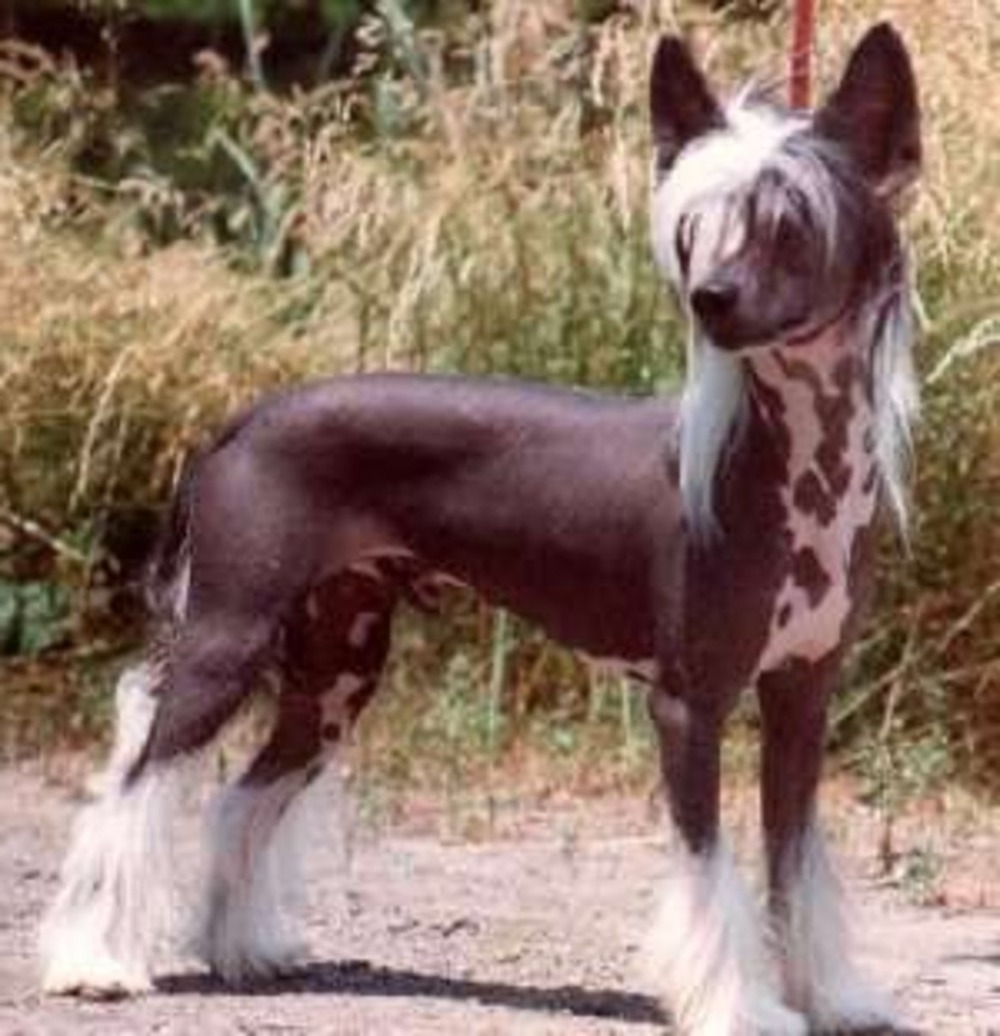
Chinese Cresteds are a small, fine-boned companion breed that comes in two coat types within the same litter: the Hairless (mostly bare skin with hair on head, feet and tail) and the Powderpuff (a full, soft coat). Both are typically lively indoors, fond of routine, and happiest when they are included rather than left out on the fringes of the household.
- Size: small, typically around 28 to 33 cm at the shoulder
- Weight: commonly 2.3 to 5.4 kg
- Life expectancy: often 12 to 14 years with good care
- Exercise needs: moderate, daily walks and play suit most
- Best fit: people who enjoy a close companion and can manage skin or coat care consistently
Origins and breed history, with a reality check
The “Chinese” in the name can be misleading. Hairless dogs have appeared in multiple parts of the world over a long period of time, and the Chinese Crested as we know it today was developed through breed clubs and enthusiasts rather than being a single, neat origin story.1
What is more useful than a tidy myth is understanding what the breed was selected for in modern times: companionship, a small active body, and a look that ranges from strikingly hairless to softly coated. That focus on being close to people still shows up in day-to-day life, including their tendency to follow you from room to room and notice household patterns quickly.
Appearance and the two coat types
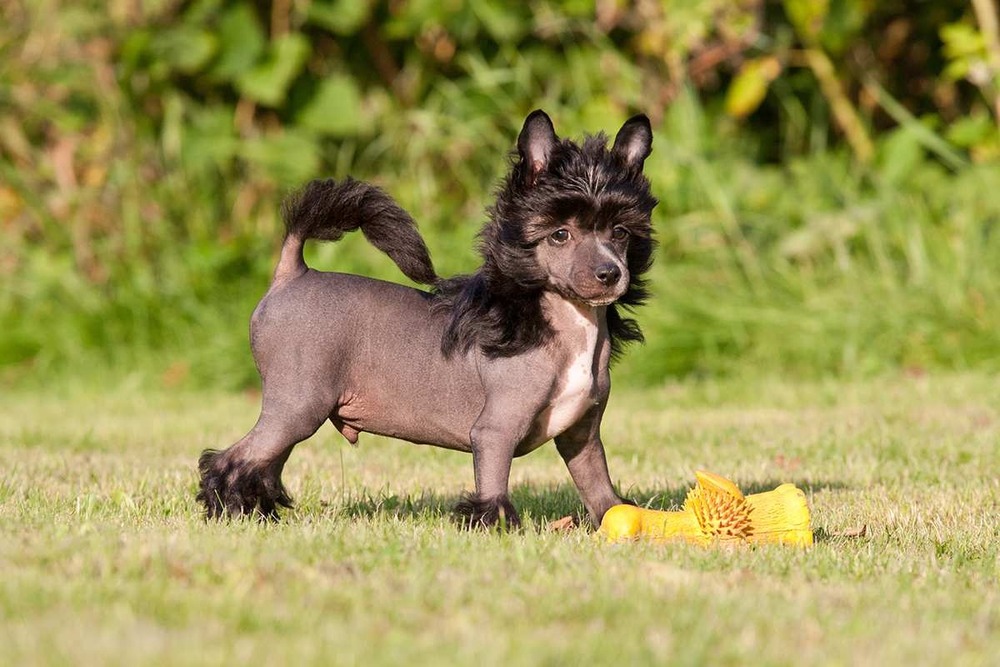
Both varieties share the same general build: light, elegant, and surprisingly athletic for their size. The differences are mostly about coat, skin, and the knock-on effects for grooming and comfort.
Hairless
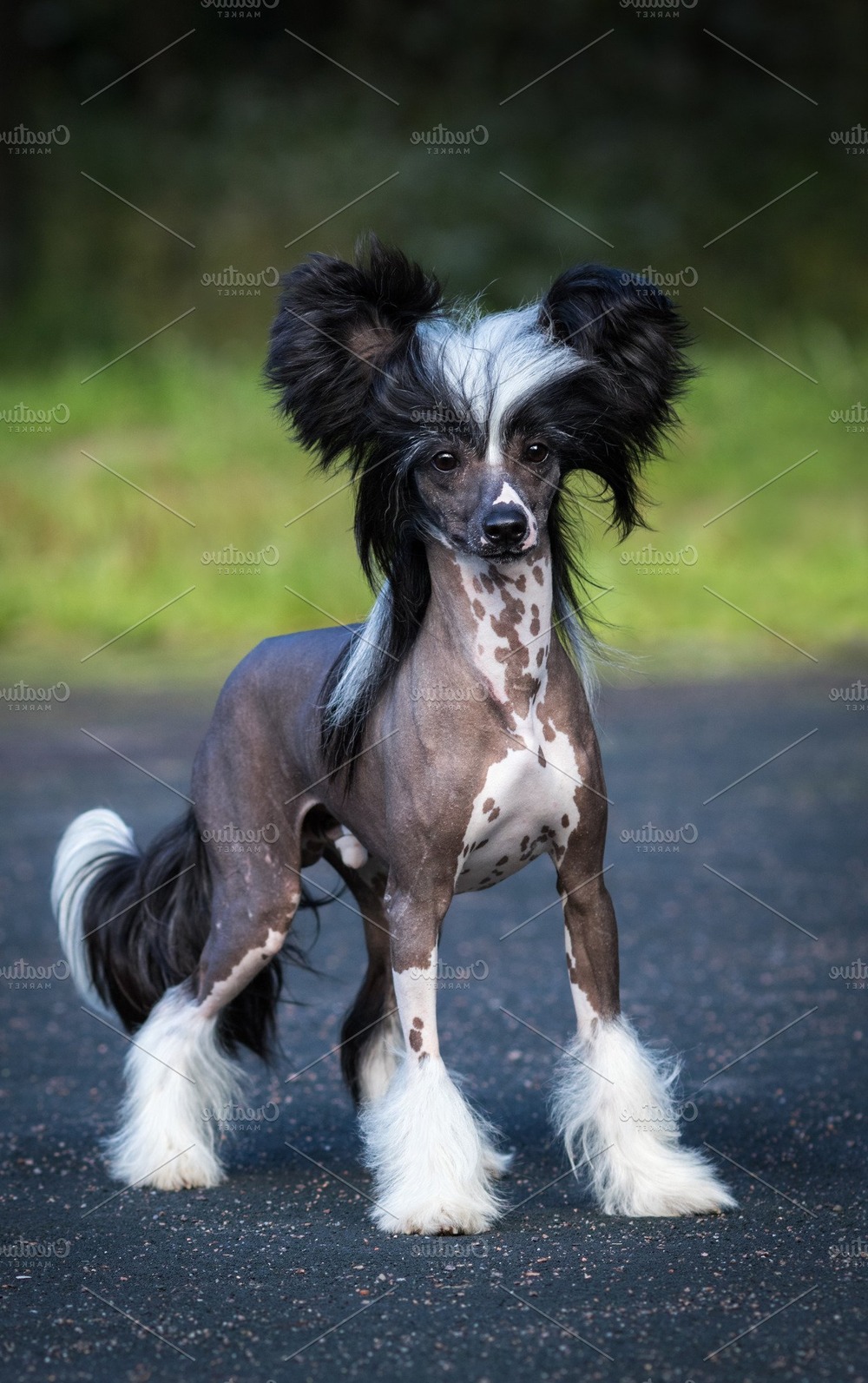
The Hairless variety has smooth, exposed skin with hair typically on the head (the “crest”), feet (the “socks”), and tail (the “plume”). Their skin can be pigmented and patterned, and it is normal for it to change slightly with season, sun exposure, and age. The practical point is that their skin is part of their daily care, not an afterthought.
Powderpuff
The Powderpuff has a full coat and tends to need more traditional grooming. Matting can sneak up quickly behind ears, under arms, and anywhere a harness rubs. A Powderpuff is not difficult if you are consistent, but it is rarely “wash and go”.
Breed standards also note a difference in dentition expectations: missing teeth are not penalised in the Hairless variety, but are faulted in the Powderpuff.2, 3 This is a show-world detail, but it mirrors a real-world theme: dental management matters in this breed.
Temperament and family suitability
A well-socialised Chinese Crested is typically affectionate with familiar people, alert to new things, and quick to learn household routines. They are often described as “clownish”, but the more helpful way to think about them is as a sensitive, observant small dog who does best with gentle handling and predictable training.
With children, the match depends less on the dog and more on the child. Cresteds are small and can be physically fragile. They often suit families with older kids who can understand calm handling, rather than very young children who are still learning boundaries.
With other pets, many do well when introduced thoughtfully. Early, positive exposure helps, as does remembering that tiny dogs can feel overwhelmed if larger dogs play too roughly.
Training and daily exercise
Chinese Cresteds usually respond best to positive reinforcement, short sessions, and a calm tone. They tend to be clever enough to learn quickly, and also clever enough to notice when training is inconsistent.
Exercise needs are moderate. Most are satisfied with daily walks plus a few short bursts of play, especially if you also offer mental stimulation, like basic scent games, simple tricks, or food puzzles.
Because they are small and often close to their people, separation training can be worth doing on purpose rather than waiting for a problem. Practise brief, low-key departures, reward calm behaviour, and build time gradually.
Health patterns to know about
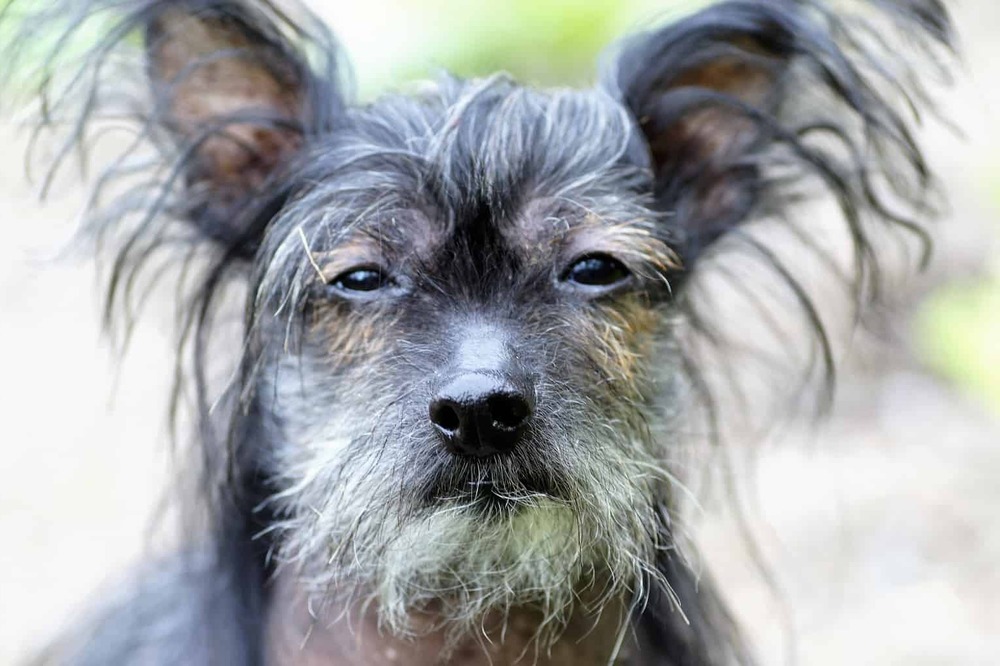
No breed is problem-free, and Chinese Cresteds have a few recurring themes. The goal is not to become anxious about them, but to know what to watch for, and to set up preventative care early.
Dental health
Small breeds are prone to dental disease, and Chinese Cresteds are widely noted for dental issues, including early tooth loss and gum disease.4 The most effective home habit is regular tooth brushing, introduced gradually and kept matter-of-fact.5, 6
If brushing is a struggle, your vet can help with handling techniques, suitable dental products, and realistic alternatives. It is also sensible to plan for professional dental checks and cleans as advised for your individual dog.7
Orthopaedic and eye conditions
Like many small breeds, issues such as patellar luxation can occur, and some sources also note eye conditions in the breed. Sensible breeding practices include screening where appropriate, and owners should raise early signs (limping, skipping steps, squinting, cloudy eyes) promptly with a vet.4, 8
Skin and grooming, what “regular” really means
Grooming in this breed is not just about presentation. Done well, it is comfort care, and it can prevent niggling problems from turning into ongoing irritation.
Hairless skin care
Hairless Cresteds can be prone to dryness, comedones (blackheads), and sun sensitivity. Many owners use gentle bathing and light moisturising, but product choice matters, so it is best to ask your vet what is safe for your dog’s skin. For sun exposure, stick with pet-safe sunscreen rather than human products, and use shade and protective clothing as the first line of defence when UV is high.9
Powderpuff coat care
Powderpuffs usually need thorough brushing several times a week, and more if the coat is kept long. Pay attention to friction points from harnesses and collars. If you prefer an easier routine, many owners choose a shorter trim, but even then, the coat still needs regular brushing to prevent mats close to the skin.
Ears, nails, and the small stuff
Basic maintenance applies to both types: keep nails short, check ears, and look over skin and paws routinely. Small dogs can hide discomfort, and regular handling makes it easier to notice subtle changes.
Feeding and weight management
Chinese Cresteds do best on a balanced diet appropriate for their size and life stage. Because they are small, a little extra food goes a long way, so it helps to measure meals, go easy on calorie-dense treats, and keep an eye on body condition rather than relying on the scale alone.
As with any dog, avoid foods known to be toxic, and speak with your vet if you are considering home-prepared diets or supplements. For many Cresteds, the best “skin and coat” support is simply consistent nutrition, dental care, and sensible sun protection.
Choosing a puppy or rescue, what to ask and what to notice
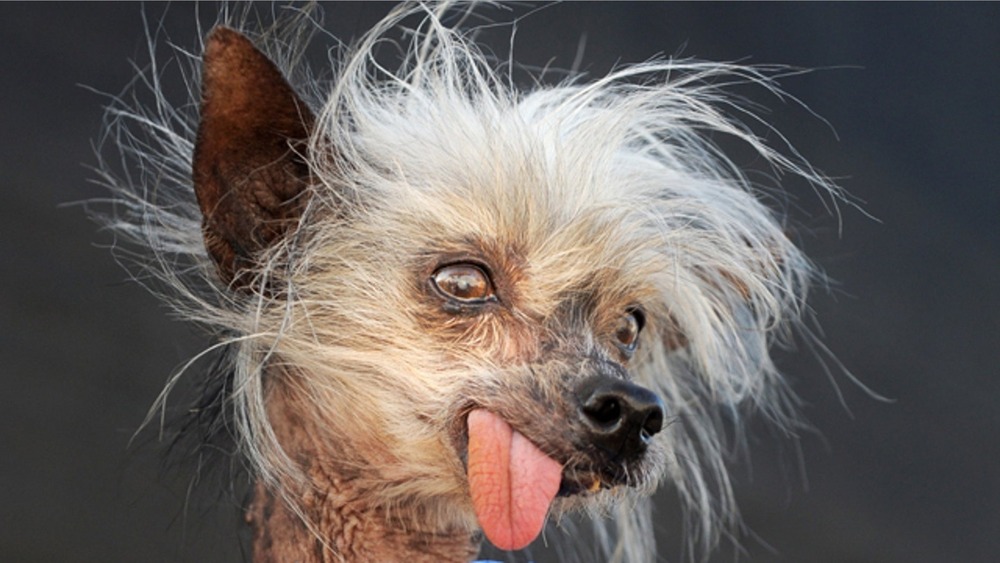
If you are buying from a breeder, ask what health screening they do and request documentation, particularly for issues that are known in the breed. A good breeder should also be open about dental expectations and how they manage early socialisation.
If you are adopting, try to learn what the dog has already experienced, and focus on what you can observe: comfort with handling, response to novelty, and whether they can settle. With Cresteds, it is also worth checking the dog’s mouth and skin condition early, then making a plan with your vet.
Final thoughts
A Chinese Crested can be a deeply companionable little dog, especially for people who enjoy a close bond and do not mind a bit of daily maintenance. The breed’s standout look tends to get the attention, but it is the quieter traits, their watchfulness, their sensitivity to routine, and their need for considerate handling, that shape what living with one actually feels like.
If you meet their needs with steady training, good dental habits, and practical protection from weather and sun, many Cresteds settle into family life with an ease that surprises people who only know them from photos.
References
- Encyclopaedia Britannica: Chinese crested
- American Chinese Crested Club: Breed Standard
- United Kennel Club: Chinese Crested breed standard
- PetMD: Chinese Crested health and care
- RSPCA Australia: Importance of dental health
- RSPCA Pet Insurance Australia: Guide to dog dental care
- RSPCA South Australia: Dental care for pets
- Orthopedic Foundation for Animals (OFA): Browse health testing by breed (CHIC)
- RSPCA Knowledgebase: Can I put sunscreen on my dog?