

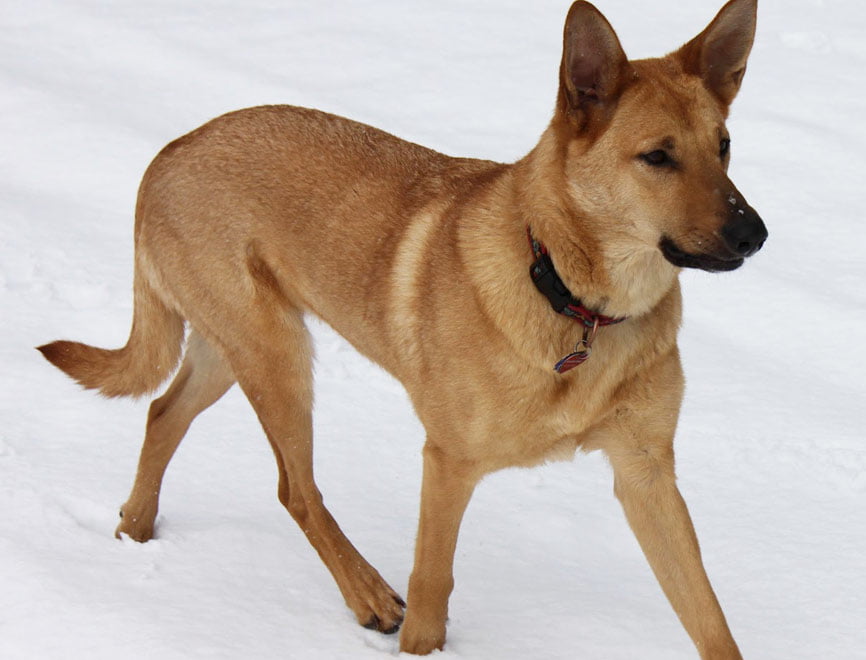
You might come across a Chinook and do a double take. They look a bit like a sled dog, but not quite like the familiar husky types, and their calm presence can surprise people who expect a working breed to be busy or intense.
It is also common to hear the Chinook described as “rare”, then wonder what that means in everyday life: does it affect temperament, health, or how easy it is to find a responsible breeder or rescue? With Chinooks, the story matters because the breed’s small population and working origins shape the kind of home they tend to do best in.
When a Chinook fits, they can be a steady, capable companion for people who like being outdoors and enjoy training as a shared routine. When the fit is off, it is usually not about “bad behaviour”, it is about unmet needs, especially exercise, heat management, and a lack of purposeful engagement.
- Breed category: Working Dog
- Country of origin: United States
- Typical height: Males 58 to 66 cm, females 53 to 61 cm
- Typical weight: Males 29 to 41 kg, females 25 to 34 kg
- Typical lifespan: 12 to 15 years
- Coat: Dense double coat
- Colour: Tawny, often with darker markings
- Shedding: Moderate to high
- Temperament: Generally friendly, intelligent, and people-oriented
- Exercise needs: High, daily physical activity plus mental work
History and origin
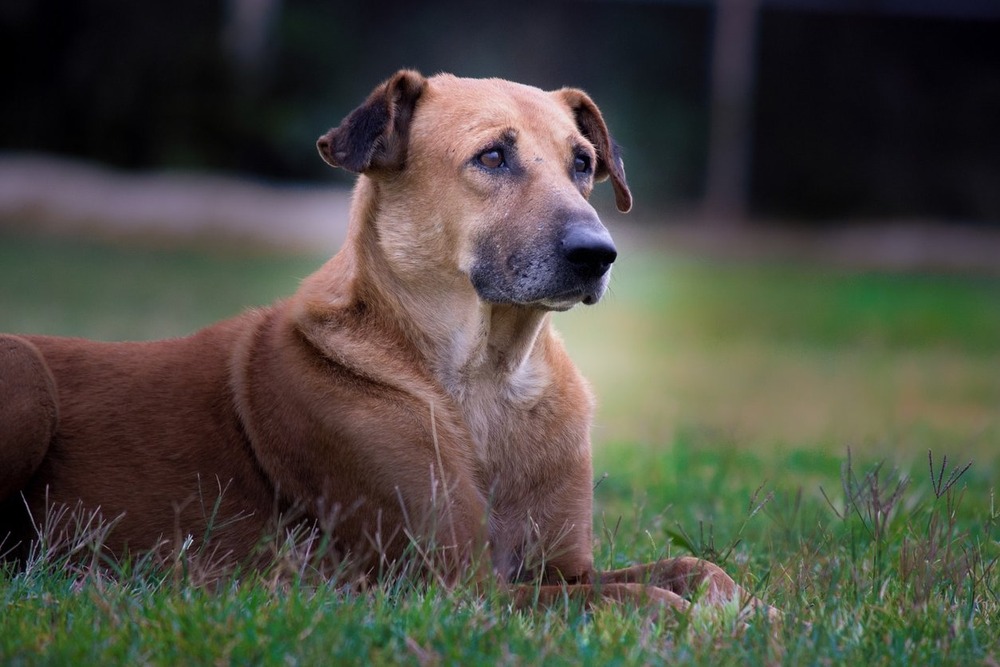
The Chinook was developed in New Hampshire in the early 20th century, shaped around a single foundation dog named Chinook, born on 17 January 1917. Arthur Treadwell Walden, a sled-dog driver and outdoorsman, bred and selected dogs for strength, endurance, and a tractable nature that could work closely with people. 1, 2
Walden was appointed to lead the dog team side of Admiral Richard Byrd’s first Antarctic expedition (Byrd Antarctic Expedition I), which began in 1928 and is commonly discussed in relation to Chinook history. Walden and his dogs helped demonstrate the practical value of a steady freight dog, not just speed. 3
Over time, the Chinook remained uncommon, and breed clubs and committed owners have played a large role in documenting history and maintaining breeding records. That small-population reality is part of why many Chinooks today are placed with owners who can offer training, time, and an active routine, rather than purely a “backyard pet” setup. 2
Physical characteristics you tend to notice first
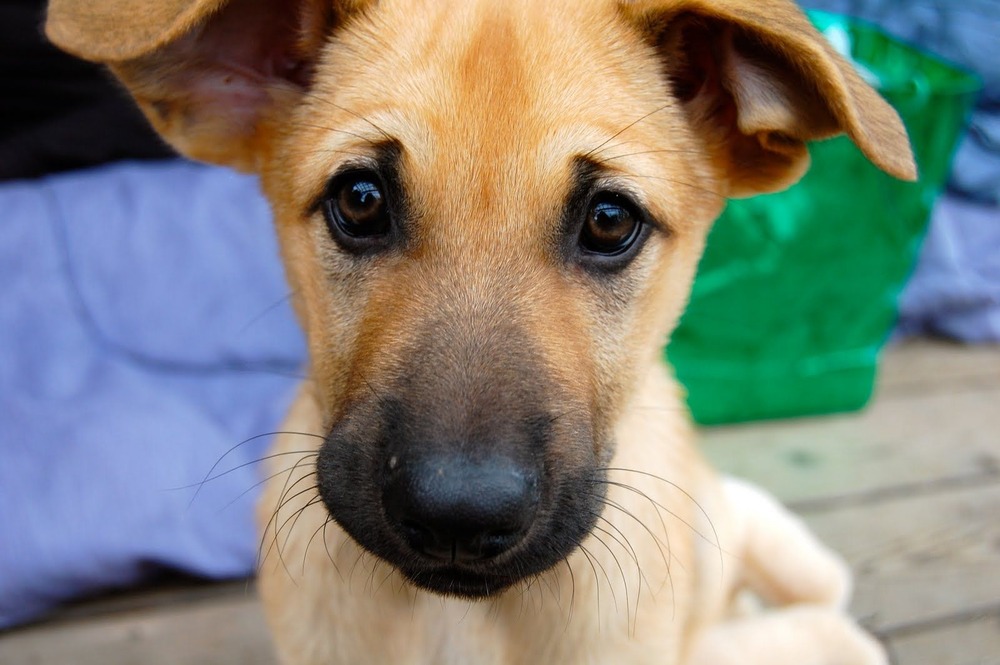
Chinooks are medium to large, balanced, and athletic. They usually have a tawny coat that can range from pale honey through to deeper red-gold, often with darker shading around the ears and muzzle. Their outline reads “working dog” in a quiet way: strong through the body, not exaggerated, built to keep going. 4
The coat is a double coat with a dense undercoat that supports cold-weather work. That same feature can make some Chinooks less comfortable in hot, humid conditions, so owners often need a plan for summer exercise and cooling routines. 5
Temperament-wise, you often see a thoughtful, observant dog who prefers being near their people. They are not typically “all noise”, and many owners report a relatively low tendency to bark compared with some other working breeds, although individuals vary.
Temperament and behaviour in day-to-day life
A Chinook is often described as friendly and loyal, but those words land differently once you live with one. Many Chinooks seem to do best with steady companionship and predictable routines. They often enjoy being included in family life, then settling calmly once their needs are met. 4
With children, the breed has a reputation for being gentle, particularly when socialised early and when kids are taught how to interact respectfully with dogs. It is still worth remembering that any large, powerful dog can knock over small children accidentally, especially in excited moments.
With other pets, Chinooks are often sociable, but outcomes depend on early exposure, the other animal’s confidence, and the way introductions are handled. Early, low-pressure socialisation tends to matter more than trying to “fix” issues later. 4
Training and exercise needs

Chinooks were developed to work in partnership with people, and many respond best to training that feels cooperative rather than confrontational. In practice, this usually means short sessions, clear cues, and reinforcement that suits the dog (food, play, access to favourite activities).
Exercise needs are commonly described as high. The part that often gets missed is that Chinooks may need purposeful movement, not just a slow lap of the block. Many do well with:
- brisk walks plus sniff time
- hiking on cooler days
- structured games (retrieving, “find it”, tug with rules)
- obedience, rally, or agility foundations
If you are training for pulling sports or running, build up gradually and keep joint health in mind. When people see a strong sled-dog type, they sometimes do too much too soon, especially with adolescents who still look “grown” before their bodies are fully mature.
Heat is a practical consideration. In Australia, even a dog that “handles warmth” can overheat during humid weather. Plan walks for early morning or evening, provide shade and water, and learn the signs of heat stress. If you suspect heatstroke, begin gentle cooling with tepid or cool water and seek urgent veterinary care. 5
Health and lifespan
The commonly quoted lifespan for Chinooks is around 12 to 15 years, which is fairly solid for a medium to large working breed. As with many breeds of similar size, hip dysplasia is a known risk, and responsible breeders typically screen breeding dogs. 6
Some Chinooks may also be affected by seizure disorders, including epilepsy. If you notice episodes of collapse, unusual disorientation, or rhythmic muscle movements, capture video if safe to do so and book a veterinary assessment. Seizures can have different causes, and a vet will usually work through a history, exam, and appropriate tests rather than assuming a single diagnosis.
A very practical health tool for owners is learning to assess body condition. Keeping a Chinook lean can reduce strain on joints and help with heat tolerance. Veterinary teams often use body condition scoring for this, and it is worth asking your vet to show you what an ideal score looks like on your individual dog. 7
Grooming and maintenance
Chinooks are not usually “high maintenance” in the sense of constant trimming, but their coat does ask for regular attention. A weekly brush is a good baseline, and during seasonal coat drop you may need to brush more often to manage shedding and keep the undercoat from compacting.
A simple toolkit that suits many double-coated dogs includes a slicker brush plus an undercoat rake, used gently. Avoid shaving the coat unless your vet recommends it for a medical reason. For most double-coated breeds, shaving can interfere with coat function and does not reliably prevent overheating. 5
Bathing can be occasional, depending on lifestyle. Focus on rinsing thoroughly and drying the coat well, since a damp undercoat can cause skin irritation in some dogs.
Diet and nutrition
Chinooks generally do well on a complete, balanced diet that matches their life stage and activity level. If your dog is very active, the diet may need to be more energy-dense. If your dog is desexed, less active, or prone to weight gain, portions may need to be tighter than you expect for a “working breed”. 7
Many owners like to share “healthy” foods, which can be fine when done thoughtfully. It is also worth being clear about foods that are dangerous for dogs. Keep toxic foods out of reach, including chocolate, grapes and raisins, and onions and garlic. If you suspect ingestion, contact your vet promptly. 8
If you want to change foods, do it gradually over about a week, and check in with your vet if your Chinook has ongoing digestive upset, itchiness, or unexplained weight changes. Nutrition is one of those areas where small adjustments can make a noticeable difference, but only if you track what is happening and avoid constant “diet hopping”. 7
Small facts that add texture
The Chinook is the official state dog of New Hampshire, recognised in 2009. 9
If you have seen a claim that the Chinook was “recognised by kennel clubs in 1991”, that is often referring to United Kennel Club recognition (March 1991). This is separate from American Kennel Club recognition, which lists Chinook recognition in 2013. 2, 10
Those details can feel like paperwork, but they matter when you are trying to interpret older advice, compare breed standards, or trace health and breeding records across different registries.
Final thoughts
A Chinook is often at their best when life has a bit of rhythm: movement, training, rest, and time with people. They are capable and sturdy, but they are not a “set and forget” breed. Meet their needs early, especially exercise, social exposure, and heat management, and you are more likely to see the calm, generous nature people fall in love with. 4, 5
References
- Chinook Owners Association, History
- Chinook Owners Association, UKC recognition and historical notes
- Institute of Canine Biology, Chinook Project background
- American Kennel Club, Chinook breed information
- RSPCA Australia, Keeping your pet safe during the heat
- Orthopedic Foundation for Animals, Hip Dysplasia
- WSAVA, Global Nutrition Guidelines
- American Veterinary Medical Association, Poisonous foods for pets
- State of New Hampshire, State emblems (includes state dog)
- American Kennel Club, Breeds by year recognised