

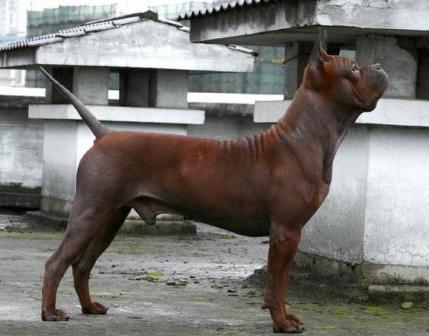
- Breed category: Working dog (hunting and guarding background)
- Country of origin: China (Chongqing region)
- Typical height: Around 35 to 50 cm at the shoulder
- Typical weight: Around 15 to 25 kg
- Typical lifespan: About 12 to 15 years
- Coat: Short and dense, generally low shedding
- Exercise needs: High, daily physical and mental work suits them best
- Temperament: Loyal, protective, alert, often reserved with strangers
- Training: Capable and bright, does best with consistent, reward-based handling
People usually start looking up the Chongqing Dog after seeing a photo: a compact, muscular dog with a wrinkled face, prick ears, and a tail that stands out from the crowd. It looks a bit like a mash-up of breeds many of us already know, but it does not quite fit any familiar box.
Another common thread is the feeling of uncertainty. If a dog looks “rare” or “ancient”, it is easy to assume it will either be easy-going and stoic, or automatically difficult and intense. In practice, the Chongqing Dog sits somewhere more nuanced. It can be steady and deeply devoted, and it can also be watchful, selective about strangers, and quick to notice changes in its environment.
For anyone thinking about living with one, or simply trying to understand what they are seeing online, it helps to look past the headline traits and focus on day-to-day reality: how these dogs were shaped by function, what that can look like in a home, and what sort of care tends to keep them settled.
The Chongqing Dog and where it comes from
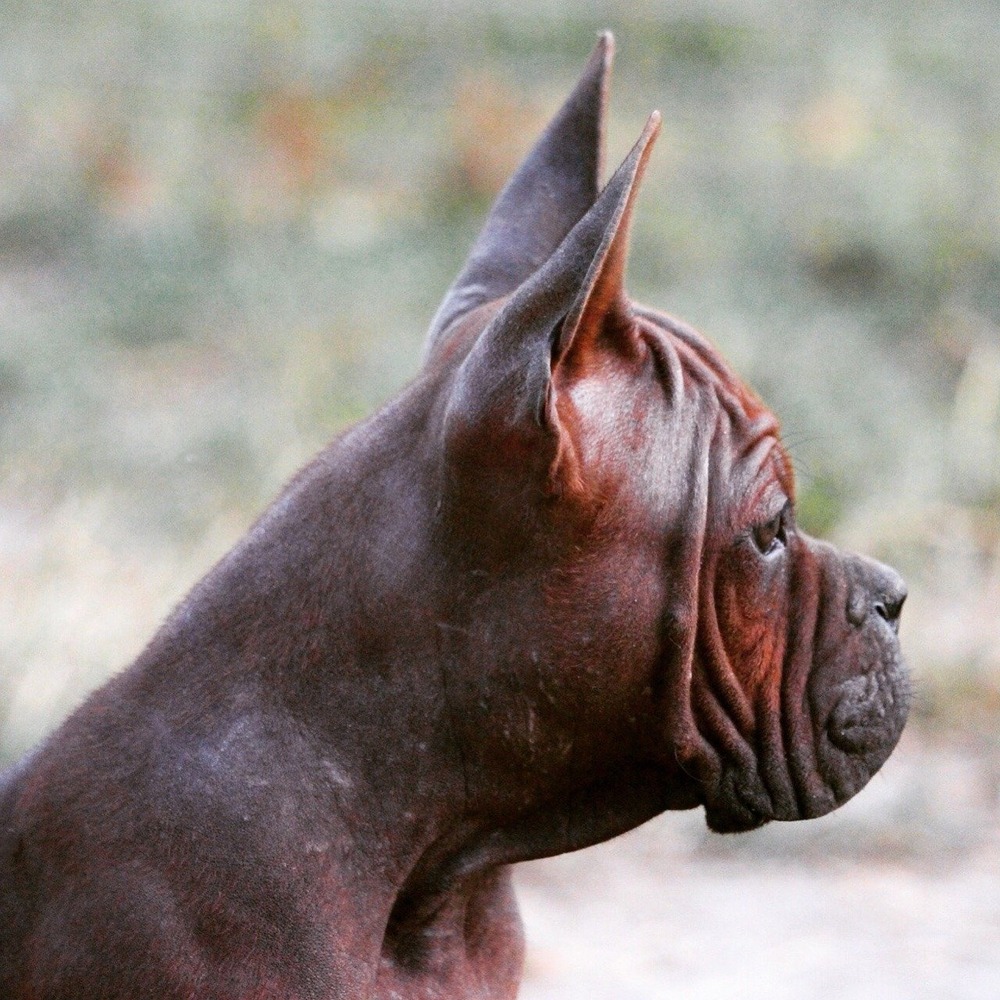
The Chongqing Dog (sometimes called the Chongqing dog, or referenced alongside closely related regional types) is generally described as an old Chinese landrace or regional breed associated with the Chongqing area, with a long history of being used for guarding and hunting. 1
That working background matters because it explains a lot of the modern dog. Many lines were selected for awareness, determination, and the ability to make decisions at close range, rather than for the easy sociability that some companion breeds have been shaped for. In a family setting, this can translate into a dog that bonds strongly, notices visitors quickly, and benefits from structure and clear boundaries.
It is also a breed that remains relatively uncommon outside China. You will sometimes see dramatic claims about exact population numbers. The more practical takeaway is simply that availability can be limited, and quality breeding programmes are not evenly distributed, so it is worth taking time to verify pedigree, health testing, and the breeder’s approach to temperament and early handling. 2
Appearance and those distinctive traits
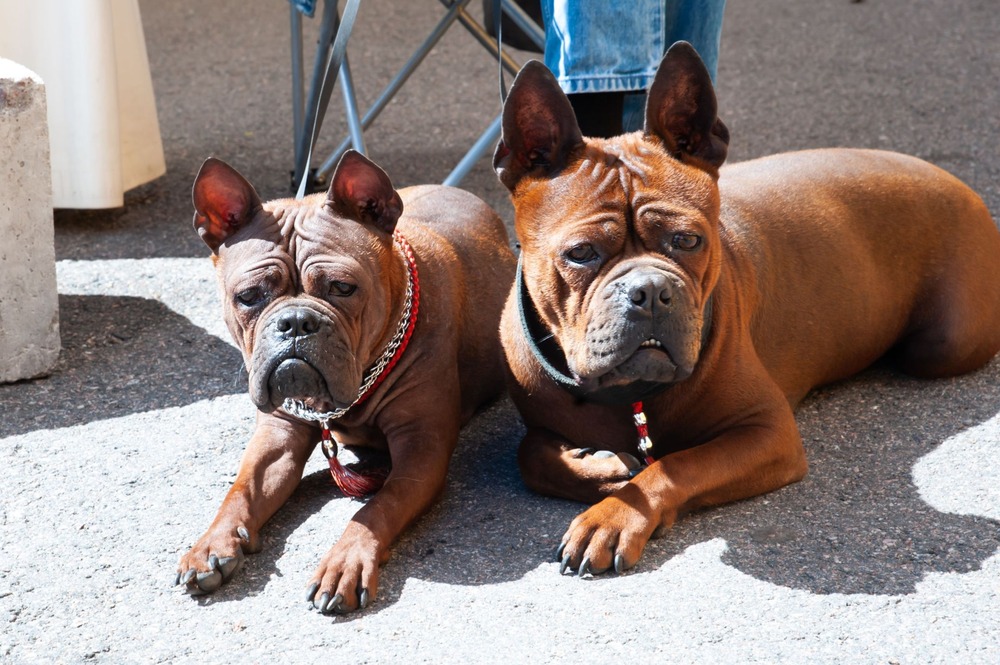
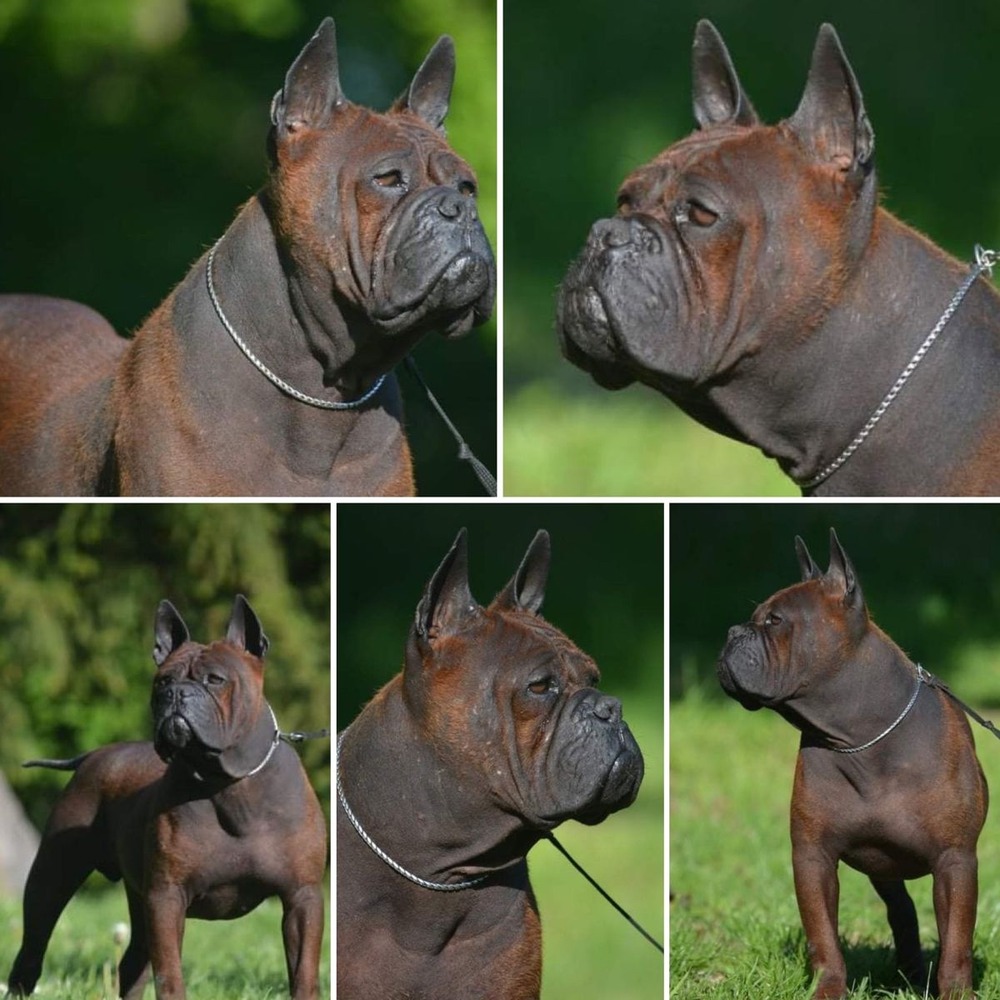
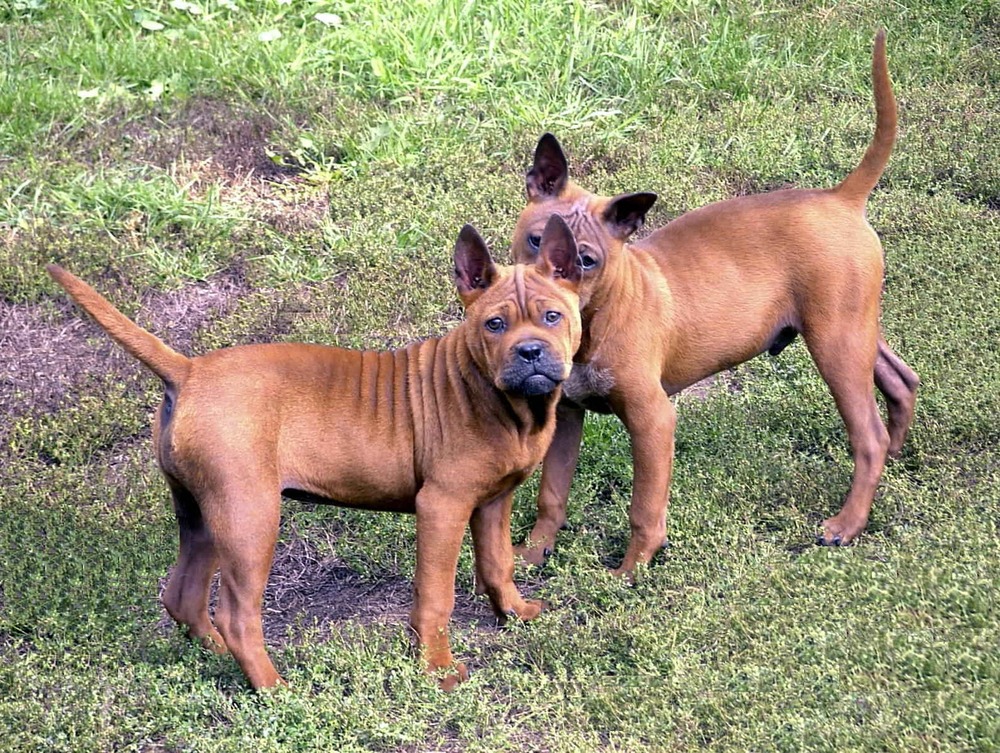
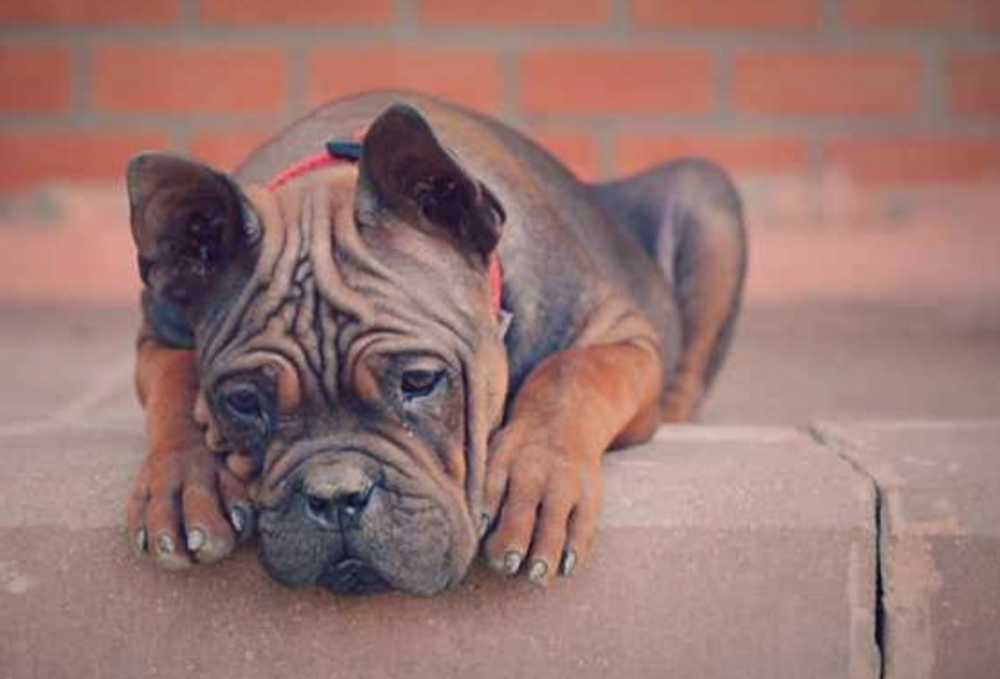
Most Chongqing Dogs are medium-sized, compact and muscular, with a short coat that shows off their outline. Their tail is often described as upright and “bamboo-like”, and the face may show some wrinkling without the heavy folds seen in more exaggerated wrinkled breeds. 1, 2
One trait that tends to spark curiosity is the blue-black tongue. This pigmentation is famously associated with the Chow Chow and Shar Pei, and it is also described in Chongqing Dog breed overviews. It is not, by itself, a health concern. 1, 5, 6
Coat colours are commonly reported as solid shades in the red-brown to darker spectrum, sometimes including black. As with many rare breeds, exact “standards” and accepted colours can vary depending on the registry or local convention, so it is best to treat colour talk as descriptive rather than definitive.
Temperament in a home, not just on paper
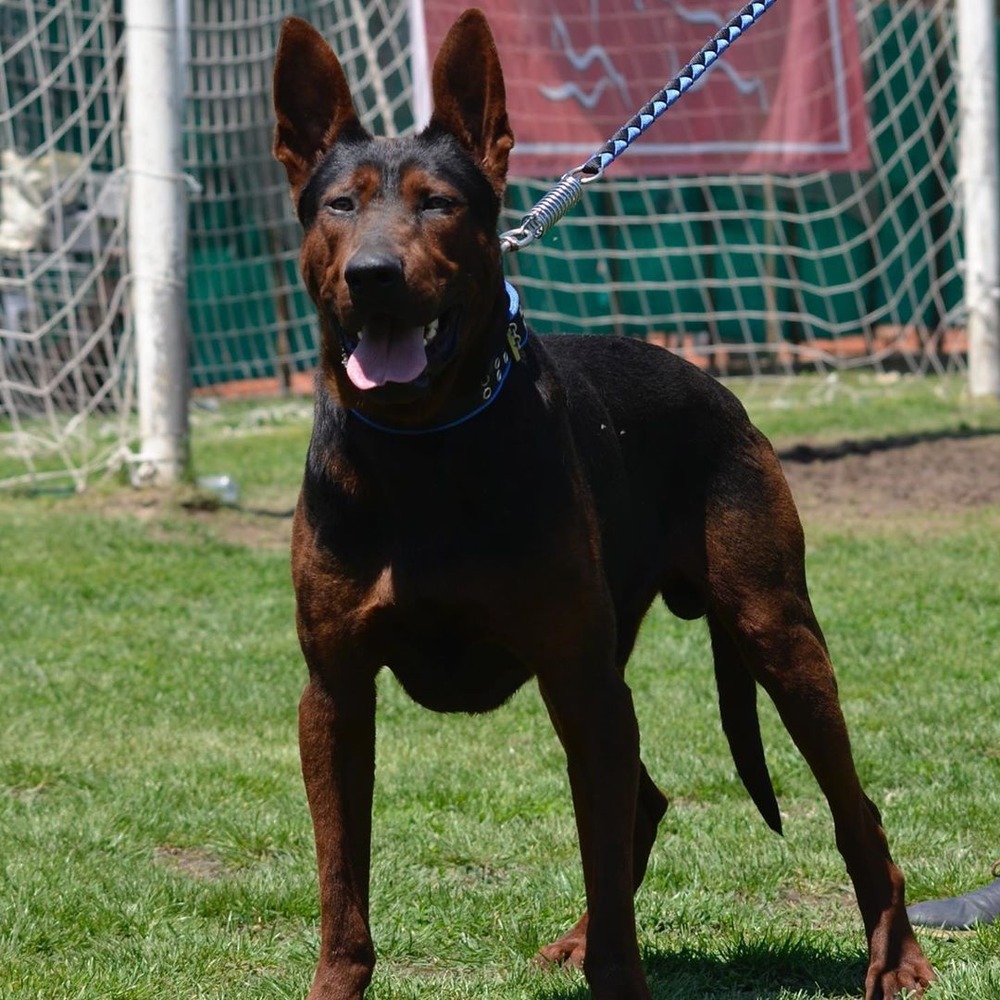
Owners are often drawn to this breed for its loyal, watchful nature. A well-raised Chongqing Dog may be calm with familiar people and attentive to the household routine, while remaining more cautious with strangers. That is not the same thing as “aggressive”, but it does mean socialisation and ongoing training matter. 1
With children, the usual rules apply. Even dogs that are described as “good with kids” still need thoughtful supervision, respectful handling from children, and management around high-arousal moments like rough play, doorbell excitement, or food and toys. If you are bringing a Chongqing Dog into a busy family home, aim for a predictable routine and teach the dog that calm behaviour is what earns access to people, play, and movement through the house.
With other pets, outcomes can vary. A dog bred for hunting work may have a stronger chase response than you would want around small animals. Early introductions, reinforcement of calm behaviours, and realistic management (separate areas, secure fencing, and supervised time together) can make a large difference.
Training and socialisation that actually helps
It is tempting to meet a protective breed with “strong” handling. In reality, the approaches that hold up best over time are the ones that are clear, consistent, and fair. Veterinary behaviour guidance supports reward-based methods and warns against aversive tools and punishment, which can increase stress and risk while damaging the dog-human relationship. 7, 8
Early socialisation is not about forcing friendliness. It is about building confidence through many small, positive experiences, ideally during the puppy’s critical socialisation period. The RSPCA describes this early window as highly influential for later behaviour, and recommends reward-based puppy classes and controlled exposure to people, places, sounds, and handling. 3, 4
If you are working with an adolescent or adult Chongqing Dog that is already wary, go slower than you think you need to. Progress that looks “boring” on day one often produces the most stable dog by month three.
- Prioritise calm: reward relaxed body language, not just obedience.
- Keep sessions short and repeatable, and stop before frustration builds.
- Build skills that support safety: recall foundations, leash manners, and stationing on a mat.
Exercise needs and day-to-day enrichment
This is typically a high-energy working type, so exercise needs are not just about distance walked. Many dogs cope best when you combine physical activity with mental work. A brisk daily walk helps, but so does giving the dog something to solve, search for, or practise.
Good options include scent games in the yard, short training loops throughout the day, food puzzles, and structured play that ends before the dog tips into overstimulation. If you live in an apartment, it can work, but only if you are genuinely set up for daily outings and you have a plan for indoor enrichment when weather or schedules get in the way.
Health, lifespan, and what to watch for
Breed summaries commonly cite a lifespan in the 12 to 15 year range, which is typical for many medium-sized dogs when well cared for. 1
Two themes you will see mentioned are skin problems and hip dysplasia. Hip dysplasia is a developmental condition of the hip joint that can contribute to arthritis and pain over time. Its severity and the age at which signs appear can vary, and environment, weight management, and exercise patterns can influence how it plays out. 9
Because the Chongqing Dog is not common in many countries, the best safeguard is not relying on generic breed warnings. Instead, ask what the breeder screens for, what veterinary records exist for close relatives, and what they do to select for stable temperament alongside physical traits.
Grooming and general maintenance
The coat is usually described as short and relatively low-maintenance. Occasional brushing helps remove loose hair and lets you check the skin. For dogs that are prone to irritation, keep grooming simple and avoid heavily perfumed products.
It is often the overlooked basics that keep a dog comfortable: nails trimmed often enough to prevent splaying, ears checked, teeth cared for, and a steady routine of parasite prevention that matches your local risk.
Feeding, treats, and keeping weight sensible
A muscular, active dog still benefits from straightforward nutrition: a complete and balanced diet, portioned to maintain a healthy body condition. If you are adjusting food for training, remember that treats add up quietly.
A widely used guideline in veterinary nutrition is to keep treats and extras to no more than 10 percent of daily calories, with the rest coming from a complete and balanced diet. 10
If you are unsure whether your dog is at a healthy weight, a quick check-in with a vet and a body condition score can be more useful than any feeding chart on a bag.
Choosing a Chongqing Dog responsibly
If you are drawn to the Chongqing Dog because it is rare, pause and ask what you want your daily life to look like. A rare breed is not automatically a better fit, it is just a less common set of traits and needs.
Look for people who can talk openly about the dog’s strengths and challenges. Ask about early socialisation, how the puppies are raised in the home, what behavioural support they offer after purchase, and how they approach health screening in a small gene pool. If answers are vague, or the conversation leans heavily on status and aesthetics, that is useful information too.
References
- Wikipedia: Chongqing dog
- DogZone: Chinese Chongqing Dog
- RSPCA Australia: Here’s how to care for your puppy
- RSPCA Knowledgebase: Is socialising my puppy important?
- Wikipedia: Shar Pei
- Wikipedia: Chow Chow
- American Veterinary Society of Animal Behavior (AVSAB): Position statements (including Humane Dog Training)
- FOUR PAWS Australia: Positive dog training
- Orthopedic Foundation for Animals (OFA): Hip Dysplasia
- UC Davis Veterinary Medicine: Treat Guidelines for Dogs