

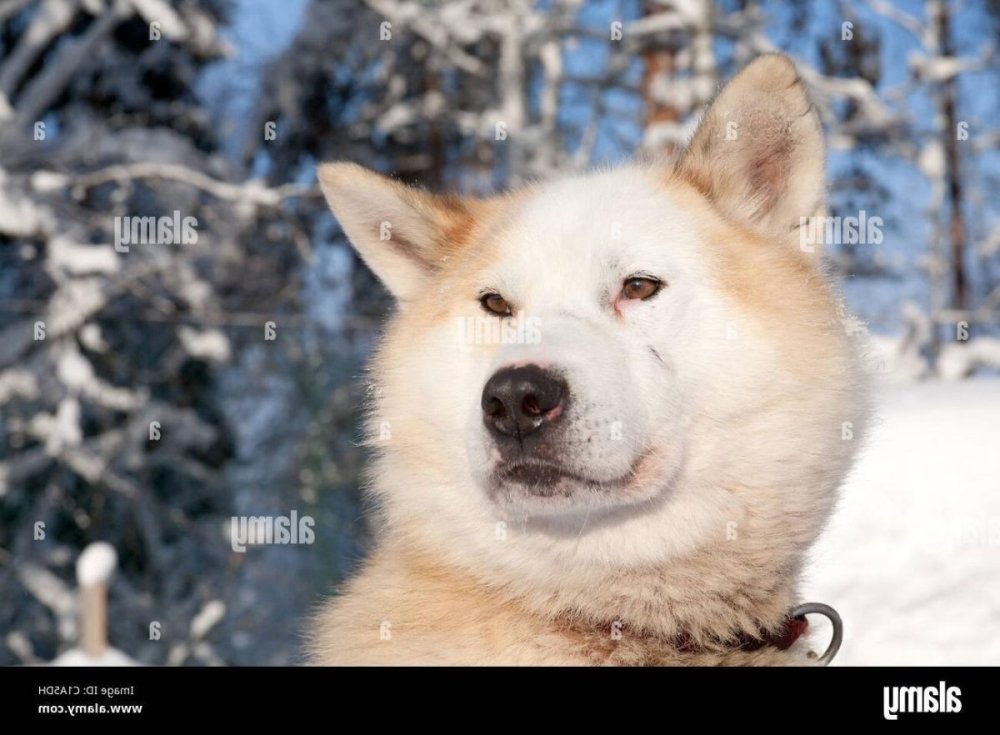
You might come across the Chukotka Sled Dog in a photo or a passing mention of “Chukchi dogs” and assume it is simply another name for a Siberian Husky. The confusion makes sense. These dogs share a similar northern “spitz” look, and their stories overlap, but the Chukotka Sled Dog is its own traditional sled dog type with deep roots in the Chukchi Peninsula.
People also tend to picture sled dogs as either tireless working machines or easygoing family companions. In real homes, it is usually more nuanced. A dog shaped by generations of long-distance travel, team work, and harsh weather can be wonderfully steady and social, but it often comes with very specific needs around exercise, heat management, training style, and daily structure.
Understanding where the Chukotka Sled Dog comes from helps you make sense of how they move, rest, cope with change, and respond to people. It matters most when you are choosing a breed, planning care, or trying to help a dog settle well into modern life.
Breed snapshot: what people notice first
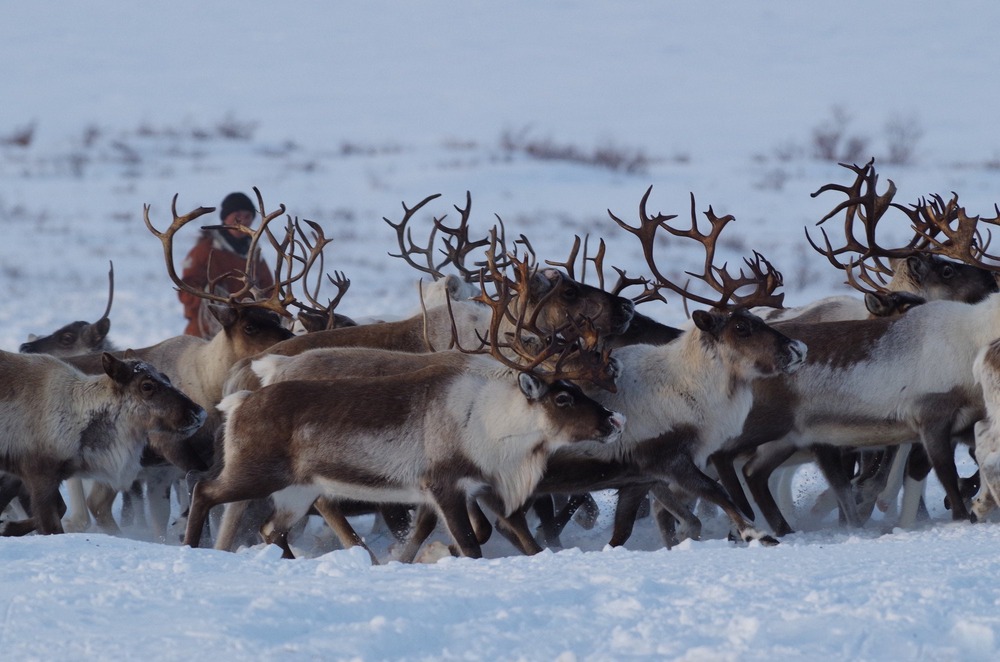
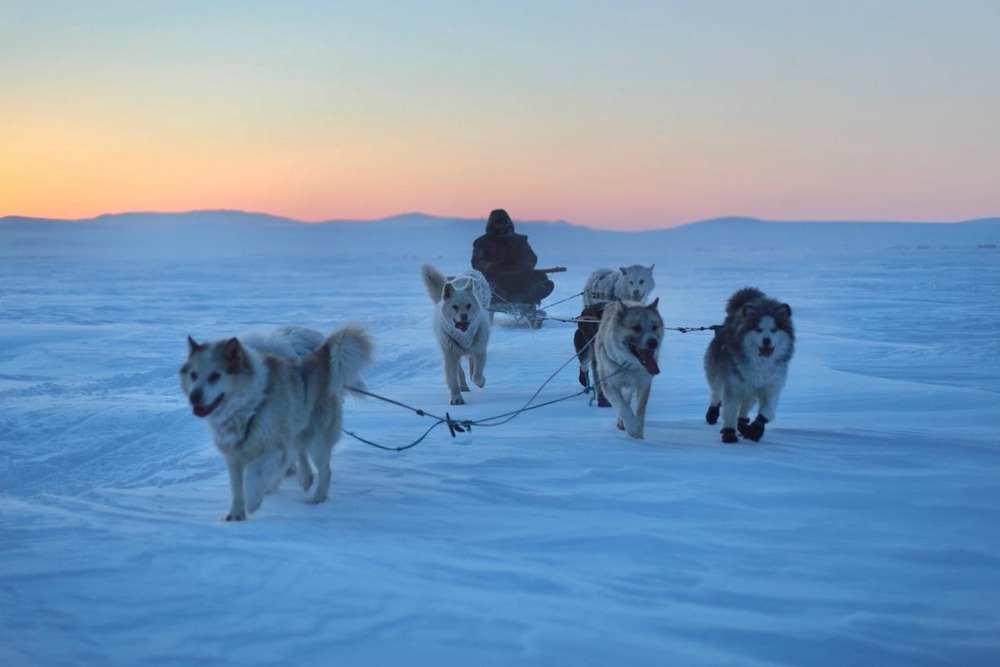
The Chukotka Sled Dog (also called the Chukchi sled dog) is an Indigenous sled dog type from Russia’s far north east, developed and maintained by Chukchi communities for practical travel and hauling in Arctic conditions.1, 2
- Group and “type”: Working sled dog, spitz type
- Typical size: Medium to large, often around 53 to 65 cm at the withers (standards and real-world dogs vary)1
- Coat: Thick double coat, seasonal shedding
- Build: Athletic and efficient for distance rather than bulk
- Climate comfort: Generally cold-tolerant, often more at risk in heat than many short-coated breeds5
Because this is a regional and historically local breed, you will sometimes see a wide range of descriptions online. It is worth treating neat numbers (height, weight, lifespan) as guides, not guarantees, and focusing on the traits that affect day-to-day life: stamina, coat, sociability in groups, and sensitivity to hot weather.
Origins and cultural context
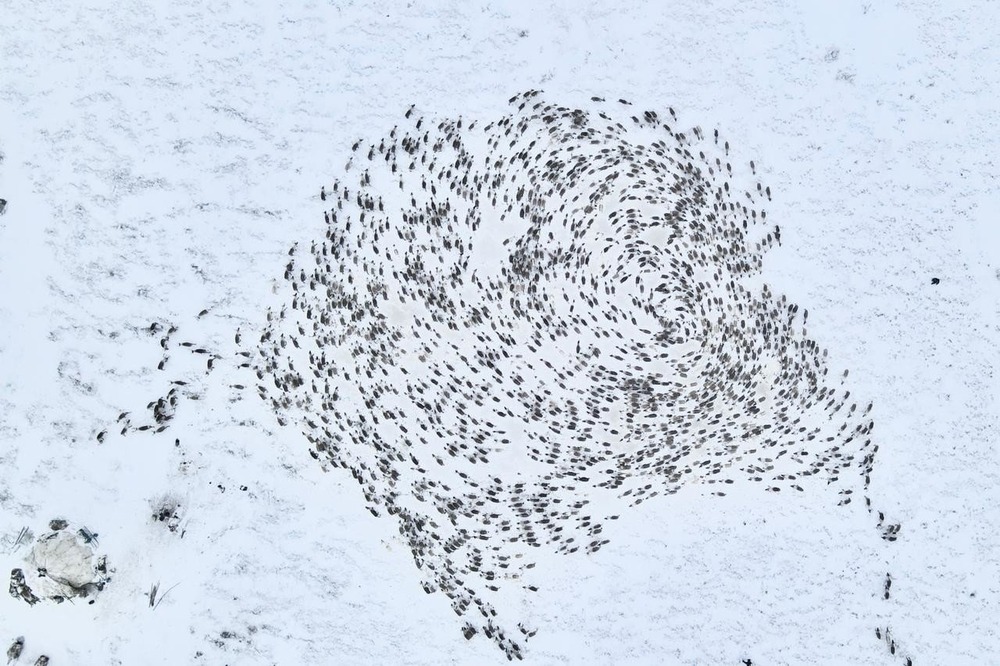
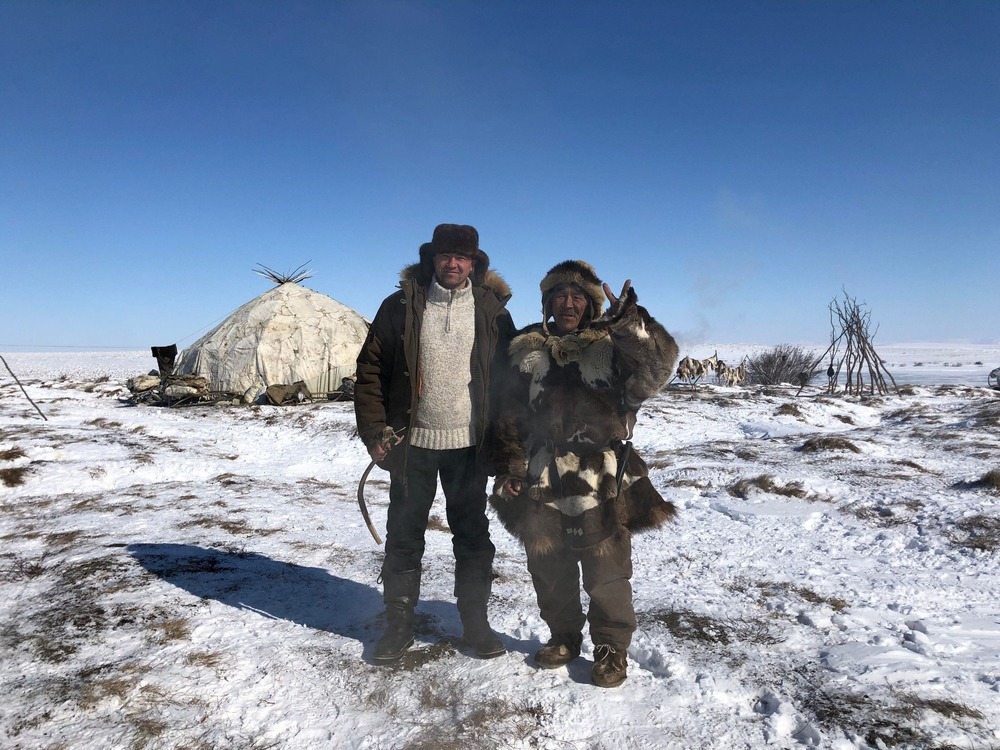
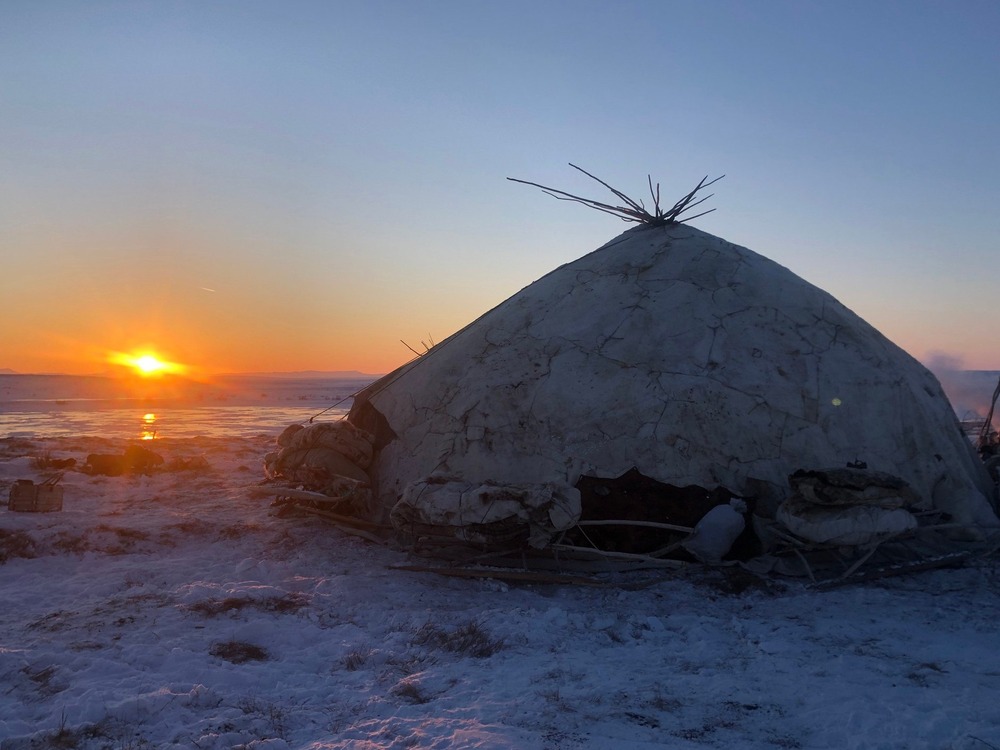
The Chukotka Sled Dog is strongly associated with the Chukchi people of the Chukotka Peninsula. Historically, teams were used for travel and for hauling during subsistence activities in extreme conditions, including work on sea ice.1
In the late 1800s and early 1900s, dogs from north east Siberia were exported to Alaska, influencing what later became known as the Siberian Husky in North America. That connection is part of why names and histories get blurred in casual breed talk.2
The 20th century brought major disruption to traditional sled dog populations across the Arctic, including sharp declines linked to mechanised transport and other pressures. More recent efforts have focused on documenting and conserving remaining sled dog populations and their genetic histories.3
Temperament and what “sled dog social” really means
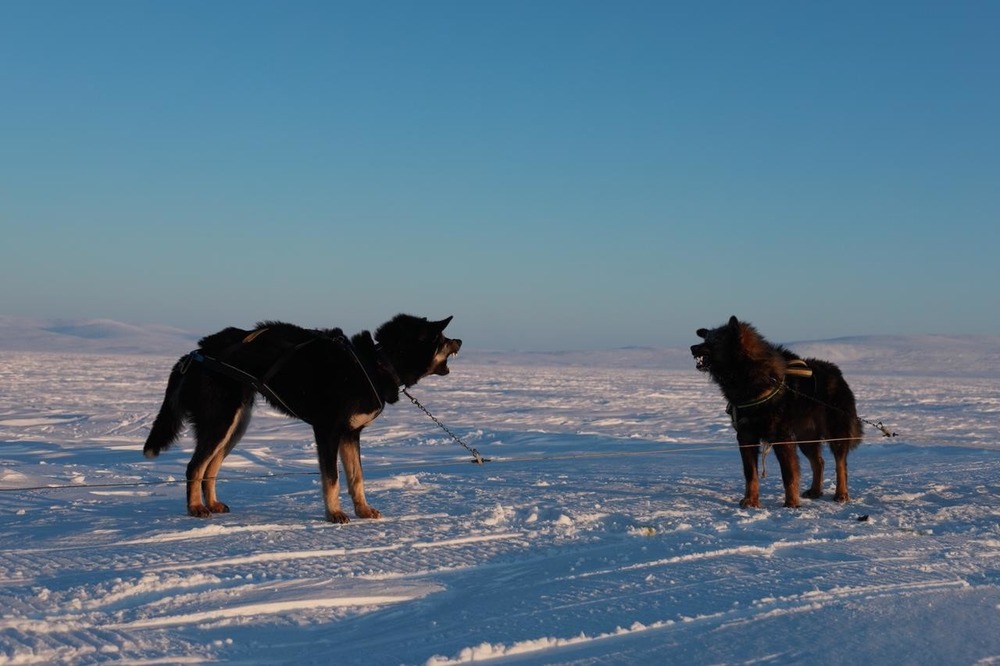
Well-bred, well-raised sled dogs are often selected for being workable in teams, which can translate to a dog that copes better with other dogs than many people expect. That does not automatically mean “easy with every dog” or “safe with every small pet”. It means they are shaped by a history where cooperation mattered.
In a modern household, you might see a mix of traits that can surprise first-time northern breed owners:
- High stamina, even if the dog seems calm indoors after adequate exercise
- Independent problem-solving, which can look like stubbornness when training is unclear
- Comfort with routine, especially around movement, feeding, and rest
If you are thinking about children and visitors, the practical question is usually not “Is this breed good with kids?”, but “Can we support predictable interactions and safe boundaries?” Socialisation, supervision, and giving the dog a quiet retreat area do more than any breed label.
Training: reward-based, consistent, and built for real life
With intelligent working dogs, training tends to go best when it feels like a shared project rather than a contest. Reward-based training is widely recommended because it builds reliable behaviour without relying on intimidation or pain, and it supports a better relationship between dog and handler.4
For a sled dog type, a few themes come up again and again in practice:
- Start early with handling, gentle body checks, and calm settling skills
- Make recall training realistic, practise on long lines before trusting off-lead freedom
- Teach “switch-off” behaviours (settle on a mat, wait at doors), not just active commands
If you are working through pulling on lead, chasing wildlife, or reactivity around other dogs, it can help to find a trainer who can explain the “why” behind a plan, not just the steps. The goal is a dog that understands what earns reinforcement, and an owner who can maintain it on tired weekdays as well as good weekends.
Exercise and enrichment: meeting the engine, not just the legs
These dogs are associated with distance and endurance. In a suburban setting, “a walk” can be enough for some individuals, but many will do better with a mix of movement and mental work spread across the day.
Useful options often include:
- Long, steady walks where the dog can sniff and explore
- Hiking in cooler weather, with water and rest breaks
- Puzzle feeding and scent games at home
- Structured pulling sports only if you can do them safely and responsibly
When people struggle with northern breeds, it is often because they try to “wear the dog out” with endless high-intensity activity. That can create a fitter dog who needs even more. It is usually more effective to balance purposeful exercise with calm routines and recovery time.
Heat safety: the issue many owners underestimate
Cold-adapted, double-coated dogs can struggle in hot and humid conditions, particularly if exercise happens at the wrong time of day. Australian summers can be unforgiving, and it pays to be conservative with heat exposure.5
Practical habits that reduce risk include:
- Walk early morning or late evening, and avoid the hottest part of the day5
- Check pavement temperature with the “five second” hand test before walking on bitumen5
- Provide shade, ventilation, and multiple water sources on hot days5
If you ever suspect heatstroke, start cooling with tepid or cool water and seek veterinary care urgently. Avoid ice-cold water or ice baths unless a vet advises it, as rapid constriction of blood vessels can be unhelpful in some cases.5
Health considerations: what to watch for over time
It is tempting to call any working dog from harsh conditions “naturally healthy”, but individual dogs still vary, and modern pressures (diet, exercise surfaces, heat, and breeding decisions) matter. Discuss screening and preventative care with your vet, particularly if you are buying a puppy and can ask what health checks the breeder uses.
Joint issues like hip dysplasia are a common consideration across many medium to large dogs. Keeping your dog lean, building fitness gradually, and avoiding repetitive high-impact activity during growth are practical protective steps.6
Routine care still does most of the heavy lifting: parasite prevention, dental care, vaccination guidance, and regular veterinary exams. For active dogs, it also helps to get comfortable doing brief home checks of paws, nails, ears, and coat after outings.
Coat care and grooming: working with a double coat
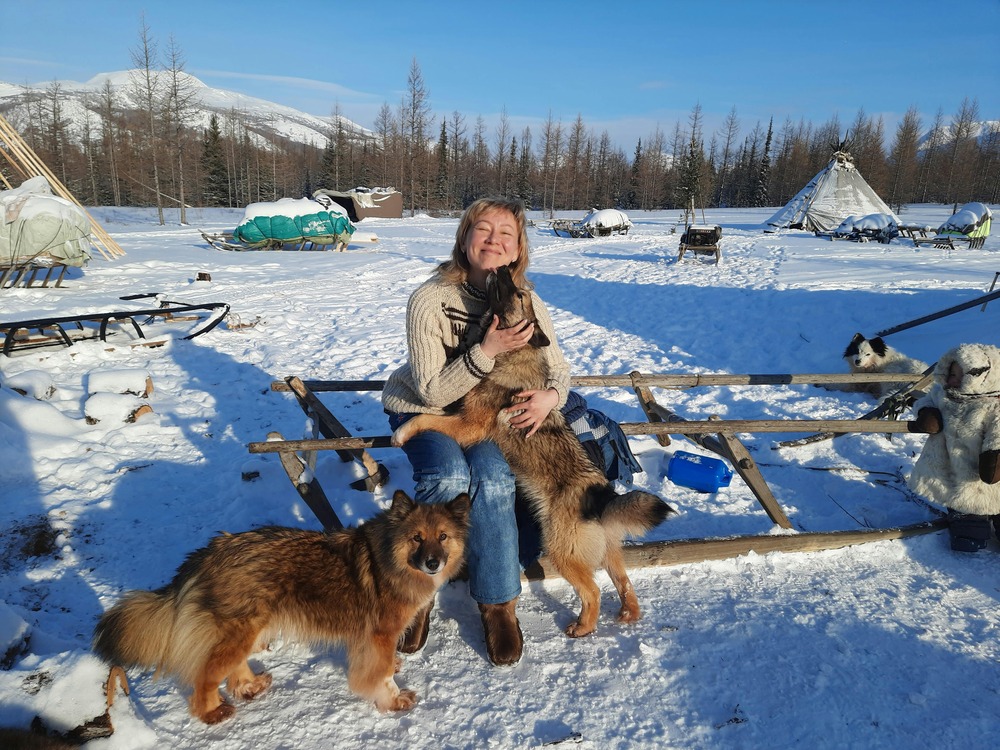
A thick double coat is practical in snow and wind, but it also means seasonal shedding. Most owners do well with regular brushing and a willingness to do more during coat blows.
Good basics include:
- Weekly brushing most of the year, increasing frequency during seasonal shed
- Undercoat rake or slicker brush used gently, especially behind ears and along the trousers
- Nail trims and paw pad checks, particularly if the dog runs on abrasive surfaces
Some people assume shaving a double-coated dog will keep them cooler. Often, the coat helps with insulation from heat as well as cold, and shaving can increase sunburn risk and interfere with coat regrowth. If you are worried about heat, focus on shade, timing of exercise, hydration, and airflow rather than coat removal.5
Feeding and nutrition: fuel the lifestyle, protect the joints
Working and high-energy dogs need an appropriate diet, but “more protein” is not always the whole answer. Calories, digestibility, and the overall balance of nutrients matter, as does keeping your dog in a healthy body condition.
If you want a steady, practical approach:
- Choose a complete and balanced diet appropriate for the dog’s life stage
- Adjust portions to keep a lean body condition, especially for joint health
- Use treats strategically in training, then account for them in daily intake
If you are considering raw feeding, home cooking, or supplements, it is worth checking guidance from veterinary nutrition organisations and asking your vet, particularly for growing dogs and highly active adults.7
Final thoughts
The Chukotka Sled Dog sits at the intersection of culture, climate, and practical work. They are often admired for endurance and steadiness, but what tends to shape success in a home is simpler: consistent routines, thoughtful training, enough daily purpose, and careful heat management.
If you are drawn to this kind of dog, it helps to look past the romantic idea of “sled dog toughness” and think about the everyday reality. When their needs are met, many people find they get a companion that is both capable and quietly rewarding to live with.
References
- Wikipedia: Chukotka sled dog
- Wikipedia: Siberian Husky (history and origins)
- Oxford Academic (Genome Biology and Evolution): Comparative Population Genomics of Arctic Sled Dogs Reveals a Deep and Complex History
- RSPCA ACT: Dog Training School (reward-based training)
- RSPCA Australia: Keeping your pet safe during the heat
- American Veterinary Medical Association (AVMA): Hip dysplasia in dogs
- WSAVA: Global Nutrition Guidelines
- RSPCA Pet Insurance: Heatstroke guide for cats and dogs
- RSPCA Pet Insurance: Positive reinforcement training