

People often come across the Cimarrón Uruguayo by noticing a solid, athletic dog with a calm, watchful presence, the sort of dog that looks like it has a job even when it is resting. Sometimes it is a photo from Uruguay, sometimes it is a mention in a working dog forum, and the first question is usually simple: what is this breed, and what are they like to live with?
The second question tends to follow quickly, because the Cimarrón is not a “plug and play” companion. They can be steady, loyal and deeply capable, but they are also built for demanding work, with the independence and physical power that comes with that background. That combination can be brilliant in the right home, and difficult in the wrong one.
Getting to know this breed properly matters in everyday terms, like whether your fencing is up to it, whether your training approach will build trust, and whether you actually enjoy the daily routine of exercise and management a strong guardian type dog needs.
- Breed category: Working dog (guardian, herding and general farm work)
- Country of origin: Uruguay1, 2
- Typical height: Males about 58 to 61 cm, females about 55 to 58 cm (varies by standard)
- Typical weight: Males about 38 to 45 kg, females about 33 to 40 kg (varies by standard)
- Life expectancy: Commonly around 10 to 14 years (individual variation is normal)
- Coat type: Short, dense, close fitting
- Common colours: Brindle and shades of fawn, often with a dark mask, limited white markings may be permitted in some standards3
- Exercise needs: High, daily physical and mental work
- Grooming needs: Low to moderate, occasional brushing
- Best suited to: Experienced owners with space, structure, and an interest in training
Where the Cimarrón Uruguayo came from
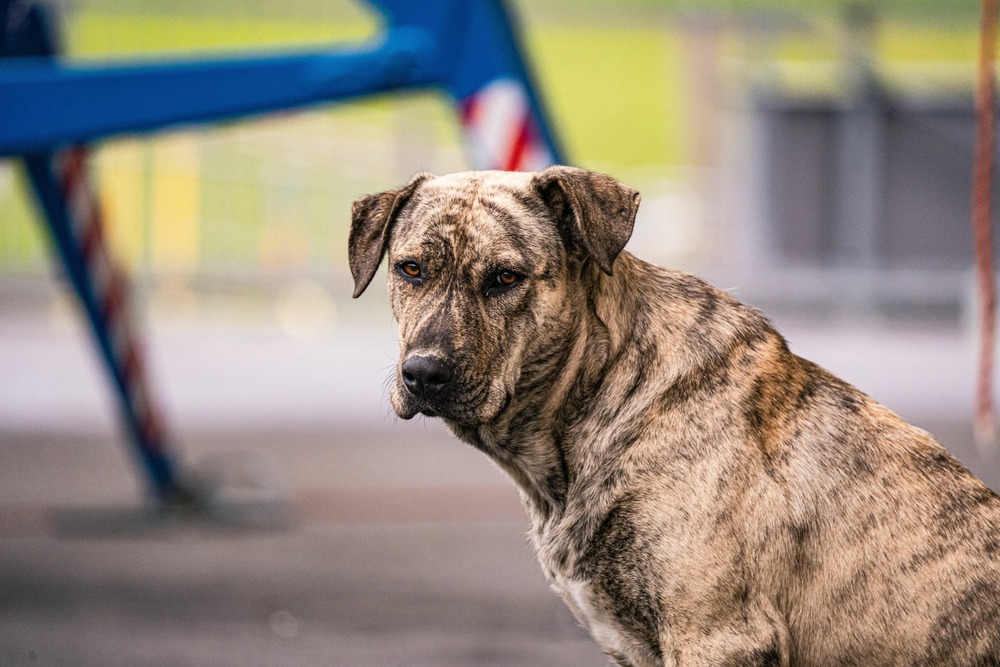
Most accounts of the Cimarrón Uruguayo begin with free roaming dogs in Uruguay, descended from dogs brought by Spanish and Portuguese settlers. Over time, the dogs that coped best with the local conditions survived and reproduced, which shaped a type that was hardy, physically capable, and quick to learn from its environment.2, 4
As rural communities recognised their usefulness, dogs were captured, tamed and put to work. That shift from feral survival to structured farm life is still written into the breed’s general style: they tend to be observant, self possessed, and inclined to make decisions rather than waiting for constant guidance.4
In Uruguay, the Cimarrón has become a cultural symbol as well as a practical dog. They are often described as part of the country’s working heritage, and they have also been used as a mascot by the Uruguayan Army.2
On the formal side, the breed is recognised by the Fédération Cynologique Internationale (FCI). It was provisionally accepted on 21 February 2006 and definitively accepted on 7 November 2017, with an updated standard published more recently.1
What they look like in real life
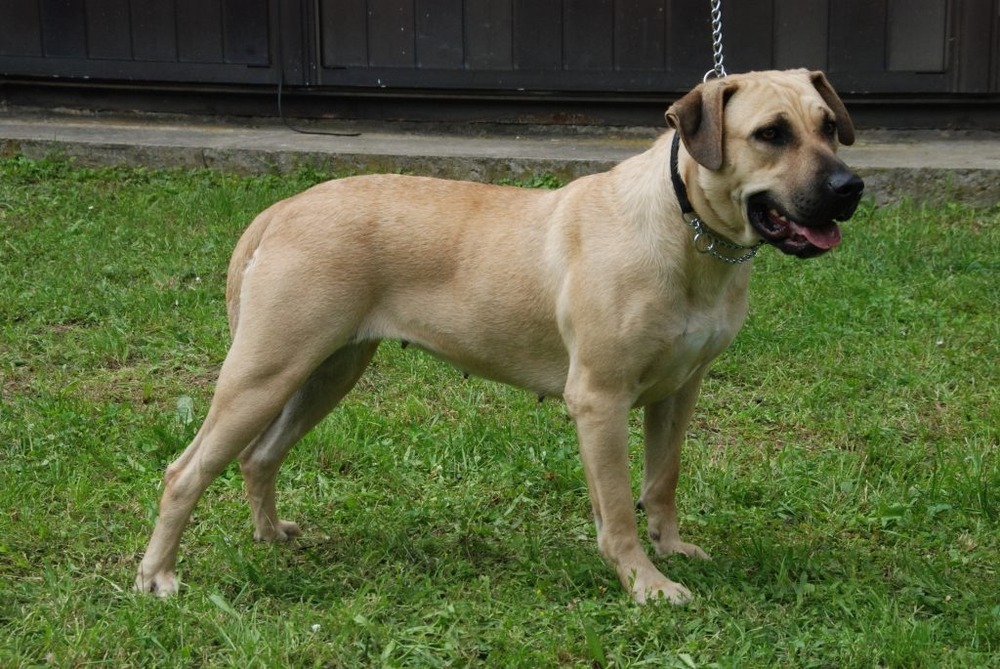
The Cimarrón Uruguayo is a compact, muscular dog with an athletic outline rather than a heavy one. Breed standards consistently describe a strong body, substantial bone, and a short coat that sits close to the skin, practical for a dog expected to move through scrub and varied weather.3
Colour is usually brindle or fawn, often with a dark mask. Ears may be natural, and in some parts of the world you may see cropped ears, but the key point is that cosmetic ear cropping is illegal in Australia and should not be sought or normalised as “just how they look”.5
If you are meeting one in person, pay attention to how the dog carries itself. Many Cimarróns have an alert stillness, a habit of watching before engaging. That is not the same thing as aggression, but it does mean they are often more discerning than a breed that welcomes every stranger by default.
Temperament, instincts, and what owners often misread
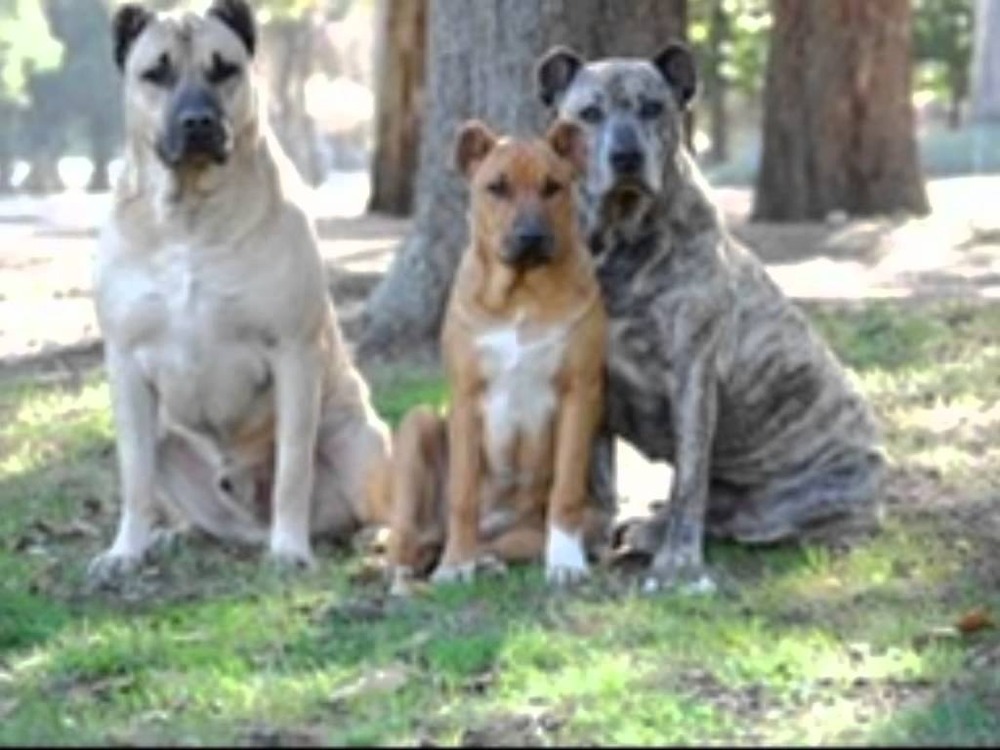
Most standards and breed descriptions emphasise intelligence, courage, and a natural guarding tendency.1, 3 In a home, that often shows up as a dog who notices changes quickly, is selective about unfamiliar people, and becomes deeply attached to a familiar routine.
A common misunderstanding is to label this as “dominance” or to assume the dog needs harsh handling. In practice, strong working breeds often do better when the human provides clear boundaries and predictable cues, then rewards the behaviour they want repeated. The dog learns the household pattern, and the household learns what reliably keeps the dog settled.
With children, the Cimarrón can be steady, but their size and power matter. Supervision is sensible, not because the breed is inherently unsafe, but because any strong dog can accidentally bowl a child over, and because kids can miss early signs of discomfort or overstimulation.
With other pets, outcomes vary. Early socialisation helps, but it is not a magic wand. If you are bringing a Cimarrón into a multi pet home, think in terms of management as well as training: gradual introductions, safe separation options, and a plan for how feeding and toys are handled so the dog is not rehearsing conflict.
Training and exercise that actually suits the breed
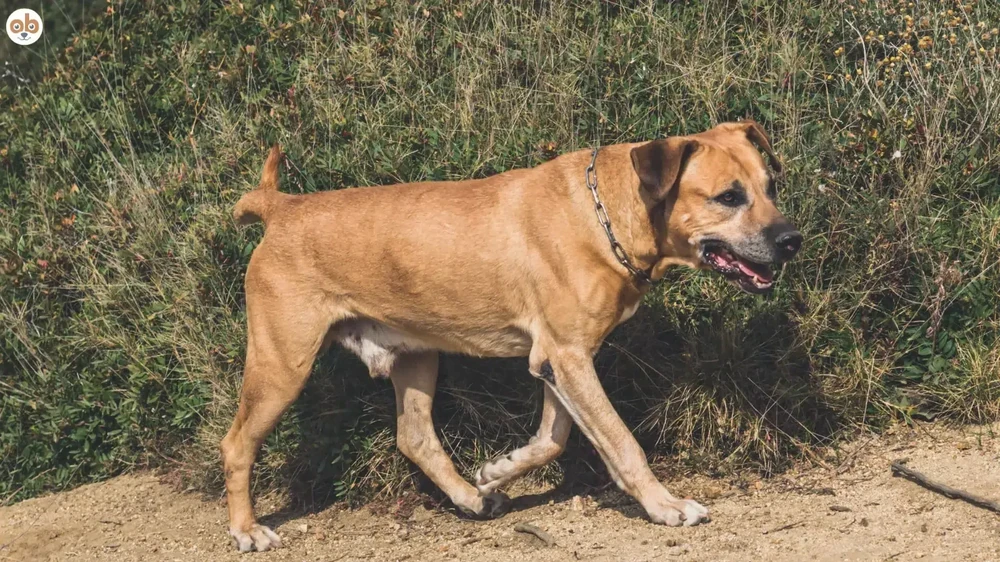
Cimarróns generally thrive when their day includes both movement and purpose. A long stroll alone is rarely enough. They tend to do best with a mix of brisk walking, training games, scent work, structured play, and real world skills like calm greetings and settling on a mat.
For training, it is hard to overstate the value of reward based methods. Australian animal welfare guidance supports positive reinforcement approaches and cautions against aversive tools and punishment, which can create fallout like fear, avoidance and defensive behaviour.6, 7
If you are working on guarding related behaviour, focus on what you want the dog to do instead of what you want them to stop. For example, teach a “go to bed” cue, reinforce quiet observation, and build a strong recall. The goal is not to remove the dog’s instincts, but to make those instincts manageable in a modern neighbourhood.
- Start early, but go slowly: socialisation is about positive, controlled exposure, not flooding the dog with experiences.
- Practise calmness daily: teach settling, waiting, and switching off, especially in adolescence.
- Use equipment thoughtfully: sturdy harnesses, long lines for training, and secure fencing are practical supports, not “cheats”.
Health considerations and responsible breeding
The Cimarrón is often described as robust, but large, athletic dogs can still be prone to orthopaedic issues. Hip dysplasia is a well known concern across many larger breeds, influenced by genetics and environment, with joint laxity and progressive arthritis being key features.8
From a buyer’s perspective, one of the most practical safeguards is to seek breeders who screen breeding dogs. Organisations like the Orthopedic Foundation for Animals explain how hip evaluations are performed and recorded, and why results matter for long term soundness.9
Day to day, keeping your dog lean is not just about appearance. Healthy body condition reduces stress on joints and supports movement across the dog’s lifespan. Veterinary nutrition guidelines also emphasise routine nutritional assessment and monitoring, which is especially relevant for energetic dogs that can swing between “too thin” and “too heavy” depending on exercise and feeding habits.10
Coat care, grooming, and everyday maintenance
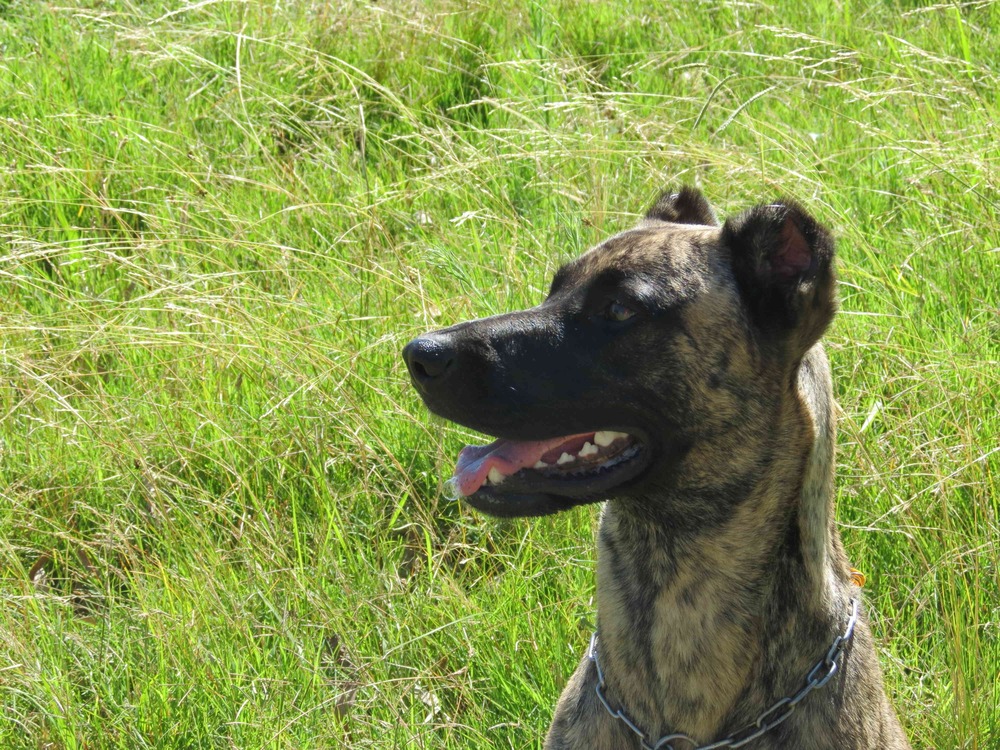
The short coat is fairly straightforward. Occasional brushing helps remove loose hair and gives you a chance to check skin, paws and ears. Many owners find that grooming is less about “making the coat look nice” and more about building calm handling skills that pay off at the vet or groomer.
Focus on the basics: nails kept short enough to support comfortable movement, teeth brushed as a habit rather than a crisis response, and ears checked routinely, especially after swims or dusty outings.
If you are adopting an adult dog who is not used to being handled, take your time. A few minutes of gentle, rewarded handling practice can do more than a once a month wrestle that leaves everyone tense.
Is the Cimarrón Uruguayo right for your home?
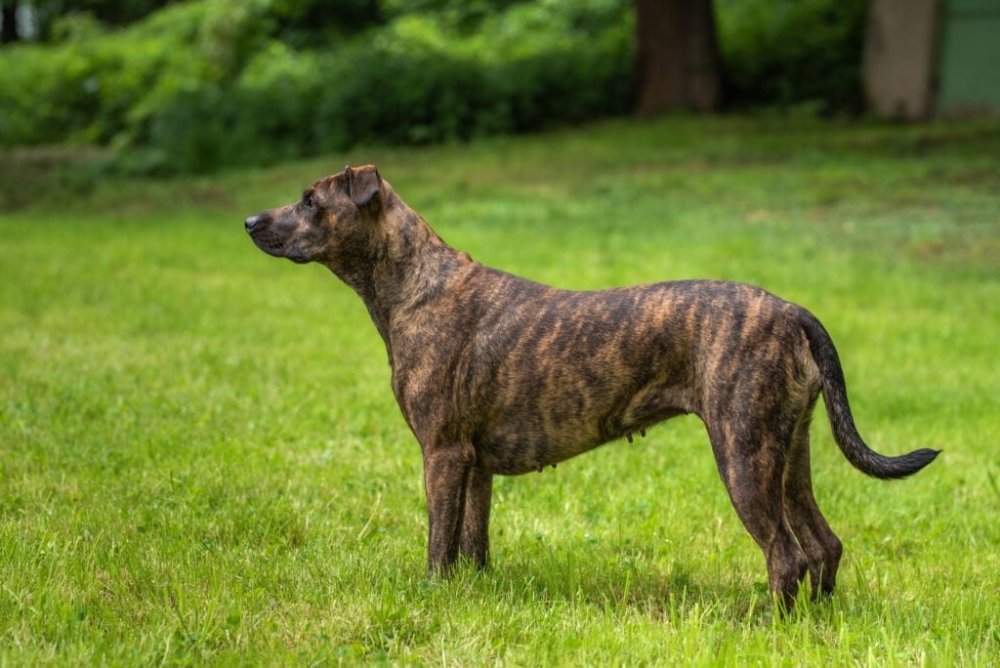
This is a breed that tends to suit people who like training, enjoy daily activity, and feel comfortable setting structure without resorting to force. In the right environment, they can be devoted, reliable companions with real working ability.
They are usually not ideal for apartment life, not because they cannot settle indoors, but because they benefit from space, secure boundaries, and regular outlets for exercise and mental work. A bored, under exercised guardian type dog can become noisy, pushy, or simply hard to live with.
If you are still unsure, it can help to speak with breed clubs and experienced trainers, and to spend time with the dogs if possible. With the Cimarrón, good fit matters more than good intentions.
References
- Fédération Cynologique Internationale (FCI): Cimarrón Uruguayo (Breed No. 353)
- Wikipedia: Cimarrón Uruguayo (overview and history)
- United Kennel Club (UKC): Cimarron Uruguayo Breed Standard
- Sociedad de Criadores de Cimarrón Uruguayo: Breed standard and historical summary (Spanish)
- RSPCA Australia Knowledgebase: Is ear cropping of dogs legal in Australia?
- RSPCA Australia: The do’s and don’ts of training your dog
- RSPCA Australia Knowledgebase: Training recommendations and avoiding aversive techniques
- American College of Veterinary Surgeons (ACVS): Canine Hip Dysplasia overview
- Orthopedic Foundation for Animals (OFA): Hip Dysplasia and screening
- WSAVA: Global Nutrition Guidelines and body condition scoring resources