

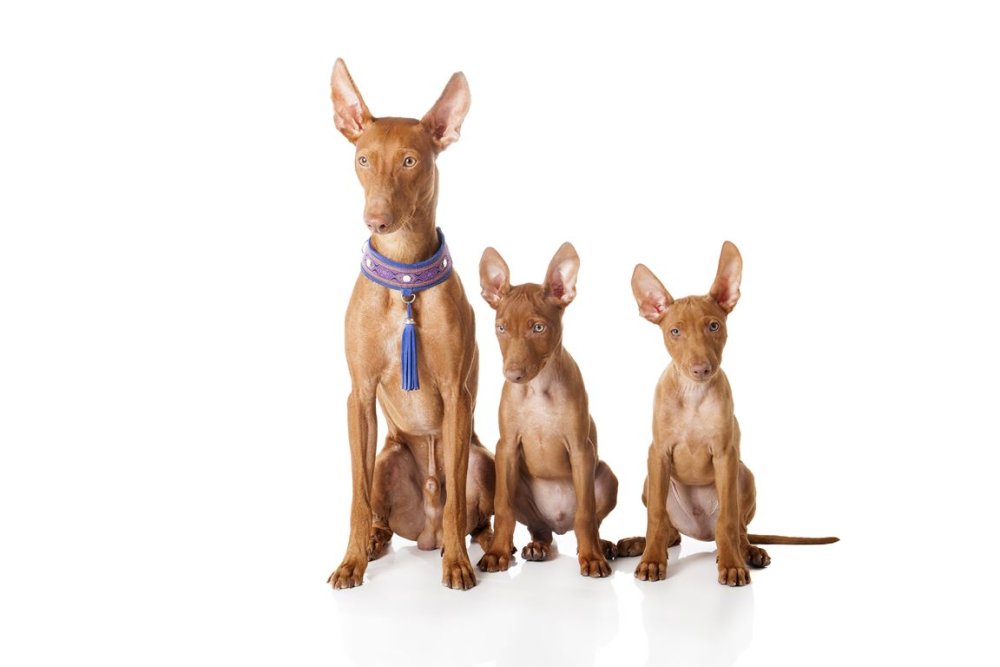
People often come across the Cirneco dell’Etna in a photo first, those upright ears, the fine-boned frame, the bright, watchful expression, and assume they are looking at a miniature Greyhound, or even a “Pharaoh Hound” type with a tidy backstory borrowed from ancient Egypt.
Then you meet one, or talk to someone who lives with one, and the picture changes. This is a small hunting hound shaped by Sicily: quick over rough ground, keen-nosed, and typically quite independent in the way many sighthound-like dogs are. The Cirneco can be affectionate and very companionable, but it is rarely a “do whatever you say” breed.
Understanding what the Cirneco was built to do matters in daily life. It helps you make sense of the dog who can look relaxed at home, then light up instantly when a bird flicks across the fence line, or the dog who loves a sprint but still wants a soft place to curl up when the weather turns cool.
- Breed category: Hound
- Country of origin: Italy (Sicily)
- Height: About 42 to 50 cm at the shoulder
- Weight: Commonly around 8 to 12 kg
- Life expectancy: Often 12 to 15 years
- Coat: Short, sleek
- Exercise needs: High, daily movement plus mental engagement
- Grooming needs: Low, occasional brushing
- Cold sensitivity: Often sensitive to cold and wet conditions
History and origin in Sicily

The Cirneco dell’Etna is strongly associated with the landscapes around Mount Etna, where small game hunting has long been part of rural life. Breed histories often reach for dramatic origin stories, but the most useful way to think about the Cirneco is as a local working hound that stayed relatively consistent because it kept doing the job it was valued for: hunting, often on hot, uneven, lava-strewn ground.2, 3
There is good evidence that dogs of this type have been depicted in Sicily for a very long time, including on ancient coinage. That does not prove the modern Cirneco is “unchanged since antiquity”, but it does support a long regional tradition of prick-eared hunting dogs that look broadly similar to today’s Cirneco.4
If you have heard that the Cirneco is “from ancient Egypt”, treat that as a romantic shorthand, not a settled fact. Researchers and breed historians tend to describe Mediterranean hunting dogs as a web of related types shaped by trade, geography, and function, not a single straight line back to one place.2, 5
What the Cirneco looks like, and why it matters
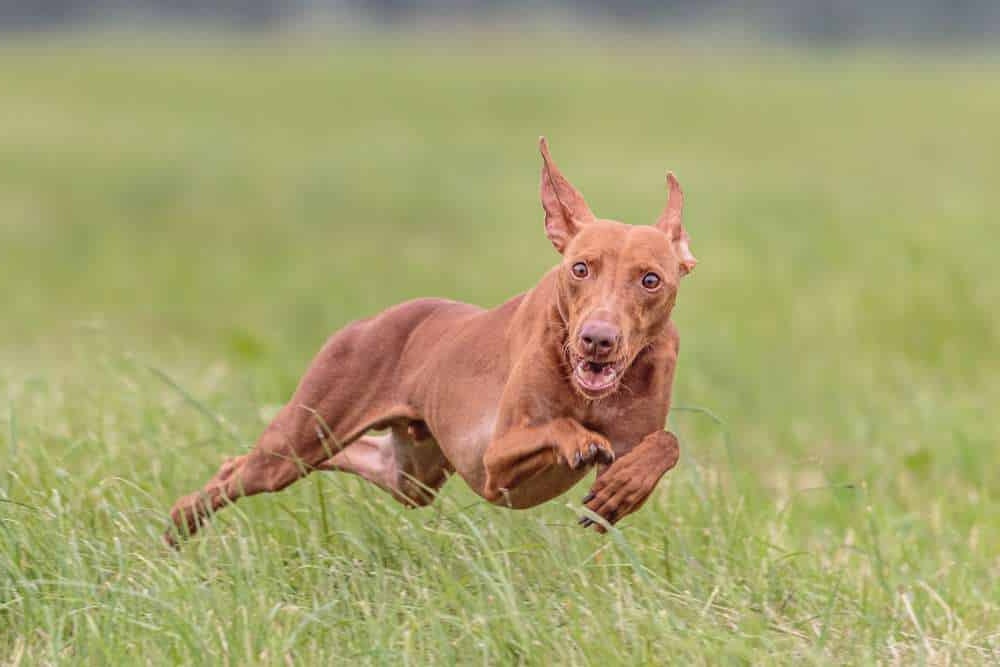
The Cirneco is a medium-small hound with a lean, athletic build, a short coat, and the kind of clean outline people often associate with sighthounds. Coat colours are commonly light sand through to tan, sometimes with white markings. The overall impression is light on the feet, built for efficient movement rather than bulk.2
Those large, upright ears and the narrow head are not just “pretty features”. They suit a dog that needs to scan and listen, then react quickly. In day-to-day life, it often shows up as a dog who notices small changes in the environment and can become stimulated by movement, scent, or sudden sounds.
The short coat is easy care, but it also explains why many Cirnechi appreciate warmth. In cool or wet weather, you may find they do best with a coat for walks and a warm sleeping spot indoors.6
Temperament and behaviour in real homes
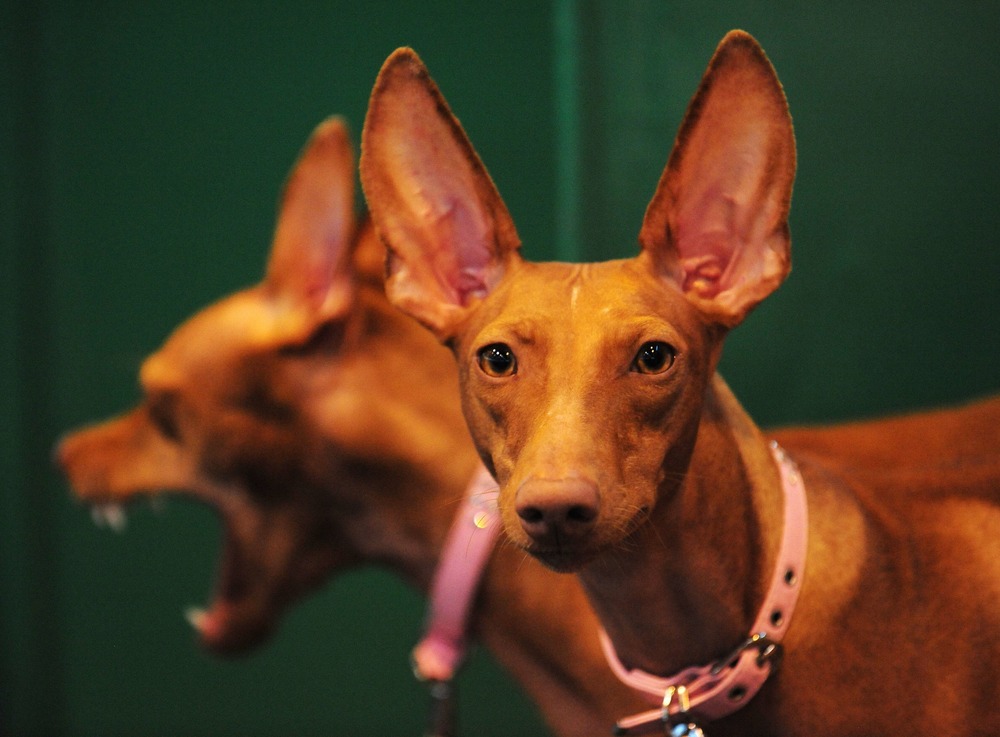
Well-bred, well-socialised Cirnechi are often affectionate with their people and can be wonderfully companionable. At the same time, many have a distinctly hound-like independence. That combination can confuse owners who expect constant eagerness to please. A better expectation is co-operative rather than compliant.
Prey drive varies by individual, but it should be taken seriously. Even a Cirneco who is gentle at home can be highly motivated to chase when something small runs. This is not “naughtiness”, it is a normal expression of hunting heritage. It affects choices like off-lead access, fence security, and how you introduce the dog to pocket pets or free-ranging cats.
With children, the Cirneco tends to do best with calm, respectful handling and sensible supervision, as with any breed. Their lean build means rough play can easily become uncomfortable. With other dogs, many do well, especially if they have grown up around other social dogs and have good early experiences.
Training and exercise, making it workable

Cirnechi are typically smart and quick to learn, but motivation matters. They often respond best to reward-based methods that keep sessions short, clear, and genuinely worthwhile. If training becomes repetitive or heavy-handed, many will simply disengage. The practical goal is reliable life skills, not perfection.
Early socialisation helps, but it is most effective when it is structured and kind. Think steady exposure to everyday experiences, surfaces, sounds, visitors, other dogs, and calm handling, rather than flooding a puppy with chaotic situations. Puppy preschool can help if it is well-run and focuses on safety and learning, not just play.7
For exercise, most Cirnechi need daily movement plus something that uses the brain. Many enjoy:
- Long, sniffy walks where they can investigate scents
- Short bursts of running in a safely enclosed area
- Reward-based recall games (with realistic expectations outdoors)
- Scent work or “find it” games that channel hunting instincts
Apartment living can work if you genuinely meet those needs. What tends to undo people is not space, but boredom, lack of outlet, and too many off-lead assumptions.
Health and lifespan
Cirnechi are generally described by breed clubs as a robust breed, and many live into their early to mid-teens.6 Like all dogs, they still benefit from routine preventive care, thoughtful breeding practices, and an owner who notices small changes early.
Rather than listing a long set of “common diseases” without good evidence, it is more honest to say this: in a relatively uncommon breed, data can be limited, and patterns may vary by country and breeding lines. Your veterinarian is the best partner for tailoring screening and care to your dog’s age, lifestyle, and individual risk.
Simple, high-impact habits include:
- Keeping a lean body condition, which supports joints and overall health
- Year-round parasite prevention suited to your area and activities
- Dental care at home, plus veterinary checks
- Prompt attention to skin irritation or recurring ear issues
Grooming and day-to-day maintenance
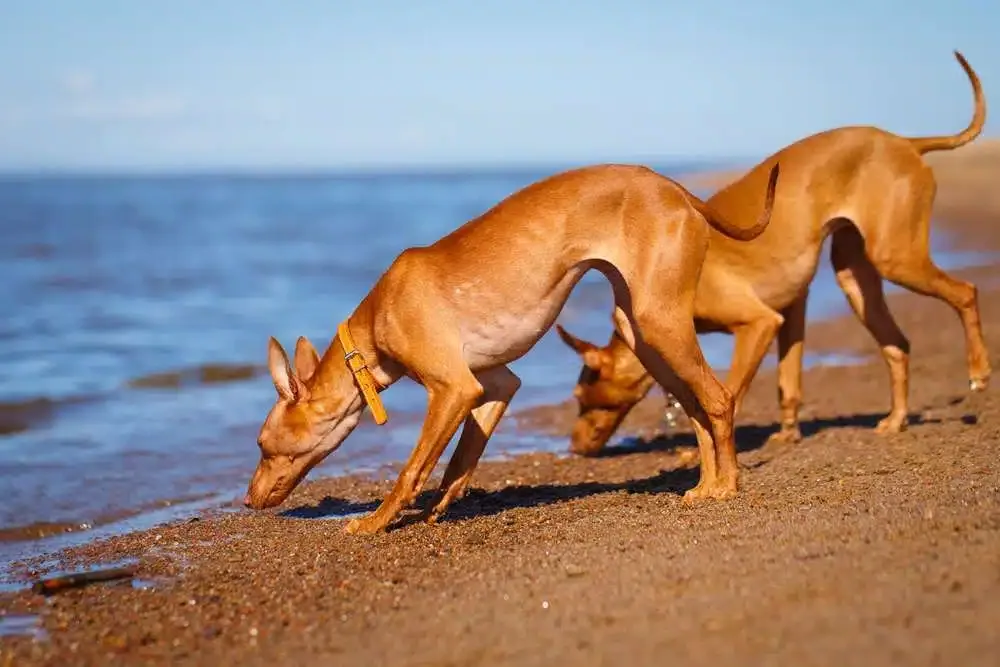
The Cirneco’s coat is easy to live with. A soft brush or grooming mitt once a week is usually enough to lift loose hair and keep the coat glossy. Baths can be occasional, more often if your dog rolls in something unpleasant, but frequent washing is rarely necessary.
Because the coat is short, grooming is also your chance to do a quick health scan. Look over the skin, check between toes after bush walks, and keep nails trimmed so the feet stay strong and comfortable.
Many owners find the biggest “maintenance” task is not grooming at all. It is management of stimulation: secure fencing, a long line for safe freedom, and thoughtful routines that prevent boredom. That is where this breed tends to thrive.
Diet and nutrition
A Cirneco does well on a complete and balanced diet appropriate for their life stage, size, and activity level. If you feed commercial food, look for a product that meets recognised nutritional standards, and be cautious about boutique claims that are light on evidence.8
Keep treats in proportion and use them strategically for training. In a lean, athletic breed, a little weight gain can show up quickly. If you want to feed fresh foods alongside a main diet, keep it simple and ask your vet how to do it without unbalancing the overall nutrients.
Some human foods are genuinely dangerous for dogs. If there is any doubt, check a reliable toxicology resource rather than relying on online lists.9
Kennel club recognition and breed standards
In the United States, the Cirneco dell’Etna gained full recognition by the American Kennel Club in 2015.1 In practical terms, this mainly affects eligibility for certain events and the availability of official AKC breed material, rather than changing what the dog is like to live with.
If you are reading breed standards, it helps to remember what they are for. They describe an idealised physical model, but your day-to-day experience will be shaped more by temperament, early social learning, health, and whether the dog’s instincts have a sensible outlet. The best breeders tend to care about all of those things, not just appearance.
Final thoughts
The Cirneco dell’Etna suits people who enjoy a dog with a bit of independence and a lot of awareness. They are often affectionate without being clingy, active without needing constant chaos, and sensitive enough to notice when the household rhythm changes.
If you can offer daily movement, calm training, and safe opportunities to sniff and run, the Cirneco can be a quietly remarkable companion. If you want a dog who will ignore wildlife, come back every time off lead, and happily exercise only around the block, it may be worth choosing a breed with a different set of instincts.
References
- American Kennel Club (AKC): The AKC Family Just Got Larger! (Cirneco dell’Etna full recognition)
- ENCI (Italian Kennel Club): Cirneco dell’Etna breed standard (FCI No. 199)
- Cirneco dell’Etna Club of America (CdECA): Breed standard and breed overview
- Cirneco history: Sicilian coin depictions and historical references
- Pharaoh Hound overview (notes on modern genetic distinctness from Cirneco dell’Etna)
- Cirneco dell’Etna Club (UK): Health and fitness overview
- RSPCA Australia: How can I socialise my puppy?
- WSAVA: Global Nutrition Guidelines
- ASPCA Animal Poison Control: Toxic substances and poison advice