

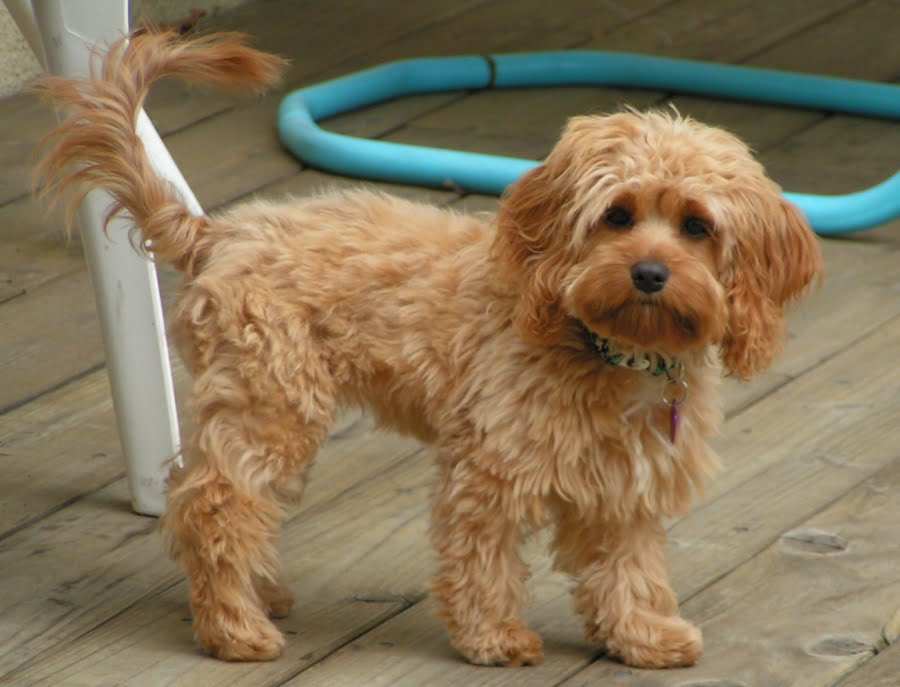
People often meet a Cockapoo in a park or at a friend’s place and come away thinking, “That dog feels easy to live with.” They tend to be small enough to fit into everyday life, sociable enough to cope with visitors, and bright enough to learn household routines quickly. Then the practical questions land, usually after a few weeks of living together: why does the coat tangle so fast, why do the ears seem to get grubby, and what does “low shedding” actually mean day to day?
It also helps to be clear about what a Cockapoo is, and what it is not. They are a cross between a Cocker Spaniel and a Poodle, and that mix can produce quite different coats, sizes, and energy levels from one dog to the next. That variability is part of the appeal, but it also explains why two Cockapoos can look and behave like they came from different worlds.
When people call Cockapoos “hypoallergenic”, they are usually noticing less loose hair on the couch, or fewer sniffles in the house. But allergies are complicated, and no dog is truly allergy-free. What you can do is understand the likely coat and care needs, and set your home, routine, and expectations up so the dog in front of you can thrive.
- Breed category: Crossbreed (Cocker Spaniel x Poodle)
- Origin: Popularised in the United States (often traced to the 1960s)1
- Typical height: About 25 to 38 cm at the shoulder (varies by parent size)
- Typical weight: About 5 to 11 kg (varies by parent size)
- Typical lifespan: Often 12 to 15 years
- Coat type: Wavy to curly, often fast-growing
- Shedding: Often lower than many breeds, but not “non-shedding”
- Exercise needs: Moderate daily exercise plus mental enrichment4
- Maintenance level: Moderate, largely due to grooming
History and what “Cockapoo” usually means
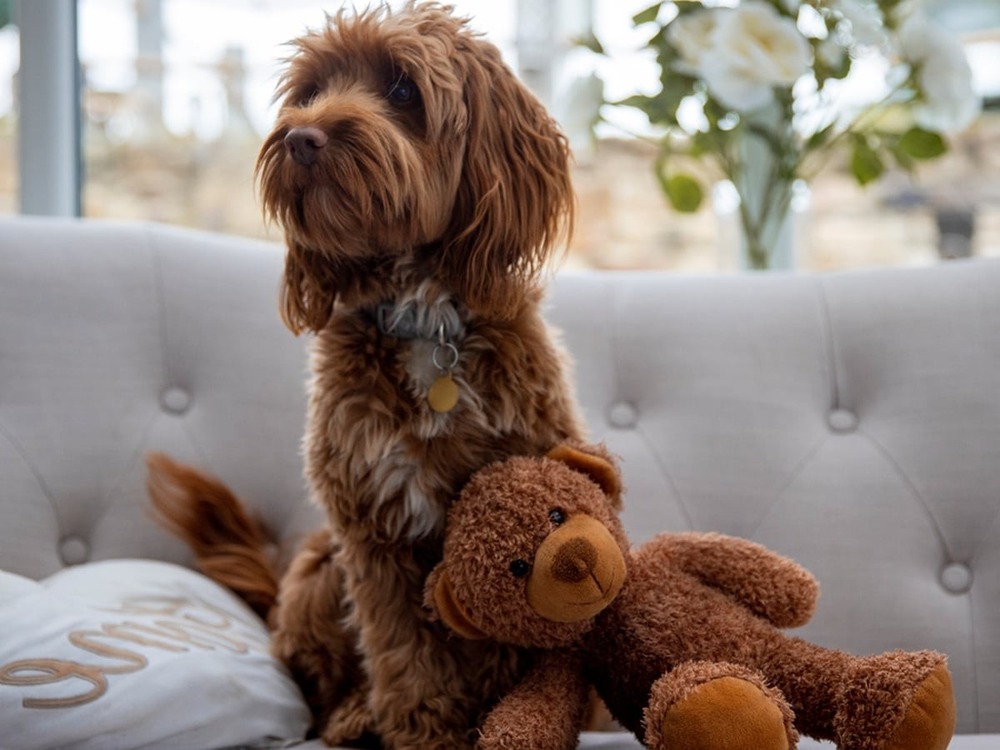
Cockapoos are widely described as one of the earlier “designer” crossbreeds in modern pet culture, with popularity growing in the United States in the 1960s.1 Over time, the name has been used for everything from first-generation crosses (Cocker Spaniel x Poodle) to multi-generation dogs bred Cockapoo-to-Cockapoo.
The important, everyday takeaway is that breed type does not guarantee consistency. Coat texture, adult size, and even how motivated a dog is by food or play can vary, especially when the breeding history is mixed. If you are choosing a puppy, meeting the parents (where possible) and asking direct questions about grooming and temperament matters more than any neat label.
In Australia, Cockapoos are not recognised as a pure breed by major kennel clubs, and that can affect how litters are bred, described, and sold. It does not make the dogs “less than”, but it does mean you need to do your homework on the breeder or rescue group, and prioritise health screening and early handling.
Size, coat, and the reality behind “low shedding”
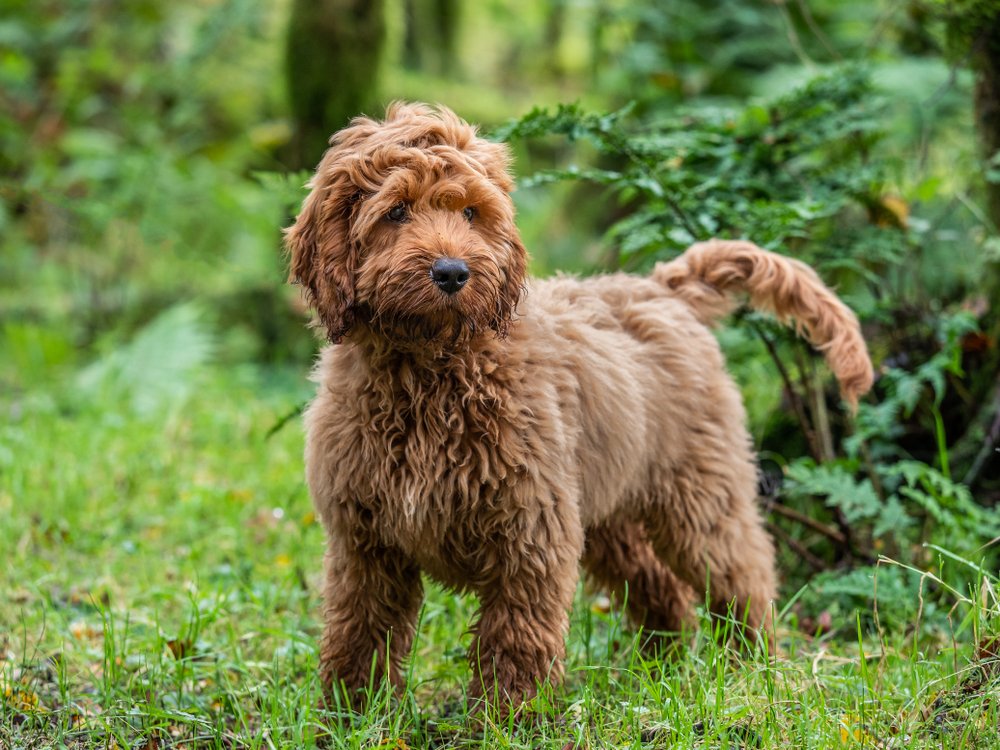
Most Cockapoos sit in the small to medium range, but there is genuine spread depending on whether the Poodle parent is toy, miniature, or standard. You will often see adults around 25 to 38 cm tall and roughly 5 to 11 kg, but individuals outside that bracket are not unusual.
The coat is where new owners feel the difference most. A curlier, Poodle-leaning coat often sheds less, but it can also mat more easily if it is left to tangle and felt. A wavier, Spaniel-leaning coat may drop a bit more hair, and it can still knot quickly around friction points such as the collar area, behind the ears, and under the legs.
It is worth holding two ideas at once: lower shedding can still mean high grooming. Regular brushing helps prevent mats and the skin irritation that can follow when the coat traps moisture and debris.2
Temperament and day-to-day behaviour
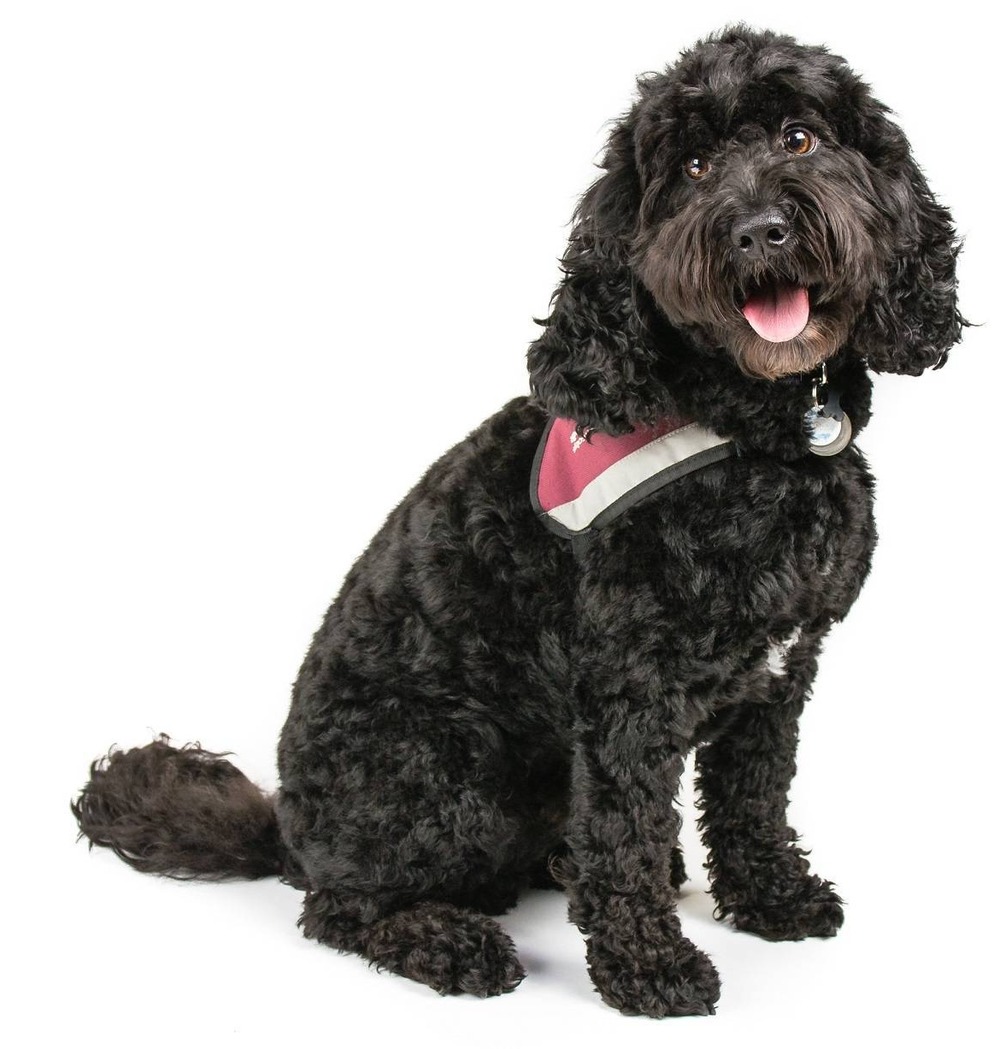
Cockapoos are commonly described as friendly, people-oriented, and quick to learn. In practice, many do enjoy being near their humans and will follow household patterns closely, which can be lovely companionship and, sometimes, a clue that they may struggle if left alone without preparation.
With children, the usual deciding factors are not “is this breed good with kids”, but whether the dog has been well socialised and gently handled, and whether the children have been taught how to approach and play appropriately. Small dogs can be more easily overwhelmed by rough pats, looming hugs, or unpredictable movement, even when they are generally tolerant.
With other pets, early introductions and calm, reward-based practice go a long way. Many Cockapoos do well in multi-pet households, but a lively youngster can annoy an older dog if everyone is expected to “sort it out” without guidance.
Training, enrichment, and exercise that actually helps
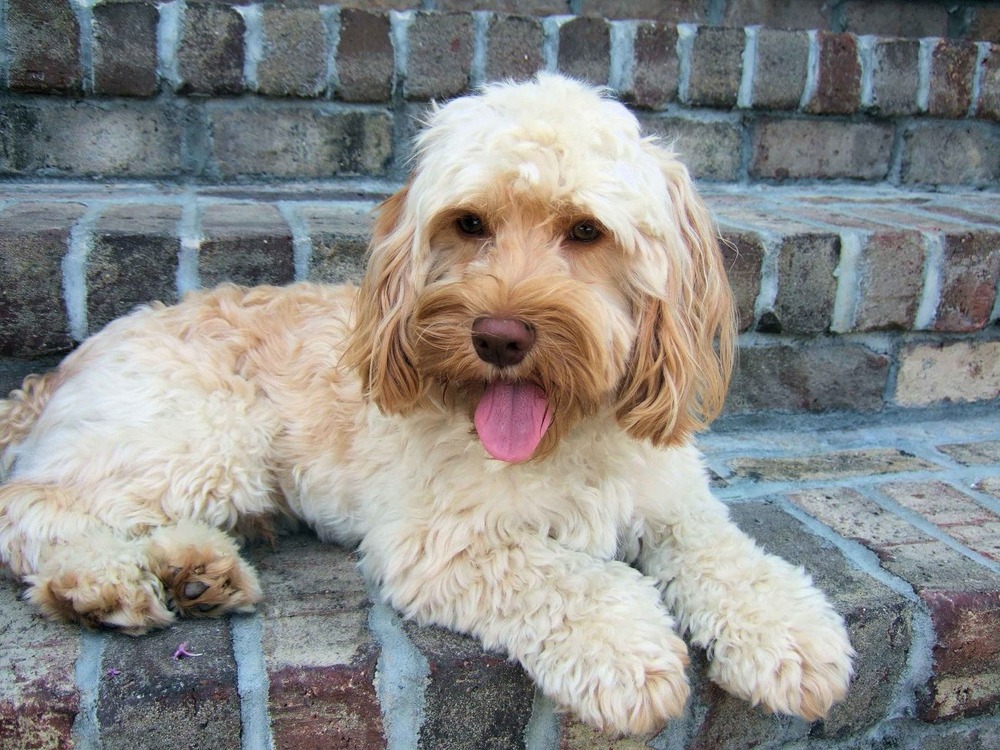
Most Cockapoos respond best to reward-based training, the kind that uses food, praise, and play to build skills and confidence, rather than punishment or intimidation.3 Short sessions, repeated often, tend to suit them better than long drills.
Exercise needs are often described as “moderate”, but that can be misleading if you picture a single brisk walk as the whole solution. Many Cockapoos benefit from a daily walk plus opportunities to sniff, explore, and do small “thinking” jobs at home, such as food puzzles, simple scent games, or basic training refreshers.4
If you are building a routine, these usually help:
- One daily walk that includes time to sniff, not just march.
- A short play session (fetch, tug, or chasing a toy) matched to the dog’s arousal level.
- A few minutes of training sprinkled through the day, especially around greetings and settling.
When people describe Cockapoos as “barky”, it is often a mix of excitement, habit, and under-stimulation. A calmer enrichment plan can reduce nuisance barking, but it is still worth checking for common triggers such as window-watching, door traffic, and inconsistent attention patterns.
Health considerations to keep on your radar
Crossbreeds can inherit health issues from either parent line. For Cockapoos, owners and vets commonly watch for ear trouble (especially with floppy ears and hair in the ear area), dental disease in smaller mouths, and orthopaedic issues that can occur across many breeds.
Hip dysplasia is often talked about because it can affect many dogs and is influenced by genetics and environment. The condition involves abnormal hip joint development and can lead to arthritis over time, although severity varies widely between individuals.5
Ear infections are another practical issue. Floppy ears can reduce airflow, and moisture from bathing or swimming can make problems more likely. A sensible approach is regular checks, keeping ears dry, and cleaning only as advised by your vet, without pushing anything down the ear canal.6
If you are choosing a puppy from a breeder, ask what health screening has been done in the parent dogs and request evidence. If you are adopting, ask your vet to help you plan a baseline health check and preventive care schedule early on.
Grooming: coat care, ears, and the matting problem

Cockapoos often look effortlessly fluffy, but the coat usually needs consistent maintenance. Brushing “as required” sounds vague until you live with a coat that mats overnight after a rainy walk. The RSPCA notes that matting can trap moisture and irritate the skin, and that grooming needs depend on coat type and what the dog has been doing day to day.2
For many Cockapoos, a workable rhythm is brushing several times a week, with extra attention to friction zones. If the coat is curlier or thicker, daily light brushing can prevent knots from becoming the tight mats that need clipping.
A professional groom every 6 to 10 weeks suits many households, but it is not a rule. The more important point is to keep the dog comfortable and the skin healthy, and to avoid letting matting build until grooming becomes stressful or painful.
If your dog dislikes brushing, it usually helps to reset expectations. Think of grooming as training: brief sessions, high-value rewards, and stopping before the dog becomes fed up. Over time, comfort with handling also makes vet checks and ear care easier.
Food, weight, and safe treats
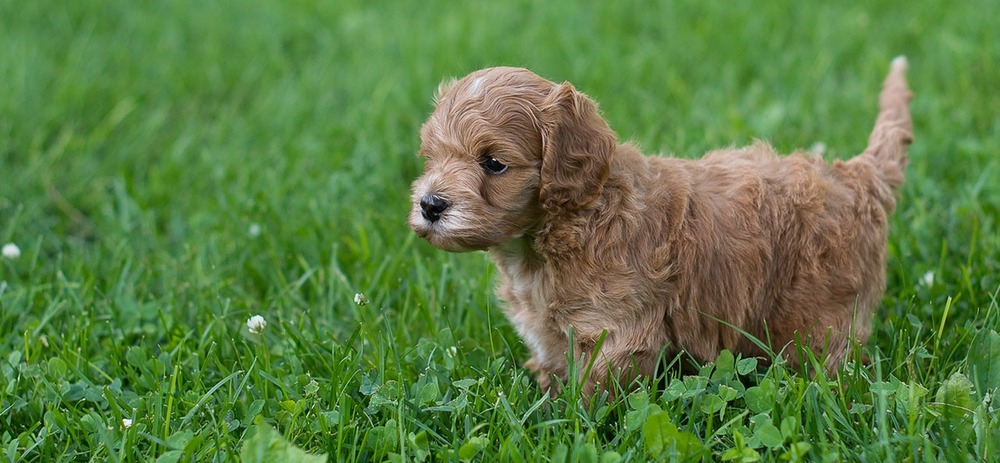
Most Cockapoos do well on a balanced, complete diet that suits their age, body condition, and activity level. If there is one nutrition habit worth building early, it is monitoring body condition rather than relying on the number on the scales alone. The WSAVA nutrition guidelines include tools such as body condition scoring to help owners and veterinary teams assess healthy weight over time.7
Overfeeding is easy with bright, people-focused dogs who watch every snack decision. Treats can be useful for training, but they add up quickly, especially in smaller bodies. If you use treats a lot, simply reduce meal portions slightly and choose lower-calorie options.
Some human foods are genuinely dangerous. In Australia, Agriculture Victoria lists common hazards including chocolate, grapes and raisins, onions and garlic, and cooked bones (which can splinter).8 The RSPCA also warns about xylitol, an artificial sweetener found in some sugar-free products and some peanut butters.9
If you are unsure about a food, it is safer to treat it as a “no” and ask your vet. A calm, consistent approach to feeding is often what keeps Cockapoos at their best, steady energy, healthy skin, and fewer tummy upsets.
Is a Cockapoo a good fit for your household?
A Cockapoo can be a wonderful companion for people who want a small, engaged dog and are happy to invest in grooming, training, and daily interaction. They often suit apartments, but only if the dog still gets daily exercise and enrichment, and has been taught how to settle quietly at home.
They can be a particularly good match if you enjoy being involved, short training sessions, regular walks, and a dog who likes to be near you. If you want a dog that needs very little coat care, or one that is content with minimal daily input, this cross may not feel as easy as it looks from across the park.
When the basics are covered, consistent grooming, reward-based training, sensible exercise, and steady routines, many Cockapoos become the kind of dog people describe in plain, satisfied terms: pleasant to live with.
References
- Encyclopaedia Britannica: Cockapoo
- RSPCA Pet Insurance: Guide to dog cleaning and grooming
- RSPCA Pet Insurance: Essential dog care information (training and care basics)
- RSPCA Australia: The importance of enrichment for dogs
- Orthopedic Foundation for Animals (OFA): Hip dysplasia
- American Kennel Club: Tips for preventing ear infections
- WSAVA: Global Nutrition Guidelines
- Agriculture Victoria: Human foods to avoid for cats and dogs
- RSPCA Pet Insurance: What fruit and vegetables to avoid feeding your dog