

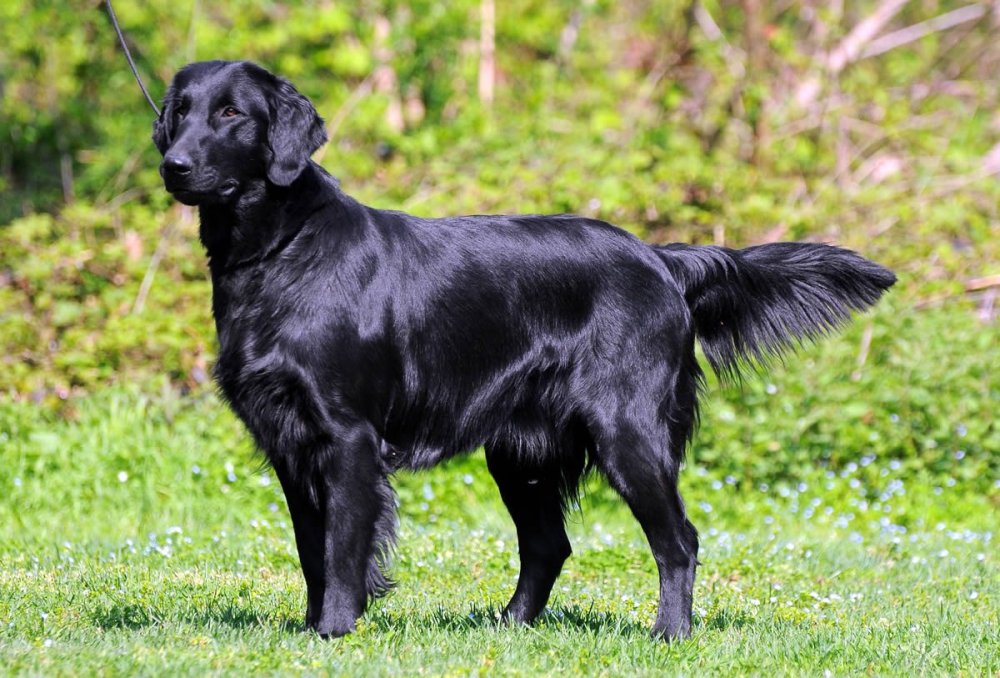
People often first notice Collies in everyday moments: a dog that seems to read the room, that learns routines quickly, that watches movement in the yard as if it is quietly taking notes. Sometimes it is the coat that draws you in, the long ruff and the elegant head, and sometimes it is the way a Collie can be both calm in the house and instantly alert when something changes.
It is easy to assume that a Collie is simply a gentle, pretty family dog. Many are. But the breed was shaped by work, and that history still shows up in modern homes as quick pattern-spotting, sensitivity to handling, and a need for purposeful activity. When those needs are met, Collies tend to settle beautifully. When they are not, owners can find themselves puzzled by barking, restlessness, or attempts to herd children and other pets.
Understanding what sits underneath the “Lassie” image matters in practice. It helps you choose the right dog, set up the right kind of routine, and recognise which health checks are worth prioritising early.
Where Collies come from, and why it still matters
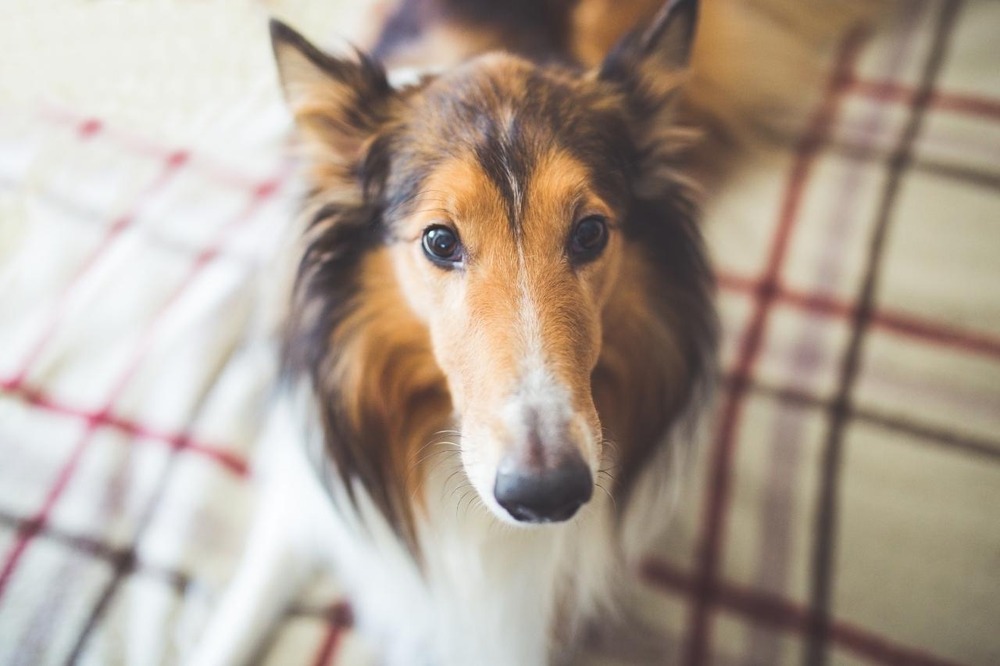
The Rough Collie developed from working sheepdogs in Scotland, selected for stamina, responsiveness at a distance, and an ability to move stock without excessive force.1 That working background is a big part of why many Collies are so attentive to motion and routine, even in suburban settings.
In the late 1800s, the breed shifted from purely practical farm work into the show world and broader pet ownership. Queen Victoria’s interest helped bring Collies into public view, and breed clubs and conformation standards followed.1 This is also why you will see both “Rough” and “Smooth” Collies discussed, they are closely related varieties with different coat lengths.
If you are trying to make sense of a Collie you have already met, this history explains a lot: the dog that checks the fence line, “rounds up” running kids, or seems to anticipate your next move is not being stubborn or bossy. They are often doing what their nervous system was built to do, noticing patterns and responding quickly.
Appearance and coat, what you are really signing up for
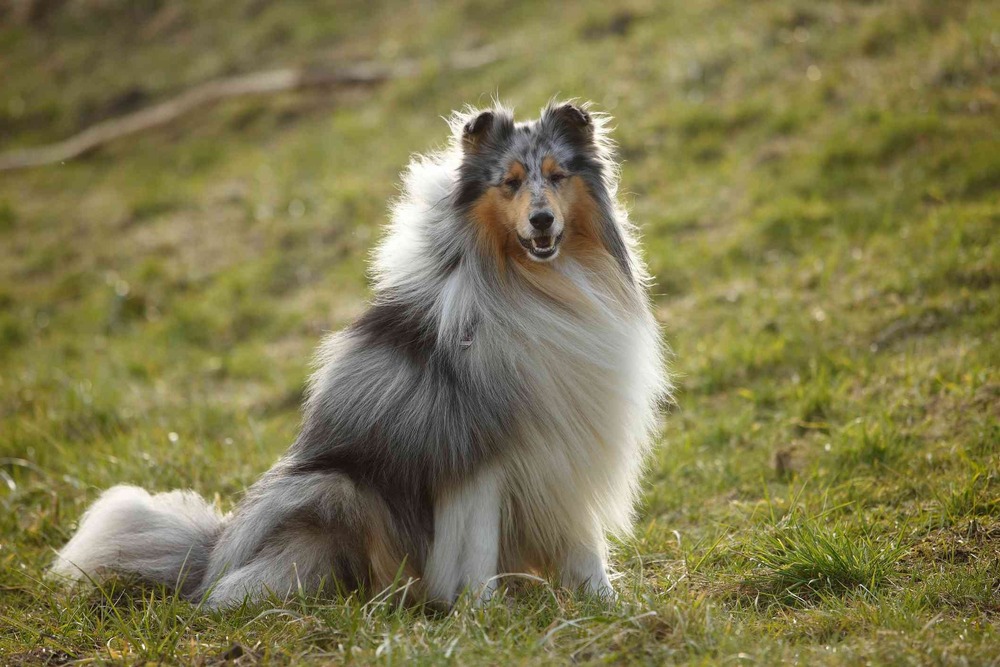
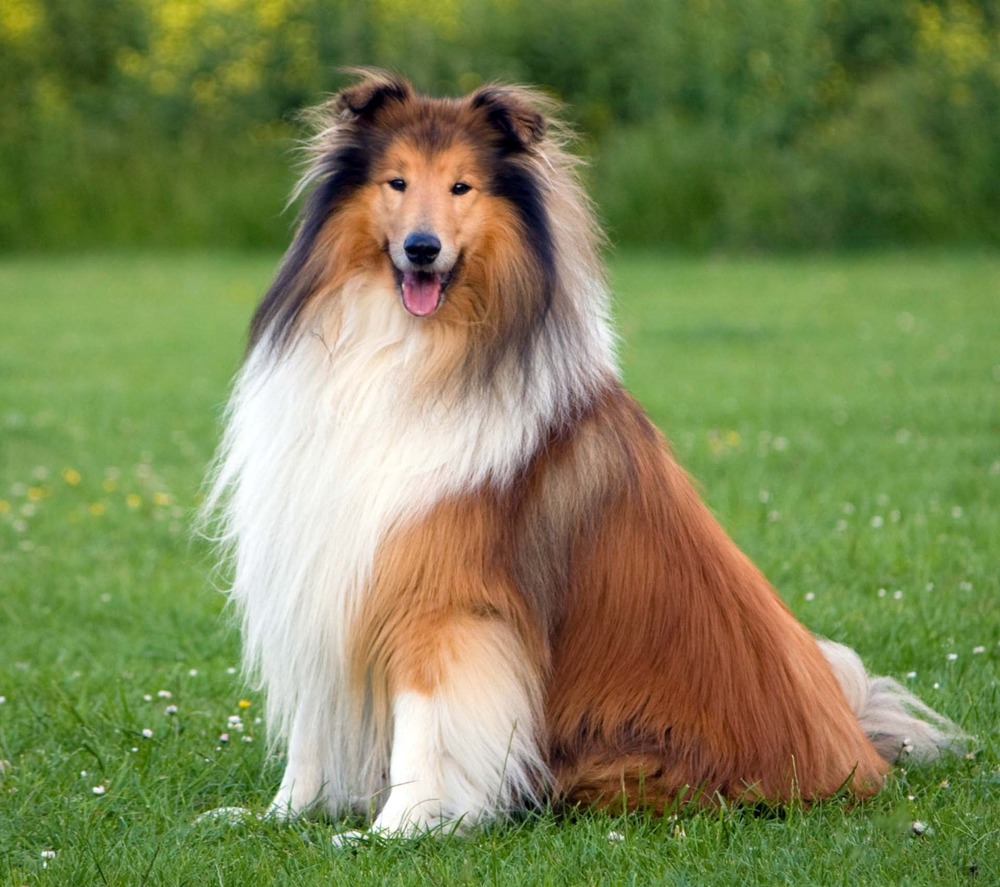
Rough Collies are medium to large dogs with a long double coat and the classic wedge-shaped head. Breed standards commonly describe adult height around 56 to 61 cm for males and 51 to 56 cm for females at the shoulder, with recognised colours including sable, tricolour, and blue merle.2
The coat is beautiful, but it is also practical insulation. That means grooming is not cosmetic. Regular brushing helps manage shedding, prevent matting (especially behind the ears, under the collar area, and in the “trousers”), and gives you a chance to notice skin irritation early. Australian guidance for long-coated or double-coated dogs typically recommends at least weekly brushing, with more needed when shedding is heavy.3
It is also worth thinking about heat. A thick coat can increase the risk of overheating in warm conditions, particularly if the dog is overweight or exercised at the wrong time of day.4
Temperament, the Collie “softness” and the Collie “busy brain”
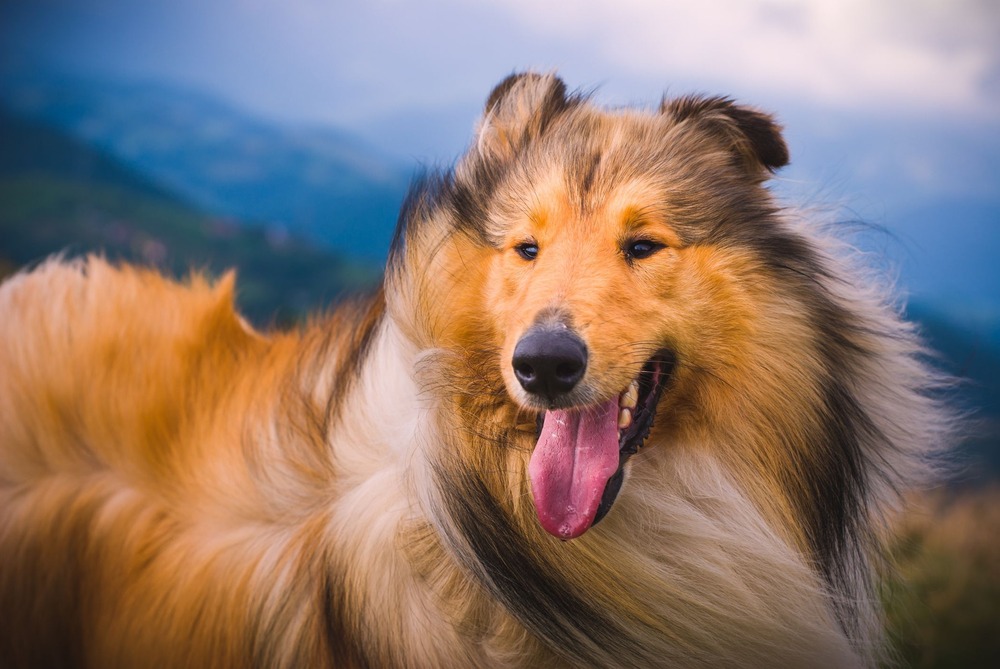
Well-bred Collies are often described as devoted, responsive, and thoughtful. Many owners notice a kind of steadiness indoors once the dog understands the household rhythm. At the same time, Collies are typically quick learners, and that can cut both ways. They learn helpful habits fast, and they can learn unhelpful ones just as quickly.
In family settings, Collies often do well with children and other pets when introductions are managed and the dog is supported to make good choices. The herding heritage can show up as circling, staring, or “nipping” at heels, especially with running, squealing play. That behaviour is usually best treated as information, not a character flaw. It tells you the dog needs calmer play options, more structured exercise, and reinforcement for switching off.
Some Collies are also vocal. Rather than trying to suppress barking across the board, it often works better to identify patterns: alert barking at the gate, frustration barking during predictable “busy” times, or barking that has become a self-rewarding habit.
Training and exercise, enough to satisfy the dog, not exhaust them
Collies tend to respond best to calm, consistent training built on reinforcement and clear cues. Harsh handling can backfire in sensitive dogs, and it often creates confusion rather than reliability.
A good Collie routine blends physical movement with mental work. Many will happily walk, jog, or hike with you, but they also benefit from tasks that give their brain a job to do, such as:
- Short training sessions sprinkled through the day (recalls, mat work, settle cues)
- Food puzzles and scent games
- Low-impact dog sports, for example obedience, rally, agility foundations
Exercise needs vary with age and individual temperament. The Kennel Club in the UK suggests up to about an hour of daily exercise for Rough Collies as a general guide, which aligns with what many owners find workable when paired with training and enrichment.1
Health points to know early, eyes, hips, and medication sensitivity
Like most breeds, Collies have a few health issues that are worth discussing with your vet and (if you are buying a puppy) your breeder.
Collie Eye Anomaly (CEA) is an inherited developmental condition seen in Collies and related breeds. Severity varies, and some dogs have normal vision, while others may develop more serious complications. Screening by a veterinary ophthalmologist is often performed in puppies, and genetic testing may also be available depending on location and lines.5
MDR1 (ABCB1) multidrug sensitivity is another important one. Some Collies carry a gene variant that can increase the risk of adverse reactions to certain medications. This does not mean your dog cannot be treated safely, but it does mean your vet needs to know the dog’s status, or to act with extra caution if it is unknown. A DNA test is available through recognised veterinary genetics laboratories.6
Hip dysplasia can occur in Collies as it can in many medium to large breeds, and responsible breeders typically use established screening schemes. If you are adopting or rescuing, ask your vet about gait, muscle condition, and maintaining a healthy weight, these can make a meaningful difference to comfort over time.
Grooming that fits real life
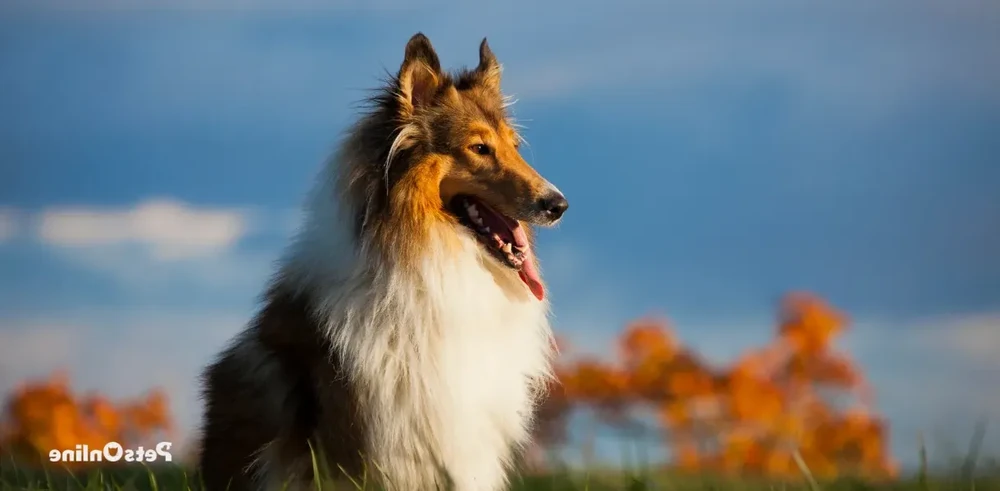
A Rough Collie coat is easier when you treat it like routine maintenance rather than an occasional big job. Many owners do best with brief, regular sessions and a longer brush-through on weekends.
Practical priorities tend to be:
- Brushing to the skin, not just skimming the topcoat
- Checking friction zones (behind ears, armpits, groin, under collar)
- Keeping nails and paw fur tidy for traction
Australian grooming advice for long-coated or double-coated dogs commonly recommends weekly brushing to prevent mats and tangles, with more frequent grooming when shedding increases.3
Feeding and body condition, keeping the Collie light on their feet
Collies are often at their best when they are fit, not heavy. Weight gain can creep up quietly, especially after desexing, during hot weather when exercise drops off, or when treats become a main part of the diet.
A useful, low-stress way to stay on track is body condition scoring with your vet team. WSAVA provides body condition score tools that help owners and professionals assess fat cover and adjust feeding before weight becomes a bigger health issue.7
If you want a simple rule of thumb, aim for steady energy, a visible waist from above, and ribs you can feel under a light layer of tissue. If you are unsure, a quick check at your next vet visit is far more accurate than guessing from coat and fluff.
Living well with a Collie in warm weather
Collies can cope well in warmer climates, but they need sensible management. Heat stress can build faster than people expect, especially on still days, in humid weather, or when the dog is excited.
RSPCA guidance emphasises practical prevention: shade, ventilation, constant access to water, and avoiding exercise in the heat of the day. It also outlines common heatstroke signs, including escalating panting, drooling, agitation, red or pale gums, vomiting or diarrhoea, weakness, and collapse. Suspected heatstroke should be treated as an emergency, start cooling measures and get to a vet promptly.4
Final thoughts
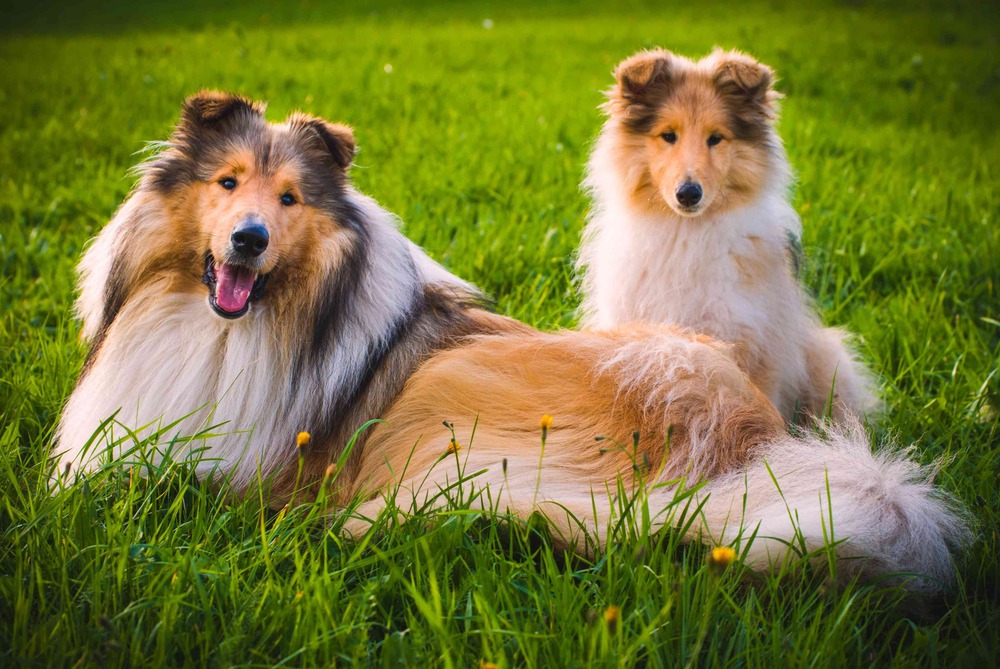
A Collie can be an unusually rewarding companion for people who enjoy a dog that notices things, learns quickly, and wants to be included. The same traits that make them wonderful can also make them a little “too switched on” if life is chaotic or under-stimulating.
If you meet the breed where it is, with steady training, a realistic grooming routine, and attention to known health checks, Collies tend to offer a kind of quiet partnership that feels less like owning a dog and more like living with a thoughtful working animal that has chosen your household as its flock.
References
- The Kennel Club: Collie (Rough) breed information
- The Kennel Club: Collie (Rough) breed standard (size and markings)
- RSPCA Pet Insurance: Guide to dog cleaning and grooming
- RSPCA Australia: Protect pets from heatstroke in warm weather
- VCA Animal Hospitals: Collie Eye Anomaly (CEA)
- UC Davis Veterinary Genetics Laboratory: Multidrug Sensitivity (MDR1/ABCB1)
- WSAVA: Global Nutrition Guidelines (body condition score tools)
- American Kennel Club: Breeds by year recognised (Collie listed as registrable in 1885)
- RSPCA Pet Insurance: Heatstroke (hyperthermia) guide for cats and dogs