

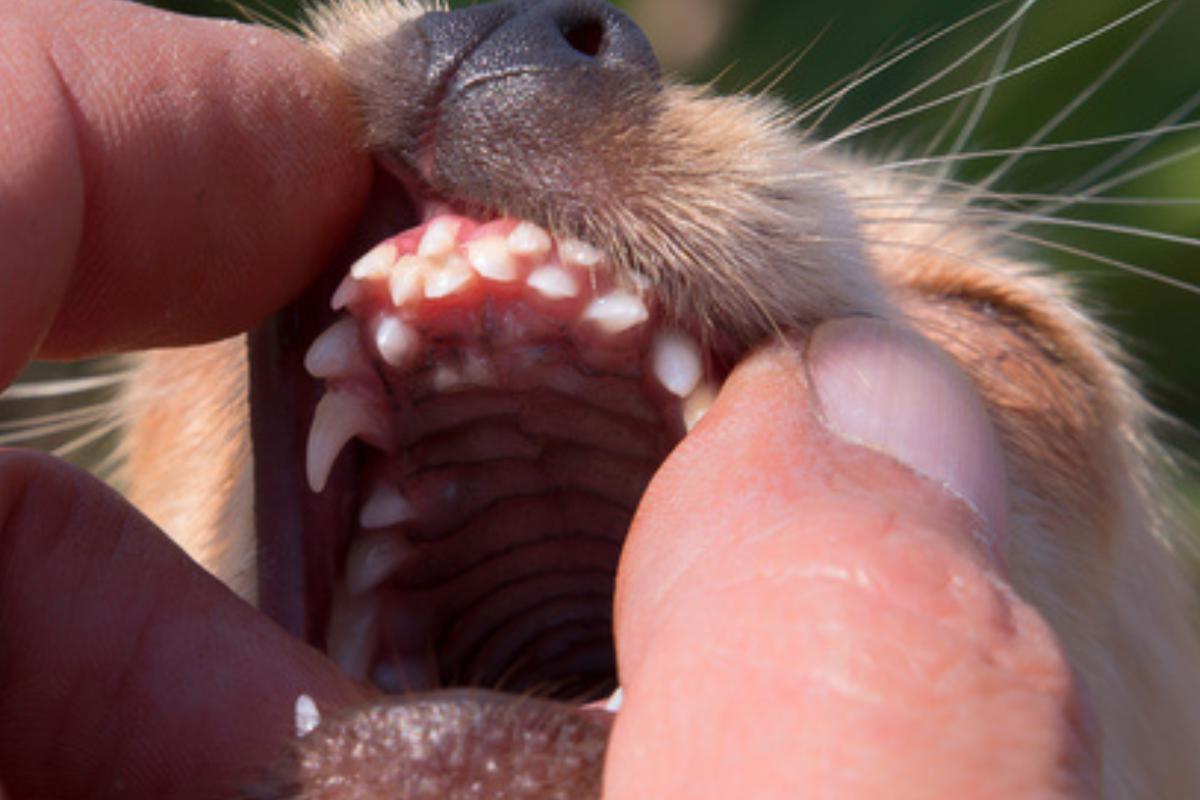
Most people start thinking about a dog’s teeth because something feels slightly off. The breath has changed, there is a bit of staining near the gums, or a dog who usually crunches happily suddenly chews more carefully. It can be easy to assume it is just “dog breath”, or that chewing a bone will sort it out.
In practice, a dog’s mouth is a place where small, everyday changes can quietly build. Plaque forms fast, and what you can see on the tooth surface is only part of the story. Much of the trouble sits at the gumline, and below it, where inflammation can progress without dramatic signs.
Good dental care is not about making teeth look nice. It is about comfort, eating well, and reducing the risk of infections and ongoing inflammation. When oral disease is addressed early, many dogs simply seem more willing to chew, play, and settle, without anyone needing to make a big fuss about it.1, 2
Common mouth and teeth problems in dogs
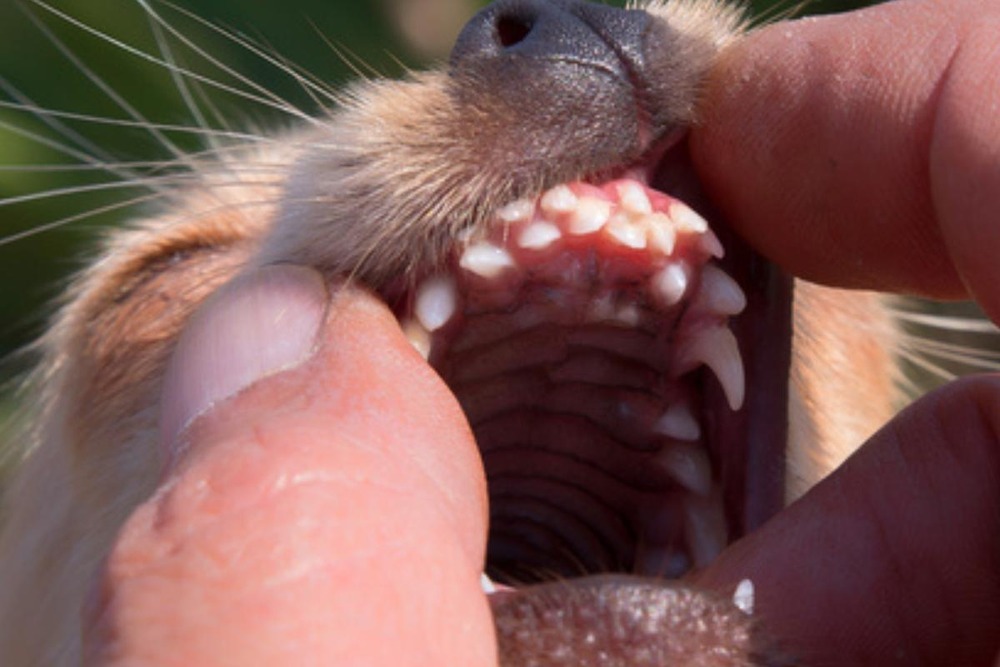
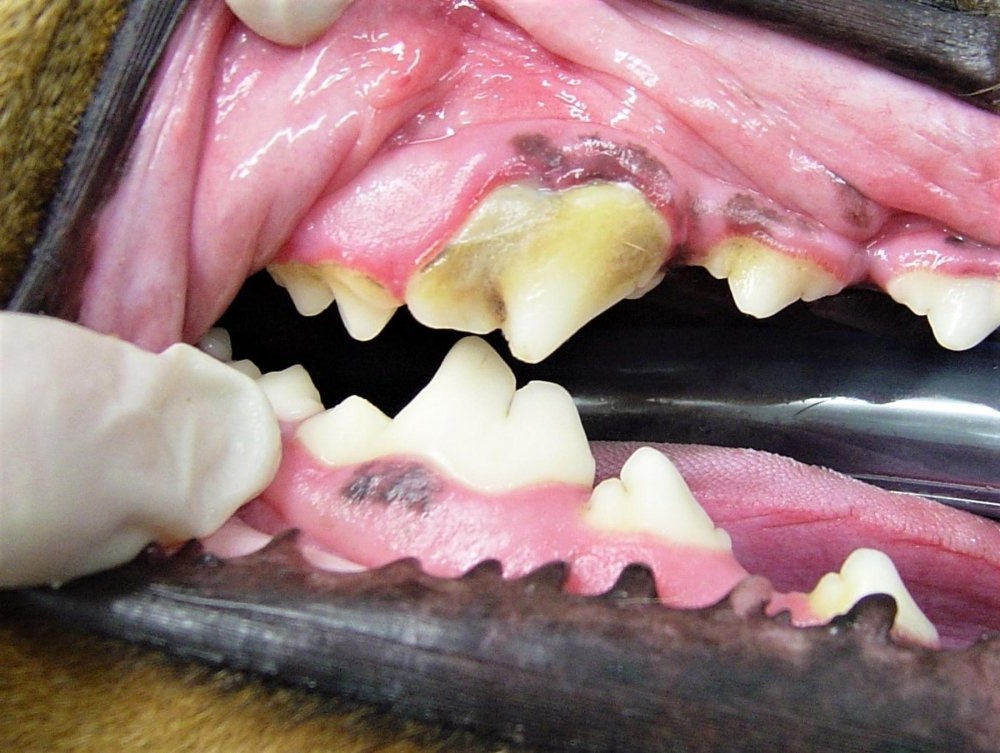
Most canine dental problems start with plaque, a bacterial film that sticks to teeth. Over time it hardens into calculus (tartar). That rough surface then helps more plaque cling on, and the gumline becomes irritated.
Periodontal disease (gum disease)
Periodontal disease is the most common dental condition seen in dogs. It begins as gingivitis (inflamed gums) and can progress to damage of the tissues that hold teeth in place. Once there is attachment loss around a tooth, it is more than “a bit of tartar”, it is a structural problem that needs proper assessment and a plan.2, 3
One frustrating detail is that signs can be subtle. A dog may keep eating, even with sore gums, because eating is still rewarding. That is why vets rely on an oral exam and, when needed, dental radiographs to see what is happening below the gumline.2, 3
Fractured teeth from chewing
Broken or fractured teeth are common in enthusiastic chewers. The classic history is a dog that loves very hard items (some bones, antlers, very hard nylon-style toys), then suddenly avoids chewing on one side, drops food, or seems reluctant when you touch the muzzle.
A cracked tooth can expose the sensitive inner structures and invite infection. This is one of those situations where “wait and see” often just prolongs discomfort. A prompt vet check matters, because treatment options can include dental repair, root canal therapy, or extraction depending on the tooth and the type of fracture.4
Tooth decay and cavities
Cavities (dental caries) can happen in dogs, but they are generally less common than periodontal disease. When they do occur, diet, oral bacteria, and the structure of the tooth surface can all play a role.
It is worth keeping the emphasis where it belongs. If you are seeing bad breath, gum redness, or tartar, gum disease is usually the main suspect, not cavities, and it needs a gum-focused plan rather than just “scraping the brown bits off”.2, 5
What you might notice at home
Dogs rarely “announce” oral pain clearly, but they often change how they use their mouth. If you are unsure whether something counts as a dental sign, it usually does.
- Breath that is persistently smelly, especially if it is getting worse
- Redness or bleeding at the gumline
- Yellow-brown buildup on teeth
- Drooling more than usual
- Chewing more cautiously, favouring one side, or dropping food
- Pawing at the mouth, face rubbing, or avoiding chew toys
If you see swelling, a draining sore under the eye, or a tooth that looks broken, treat it as a veterinary appointment rather than a home-care problem.2, 6
Why dental problems happen
Dental disease is not a sign of a “neglected” dog. It is often the predictable outcome of normal biology, plus a few risk factors that some dogs simply cannot dodge.
Plaque and time
Plaque forms quickly, and without disruption it matures and spreads along the gumline. The longer it sits there, the more likely the gums are to stay inflamed, and chronic inflammation is what drives periodontal damage over time.2, 5
Breed, mouth shape, and crowding
Small breeds and dogs with crowded teeth often trap more plaque. Tight spaces can make home cleaning harder and can speed up gum problems, even when owners are doing their best.
Diet and chewing habits
Diet matters, but not always in the simple “dry food cleans teeth” way people hope. Some dental diets can help reduce plaque or calculus in certain dogs, but they do not replace brushing.
Chewing can help, but very hard items raise the risk of tooth fractures. If you are choosing chews, aim for ones that are designed to be safer for teeth, and ask your vet what is suitable for your dog’s age and chewing style.2, 7
Prevention and steady maintenance
There is no single trick that keeps a dog’s mouth healthy. What works best is a gentle routine that the dog can tolerate, plus veterinary checks that catch problems before they become bigger and more expensive.
Vet checks and what a proper dental involves
Most clinics include a basic mouth check as part of routine exams, but a full dental assessment and treatment is different. Professional dental procedures are typically done under general anaesthesia so the team can clean above and below the gums, probe gum pockets, and take dental radiographs when indicated. That is how hidden disease is found and treated properly.2, 3
Brushing at home (what actually helps)
Brushing is the gold standard for disrupting plaque. Daily is ideal, but even a few times a week can help if you are consistent. Use pet toothpaste, not human toothpaste, since dogs tend to swallow it.1, 8
If brushing has been difficult, it often helps to slow right down. Start with a finger or cloth on the outer surfaces of the teeth, pair it with calm praise and a small reward, and build up time gradually. For some dogs, a very short, predictable routine is easier to accept than an occasional long session.1, 8
Dental chews, diets, and products
Dental chews and some formulated diets can support a brushing routine, but they work best as add-ons, not substitutes. If you are shopping for products, look for those with evidence behind them, and ask your vet what fits your dog’s needs and health history.
- Use VOHC-accepted products where possible, since the seal indicates the product has met specific standards for plaque and or calculus reduction.
- Choose chew items that are less likely to crack teeth, especially for powerful chewers.
- Water additives and gels can help some households, but they should sit alongside brushing and veterinary care, not replace them.
If a product claims to replace dental cleaning entirely, treat that claim with caution.2, 9
Treatment options when there is already a problem
Once there is established periodontal disease, fractures, or painful inflammation, home care alone is rarely enough. The kindest thing is often to treat what is there, then maintain what remains.
Professional cleaning and periodontal treatment
A professional scale and polish removes plaque and calculus thoroughly, including under the gumline. In more advanced cases, treatment may include deeper cleaning (root planing), local antimicrobials, or periodontal surgery depending on the tooth and the attachment loss. Treatment choices are guided by probing and radiographs, not just what is visible.3
Extractions and why they are sometimes the right call
Tooth extraction can sound confronting, but it is often the most practical way to remove a chronic source of infection and discomfort. Dogs generally cope very well without certain teeth once healing is complete, especially if it means the mouth is no longer sore.
When the disease is advanced, or when the home routine needed to maintain a compromised tooth is unrealistic, extraction can be the humane option.3
Concerns about anaesthesia
It is normal to worry about anaesthesia. It is also worth knowing that modern veterinary dentistry guidelines place a strong emphasis on safety, monitoring, and pain relief. If your dog is older or has medical conditions, your vet can tailor pre-anaesthetic testing and the anaesthetic plan to reduce risk as much as possible.2
Diet and nutrition for oral health

Diet is part of oral health, but it is not a shortcut. Think of food choices as a way to support the mouth, while brushing and veterinary care do the heavy lifting.
Dental diets and tooth-friendly chewing
Some dental diets are designed with kibble size and texture that encourages chewing, and some have ingredients intended to reduce calculus. They can be useful for particular dogs, especially when owners are already brushing and attending regular check-ups.
Being careful with bones and very hard chews
Many people reach for bones to “clean teeth”, and some dogs do get a scraping effect. The trade-off is the risk of slab fractures and other tooth damage, especially with very hard bones or cut bones. If you want to use bones, discuss it with your vet and supervise chewing, particularly if your dog is an intense chewer.7
Closing thoughts
Dental care tends to work best when it is treated as quiet maintenance, not a once-a-year scramble. A quick look at the gumline now and then, a brushing routine your dog can tolerate, and regular veterinary checks go a long way.
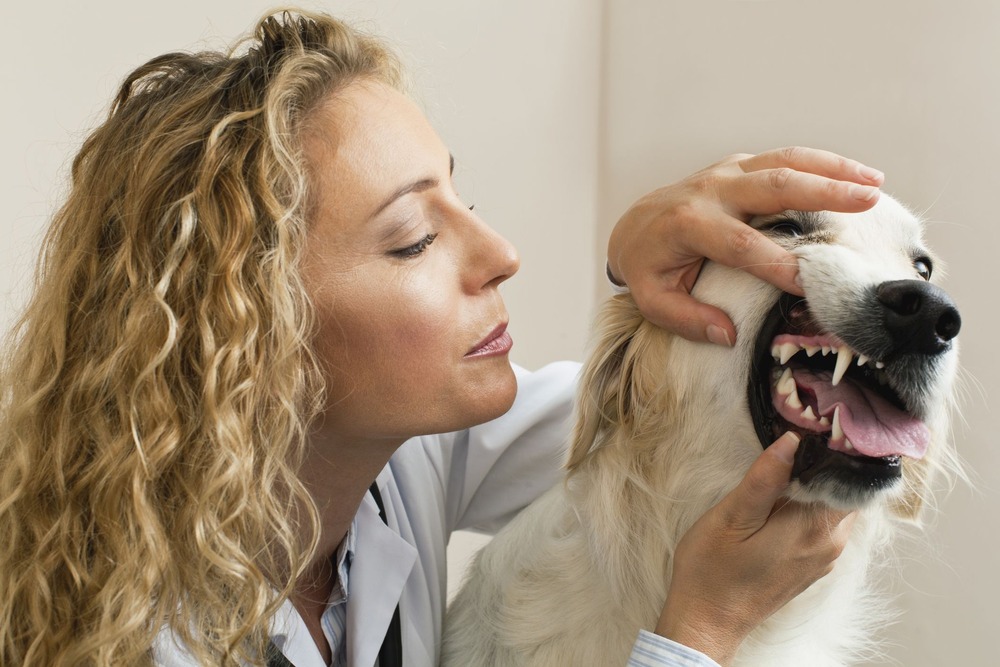
If you are only going to start with one habit, make it this: lift the lip and look. When you notice changes early, treatment is usually simpler, and your dog spends less time coping with a sore mouth in the background of everyday life.1, 2
References
- RSPCA Pet Insurance: Guide to dog dental care
- American Animal Hospital Association (AAHA): 2019 Dental Care Guidelines for Dogs and Cats
- AAHA: Periodontal disease staging
- American Veterinary Dental College (AVDC): Animal Dental Facts (client information)
- Cornell University College of Veterinary Medicine: Periodontal disease in dogs
- RSPCA Australia: Importance of dental health
- RSPCA Queensland: Dog teeth cleaning and dental care
- Greencross Vets: Dental home care for pets
- Veterinary Oral Health Council (VOHC): Accepted products for dogs