

You notice it first in the small things. A dog that keeps stopping mid-walk to scratch. A sudden rash along the belly. A soft stool that does not quite settle. It is easy to put it down to summer grass, a new shampoo, or a bit of rubbish scavenged at the park.
Parasites are often like that. They rarely announce themselves clearly, and the signs can overlap with allergies, diet changes, or stress. In Australia, the warm weather and abundant wildlife mean dogs are regularly exposed, even when they mostly live indoors.
The practical challenge is not learning every parasite by name. It is knowing what is common here, what is urgent (ticks), what can quietly build over time (worms), and when a home routine is enough versus when you need your vet’s help.
Types of parasites dogs encounter
Parasites affecting dogs are usually grouped as internal parasites (living inside the body) and external parasites (living on the skin or coat). The split matters because the signs, the tests your vet uses, and the prevention tools are different.
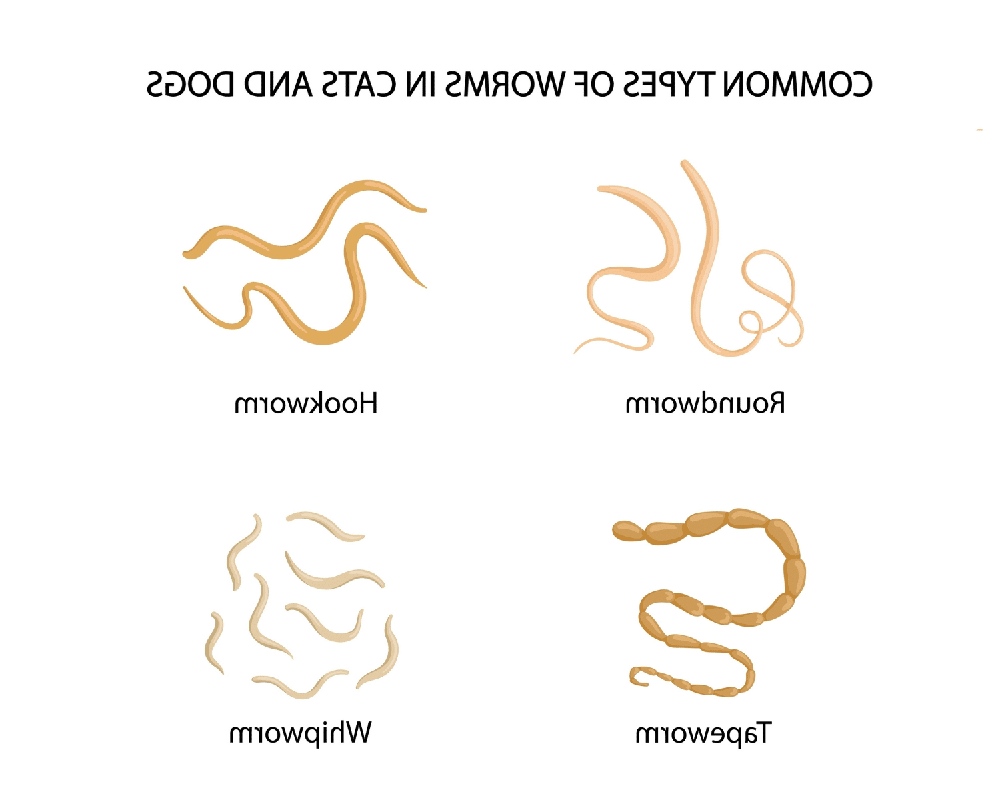
Internal parasites include roundworm, hookworm, whipworm, tapeworm, and heartworm. Some cause obvious gut upsets, but others are subtle, particularly in adult dogs, where you might only see poor condition or intermittent diarrhoea.
External parasites include fleas, ticks, and mites. These are often noticed through scratching, skin inflammation, or hair loss. Some, like the paralysis tick, can cause rapid, serious illness and need a different level of vigilance.2, 3
Internal parasites, what they look like in real life
Most households think of worms as an occasional puppy problem, but intestinal worms are common wherever dogs share parks, backyards, and footpaths. Eggs and larvae can survive in the environment, and dogs do not need to eat faeces to be exposed. Sniffing, licking paws, and grooming can be enough.
Common internal parasites in Australia
Roundworm (Toxocara) is particularly important because it can affect puppies strongly, and it also has public health implications if people, especially children, ingest contaminated soil.1 Hookworm can contribute to diarrhoea, weight loss, and anaemia, and some dog hookworms can also cause a skin condition in people called cutaneous larva migrans.7
Tapeworm is often noticed when owners see small segments in the dog’s faeces or around the rear. In many cases, it is linked with fleas, since dogs can pick up certain tapeworms by swallowing an infected flea while grooming. That is why worming and flea control are often paired in veterinary advice.
Signs that fit worms, and signs that do not
Internal parasites can cause diarrhoea, vomiting, a pot belly in puppies, poor coat quality, low energy, and slower weight gain. None of these signs are exclusive to worms, so it helps to think in patterns: ongoing digestive changes, recurring soft stools, or symptoms that keep returning soon after they improve.
If you see black, tarry stools, repeated vomiting, pale gums, or marked lethargy, treat it as prompt veterinary advice rather than a home worming problem. Those signs can point to dehydration, anaemia, bleeding, or other illness that needs assessment.
Heartworm, the parasite you cannot see
Heartworm (Dirofilaria immitis) is spread by mosquitoes, which means exposure is shaped by season, rainfall, local conditions, and the simple fact that mosquitoes can get indoors. Preventatives are designed to be given on schedule, and missed doses can matter.8
Heartworm disease can be slow to show itself. By the time coughing, exercise intolerance, or weight loss appears, the problem may already be established. That is why vets often recommend pairing prevention with periodic testing, particularly if a dog has missed doses, changed regions, or has an unknown history.
External parasites, fleas, ticks, and mites
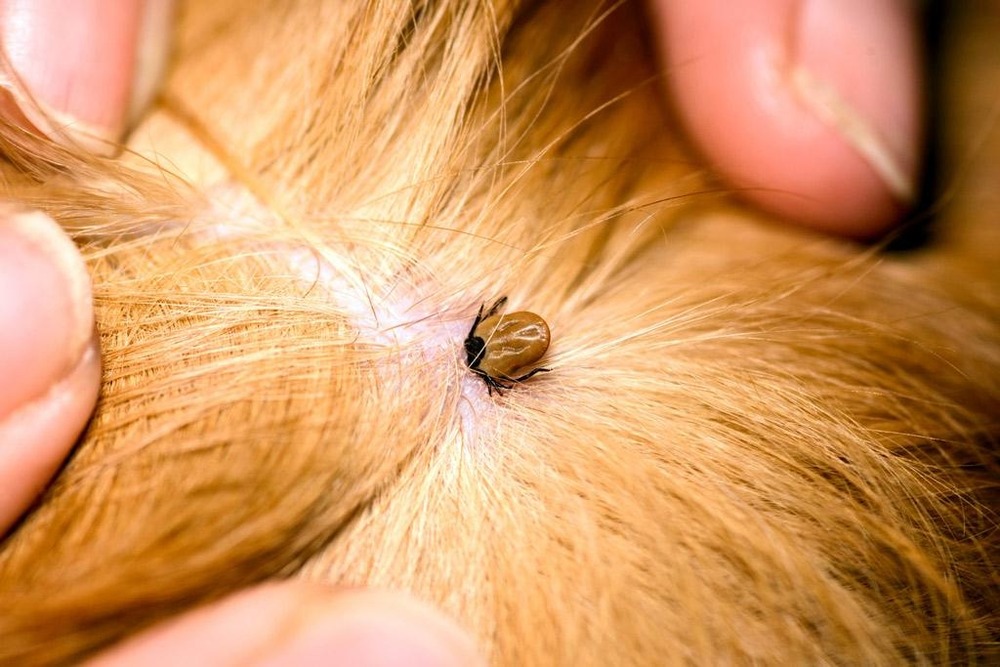
External parasites create the kind of irritation that changes a dog’s day. You might see constant scratching, rubbing the face on carpet, chewing at feet, or a restless dog that cannot settle. It is tempting to assume it is “just itchy skin”, but itch has many causes, and parasites are one of the simplest to rule in or out.
Fleas, and why one flea can be plenty
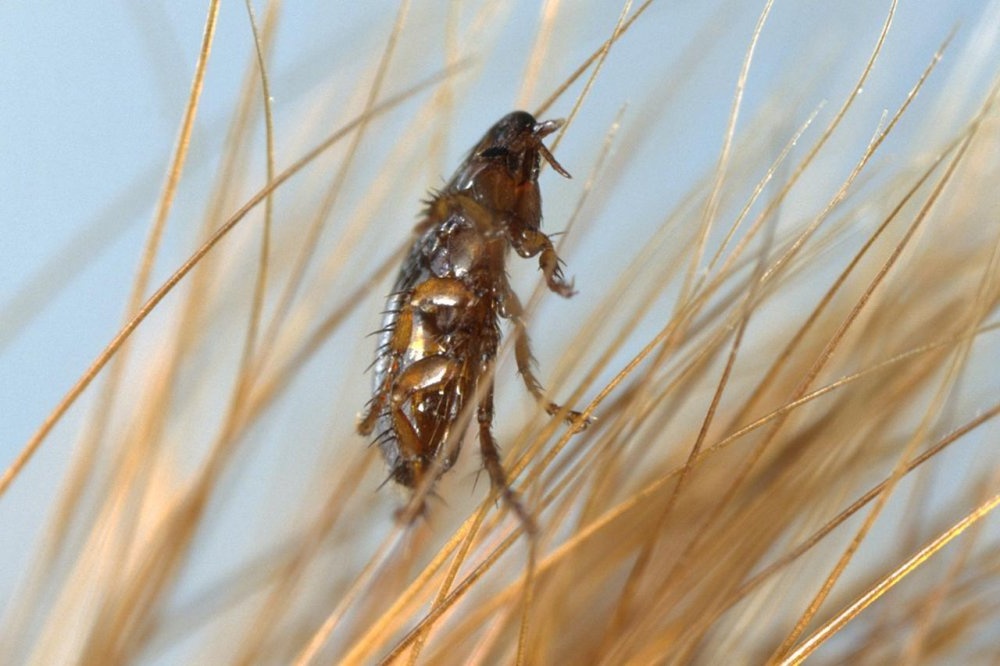
Fleas do not always show up as a visible infestation. Some dogs react strongly to flea saliva, which can trigger significant itch and skin inflammation even when you rarely see fleas. Consistent flea control, plus treating the home environment when needed, tends to be more effective than chasing each flare-up.
Paralysis ticks, the urgent exception
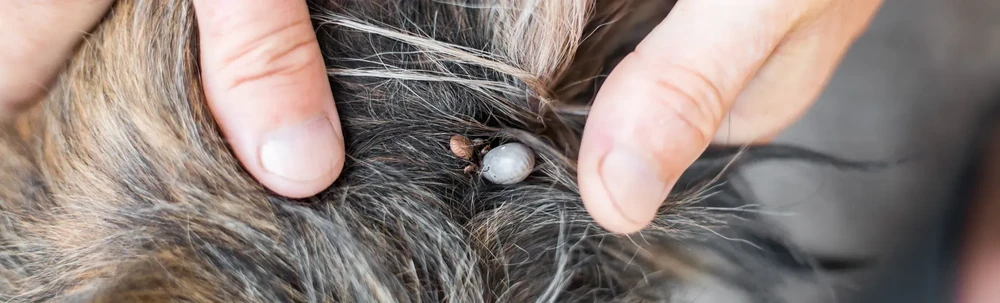
In many parts of Australia, the paralysis tick (Ixodes holocyclus) is the one parasite owners learn to take seriously. Tick paralysis can be life-threatening and needs urgent veterinary care if signs develop.2, 3
A practical detail that helps: studies of veterinary hospital cases have found paralysis ticks are most often on the head and neck, so start your hands-on search there, then work along the body and into hidden spots like armpits and between toes.3, 4
Mites and mange
Mites are microscopic, but the impact can be obvious. Sarcoptic mange (scabies) is typically very itchy, can spread between dogs, and can also affect people. Diagnosis may involve skin scrapings, but mites can be hard to find, so vets sometimes make decisions based on the overall pattern and response to treatment.5
How vets diagnose parasite problems
Diagnosis is usually a mix of observation and testing. For gut worms, vets often recommend a faecal test, particularly when symptoms are persistent, unclear, or not responding to routine treatment. For heartworm, a blood test is used. For fleas, ticks, and mites, diagnosis may involve careful coat inspection, flea combing, looking for flea dirt, and skin scrapings when mange is suspected.
It is worth mentioning a developing nuance here. Some Australian research groups have raised concerns about drug resistance in hookworms, which is one reason many vets are moving toward more targeted, risk-based parasite control rather than blanket, automatic dosing for every dog on the same schedule.7
Treatment options and what matters most
Most parasite treatments are straightforward when matched to the right problem, and used as directed. The tricky part is that different parasites need different actives, and a product that is excellent for fleas may not cover intestinal worms, mites, or heartworm.
Veterinary guidance matters when a dog is very young, elderly, unwell, pregnant, underweight, or on other medications, and when you are dealing with ticks, suspected heartworm, or recurring diarrhoea. It also matters if a dog is still scratching after treatment, since that can point to infection, allergy, or ongoing exposure in the home or yard.
Prevention that fits everyday life

Prevention works best when it is simple enough to keep doing. Many owners find it easiest to use one product that covers several parasites, or to link dosing to a monthly reminder and a routine like nail trims or a bath.
In practice, prevention often comes down to a few steady habits:
- Use a vet-recommended parasite plan suited to your dog’s location, lifestyle, and risk.
- Do hands-on coat checks, and during tick season, check daily if you are in a risk area.2, 3
- Pick up dog poo promptly and wash hands after gardening or handling soil, especially with children around.1
- Keep bedding clean, vacuum regularly, and treat the home if fleas are established.
Parasite control at home and in the yard
Parasite control is rarely just about the dog. Fleas spend much of their life cycle off the animal, in carpets, bedding, and shaded outdoor areas. Tick exposure is shaped by the yard itself, particularly long grass, leaf litter, and wildlife traffic.
If you are dealing with fleas, it often helps to think in weeks rather than days. You can kill adult fleas quickly, but eggs and larvae already in the environment can keep hatching. A consistent approach that includes the dog, the home, and any other pets is usually what finally settles the cycle.
When to seek veterinary help sooner
Most parasite problems are manageable, but a few situations should prompt faster action. Seek veterinary care urgently if you suspect tick paralysis, or if your dog has weakness, wobbliness, breathing effort, a change in bark, or repeated vomiting in tick areas.2
Also book a vet visit if diarrhoea persists beyond a couple of days, there is blood in the stool, your dog is losing weight, or skin irritation is escalating despite parasite treatment. In those cases, testing can prevent weeks of guesswork, and it can rule out non-parasite causes that look similar on the surface.
References
- Queensland Government, Toxocariasis (health information and prevention)
- RSPCA Pet Insurance, What to do if you find a tick (signs of tick paralysis and tick searching)
- RSPCA Knowledgebase, How can I protect my dog or cat from tick paralysis?
- University of Queensland via Phys.org, Paralysis ticks prefer heads and necks of pets, study finds
- Merck Veterinary Manual, Mange in dogs and cats (overview, signs, diagnosis)
- Australian Pesticides and Veterinary Medicines Authority (APVMA), WAAVP guideline information for fleas and ticks (efficacy standards and tick species focus)
- The University of Queensland, Drug-resistant hookworms put pets and people at risk
- Parasites & Vectors, Mosquito-borne heartworm (Dirofilaria immitis) in dogs from Australia (review and context)