

You might notice something small at first: a female dog who seems “off” a few weeks after a heat, a male dog who leaves spots of blood-tinged fluid where he lies, or a new interest in licking and a bit of discharge that does not quite fit the usual picture. Reproductive problems in dogs rarely announce themselves neatly. They often arrive as vague changes in appetite, thirst, toileting habits, or comfort.
It is also easy to assume that anything involving a dog’s reproductive tract is only relevant if you plan to breed. In practice, many of the more serious problems, including uterine infection and some prostate conditions, are most common in dogs who are not being bred at all. They are everyday veterinary cases, and they can move quickly from “a bit odd” to genuinely unwell.
Knowing what is normal for your dog, and what is worth checking early, can make a real difference. It does not require becoming an expert. It simply means recognising the patterns that vets see again and again, and acting promptly when a change does not add up.
Common reproductive issues in dogs
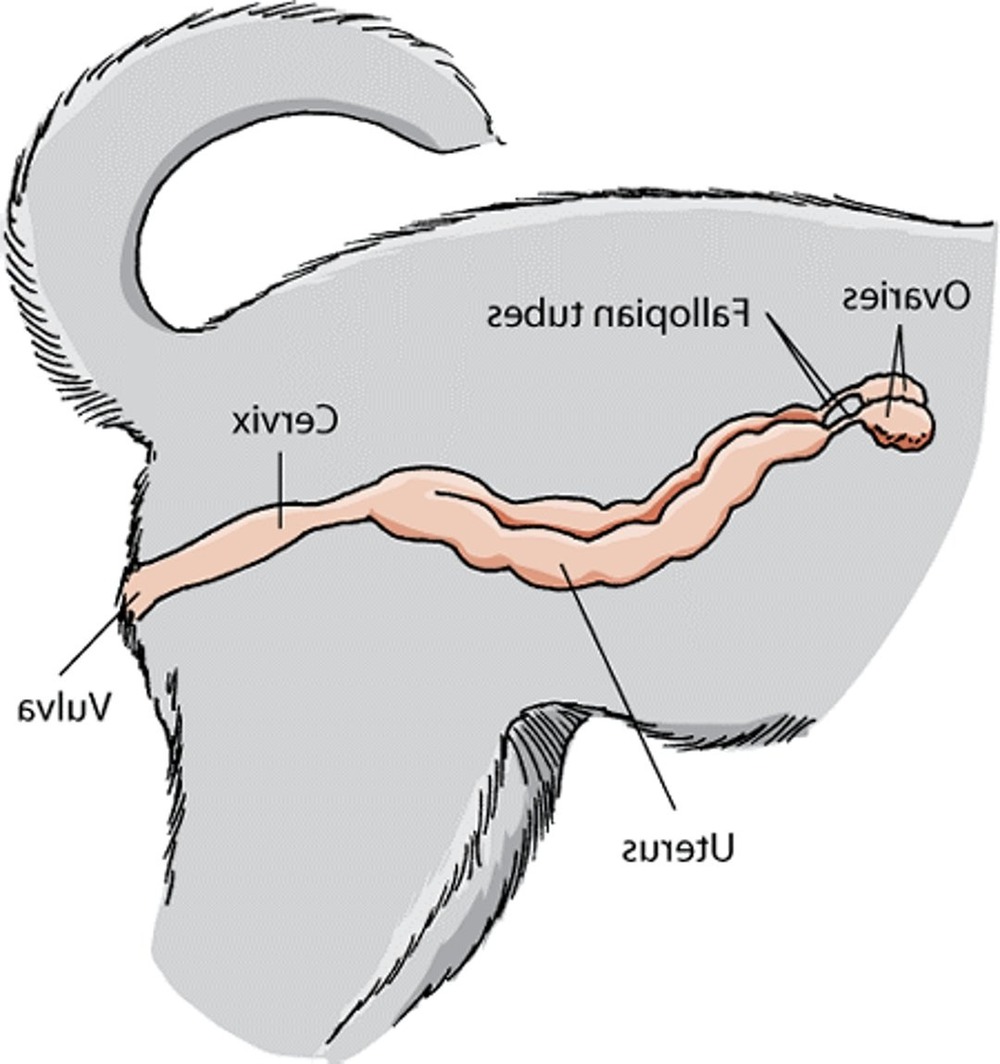
Reproductive tract issues can affect both male and female dogs, and they range from mild irritation through to conditions that are life-threatening. Some are driven by infection, others by hormones, and others by age-related changes in tissues.
There are also problems that are easy to misread. A small amount of discharge might be normal in a female dog in season, but discharge at the wrong time, or paired with increased thirst or lethargy, deserves attention. Likewise, an intact male can have an enlarged prostate without obvious pain, yet still develop secondary infection or urinary problems.1, 2
How female and male problems tend to show up differently
In female dogs, the most urgent reproductive problem is often pyometra, an infection of the uterus that typically occurs weeks after a heat. In male dogs, prostate disorders are common with age, especially in dogs that are not desexed.2, 3
As a rough guide:
- Female dogs are more likely to show vulval discharge, changes around heat cycles, and signs that look like a general illness (off food, tired, drinking more).
- Male dogs are more likely to show urination or defecation changes, blood-tinged preputial discharge, or discomfort around the back end.1, 3
Female canine reproductive problems
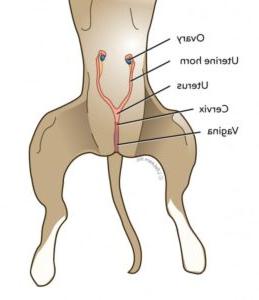
Female reproductive conditions often cluster around hormonal shifts. That matters because the same dog can look completely normal during a heat, then become quite unwell several weeks later. It is one reason owners sometimes miss the early stages, especially if the dog is still bright at times.
Pyometra (uterine infection)
Pyometra is a bacterial infection of the uterus that occurs in unspayed dogs, most often in middle-aged to older bitches, typically about 4 to 6 weeks after oestrus. Hormonal changes after heat can make the uterus more prone to infection, and the condition can progress quickly.2, 4
Signs vary, and they depend partly on whether the cervix is open (allowing discharge) or closed (no discharge). Watch for:
- lethargy or seeming unusually quiet
- reduced appetite, vomiting
- increased thirst and urination
- vulval discharge that is pus-like or blood-stained (may be absent with a closed cervix)
- abdominal enlargement (more likely with a closed cervix)2
For many dogs, the recommended treatment is surgical removal of the uterus and ovaries (ovariohysterectomy). Medical management exists in selected cases where future breeding is strongly desired, but it carries more risk and needs close veterinary supervision, particularly if the cervix is closed.2, 4
Ovarian cysts and tumours
Ovarian disease can disrupt normal cycling. Owners may notice irregular heats, prolonged signs of being in season, or fertility problems. Diagnosis usually relies on examination and imaging, and treatment is often surgical, particularly if the dog is not intended for breeding.
Because the signs can overlap with more common issues, the practical takeaway is simple: if heat cycles become unpredictable, or your dog shows persistent vulval swelling or discharge outside the expected timing, it is worth a proper check.
Vaginitis, vulval discharge, and vaginal tissue protrusion
Vaginitis is inflammation of the vagina. It can occur in puppies (often mild and self-limiting) and also in adult dogs, where underlying factors may include irritation, conformational issues, foreign material, trauma, or other disease. The most common sign is discharge from the vulva, often with licking and sometimes frequent urination.2, 5
Sometimes owners notice tissue protruding from the vulva during a heat. This can be related to oestrogen-driven swelling of vaginal tissue and it may resolve as hormone levels change, but it can be injured by licking or rubbing. Any protruding tissue should be assessed by a vet the same day, especially if it looks dry, dark, or damaged.
Male canine reproductive problems
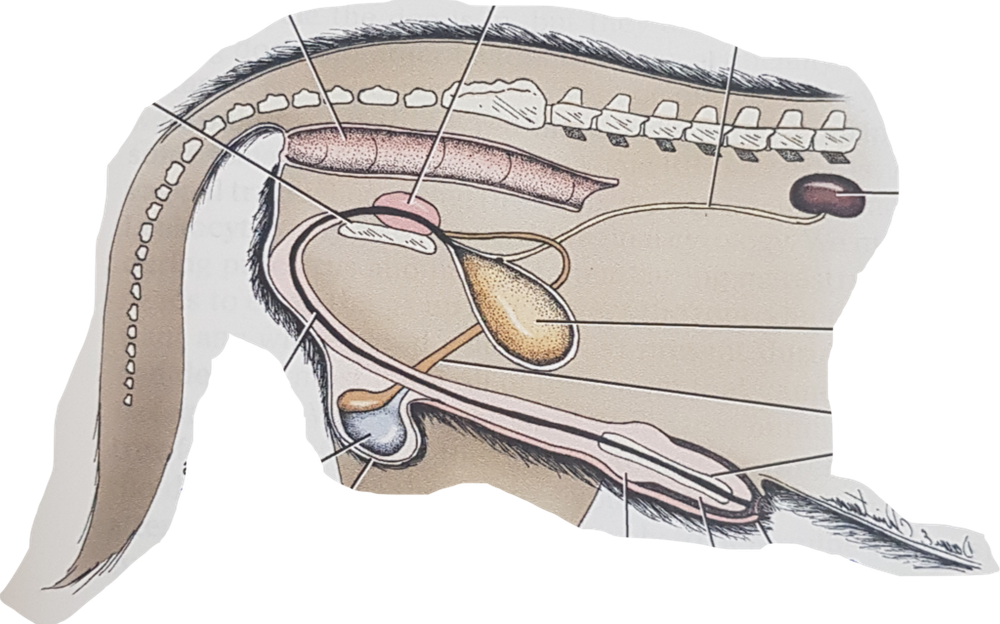
In intact male dogs, the prostate is often the centre of the story. Many prostate changes are driven by hormones, so they become more likely with age and continued exposure to testosterone.
Benign prostatic hyperplasia (BPH) and prostatitis
Benign prostatic hyperplasia is a non-cancerous enlargement of the prostate and is described as the most common prostatic disorder in sexually intact male dogs. Some dogs show no obvious signs, while others have blood in urine, blood in semen, or a blood-tinged preputial discharge. Ultrasound is commonly used to assess prostate size and texture.1
Prostatitis is inflammation, often involving infection. Acute prostatitis can present with fever, marked discomfort, and systemic illness. Chronic cases may be subtle and show up as recurrent urinary tract infections. Treatment typically involves antibiotics, and in many cases addressing underlying BPH is part of achieving lasting improvement.3
Testicular torsion and tumours
Testicular torsion is when a testicle twists and blood supply is compromised. It is painful and time-sensitive. Any sudden scrotal swelling or obvious pain should be treated as urgent.
Testicular tumours are more common in older dogs, and the risk is higher in dogs with retained testicles (cryptorchidism). Dogs with cryptorchidism are generally recommended to be desexed, and they should not be bred because the condition is considered inherited.6
Penile and preputial irritation
Discharge, licking, swelling, or repeated attention to the penis and prepuce can be linked to local irritation or infection, foreign material, or secondary issues such as prostate disease. A small amount of clear fluid can be normal, but persistent discharge (especially bloody or foul-smelling), pain, or swelling warrants a vet check.
Diagnosis and treatment
When vets investigate reproductive tract concerns, they are usually trying to answer a few practical questions: is this local irritation or a deeper infection, is there hormonal influence, is an organ enlarged, and is your dog systemically unwell?
How vets commonly investigate reproductive tract problems
Diagnosis may involve a combination of:
- physical examination, including abdominal palpation and sometimes rectal examination (in males)
- blood and urine testing to look for infection, inflammation, and organ impact
- ultrasound to assess the uterus, ovaries, prostate, and surrounding structures
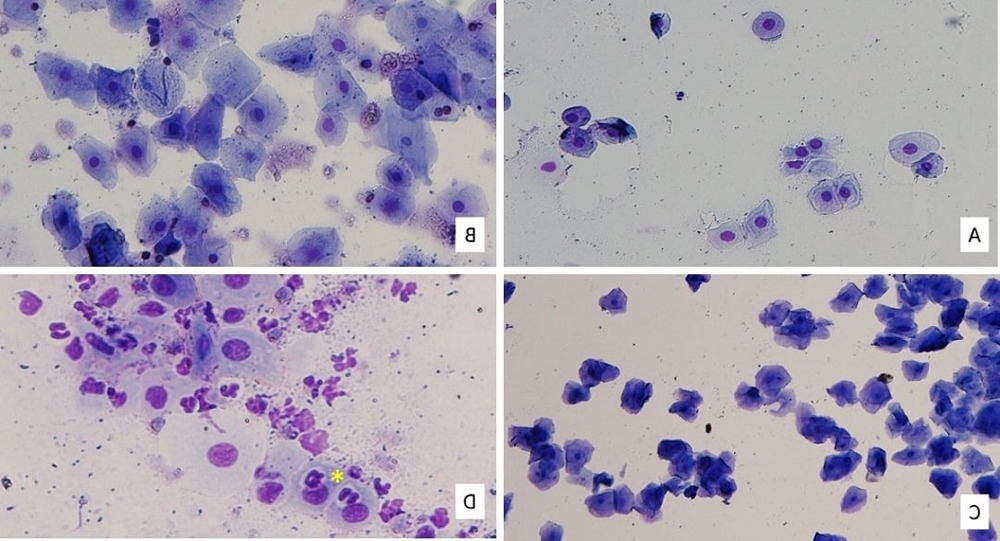
- culture or cytology, where appropriate, to guide antibiotic choices1, 2, 3
Treatment options, from medication to surgery
Treatment depends on what is found. Antibiotics may be used for bacterial infection, but they are not a substitute for surgery when there is a pus-filled uterus or a ruptured organ. In many common reproductive conditions, desexing is the definitive treatment, for example pyometra in females and BPH-related issues in males that are not intended for breeding.1, 2
It is also worth knowing that some medications marketed or discussed online for “accidental mating” carry serious risks. Professional veterinary guidance advises against the use of oestrogen products for this purpose due to the potential for severe adverse effects, including increased risk of pyometra and bone marrow suppression.7
Prevention and long-term management
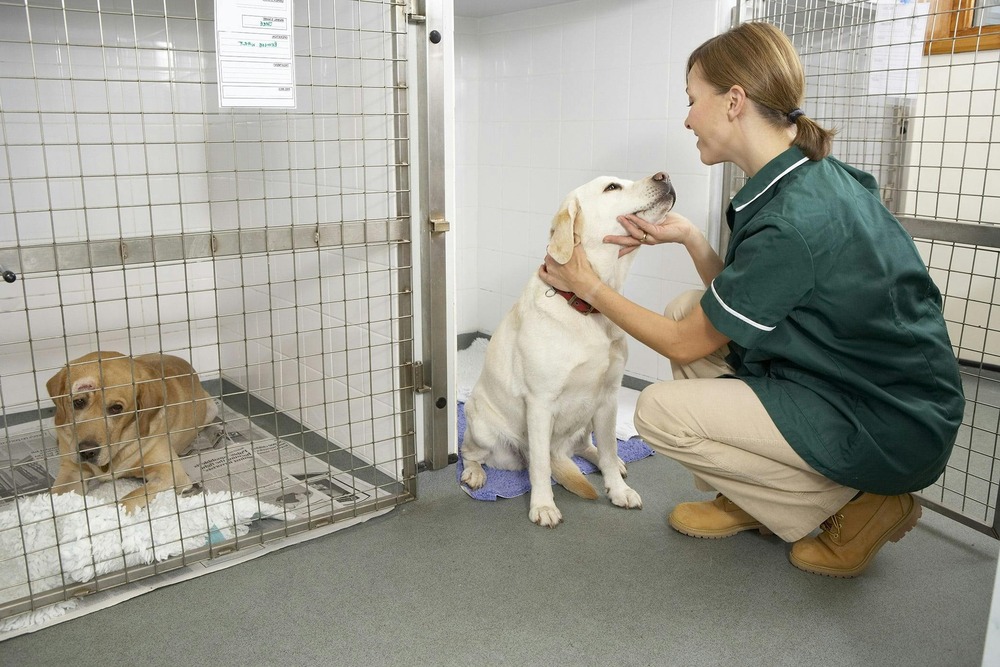
Prevention in reproductive health is rarely about perfection. It is about reducing the likelihood of high-impact problems and noticing change early enough that treatment is simpler and safer.
Desexing (spaying and castration)
Desexing is often recommended for dogs not intended for breeding, partly to prevent unplanned litters, and partly because it can reduce the risk of particular diseases. For females, desexing prevents pyometra. For males, castration reduces the risk of testicular cancer and is a standard treatment option for benign prostatic hyperplasia in dogs not intended for breeding.1, 8
Timing is not “one size fits all”. Breed, size, health, and lifestyle all matter. Specialist reproductive organisations also emphasise that the spay or neuter decision should be made on a case-by-case basis with your veterinarian, weighing both benefits and potential downsides.9
Routine checks that catch problems early
Regular veterinary visits help because many reproductive issues are easier to treat before they escalate. This is especially true for:
- older entire females, particularly after heats
- older entire males, where prostate enlargement may develop gradually
- dogs with a history of reproductive tract infection or abnormal discharge
Everyday care that supports general resilience
Diet and exercise do not “prevent” reproductive disease on their own, but they influence overall health and recovery. Keeping your dog at a healthy body condition also supports mobility and reduces anaesthetic risk if surgery is needed. If your dog is desexed, it is worth reviewing feeding and activity with your vet, as some dogs gain weight more easily after the procedure.
Breeding considerations
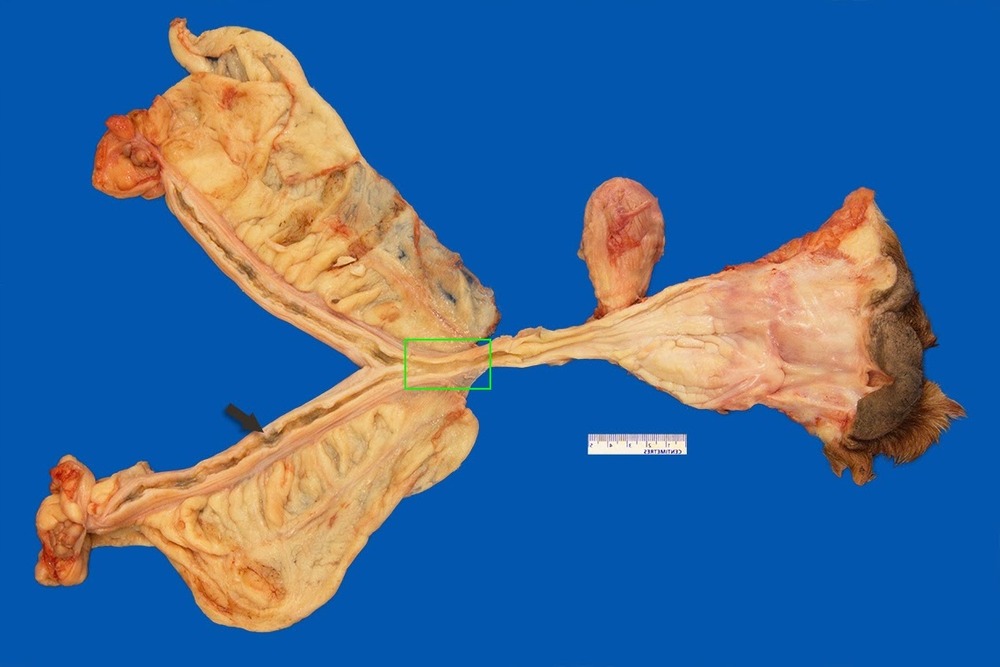
When breeding is part of the plan, reproductive health becomes both a welfare issue and a practical one. Infection, hormonal disorders, and structural problems can reduce fertility and can also put a dog at risk during pregnancy, whelping, or the weeks that follow.
How reproductive issues can affect fertility
Some conditions directly reduce fertility (for example, ovarian disease or testicular tumours). Others affect breeding potential indirectly, through discomfort, systemic illness, or complications that make pregnancy unsafe. Prostate disease in males can also impact breeding outcomes and may require targeted management to preserve fertility in breeding dogs.1, 10
Breeding ethics and hereditary risk
Breeding decisions are rarely simple, but there are a few clear principles that help protect dogs and future puppies. Specialist reproductive bodies emphasise breeding from healthy dogs, assessing hereditary disorders before breeding, and working with a veterinarian on a breeding plan that aims to minimise the production of inherited defects. They also advise that cryptorchid dogs should not be bred.6, 9
Final thoughts
Reproductive tract problems in dogs often look ordinary at the start. A change in drinking, a new discharge, a shift in toileting habits, or a dog who just does not seem quite themselves. The best outcomes usually come from noticing those changes without panic, and getting them assessed while your dog is still stable.
If you take nothing else from this, let it be this: timing matters. Pyometra, acute prostatitis, and testicular torsion are not conditions to watch for a few days. When signs point in that direction, the kindest next step is a same-day veterinary visit.
References
- Merck Veterinary Manual: Benign Prostatic Hyperplasia in Dogs
- Merck Veterinary Manual (Dog Owners): Reproductive Disorders of Female Dogs
- Merck Veterinary Manual: Prostatitis in Dogs
- Merck Veterinary Manual: Cystic Endometrial Hyperplasia, Pyometra Complex in Small Animals
- Merck Veterinary Manual: Vaginitis in Small Animals
- Merck Veterinary Manual (Dog Owners): Reproductive Disorders of Male Dogs
- Merck Veterinary Manual: Prevention or Termination of Pregnancy in Dogs and Cats
- RSPCA Pet Insurance: When should I have my dog desexed?
- Society for Theriogenology: Position Statements (including spay and neuter guidance)
- Cornell University College of Veterinary Medicine: Reproductive Medicine