

You usually notice it in small, ordinary ways. A dog who cannot settle at night because they are scratching, a new rash under the collar, a smell that comes back too soon after a bath, or a patch of coat that has thinned for no obvious reason. Skin problems can look dramatic, but more often they start as a quiet change in comfort, grooming, or behaviour.
It is tempting to assume it is “just dry skin” or “a flea thing”, then hope it passes. Sometimes it does. But the skin is also where allergies, parasites, infection, and hormone problems tend to show themselves first. When you learn what different patterns can mean, you get better at deciding what can wait, what needs a vet visit, and what helps your dog feel comfortable in the meantime.
What matters most, in practice, is not memorising a list of diseases. It is recognising the early signs, understanding why skin issues so often become repeat problems, and building a simple plan for prevention and follow-up when flare-ups happen.
Common skin diseases in dogs, and why they blend together
Veterinary dermatology can sound complex, but many everyday skin presentations fall into a few overlapping buckets: allergies, parasites, and secondary infection. These categories often stack on top of each other. A dog might start with pollen-related itch, then break the skin through scratching, then develop a bacterial or yeast overgrowth that makes the itching worse. In other words, the “first cause” and the “current problem” are not always the same thing.1, 4
Common patterns you might notice include:
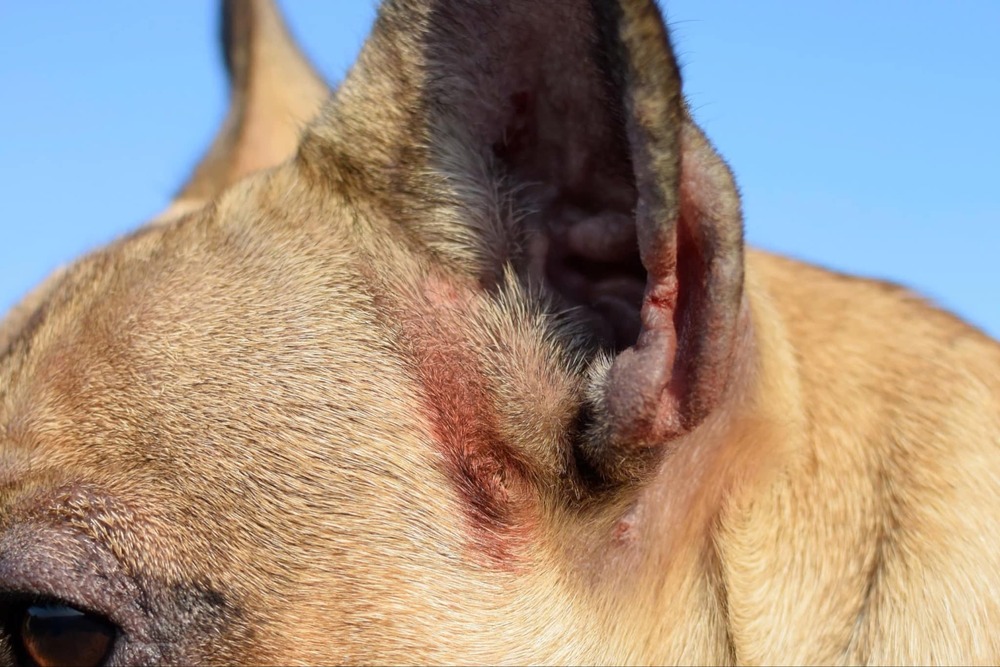
- Itching with recurrent ear or paw problems, which often points towards environmental allergy (atopic dermatitis), sometimes with infection as a complicating factor.1
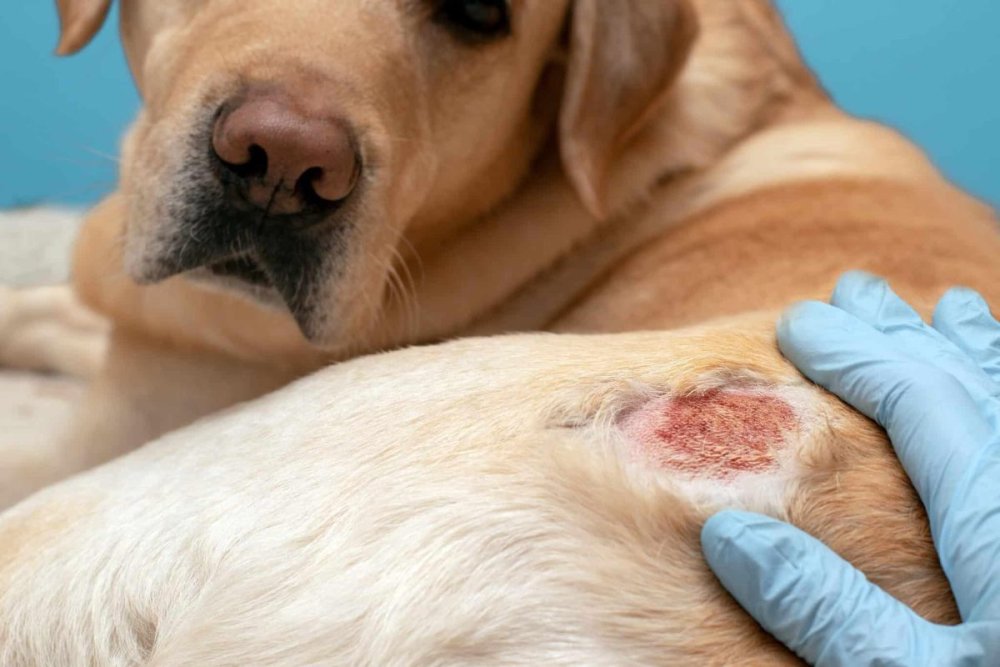
- Sudden, wet, angry-looking patches (often called hot spots, or acute moist dermatitis), usually triggered by licking and chewing after an itch or irritation.2
- Crusts, pimples, or “scabby bumps”, which can fit with superficial bacterial infection (pyoderma), often secondary to allergies, fleas, or other triggers.4
- Hair loss in circular patches, which is one possible presentation of ringworm (dermatophytosis), but can overlap with other causes of hair loss, too.6
Why early attention helps
Skin rarely improves with “leave it and see” once a dog is in a scratch-lick cycle. Early treatment can mean a smaller area involved, less discomfort, and fewer secondary infections to clear. It also makes it easier for a vet to work out what started the problem, because the original pattern is still visible.1, 4
Allergic dermatitis, the itch that keeps returning

Allergic skin disease is one of the most common reasons dogs become persistently itchy. The classic form is canine atopic dermatitis, where a dog is predisposed to react to environmental allergens such as pollens, grasses, mould spores, and dust mites. The itch can be seasonal or year-round, and it often shows up on the feet, face, ears, and belly.1, 2
Food allergy can also cause itchy skin, but it is often misunderstood. It is usually a reaction to a protein in the diet, and it tends to develop over time rather than appearing immediately after trying a new food. Because the signs overlap with environmental allergy, vets often use a structured elimination diet trial to sort out whether food is playing a role.2
What “allergy skin” can look like at home
You might see paw licking, face rubbing, recurrent ear infections, or a dog who seems restless because they cannot stop scratching. It is also common for allergy-prone dogs to develop bacterial or yeast overgrowth, which can add odour, redness, and more itch. That does not mean you have “missed it”. It means the skin barrier is under strain and needs a broader plan, not just spot treatment.1
Flea allergy dermatitis deserves its own mention
Some dogs react intensely to flea saliva. For them, a single bite can trigger days of itching, and you may not find fleas at all. When flea allergy dermatitis is part of the picture, near-complete flea control becomes the foundation of management, not an optional extra.3
Parasites, from obvious fleas to hard-to-spot mites

External parasites can create intense itch and inflammation, and they can also trigger secondary infection. Fleas are the best known, but mites can be surprisingly important, especially when itching is severe or when the response to standard treatments is inconsistent. A vet may recommend skin scrapings or other tests if mites or other parasites are suspected.1
Practical prevention that actually holds up
Most households do best with a simple, consistent plan rather than occasional treatments. If you are trying to prevent flare-ups, focus on:
- Year-round parasite prevention suited to your dog’s risk and lifestyle (your vet can match this to your region and exposure).3
- Regular coat checks, especially after bushwalks or long grass.
- Washing bedding and vacuuming areas where your dog rests, which can reduce environmental load for both fleas and allergens.2
Bacterial and fungal infections, often secondary to something else
When people talk about “skin infection”, they often mean what vets call pyoderma, a bacterial infection of the skin. In dogs, superficial pyoderma commonly follows a trigger such as allergy, fleas, or another skin condition that disrupts the barrier. Treating the infection helps, but lasting improvement usually requires addressing the underlying trigger as well.4
Signs that point towards infection
Look for pimples or pustules, crusting, red bumps, scabs, smelly or greasy coat, and areas that are tender to touch. Some dogs develop recurring “hot spot” type lesions, where the surface becomes inflamed and moist after chewing and licking. These can progress quickly and usually need veterinary help, both for pain relief and to prevent deeper infection.2, 4
Ringworm (dermatophytosis) and household hygiene
Ringworm is a fungal infection, and it can spread between animals and people. Dogs may have obvious lesions, or they may carry infection with subtle signs. If ringworm is suspected or diagnosed, follow your vet’s advice carefully, and treat it as a household management issue as well as a pet issue. Cleaning, laundering bedding, and sensible hand hygiene make a real difference, especially if anyone in the home is immunocompromised.5
Autoimmune skin diseases, less common but worth recognising
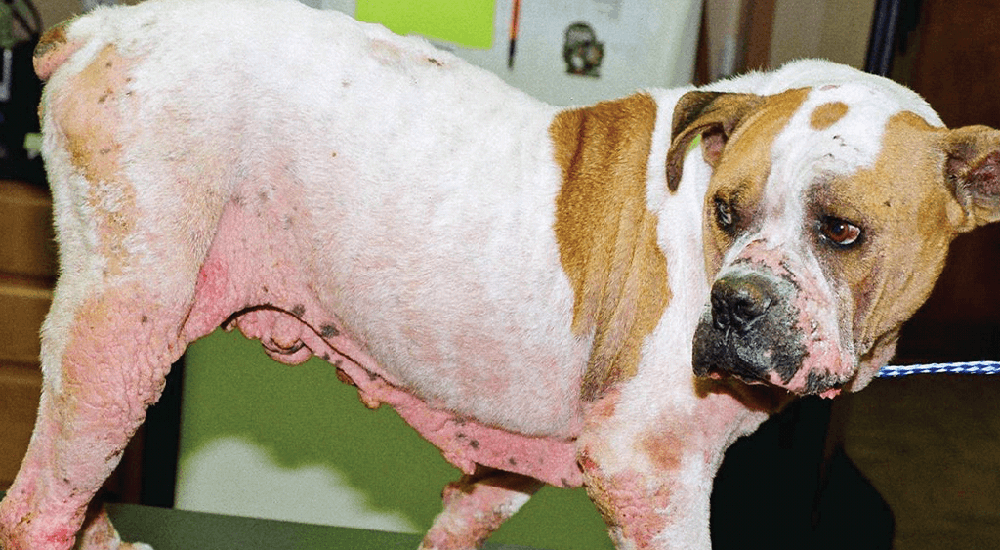
Autoimmune or immune-mediated skin diseases are less common than allergy or infection, but they matter because they can look like “stubborn dermatitis” that never quite fits. Conditions such as pemphigus and lupus can cause crusting, erosions, ulcers, or changes around the nose and face. Diagnosis often involves a skin biopsy, because the treatment approach is very different to routine infection care.7
When this category is more likely
Consider asking your vet about immune-mediated causes if you are seeing crusting on the nose, persistent facial lesions, or sores that do not respond as expected to standard parasite and infection treatment. It does not mean that is what is happening, but it can be a helpful nudge to broaden the investigation.7
Hormonal (endocrine) skin disorders, the slow changes
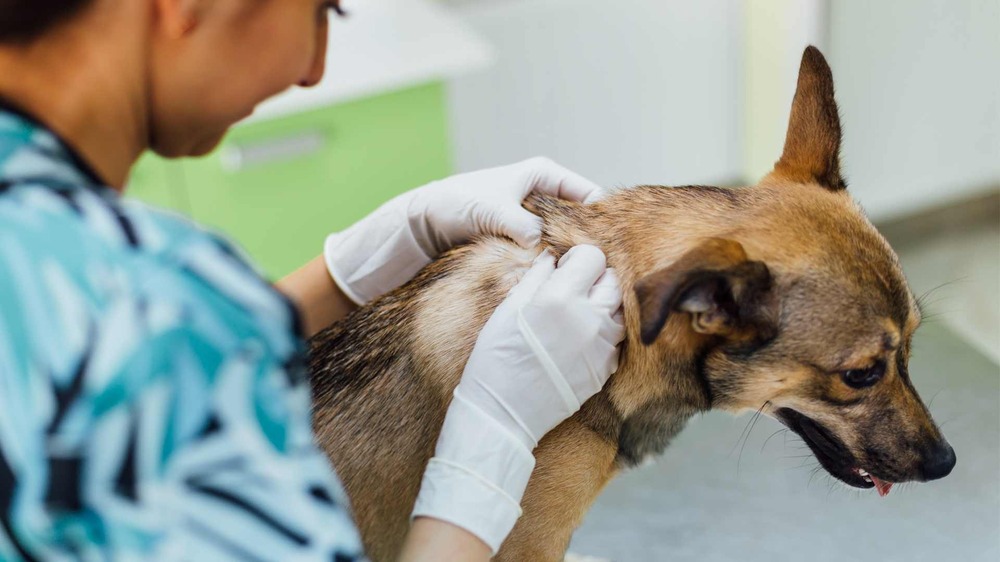
Hormonal skin problems usually move more slowly than allergies or parasites. Rather than sudden itching, you might notice gradual coat thinning, increased shedding, or a coat that seems dull despite normal care. Hypothyroidism can be associated with skin and coat changes including dryness, excessive shedding, and symmetrical hair thinning, sometimes with secondary infection. Itch is not always a primary feature, although it can appear when infection is present.8
Cushing’s syndrome (hyperadrenocorticism) can also cause skin changes such as thinning skin, hair loss, and increased susceptibility to infection, alongside broader signs like increased thirst and urination. These conditions need veterinary diagnosis and ongoing monitoring, but the good news is that many dogs do well once the underlying imbalance is treated.9
Diagnosis and treatment, what vets are doing behind the scenes
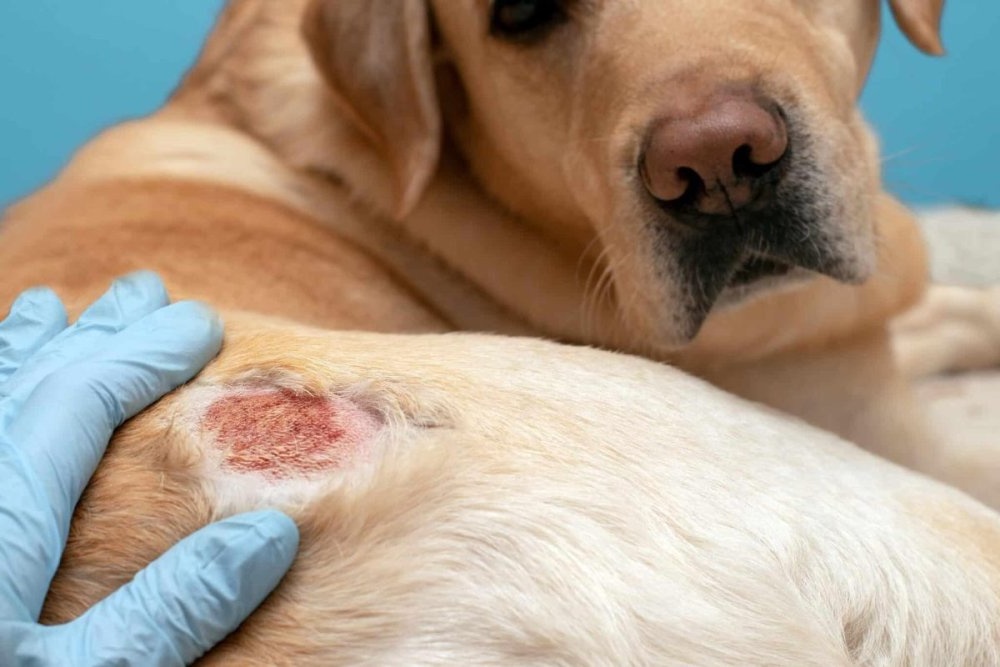
Because skin problems overlap, veterinary diagnosis is often a process of working methodically, rather than guessing. A vet might start with a history and a close exam, then use tests such as skin cytology (to look for bacteria or yeast), skin scrapings (for mites), fungal testing (when ringworm is possible), and sometimes culture or biopsy. This helps avoid the frustrating cycle of temporary improvement followed by relapse.1, 4
Treatment tends to be layered
Effective plans commonly include a mix of approaches:
- Relief of itch and inflammation so the dog can stop self-trauma and rest properly.1
- Treatment of secondary infection with topical therapies and, when needed, systemic medication chosen by a vet.4
- Parasite control, especially if flea allergy dermatitis is possible.3
- Longer-term allergy management, which might include bathing routines, trigger reduction, diet trials, or allergen-specific immunotherapy in selected cases.1
If you feel like you are always “chasing the next flare”, that can be a sign the underlying driver is still active. It is not a failure of effort. It is often a cue to step back and rebuild the plan with your vet, including what you are aiming to prevent, not just what you are trying to stop today.
Prevention and day-to-day maintenance that supports healthy skin
Prevention is rarely glamorous. It is mostly about small routines that keep the skin barrier steady, reduce triggers, and help you notice early changes.
Simple habits with outsized impact
- Keep parasite prevention consistent, including environmental management when needed.3
- Brush regularly so you can spot redness, dandruff, scabs, or parasites early.
- Bathe when it is helpful, but avoid over-washing, which can dry the coat and skin. If you are unsure about frequency or products, ask your vet, especially for dogs with allergies.1, 10
- Wash bedding and keep favourite resting spots clean, particularly for dogs prone to allergies or recurrent infection.2
When to book a vet visit sooner
As a general rule, it is worth booking promptly if there is rapid spreading, oozing, marked pain, significant hair loss, repeated ear infections, or any concern about ringworm in a household with children or immunocompromised people.5
Final thoughts
Dog skin problems can be surprisingly persistent, partly because the original trigger and the current symptoms are not always the same thing. Once you start looking, patterns become clearer: where the itch is centred, whether it is seasonal, whether infections keep returning, and what changes with parasite control or diet.
With calm observation, consistent prevention, and a vet-led plan for diagnosis when needed, many dogs end up far more comfortable than they were when the first scratching started. The aim is not perfect skin all the time. It is a dog who can sleep, play, and settle without their skin getting in the way.
References
- Merck Veterinary Manual: Canine Atopic Dermatitis
- RSPCA Pet Insurance: Common cat and dog skin conditions
- Merck Veterinary Manual: Flea Allergy Dermatitis in Dogs and Cats
- Merck Veterinary Manual: Pyoderma in Dogs and Cats
- American Academy of Family Physicians: Pet-Related Infections (Dermatophytosis section)
- ASPCApro: Ringworm Management for Animal Shelters
- Merck Veterinary Manual: Nasal Dermatoses of Dogs
- Merck Veterinary Manual: Hypothyroidism in Animals
- Merck Veterinary Manual: Cushing Syndrome (Hyperadrenocorticism) in Animals
- RSPCA Pet Insurance: How to manage a dog allergy