

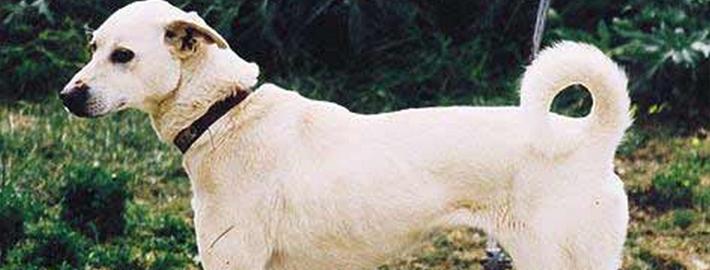
You might come across the Cretan Hound because you have seen a lean, long-legged dog moving like it was built for rocky ground, or because someone has mentioned a rare Greek hunting breed called the Kritikos Lagonikos. Sometimes it is a photo online that catches the eye, a dog with a curled tail and an alert, contained way of watching the world.
It is tempting to assume that an “ancient” breed must be either fragile or wildly untrainable. In practice, the picture is more ordinary and more interesting. The Cretan Hound is a working dog shaped by landscape and purpose, and those two things still show up in daily life through exercise needs, a strong interest in scent and movement, and a preference for doing things with you, not just for you.
If you are considering one, or you are simply trying to understand a dog you have already met, it helps to look past the romance and focus on how the breed is described by its own standard, and what that means for training, health care, and a comfortable home routine.1
Quick profile: Cretan Hound at a glance

- Also known as: Kritikos Lagonikos (Cretan Hound)1
- Origin: Crete, Greece1
- Traditional role: Hunting dog, especially for hare1
- Build and coat: Medium-sized, slim, athletic, short-coated1
- Exercise needs: High, benefits from daily movement and purposeful activities
- Grooming: Low, with routine brushing and basic hygiene
Origins and cultural footprint
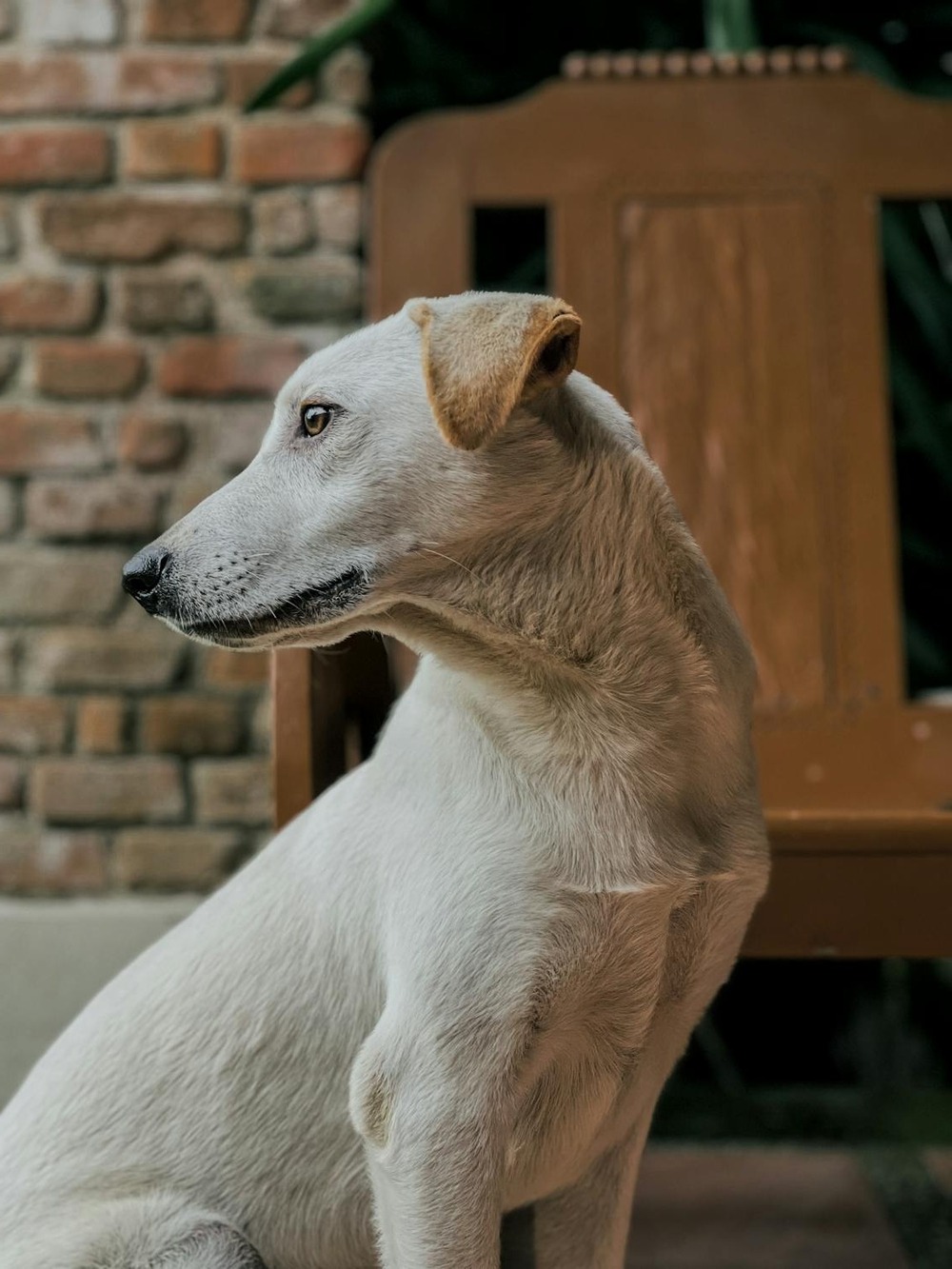
The Kritikos Lagonikos is described by the Kennel Club of Greece as an ancient dog from Crete, with its form appearing in artwork across long spans of Cretan history. That matters less as a bragging right, and more because it hints at continuity: this is a dog shaped by the same combination of terrain, hunting style, and human expectations for a very long time.1
In practical terms, the “cultural significance” shows up in the way many owners describe the breed today: not flashy, not heavy-bodied, and not built to be sedentary. The standard places emphasis on an athletic, primitive type hound, and on hunting behaviour that uses all senses, including scent carried along the ground and in the air.1
It is also worth noting that recognition can be complex for rare regional breeds. You may see the Cretan Hound discussed as a Greek national breed, and also see commentary around broader international recognition and exposure at major dog shows. If you are looking for a breeder, a club, or an official standard, start with the Greek breed standard rather than social media summaries.1
What the Cretan Hound looks like, and why it matters
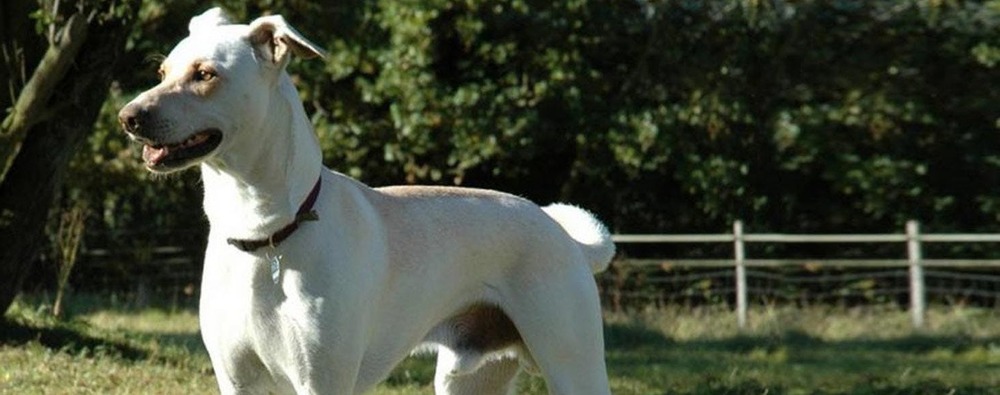
The Cretan Hound is typically described as medium-sized, slim, fast, and short-coated, with long legs, a wedge-shaped head, and a curled tail. The overall impression is a dog designed to move efficiently across difficult ground, not a dog built for bulk or for cold weather comfort.1
Those physical traits carry everyday implications. A light, athletic build often pairs with high exercise drive, quick changes of direction, and a tendency to find boredom in repetitive routines. Owners usually do best when they plan for secure spaces, a reliable recall (or management where recall is not realistic), and enrichment that uses the dog’s senses rather than only distance walked.
The short coat is convenient, but it can mean less insulation. If you live in a colder part of Australia, you may find your dog needs sensible warmth at night and after getting wet, especially if they are lean.
Temperament, prey drive, and family life
The breed standard describes a dog that is smart, enduring, and persistent in the field, and also an excellent companion that can be reserved with strangers but not aggressive. That combination is common in practical working breeds: capable and observant outdoors, and more settled when their daily needs are met.1
A common sticking point for hounds is the gap between obedience and instinct. A Cretan Hound can learn cues quickly, but that does not remove the underlying pattern of noticing movement, checking scent, and wanting to follow it. It is more helpful to think in terms of training plus management, rather than training as a guarantee.
With children and other pets, early socialisation and calm boundaries matter. Many individuals can live well in a family setting, but the breed’s hunting background means it is sensible to assume some level of chase behaviour until you have reliable evidence otherwise. Small pets and wildlife in the garden are an especially important consideration.
Training that fits a hound brain
When people struggle with hounds, it is often because the training plan is built around repetition and compliance, rather than engagement. With an intelligent, independent hunting dog, you will usually get better results from short sessions, clear rewards, and exercises that feel relevant to the dog.
Useful focus areas include:
- Recall foundations in low-distraction environments, building gradually
- Loose-lead walking using reinforcement, not constant correction
- “Leave it” and disengage skills around food and movement triggers
- Scent games and tracking-style activities that give the dog an “approved outlet”
If you need professional help, look for a trainer who is comfortable with sighthound and scent hound behaviour, and who can explain how they handle prey drive safely and ethically.
Exercise and enrichment: meeting the dog in the middle
A Cretan Hound generally needs more than a quick lap of the block. Daily exercise is important, but so is variety. A long lead sniff walk, a safe run in a secure area, and structured scent work can be more settling than the same brisk walk every day.
If you are weighing up whether the breed suits apartment living, the issue is usually not square metres alone. It is whether you can reliably provide safe off-lead style movement (or a safe substitute), plus quiet recovery time. An under-exercised athletic hound often becomes a self-employed problem solver.
Health considerations and preventative care
The Cretan Hound is often described as relatively healthy, but no breed is risk-free. Sound breeding, sensible growth management in puppies, and routine veterinary care all matter more than any single claim about “hardiness”.
Because hip dysplasia is a concern across many medium and larger dogs, it is reasonable to ask breeders what screening they do, and how they interpret results. Organisations such as the Orthopaedic Foundation for Animals (OFA) outline hip screening and evaluation processes, including the use of properly positioned radiographs and the role of muscle relaxation through sedation or anaesthesia where appropriate.7
For owners, practical joint care looks like this:
- Keep your dog at a lean, stable weight
- Avoid repetitive high-impact jumping during rapid growth phases
- Discuss conditioning and supplements with your vet if your dog is ageing or highly active
Grooming, feeding, and everyday care
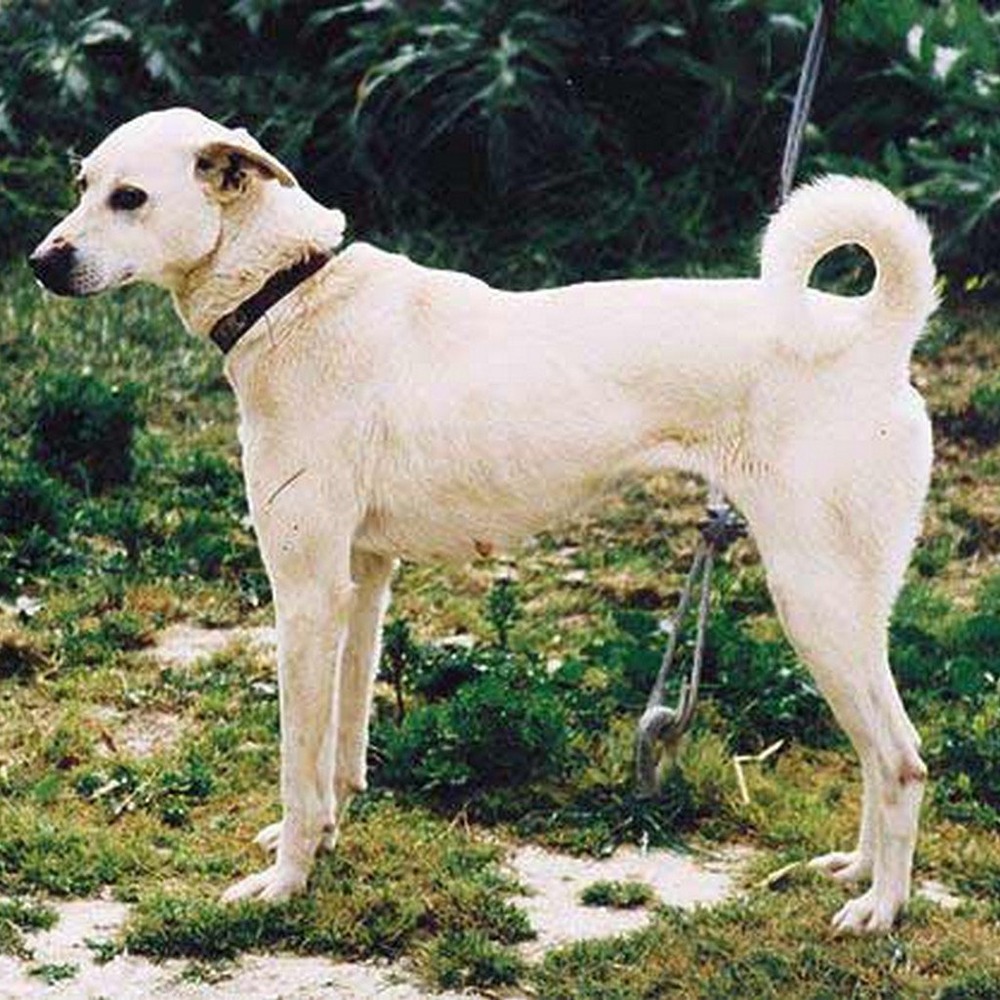
The short coat is usually straightforward: occasional brushing to lift loose hair, plus regular nail trims, ear checks, and dental care. The low-maintenance coat can hide the fact that active dogs often pick up small cuts or grass seeds, so a quick post-walk check is a good habit.
Feeding should suit an athletic dog without pushing them into excess weight. Choose a complete and balanced diet appropriate for life stage, and use treats thoughtfully, especially if you are doing a lot of reinforcement training.
Some food safety points are worth being strict about. Grapes and raisins can cause acute kidney injury in dogs, and the toxic dose is unpredictable, so any ingestion should be treated as serious and discussed with a vet urgently.3 Chocolate is also toxic to dogs because of theobromine and caffeine, with darker products generally carrying higher risk.2, 4
Choosing a Cretan Hound responsibly
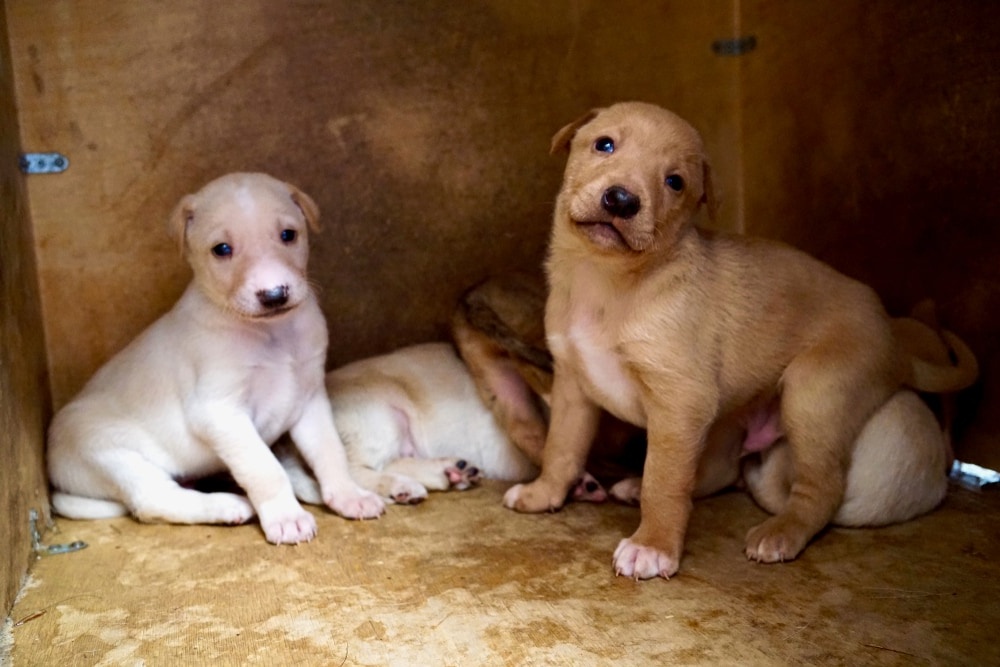
Because the breed is rare in many countries, the most important step is slowing down. Try to meet adult dogs if you can, ask what the dogs are like to live with on an ordinary Tuesday, and request clear information about health testing and temperament.
Good signs include:
- Transparent health screening and a willingness to explain results
- Puppies raised with thoughtful exposure to household life, handling, and novelty
- A breeder who asks you detailed questions about your routine and containment
If your priority is a dog who will happily potter without much daily exercise, this may not be the easiest match. If your priority is an athletic companion for an active life, and you enjoy training as a relationship rather than a checklist, the Cretan Hound can make a great deal of sense.
Final thoughts
The Cretan Hound is easiest to appreciate when you see it as a working dog first, and a pet second. That is not a barrier to family life, but it is a reminder to respect what the dog was built to do.
When people get it right with this breed, it is usually because they provide daily movement with purpose, thoughtful socialisation, and a home setup that anticipates chasing, scenting, and curiosity. The reward is a companion that is athletic, observant, and quietly distinctive.
References
- Kennel Club of Greece: Kritikos Lagonikos / Cretan Hound (breed standard)
- RSPCA Australia Knowledgebase: Why is chocolate toxic to dogs and other animals?
- Cornell University College of Veterinary Medicine: Grape and raisin toxicity
- US FDA: Leave chocolate out of Rover's celebrations
- American College of Veterinary Pharmacists: Chocolate (pet poison control information)
- Orthopaedic Foundation for Animals (OFA): Hip Dysplasia
- Orthopaedic Foundation for Animals (OFA): Hip Screening Procedures
- Orthopaedic Foundation for Animals (OFA): Preliminary Evaluations for Animals Under 24 Months
- Wikipedia: Cretan Hound (overview and alternate names)