


- Breed category: Herding
- Country of origin: Croatia
- Typical height: 40 to 50 cm at the shoulder1, 2
- Typical weight: about 13 to 20 kg3, 4
- Typical lifespan: around 12 to 14 years3, 5
- Coat: wavy to curly, with shorter hair on the head and legs1, 6
- Colour: black, with limited white permitted in some standards4, 7
- Exercise needs: high, benefits from daily physical and mental work
- Grooming needs: moderate, regular brushing helps prevent tangles
- Best suited to: active households, rural or suburban homes with time for training and enrichment
People usually end up looking into the Croatian Sheepdog after meeting one that seems to be in constant motion. It might be a compact black dog at an agility day, a rare breed at the park, or a working dog on a small farm. What stands out is not just the curly coat, but the way it watches and responds to movement, as if it is quietly keeping track of everything.
It can be tempting to assume that a herding breed is automatically easy if you have a backyard and a daily walk. In practice, these dogs often do best when their brains are kept busy as well as their bodies. Without that, the same qualities that make them sharp workers can spill into restless pacing, busy barking, or an urge to control motion around the home.
When the match is right, a Croatian Sheepdog can be a steady, capable companion that enjoys learning and thrives on routine. The details matter: not just size and grooming, but how you plan to live with a dog that was shaped for decision-making and endurance over long days in the field.
Origins and working background
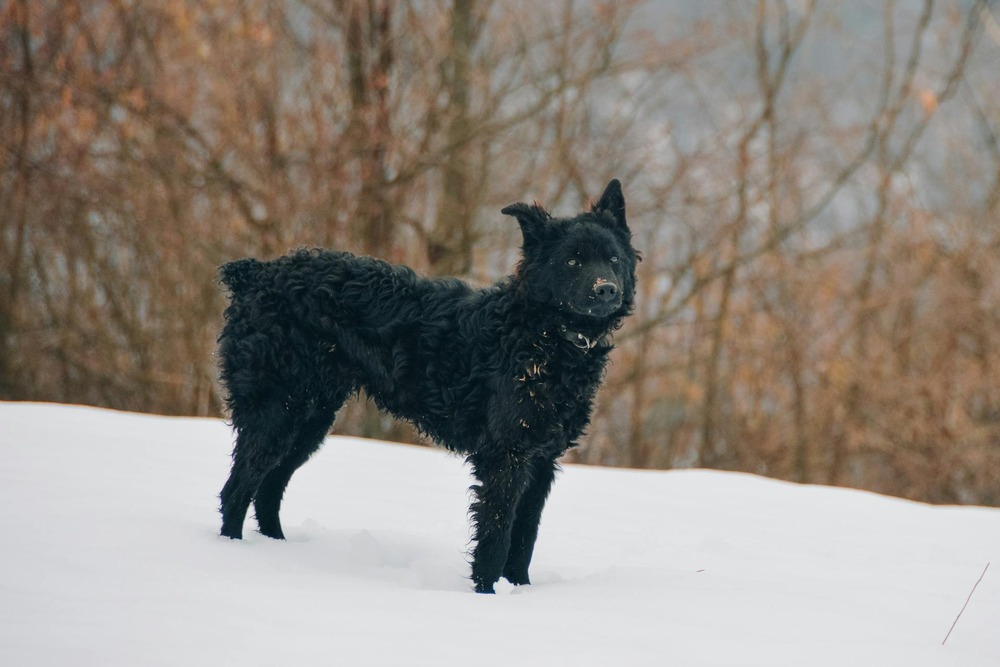
The Croatian Sheepdog (Hrvatski ovčar) is a traditional herding dog from Croatia. Written references to sheepdogs in the region are often linked to the year 1374, although the exact continuity between early descriptions and the modern breed is not always straightforward to prove.8, 7
What is clear is that the modern breed was developed for practical farm work: moving and managing livestock with speed, responsiveness, and the ability to work closely with people. Breed standards still reflect that heritage, describing a lively, attentive dog with strong herding instinct and a functional coat suited to variable weather.1, 7
International recognition is sometimes reported with different dates depending on the organisation and whether the reference is to acceptance, publication of standards, or national recognition. The Croatian Sheepdog is recognised by the FCI, with key milestones recorded in FCI breed information.2
What they look like in everyday life
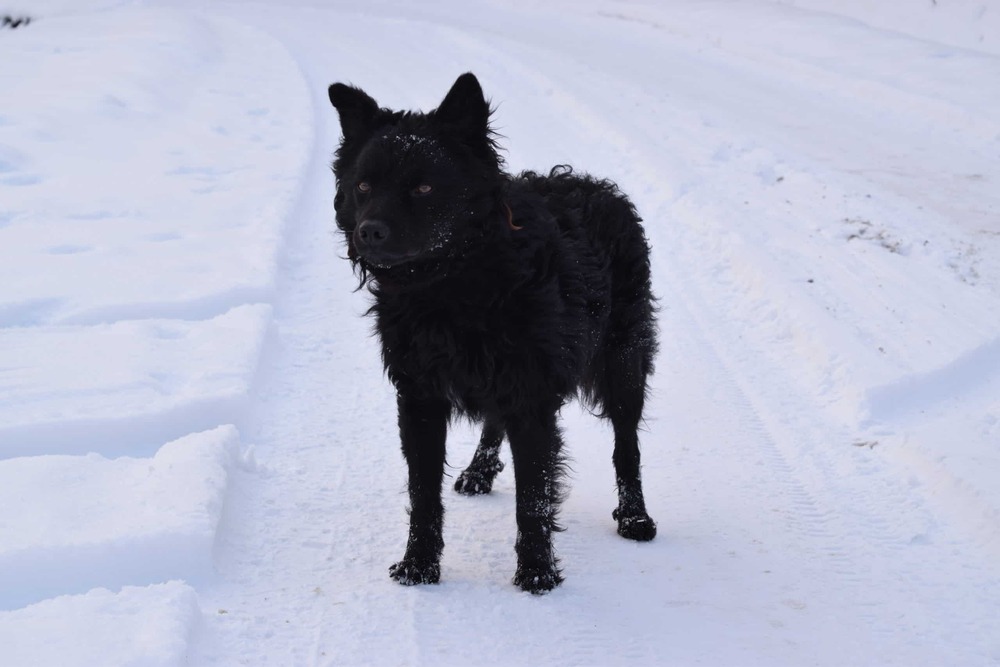
The Croatian Sheepdog sits at the lower end of medium size, typically around 40 to 50 cm at the shoulder. The body tends to be slightly longer than tall, giving a practical, rectangular outline rather than a square one.1, 2
The coat is one of the breed’s signatures: wavy to curly on the body, with shorter hair on the head and legs noted as characteristic in the FCI standard. The base colour is black. Some standards allow limited white markings in specific areas, while more extensive white is treated as a fault or disqualification depending on the registry.1, 4, 7
Ears are typically carried erect, and the tail may be carried curved over the back when the dog is alert. You may also see variation because of different lines, local practices, and what is common in working dogs versus show dogs in different countries.7
Temperament, instincts, and household fit
Most people notice the mind first. Croatian Sheepdogs are often described as lively and attentive, and that tends to show up as quick learning and strong pattern recognition. In the home, it can look like a dog that anticipates routines, tracks movement, and is ready to respond when something changes.7
That responsiveness is a gift, and also the main management task. Herding dogs are wired to notice motion and influence it. If there is not a clear outlet, some dogs will rehearse those instincts on kids running through the house, visiting dogs at the fence, bicycles, or even the general flow of family life. It is not “bad behaviour” so much as unmet working tendencies showing up in the easiest place available.
They can suit family life well when adults are realistic about time, supervision, and training. With children, the aim is not to rely on the dog’s “gentleness” as a fixed trait, but to set everyone up for success: calm introductions, structured play, and teaching kids how to pause and give the dog space when it is getting over-aroused.
Training and socialisation that actually helps
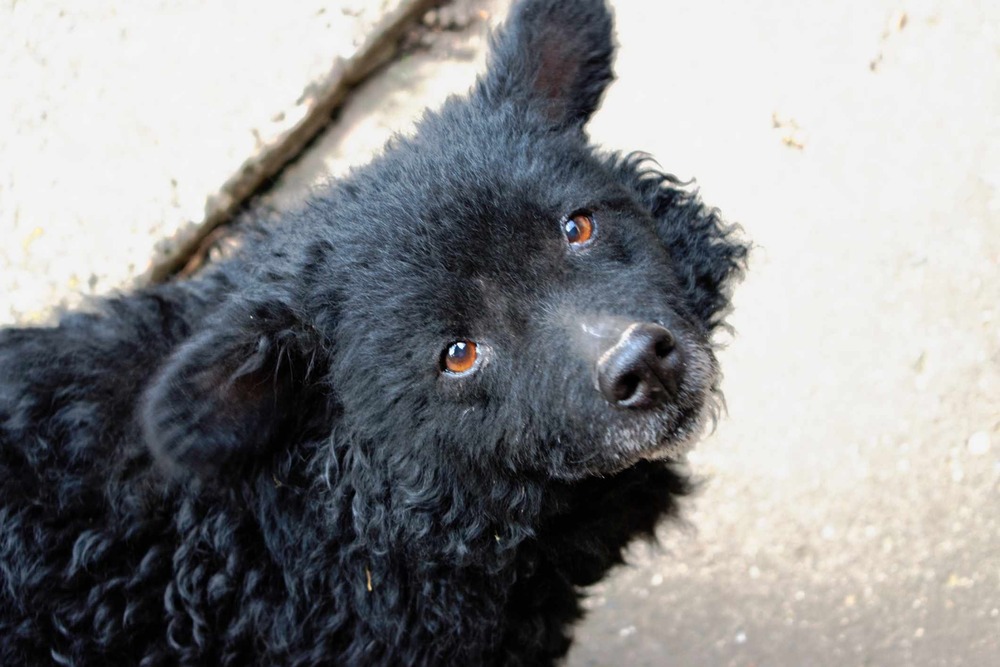
With a bright herding breed, training tends to work best when it is clear, consistent, and rewarding. Many dogs in this group respond well to modern reward-based approaches because they are sensitive to feedback and enjoy problem-solving. Harsh corrections can suppress behaviour in the moment while leaving the underlying arousal or uncertainty unchanged, which is rarely helpful long-term.
Socialisation is often misunderstood as “meet lots of dogs”. In practice it is more about safe, controlled exposure to people, surfaces, sounds, handling, travel, and everyday environments, paired with good outcomes. The AVSAB has long emphasised that the primary socialisation period is within the first three months of life, and that it should be approached thoughtfully and safely, including considerations around vaccination timing and risk management.9
If you are bringing home a puppy, it helps to plan for:
- short sessions that end before the puppy is overwhelmed
- handling practice (ears, paws, mouth) paired with rewards
- calm observation of the world, not just direct interaction
- skills that prevent trouble later, such as settle-on-a-mat and recall
Exercise and enrichment needs
Most Croatian Sheepdogs need more than a stroll around the block. They tend to do best with a blend of aerobic exercise and work that engages the brain, such as structured training, scent games, agility foundations, and herding-style outlet games (done safely and with guidance).
A useful way to think about it is “daily movement plus daily thinking”. When both are present, many dogs become easier to live with indoors because they can genuinely rest. When only physical exercise is offered, some dogs simply become fitter and more demanding.
If you live in a smaller home, that does not automatically rule the breed out, but it does mean you will need a plan. Predictable routines, quiet rest spaces, and intentional enrichment often matter more than square metres alone.
Health, lifespan, and preventative care
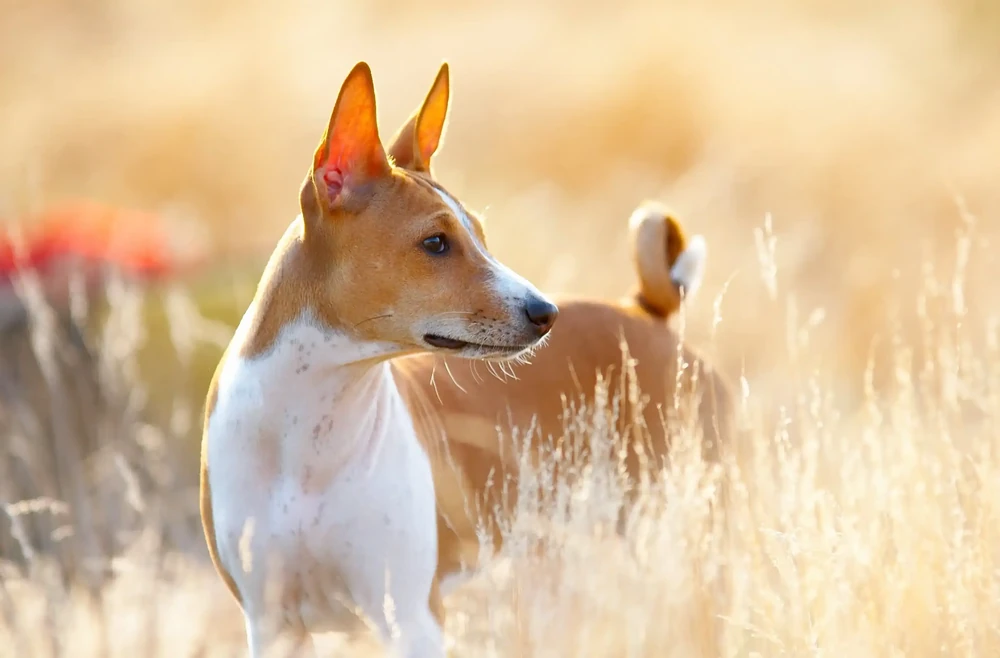
The Croatian Sheepdog is often described as a generally healthy and durable breed, with a typical lifespan commonly reported around 12 to 14 years.3, 5
Even in breeds without a long list of widely reported inherited diseases, good preventative care still does the heavy lifting. That means keeping weight steady, maintaining dental care, staying on top of parasites, and choosing exercise that builds fitness without repeated high-impact strain when the dog is still growing.
If you are considering a puppy, ask breeders about health screening relevant to their lines, and request written proof where possible. If you are adopting an adult, a baseline vet check soon after arrival can help you tailor diet, exercise, and parasite control to the dog you actually have.
Coat care, shedding, and grooming routines
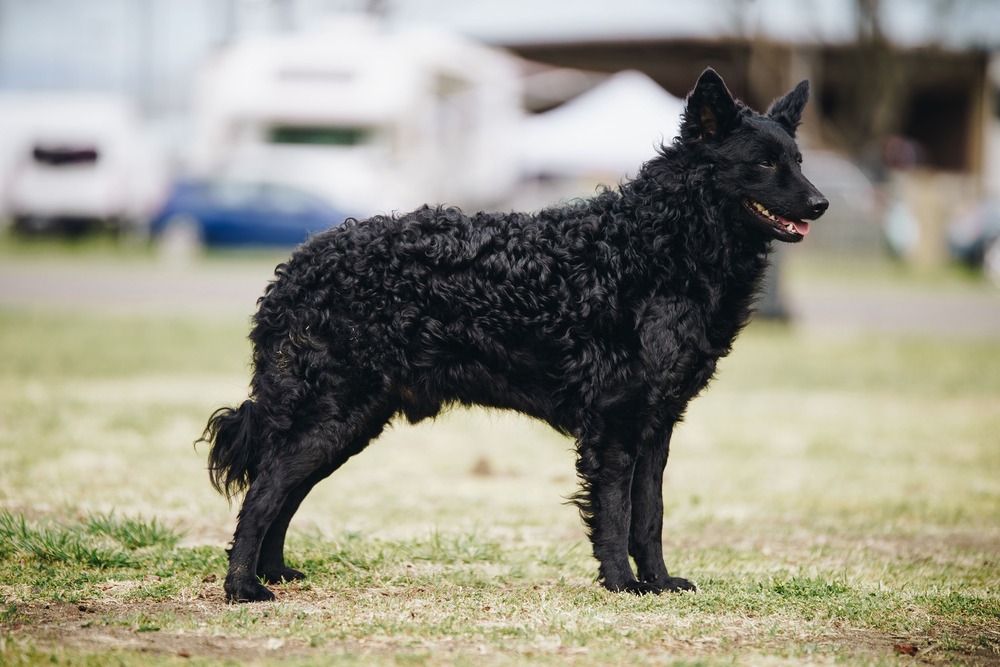
The coat is practical rather than fussy, but it is not a “do nothing” coat. Regular brushing helps prevent tangles and keeps loose hair moving out before it mats down. Pay attention to friction areas like behind the ears, under the collar, and around the hindquarters.
Bathing can be occasional, depending on lifestyle. Over-bathing can dry the skin, while under-grooming can leave dirt and loose undercoat trapped close to the body. Aim for a rhythm that keeps the coat comfortable and the dog easy to handle.
It is also worth building a calm grooming routine early. A dog that can stand quietly for brushing, nail trims, and ear checks is not just convenient, it is a genuine welfare advantage across the dog’s life.
Feeding and nutrition, with a practical eye
Most Croatian Sheepdogs do well on a complete and balanced diet matched to life stage and activity level. For active dogs, the goal is steady body condition and consistent energy, not a constant push for “more protein” or “more calories”. Your vet can help you adjust portions if your dog’s workload changes seasonally.
WSAVA’s Global Nutrition Toolkit includes guidance on choosing a pet food and evaluating manufacturers, which can be especially useful if you feel lost in marketing claims. Looking for transparent labelling, a clear nutritional adequacy statement, and a company that will answer questions about formulation and quality control is a sensible baseline.10
If you are considering raw or home-prepared diets, do it with professional support. Nutrition is not only about ingredients, but also balance over time, food safety, and whether the diet is actually complete for a dog’s needs.
Final thoughts
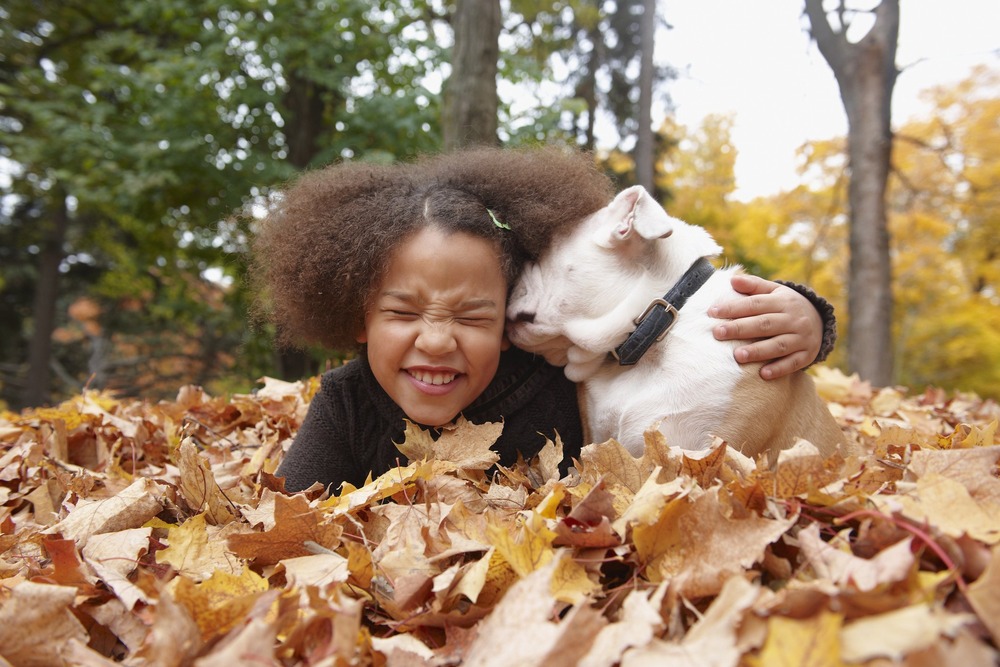
The Croatian Sheepdog tends to suit people who enjoy living with an engaged dog, the sort that notices patterns and wants to be included in the day’s work. If you like training, if you are comfortable giving structure, and if you can provide daily outlets for both movement and thinking, the breed can be deeply satisfying.
If what you want is a low-key companion that is content with minimal activity, it may be worth considering a different type of dog. With herding breeds, the kindest choice is often the most honest one: picking a dog whose needs match your real life, not your best intentions.
References
- Dogs Global: Croatian Shepherd Dog (FCI Standard N° 277 summary)
- Fédération Cynologique Internationale (FCI): Hrvatski Ovčar (Croatian Shepherd Dog) breed information
- Dial A Vet: Croatian Sheepdog dog breed characteristics and care
- United Kennel Club (UKC): Croatian Sheepdog breed standard
- Dogster: Croatian Sheepdog breed overview
- Wikipedia: Croatian Sheepdog (overview and links to standards)
- United Kennel Club (UKC): Croatian Sheepdog breed group overview
- Wilsong Croatian Sheepdogs: history notes and recognition timeline
- American Veterinary Society of Animal Behavior (AVSAB): Position statements (including Puppy Socialization)
- WSAVA Global Nutrition Toolkit: Selecting a pet food (PDF)