

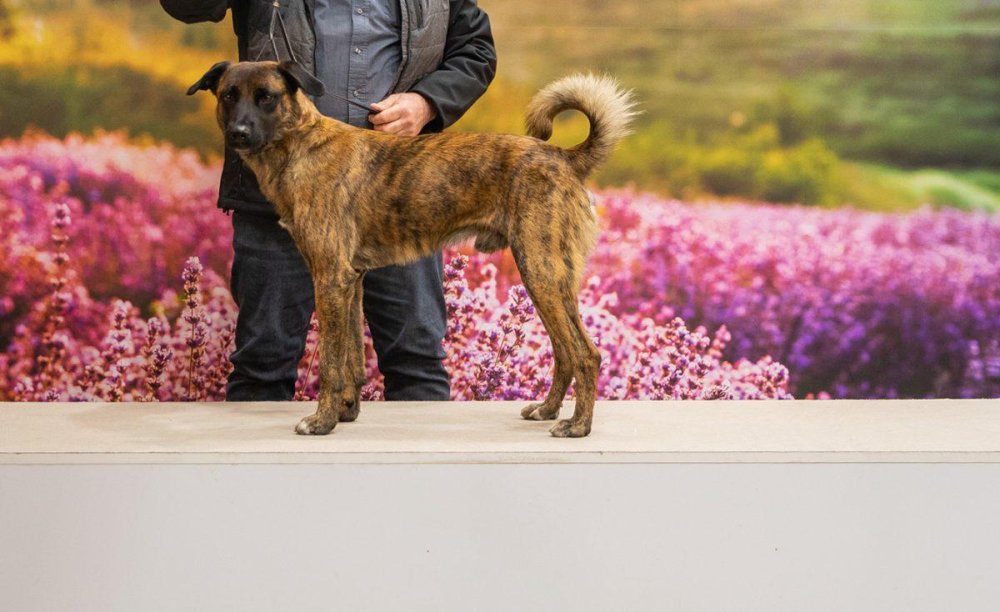
People usually come across the Cursinu in a roundabout way: a photo from Corsica, a mention in a hunting or herding context, or a dog that looks a bit like a primitive spitz type but does not quite match the familiar breeds. Then comes the next question, is it a recognised breed, or a local type that has only recently been formalised?
That uncertainty is fair. The Cursinu (also called the Corsican Dog, or chien corse) has deep roots as an island working dog, but it has remained uncommon outside its home region. In practice, that rarity matters, because it affects everything from finding a well-bred puppy to getting reliable advice about temperament, training, and health.
What tends to surprise people is how grounded the breed is in everyday jobs. The Cursinu was shaped by the realities of rural Corsica, where a dog had to switch between tasks and cope with rough terrain, variable weather, and long days. When you live with one, those working-dog traits tend to show up quietly but consistently.
- Breed type: Versatile working dog from Corsica (France)1, 2
- Height: Females 46 to 55 cm, males 46 to 58 cm (at the withers)1
- Coat: Well-furnished, short or medium length, sometimes with feathering1
- Common colours: Often fawn brindle, also fawn with black overlay, black with fawn markings, limited white permitted1
- Typical life expectancy: Often described around 10 to 15 years in general breed summaries (individuals vary)5
- Kennel club recognition: Recognised by the French kennel club (Société Centrale Canine) since 2003; not currently recognised by the FCI as a breed1, 2
The Cursinu in context, an island working dog
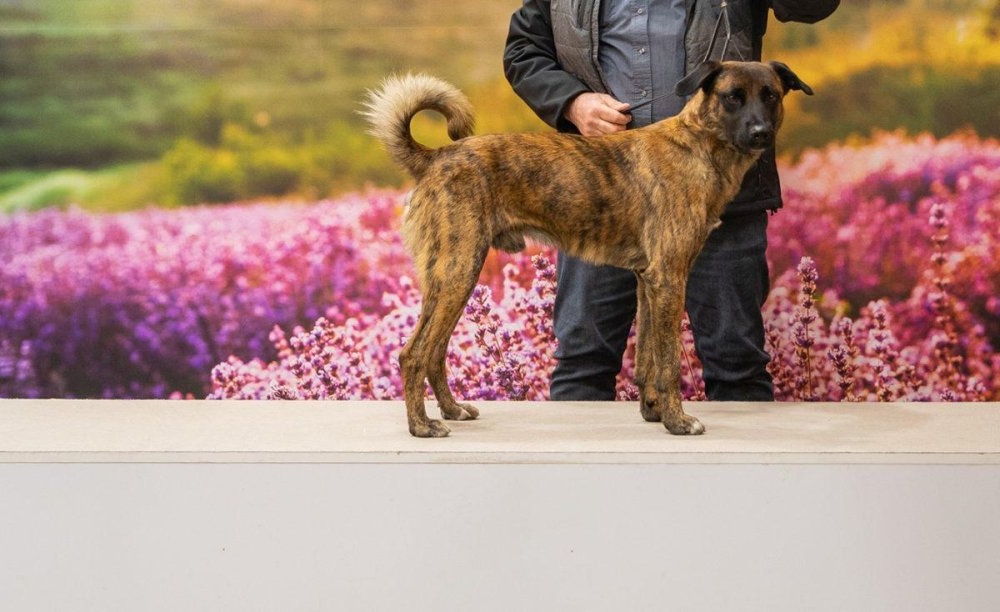
It helps to think of the Cursinu less as a “rare pet breed” and more as a local working dog that has been written into a formal standard relatively recently. The official French standard describes a dog built for balance and practicality: sturdy, medium in size, and able to move well over scrub and uneven ground.1
The same standard is clear about its traditional uses. Historically, the Cursinu was used as a sheepdog, for locating and herding free-range animals such as pigs and cattle, and later more heavily by hunters (including for boar).1 That background is worth keeping in mind when you are trying to interpret the breed’s behaviour in a modern home, because versatility often comes with independence.
Recognition and what it actually means
The Cursinu is recognised by the Société Centrale Canine (the French kennel club) from 2003, with a published breed standard.1, 2 It is also commonly described as not recognised by the FCI, which is one reason it remains less visible in international breed lists.2
In practical terms, recognition status does not tell you whether an individual dog will suit your household. It does affect paperwork, the availability of ethical breeders, and how consistent dogs are likely to be in structure and temperament across different lines.
Temperament and day-to-day behaviour
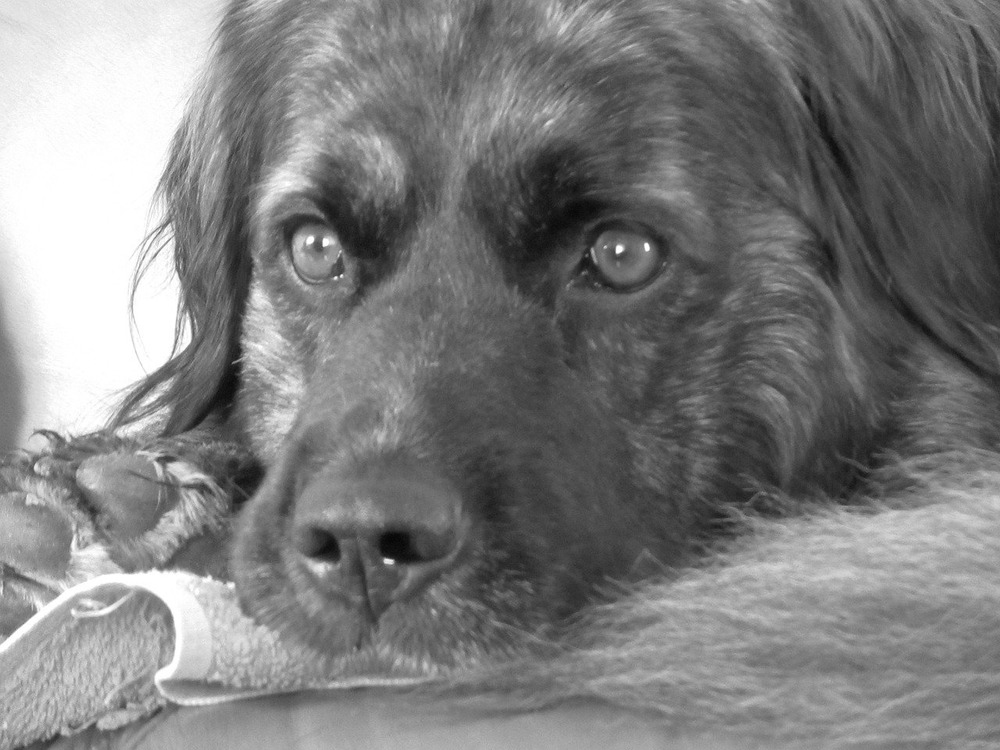
The breed standard describes the Cursinu as docile, loyal, very attached to its owner, and wary of strangers.1 That combination can look like steadiness at home and watchfulness outside, especially in unfamiliar places.
Wary does not automatically mean reactive or aggressive. More often it means the dog may take longer to decide that a visitor is “normal”, or it may prefer to observe rather than rush in. This is where early, well-managed exposure to people, places, and handling makes a real difference, because it gives the dog more information to work with.
The standard also notes that the Cursinu can be calm at home but energetic when in action.1 Owners sometimes interpret this as moodiness, but it is often simply context: a dog that knows when nothing is required, and when it is time to move.
Children and other animals
As with many capable working breeds, a Cursinu can live well with children and other pets when the adults set things up thoughtfully. Aim for calm introductions, clear boundaries around food and resting spaces, and supervision until you know how the dog responds to noise, sudden movement, and play that escalates.
If your household includes smaller animals, remember the Cursinu’s history includes hunting and livestock work.1 Some individuals may have a stronger chase response than others, so it is wise to plan management and training early rather than waiting for a “problem” to appear.
Training and exercise, what helps this breed thrive
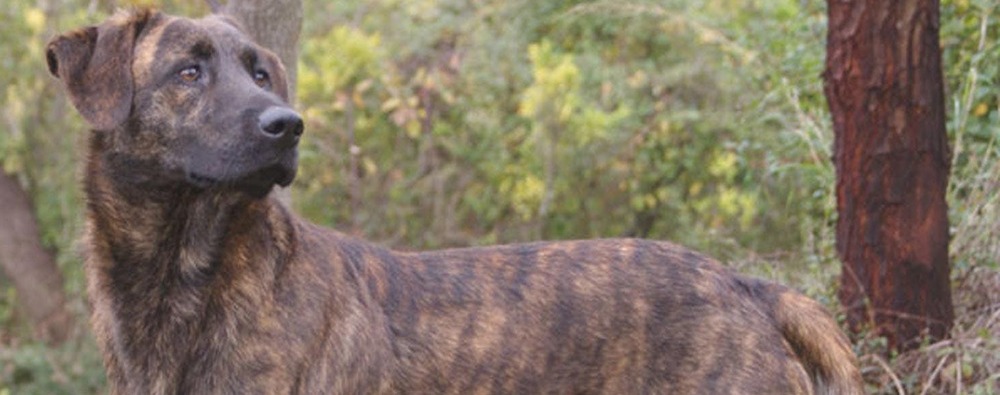
A Cursinu tends to do best with training that is consistent, practical, and rewarding. Think of it as teaching a clever dog to work with you, rather than trying to “make” it comply. The breed standard explicitly places value on balance and adaptability, and that usually pairs best with steady handling rather than heavy pressure.1
Daily exercise matters, but not just in the sense of kilometres walked. Many Cursinu-type dogs seem to settle better when their day includes a mix of movement and problem-solving, such as scent games, short training sessions, and structured freedom where safe.
Useful focus areas
- Socialisation with intent: not flooding the dog, but building positive, repeatable experiences.
- Recall and lead skills: especially important for dogs with a hunting background.
- Handling and husbandry: ears, paws, mouth, grooming, and vet-style touches.
Health and lifespan, what we know and what to watch
The Cursinu is often described as having no particular breed-specific health issues in general summaries, but that should not be mistaken for a guarantee.2 “Generally healthy” still means individuals can develop common canine conditions, and good breeding practices still matter.
For lifespan, general breed summaries often place the Cursinu around 10 to 15 years, with plenty of individual variation depending on genetics, diet, workload, and veterinary care.5
When you are assessing a breeder or rescue, it is reasonable to ask about the health of close relatives, how dogs are raised, and what support is offered after you take the dog home. For broad, everyday care, the same basics apply: vaccinations, parasite prevention, dental care, and a relationship with a local vet who knows your dog’s normal baseline.6, 7
Coat care, grooming, and living conditions
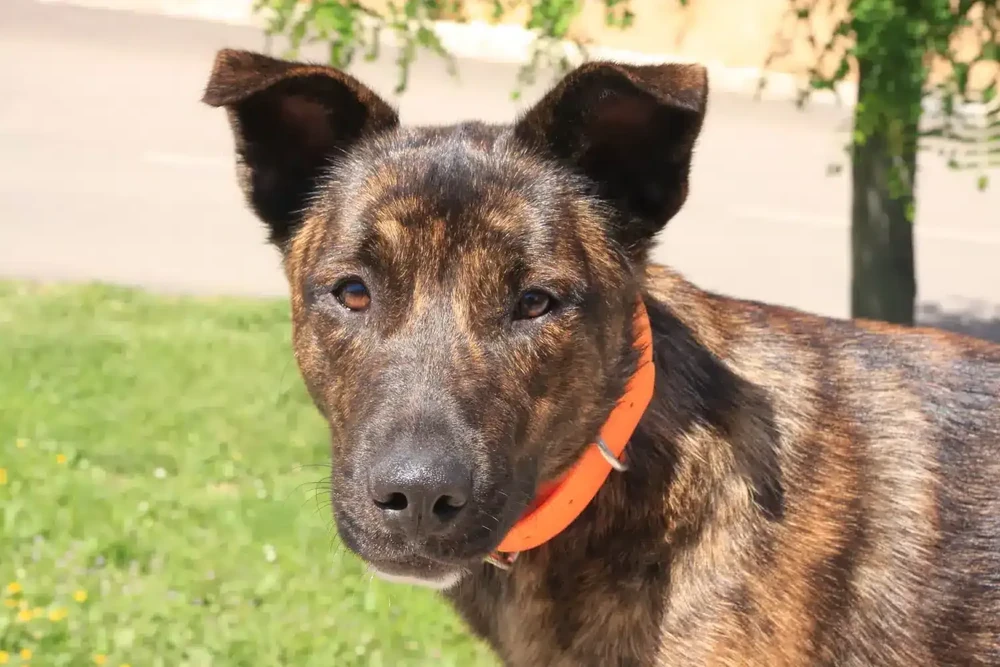
The Cursinu’s coat is described in the breed standard as well-furnished and short or medium length, with feathering in some dogs.1 In most homes, that translates to fairly straightforward grooming: brushing to remove loose hair and debris, and routine checks for grass seeds, ticks, and skin irritation after time outdoors.
Pay attention to ears and feet in particular. Semi-pricked or dropped ear shapes can trap moisture, and active dogs pick up small cuts or abrasions between toes. If you build quick body checks into your routine, most issues are caught early.
In terms of environment, the Cursinu was developed for outdoor work and movement. Many will cope in a suburban home, but they usually do best when they have daily outlets for exercise, sniffing, and training. Space helps, but structure helps more.
Feeding and nutrition, keeping it simple and evidence-based
A Cursinu’s diet should match its size, age, and activity level. If you are choosing a commercial food, look for a complete and balanced diet appropriate for your dog’s life stage, and adjust portions based on body condition rather than the label alone.8
Be careful with “extras”. Treats, chews, and table scraps add up quickly, and some common foods are unsafe for dogs. If you are ever unsure, it is worth checking a reputable toxicology resource rather than relying on social media lists.9
Everyday feeding pointers
- Keep a steady routine, most adult dogs do well on one to two meals a day.
- Use part of the daily food allowance for training, especially during adolescence.
- Ask your vet for help if weight is creeping up or dropping off, because small changes matter over time.
Final thoughts on living with a Cursinu
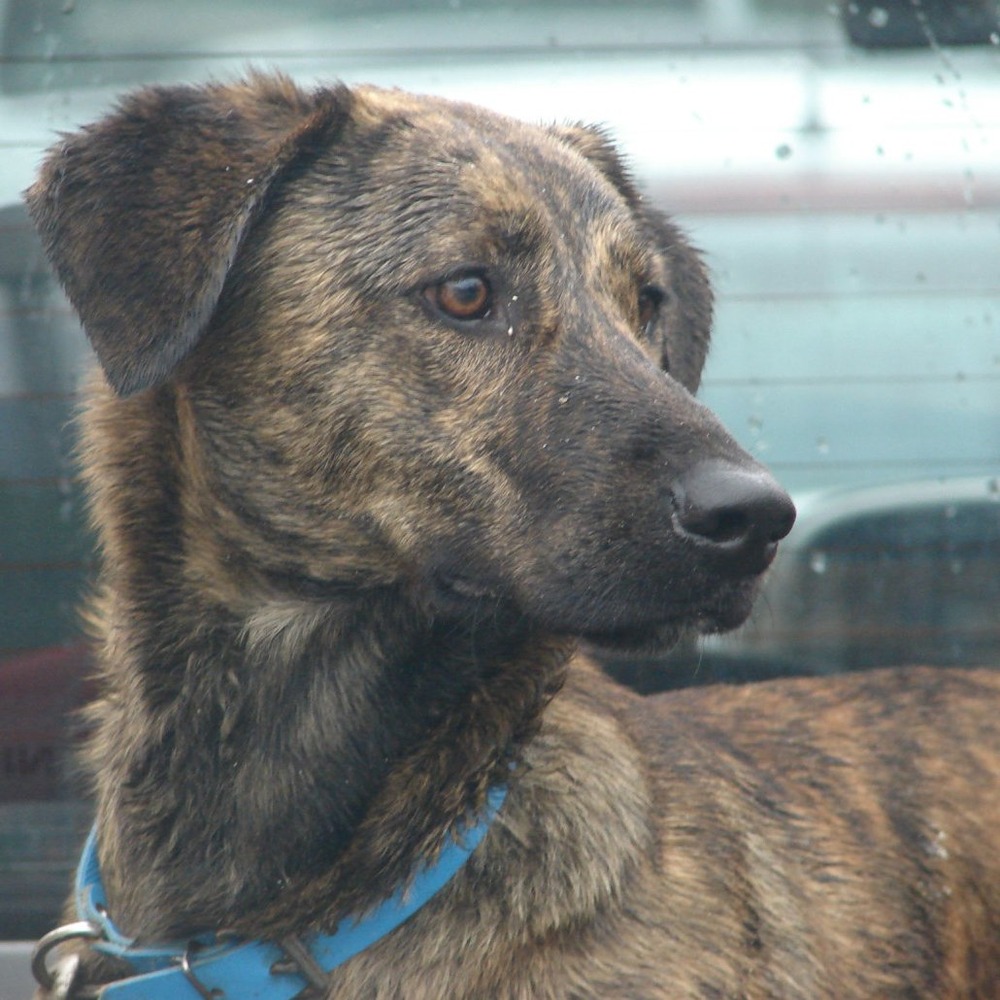
The Cursinu tends to suit people who appreciate a dog that can think for itself, stay composed at home, and then switch on outdoors. Its heritage as a versatile Corsican working dog still shows through in the way it moves, watches, and problem-solves.1
If you are considering one, it is worth being honest about your routine. This is not a breed that thrives on occasional exercise and vague training. With clear daily structure, patient socialisation, and enough purposeful activity, many Cursinu settle into family life in a way that feels quietly capable rather than showy.
References
- Société Centrale Canine (SCC) breed standard (2003): “Cursinu” Corsican Dog
- Dogbible: Cursinu (Corsican Dog) breed overview
- Wikipedia: Corsican Dog (Cursinu)
- American Kennel Club: Puppy socialisation guidance
- Cornell University, Riney Canine Health Center: How long do dogs live?
- RSPCA Australia: What vaccinations does my dog need?
- RSPCA Australia: How can I help keep my dog’s teeth clean?
- WSAVA: Global Nutrition Guidelines
- Australian Animal Poisons Helpline: Pet poison information