

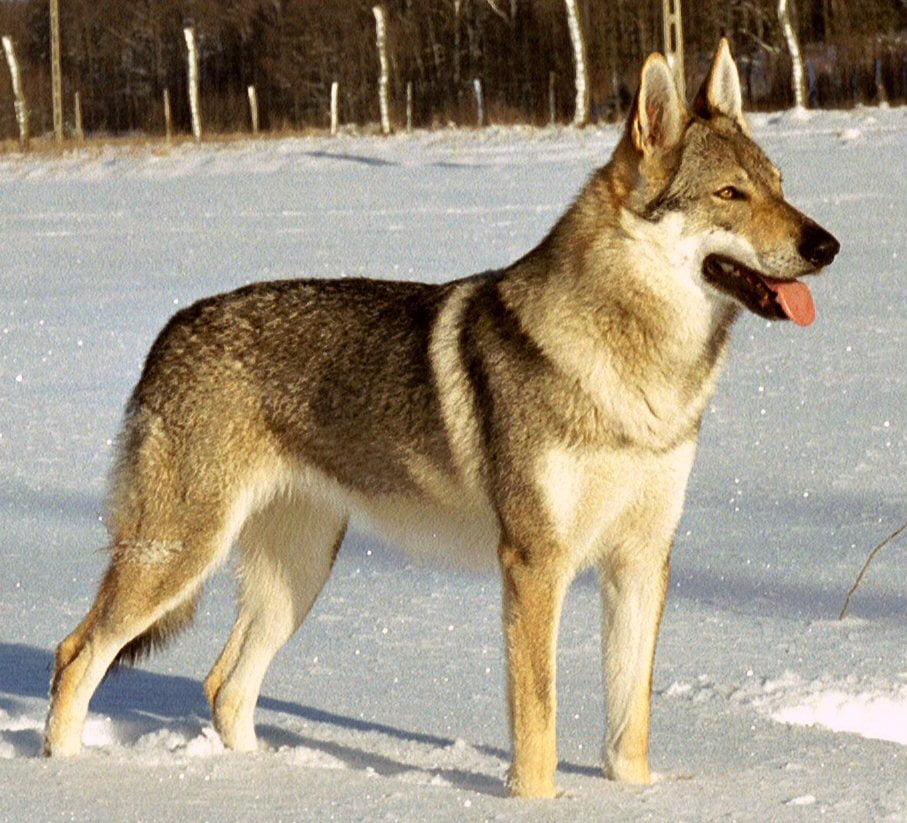
- Breed category: Working dog type
- Country of origin: Former Czechoslovakia
- Typical height: Males 65 to 70 cm, females 60 to 65 cm
- Typical weight: Commonly mid 20 kg range, varies with sex and build
- Typical lifespan: Often 12 to 16 years
- Grooming needs: Low to moderate, seasonal coat blow
- Exercise needs: High, daily physical and mental work
- Coat: Dense, straight, weather resistant
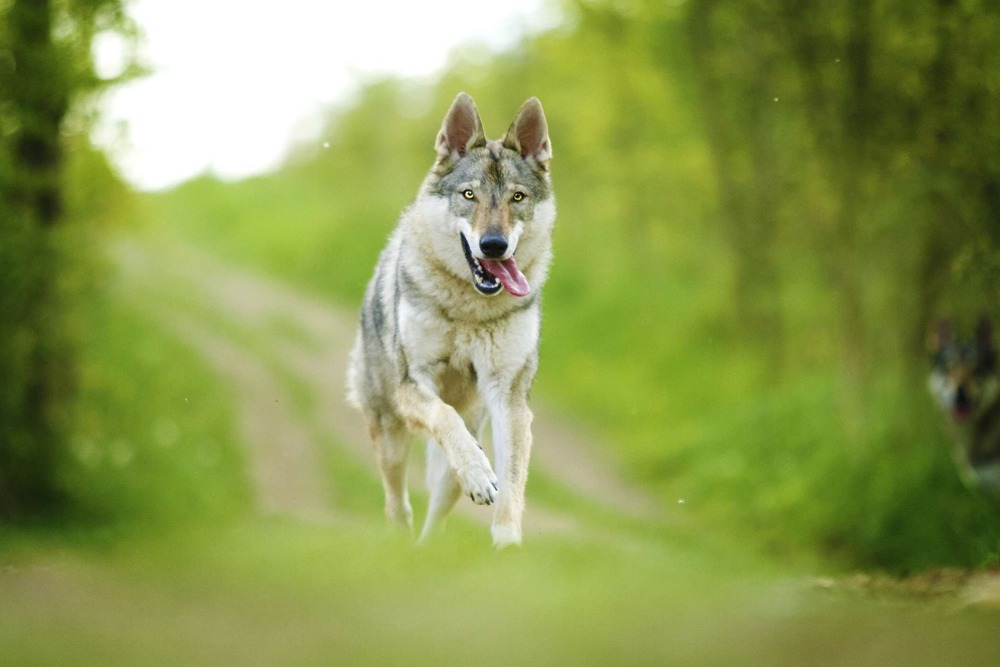
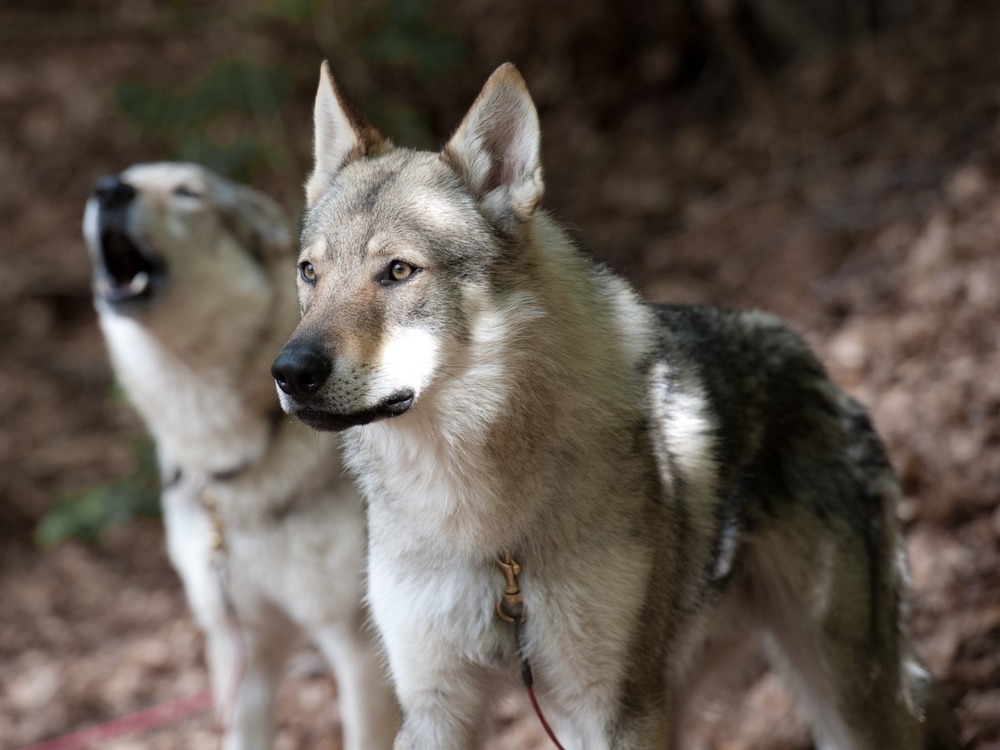
- Colour: Yellow grey to silver grey with a light mask
- Shedding: Moderate to high, heavier seasonally
- Ears: Erect, triangular
- Tail: Bushy, carried low at rest
- Temperament: Active, intelligent, strongly bonded to its people
- Training: Often challenging, best with experienced handling
- Common health concerns: Hip and elbow dysplasia are discussed in the breed community
- Best suited to: Active, skilled owners with time and structure
- Apartment friendly: Usually not ideal
People tend to come to the Czechoslovakian Wolfdog after noticing something: a wolf-like silhouette on a bushwalk, a striking photo online, or a dog at a training club that moves with an athletic, watchful confidence. It can be hard to tell what is real and what is myth, because the breed sits right on the seam between working-dog practicality and wild-looking romance.
One common assumption is that a wolfy appearance means a dog will be “more natural” or easier outdoors. In practice, it is often the opposite. These dogs can be remarkably capable, but they also tend to be sensitive to handling mistakes, quick to learn patterns you did not mean to teach, and deeply affected by how predictable their daily life is.
When the fit is right, you get a companion with stamina, brains, and presence. When the fit is wrong, the same traits can tip into frustration, roaming, or social tension. Understanding what the breed was created for helps you decide whether it belongs in your life, or simply in your admiration.
Where the breed came from, and what that still means today
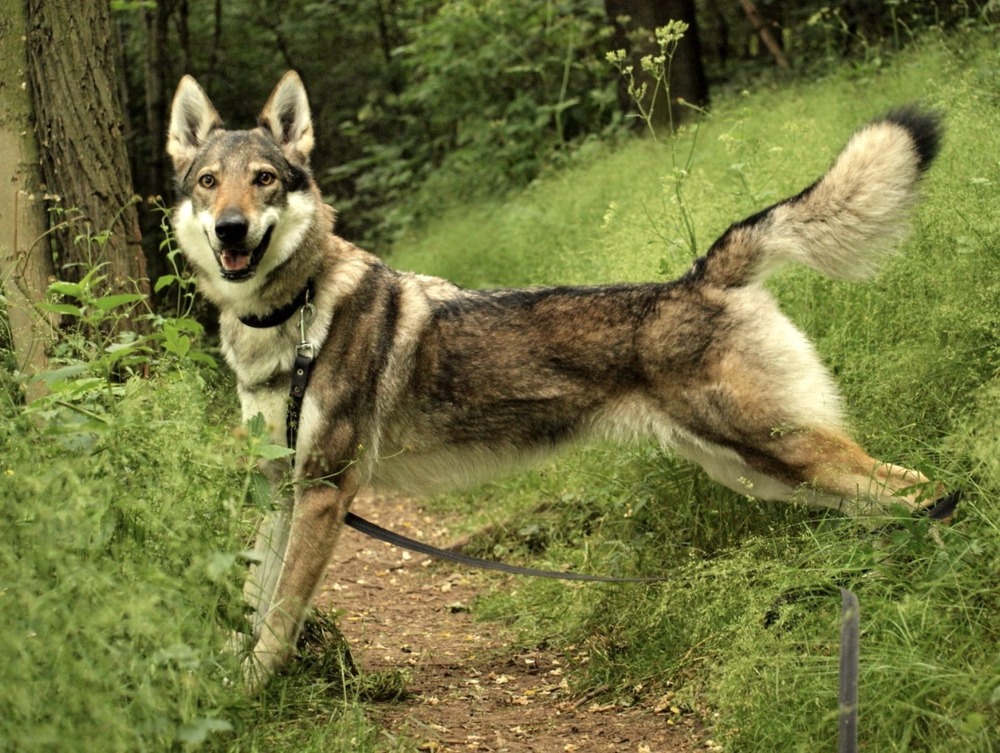
The Czechoslovakian Wolfdog (also written as Czechoslovakian Wolfdog, and known in FCI records as the Ceskoslovensky vlciak) began as a controlled breeding project in former Czechoslovakia in the mid 1950s. German Shepherd Dogs were crossed with Carpathian wolves with the goal of producing a working animal with strong endurance, resilience, and trainability for service tasks.6
It helps to hold two ideas at once. This is a domestic dog, bred for human-directed work, and recognised internationally as a breed. It is also a breed shaped by selection pressures that favoured self-reliance and physical capability, which can show up as independence, strong environmental awareness, and a tendency to conserve energy until something matters.
International recognition varies by kennel body. The Fédération Cynologique Internationale (FCI) lists the breed as definitively recognised, with an official standard (Breed No. 332).1 In Australia, people most often encounter the breed through enthusiast circles and imports overseas rather than mainstream access, and it is worth checking current local rules if you are researching ownership or movement across borders.
Temperament, bonding, and everyday behaviour
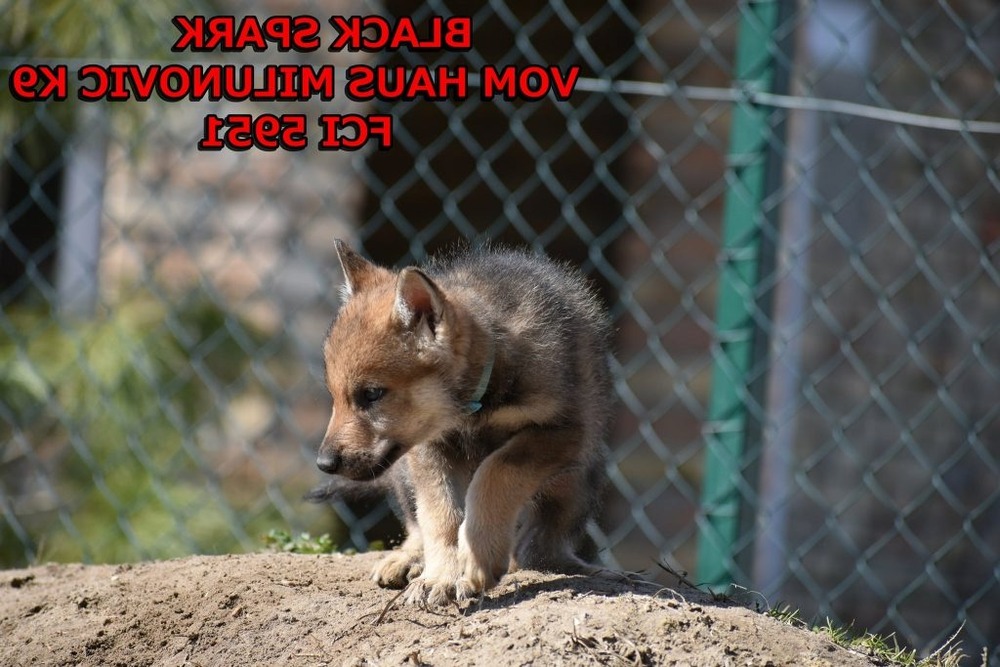
A well-bred, well-raised Czechoslovakian Wolfdog is commonly described as highly intelligent, physically driven, and strongly attached to its people. The attachment tends to look less like constant cuddliness and more like close observation, shadowing, and a preference for staying connected to the household’s rhythm.
They are often not “easy social” dogs. That does not mean they are aggressive by default. It usually means they can be selective, quick to notice pressure from other dogs, and inclined to make their own choices if the handler is vague. Early, thoughtful socialisation matters, especially exposure that builds neutrality rather than constant meet-and-greets.
If you are picturing a dog that will happily accept frequent visitors, busy dog parks, and casual handling from strangers, you may find the reality more nuanced. Many owners do best when they plan for management from day one: secure fencing, clear routines, and calm, repeated practice around triggers like gates, cars, and new environments.
Training that suits a smart, independent working dog
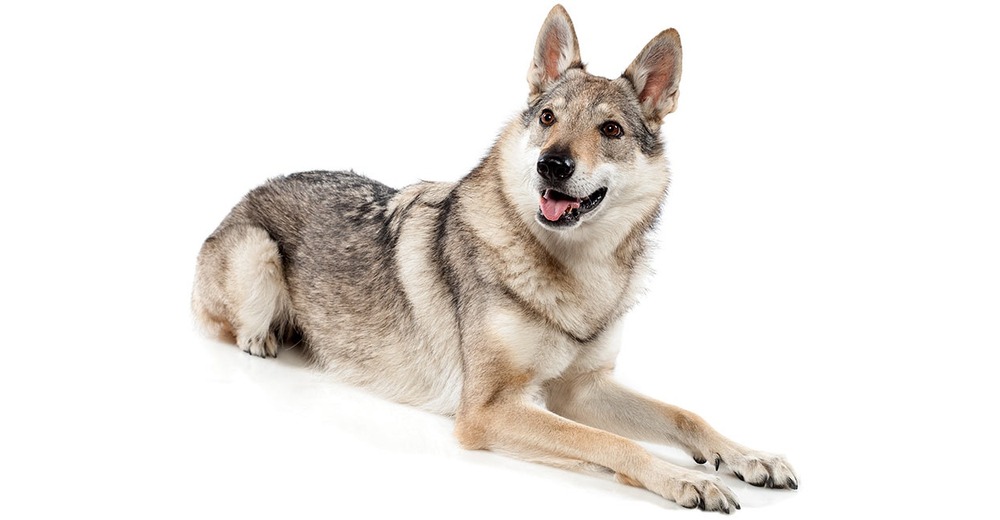
These dogs can learn quickly, but they do not always learn in the direction you intended. In trainer language, they are often “reinforcement sensitive”: they notice what works, what does not, and what you do when you are tired. That can be a joy for experienced handlers and a struggle for people who rely on repetition without clarity.
Reward-based training is widely recommended for companion dogs, and Australian welfare guidance emphasises positive reinforcement and avoiding punishment or aversive devices, which can worsen behaviour problems and erode trust.4
Practical training priorities many owners find useful include:
- Recall and emergency stop before any off-lead ambitions
- Loose-lead walking that is truly rehearsed, not just hoped for
- Stationing skills (mat, bed, crate) for guests and household calm
- Comfort with handling: ears, feet, mouth, grooming tools
- Confidence-building exposure to surfaces, noises, and travel
If you are working with a professional, look for someone who can coach you in timing, reinforcement strategy, and management, not just run obedience drills.
Exercise and enrichment, more than just “a long walk”
People often underestimate how much of this breed’s needs are mental. Yes, they require real physical activity, but the bigger issue is whether their day includes problem-solving, scent work, and purposeful movement.
General welfare advice from the RSPCA highlights that dogs need daily exercise, and that a backyard alone is not a substitute for walks and enriching experiences.5 For a high-drive working type, that principle is even more important.
Activities that tend to suit the breed include:
- Long-line bush walks where sniffing and exploration are allowed
- Scent work games at home (find it, track-style trails)
- Structured running with an adult dog that has the conditioning for it
- Hiking with pack manners and rest skills built in
- Training sessions that stay short, clear, and frequent
If you are raising a puppy, be cautious about “forced” exercise. RSPCA guidance for puppies recommends avoiding activities like jogging with puppies, repetitive high-impact throwing games, and very long walks, especially during growth phases.3
Health considerations, and what to ask breeders about
The breed is often described as robust, but like many medium to large athletic dogs, orthopaedic issues can still matter. Hip dysplasia is a multifactorial condition with a strong genetic component, and factors like rapid growth, excess weight, and unbalanced nutrition can increase risk or worsen signs.7
That is why conversations about health are not just about a list of “common problems”. They are about what a breeder does to reduce risk, and what an owner does to support sound development.
When speaking with breeders or rescue groups, useful questions include:
- What hip and elbow screening is done, and can I see results?
- How are puppies raised and socialised, and what is their daily routine?
- What temperaments are typical in your lines, including around strangers and other dogs?
- What support do you offer if the dog struggles at adolescence?
Regular veterinary care, maintaining a lean body condition, and age-appropriate exercise remain the quiet fundamentals. They are not glamorous, but they are often what keeps a powerful dog comfortable into older age.
Coat care, shedding, and living with the seasons
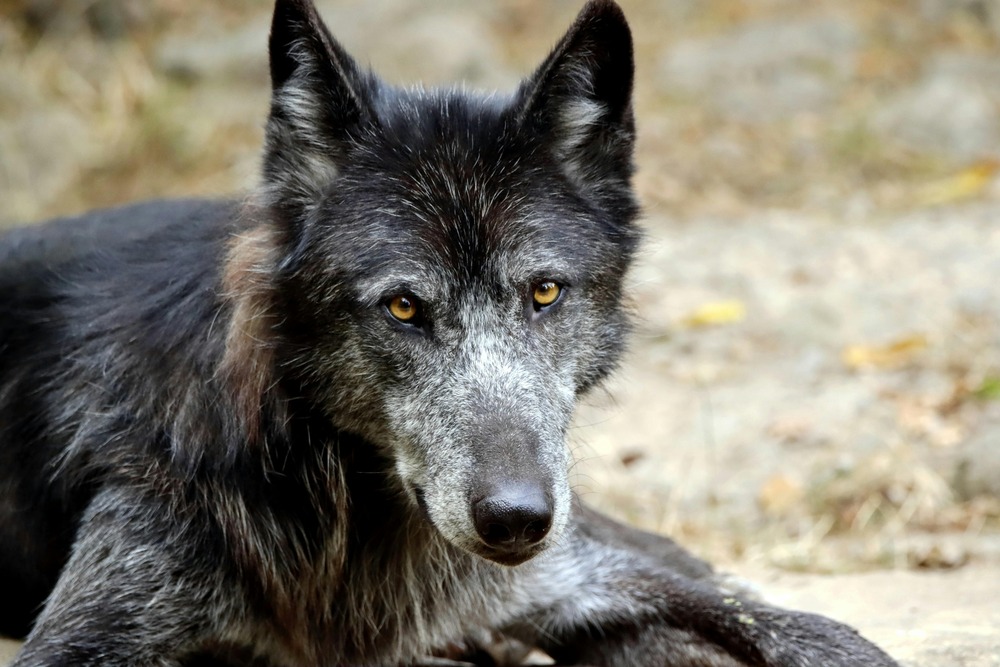
The coat is designed for weather, not for tidy floors. Most of the year, grooming can be straightforward: a weekly brush, regular checks of ears and feet, and nail maintenance. Then the seasonal coat blow arrives and you realise why a good undercoat rake exists.
Do not over-bathe. A dense, weather-resistant coat can dry the skin if washed too often, and many owners find that brushing and spot-cleaning handles most day-to-day dirt.
It is also worth practising grooming behaviours early: standing still, accepting a brush through the breeches and chest, and tolerating paws being handled. Those small skills reduce stress later, especially after muddy walks or if the dog needs veterinary treatment.
Feeding and nutrition, keeping it simple and evidence-based
Feeding advice for wolfy breeds can get strange quickly. The most helpful approach is usually the least dramatic: choose a complete, balanced diet that suits the dog in front of you, and monitor body condition over time.
The World Small Animal Veterinary Association (WSAVA) Global Nutrition Guidelines emphasise an individual nutrition plan, using practical tools like diet history, body condition scoring, and monitoring, rather than relying on marketing or ingredient-list assumptions.2
In practical terms, that means:
- Pick a diet that is complete and balanced for life stage
- Adjust portions based on condition score and activity, not just the packet
- Avoid rapid weight gain in puppies, especially in larger, fast-developing dogs
- Ask your vet before adding supplements, particularly calcium in growing dogs
If you are considering raw feeding, home-prepared diets, or high-meat plans, it is worth doing it with veterinary guidance so nutrients remain balanced over the long term.
Is a Czechoslovakian Wolfdog the right fit?
For the right household, this breed can be deeply satisfying: athletic, clever, and attentive in a way that makes you feel like you are sharing life with a true working partner. For the wrong household, the same dog can feel like too much dog, too much too soon.
Experienced handling helps, but experience is not just about having owned a dog before. It is about having the time, structure, and patience to teach skills slowly, manage the environment, and keep things predictable when adolescence hits.
If you are still unsure, that is a sensible place to be. Spend time with adult dogs, talk with ethical breeders and trainers who know the breed, and be honest about your day-to-day life. Admiration is easy. A good match is built carefully.
References
- Fédération Cynologique Internationale (FCI): Czechoslovakian Wolfdog (No. 332)
- WSAVA: Global Nutrition Guidelines
- RSPCA Australia Knowledgebase: How should I exercise my puppy?
- RSPCA Australia Knowledgebase: Advice on caring for my dog (including reward-based training)
- RSPCA Pet Insurance: Considerations when choosing a dog (exercise needs and lifestyle fit)
- Wikipedia: Czechoslovakian Wolfdog (overview of origin and early development)
- American Kennel Club: Hip dysplasia in dogs, causes and risk factors