

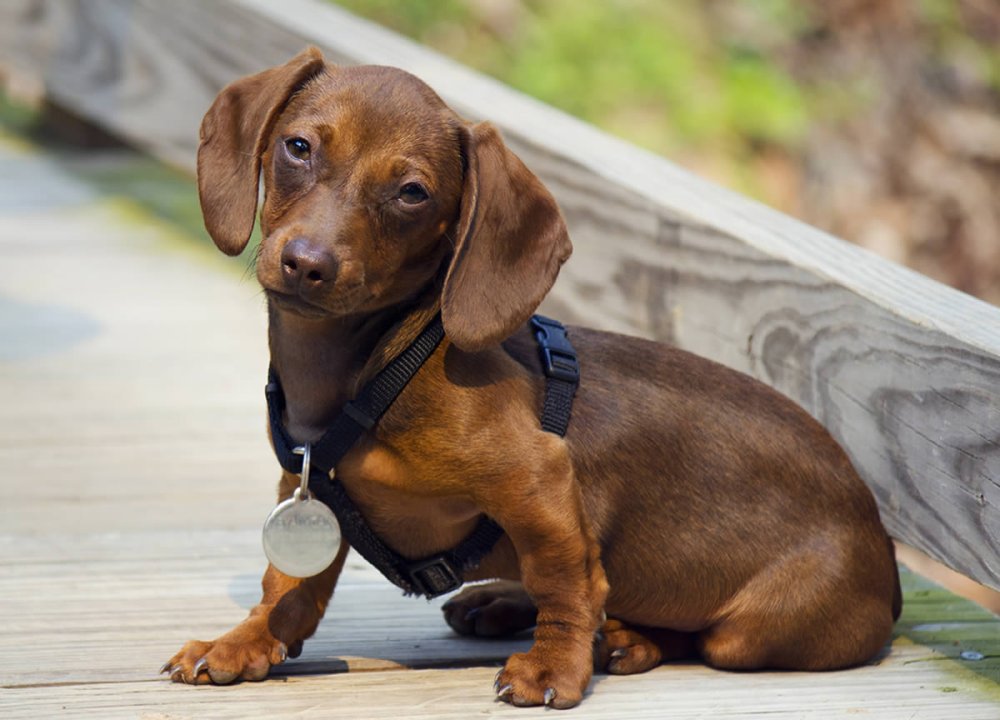
- Breed category: Hound
- Country of origin: Germany
- Typical height: About 20 to 23 cm at the withers (varies by size variety)
- Coat types: Smooth, long-haired, wire-haired
- Life expectancy: Commonly 12 to 16 years
- Exercise needs: Moderate, daily walks plus play
- Grooming: Low to moderate, depends on coat type
- Known for: Long body, short legs, bold little voice
You usually do not start by researching “Dachshund history”. You start by noticing a small dog with a big presence, a long back that makes you a bit nervous when it jumps off the couch, and a bark that sounds far larger than the body it comes from.
Plenty of people assume Dachshunds are simply cute, funny-shaped lap dogs. Then they live with one and realise the shape came from work, the confidence is real, and the care decisions that matter most are often the quiet ones: how you manage weight, how you set up the house, and how you train a determined little hound without turning every day into a negotiation.
When you understand what Dachshunds were built to do, their behaviour makes more sense. It also helps you make practical choices that protect their backs, support good manners, and keep their curiosity pointed in a safe direction.
The Dachshund’s working origins
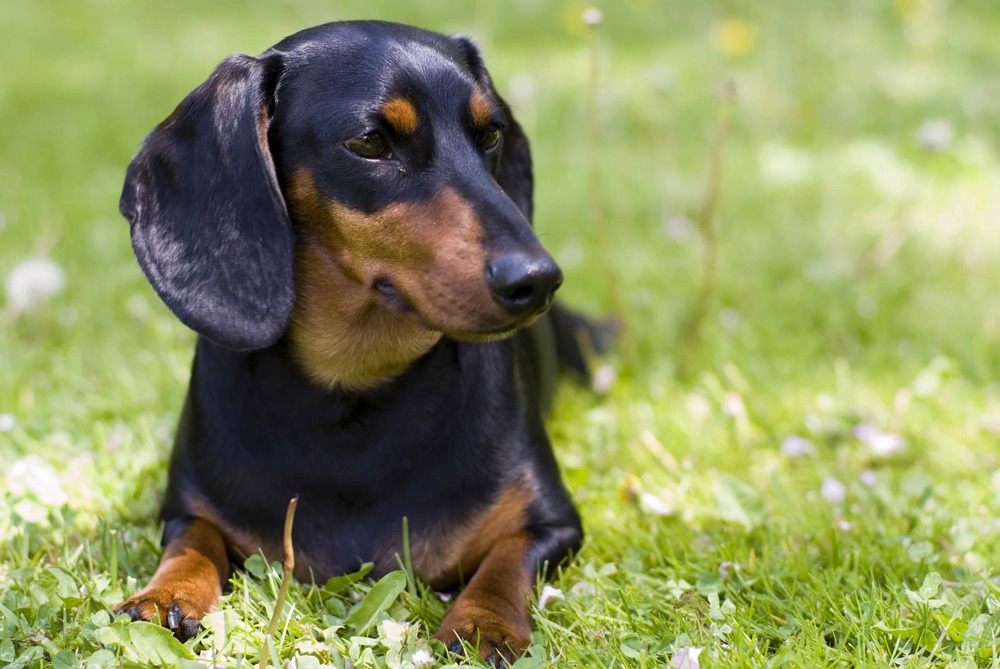
The word “Dachshund” comes from Germany, and the breed was developed as a hunting dog, especially for going to ground after badgers and other quarry. That background is why the breed is classed with hounds, and why the body is long, low, and surprisingly strong for its size.1
The long body and shorter legs were functional, but modern breed standards also emphasise that the dog should be balanced and mobile, not extreme. This matters because exaggeration can make everyday movement harder and can increase physical strain over time.2, 3
From tunnels to lounge rooms
Dachshunds shifted from working roles into companionship long ago, but they did not lose the traits that made them useful. Many still show strong scent interest, persistence when they have decided something matters, and a habit of announcing anything unusual in their environment.
Those qualities can be delightful in the right home, and difficult in the wrong one. It is rarely about “good” or “bad” dogs. It is about whether their needs and your routines fit together.
What they look like, and why it matters
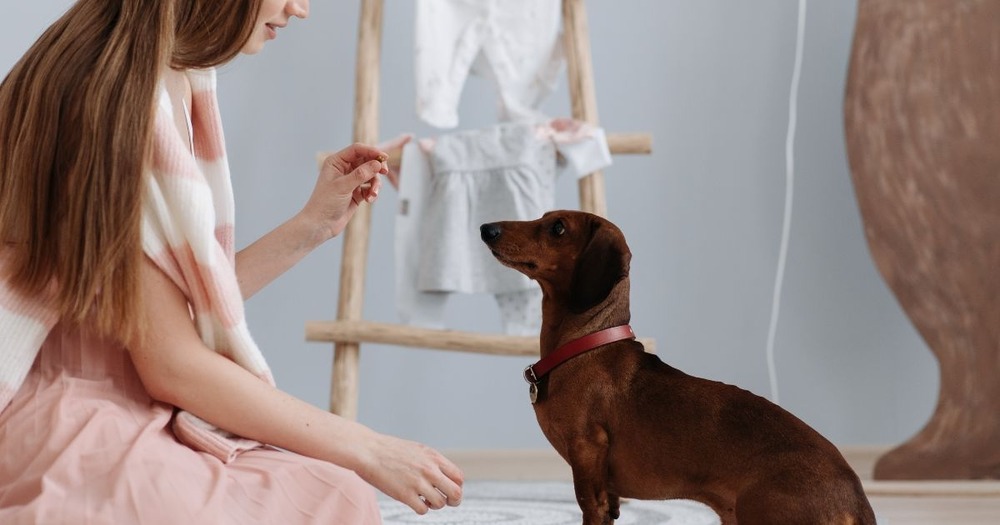
Dachshunds come in three coat types, smooth, long-haired, and wire-haired. In Australia there are also recognised size varieties, and breed standards describe a dog that is low and elongated, with enough clearance for free movement and a sturdy, muscular build.2, 3
If you are choosing a puppy, it helps to look past colour and coat and notice structure. A Dachshund should look capable, not fragile. You are aiming for soundness over “extra long”, because the spine is the part you will spend the next decade protecting.
Common misconceptions about the “sausage dog” shape
People sometimes think the breed is automatically delicate because of the back. In reality, many Dachshunds are robust dogs when kept lean, well-muscled, and sensibly managed. The risk comes when a long back is paired with excess weight, repeated high-impact jumping, or a home setup that encourages constant stair use without thought.
Temperament: bright, persistent, and sometimes noisy
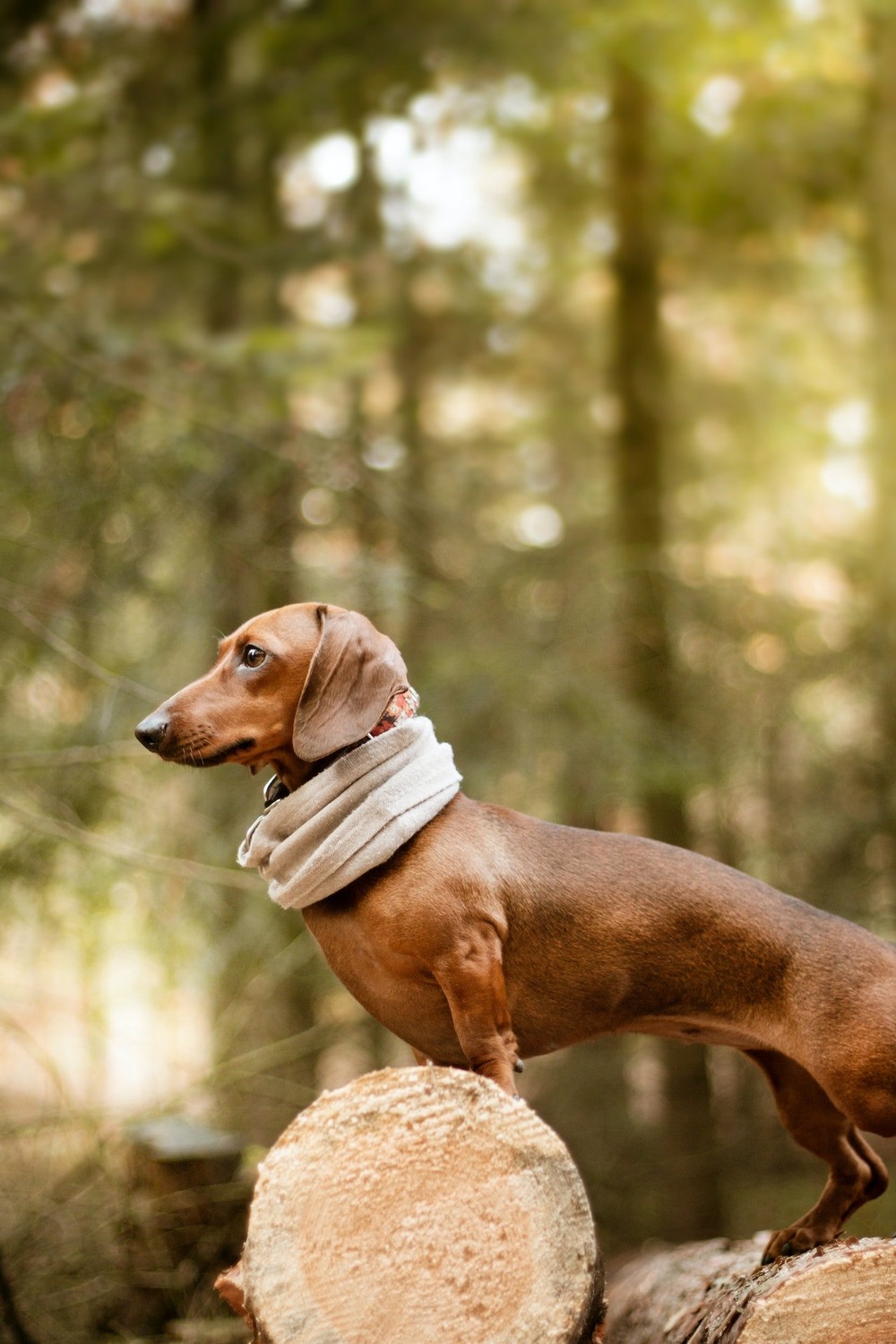
Most Dachshunds are alert, curious dogs with a strong opinion about how the day should go. They can be affectionate and very people-focused, but they are also independent enough to test boundaries, especially if training is inconsistent.
The barking reputation is not a myth. Many are excellent little watchdogs, and that can be useful in a suburban home or apartment, as long as you teach a calm “enough” and reward quiet behaviour instead of accidentally rehearsing the alarm routine all day.
With children, they can do well when adults supervise and the dog has a safe space. Their backs and ribs do not appreciate rough handling, and some Dachshunds respond better to gentle, predictable interactions than to unpredictable grabbing or carrying. Supervision protects both sides.
Training and exercise that suits a Dachshund
Dachshunds tend to learn quickly, but they do not always agree that your plan is the best plan. Training works best when it is calm, consistent, and rewarding. Short sessions, frequent success, and clear boundaries usually get further than repeating cues louder.
Early socialisation helps, but it is worth thinking of it as building skills rather than simply “meeting lots of things”. The goal is a dog who can recover from surprises, settle in new places, and take information from you when their nose is telling them something else.
Exercise: keep it regular, keep it sensible
Daily walks, sniffing time, and indoor play go a long way. You are not trying to tire them out through intensity. You are building steady fitness and muscle, which supports joints and backs and helps keep weight stable.
- Sniff walks where the dog can explore at their pace.
- Food puzzles and simple scent games at home.
- Gentle fetch on flat ground, if the dog enjoys it and stays controlled.
If your dog loves launching off furniture, it is worth teaching an alternative. A small ramp or steps can be a simple household change that reduces repeated impact without turning life into a constant “no”.
Health considerations: backs, weight, and day-to-day management
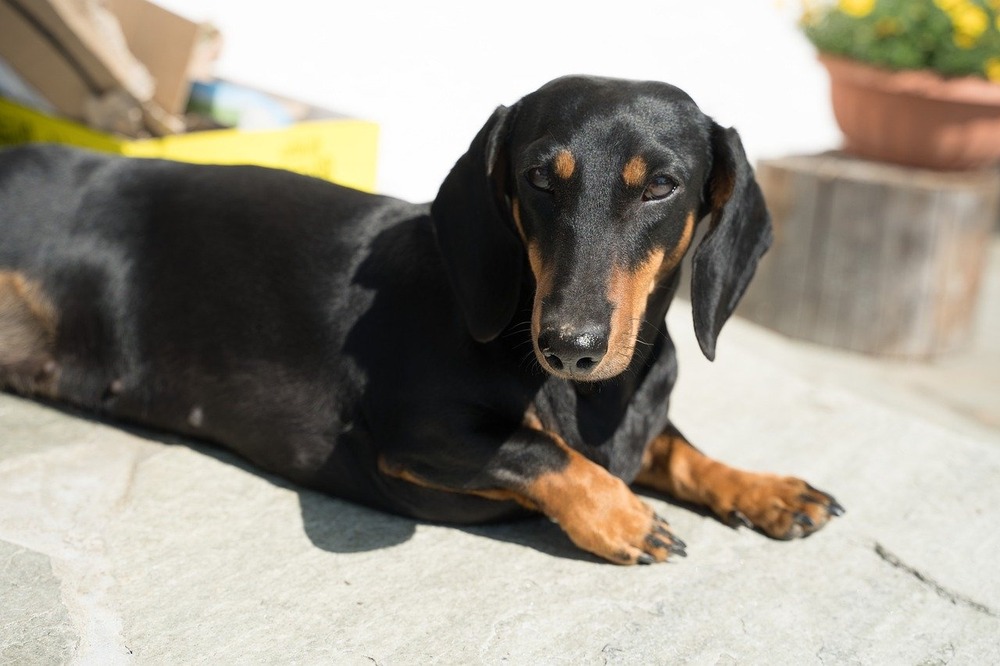
Dachshunds are over-represented among breeds affected by intervertebral disc disease (often shortened to IVDD). Not every Dachshund will have disc problems, but the breed’s shape means it is wise to treat back care as a normal part of ownership, like dental care or nail trims.8, 9
Weight is one of the biggest practical levers you can pull. Extra kilos put more load through the spine and joints, and overweight dogs often move less, which can become a self-reinforcing loop. Using a body condition score with your vet is more reliable than guessing by eye, especially with fluffy coats or broad chests.4, 5
Signs you should take seriously
Back pain and neurological issues can be urgent. If your Dachshund shows sudden weakness, wobbliness, pain when picked up, reluctance to move, or any loss of bladder or bowel control, contact a vet promptly.9
Preventive habits that help in real homes
- Keep them lean and measure food rather than free-pouring.
- Use ramps or steps for favourite furniture if jumping is frequent.
- Choose controlled exercise over repeated high-impact sprints and leaps.
- Ask your vet for a tailored plan if you have stairs in the home.
Grooming and coat care
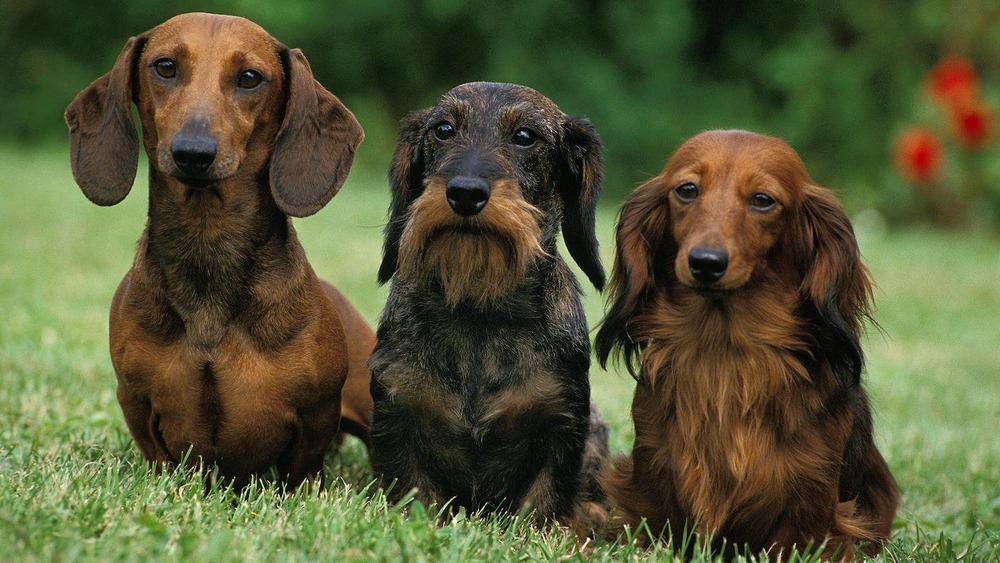
Grooming needs depend on coat type. Smooth coats are typically quick to maintain with a weekly brush and the occasional bath. Long-haired coats tend to need more frequent brushing to prevent tangles, especially around the ears, chest, and belly. Wire-haired Dachshunds often benefit from tidying and, in some cases, hand-stripping, depending on the coat and your groomer’s advice.
Whatever the coat, keep an eye on nails, ears, and teeth. Small dogs can be prone to dental disease, and routine home care makes a noticeable difference over a lifetime.
Feeding and weight control without fuss
Dachshunds often act as though they are hard done by at dinner time. It does not mean they need more food. A practical approach is to choose a quality complete diet, measure portions, and treat treats as part of the daily total, not a bonus on top.
If weight creeps up, do not rely on guilt-fuelled restriction alone. Increase low-impact activity, reduce energy-dense extras, and ask your vet for a target weight and a realistic rate of loss. Even small changes can make a meaningful difference to comfort and mobility.4, 5, 6
A small cultural footnote: Waldi and the Olympics
If you have ever seen a striped cartoon Dachshund linked to the Olympics, that is Waldi. Waldi, a Dachshund, is widely recorded as the first official Olympic mascot, created for the 1972 Munich Olympic Games.7
It is a neat detail, but it also hints at something true about the breed’s place in the world. Dachshunds have been more than a novelty shape for a long time. They are a working design that people brought into family life, and they do best when we respect both parts of that story.
References
- National Dachshund Council (Australia): The Dachshund
- National Dachshund Council: ANKC Breed Standard (Dachshund)
- Dogs Australia: Breed Standards index (Dachshund listing and update dates)
- RSPCA Knowledgebase: How do I tell if my dog is overweight?
- RSPCA Pet Insurance: Signs of pet obesity
- RSPCA Australia: Ways to avoid obesity in your dog
- German Patent and Trade Mark Office (DPMA): Olympia 1972 and Waldi
- National Dachshund Council: Health and Welfare
- American College of Veterinary Surgeons: Intervertebral Disc Disease (IVDD)