


People usually land on the phrase “Denmark Feist” after seeing it in a rescue listing, a social post, or a conversation about small hunting dogs. It sounds like a neat, tidy breed name, but it can point to a few different things: a specific line of Feist dogs from the United States, or sometimes a loose label applied to Feist type dogs more generally.
That uncertainty matters in everyday care. When you do not have a clear breed standard or a widely recognised registry record, it is easy to make shaky assumptions about adult size, energy needs, and even what “normal” behaviour looks like. With Feists especially, the dog in front of you often tells you more than the name on the paperwork.
A helpful way to think about it is this: a “Feist” is a type of small to medium hunting dog, and “Denmark Feist” is usually used to describe a particular strain or local tradition within that broader Feist world. That framing keeps expectations realistic, and keeps the focus where it belongs, on the dog’s temperament, health, and daily needs.
What a “Feist” is, and where “Denmark Feist” fits

Feists are small hunting dogs developed in the United States, traditionally used for pursuing small game, especially squirrels, and for general farm usefulness. They are often described by what they do, rather than by a uniform “look”, because performance and practicality shaped them more than show-ring consistency.1, 2
The term “Denmark Feist” shows up most often as a regional strain name, rather than a widely recognised, globally standardised pedigree breed. In other words, it may refer to a particular line of Feist dogs associated with a place, a family, or a hunting community, and it may not be recognised by major kennel clubs in the way some other breeds are.3
If you are trying to identify a dog labelled “Denmark Feist”, it can help to look sideways at better-documented Feist breeds. The United Kennel Club (UKC), for example, recognises the Treeing Feist and Mountain Feist, with published standards that describe the general “working squirrel dog” build and style that many people mean when they say “Feist”.2, 4
History and working background
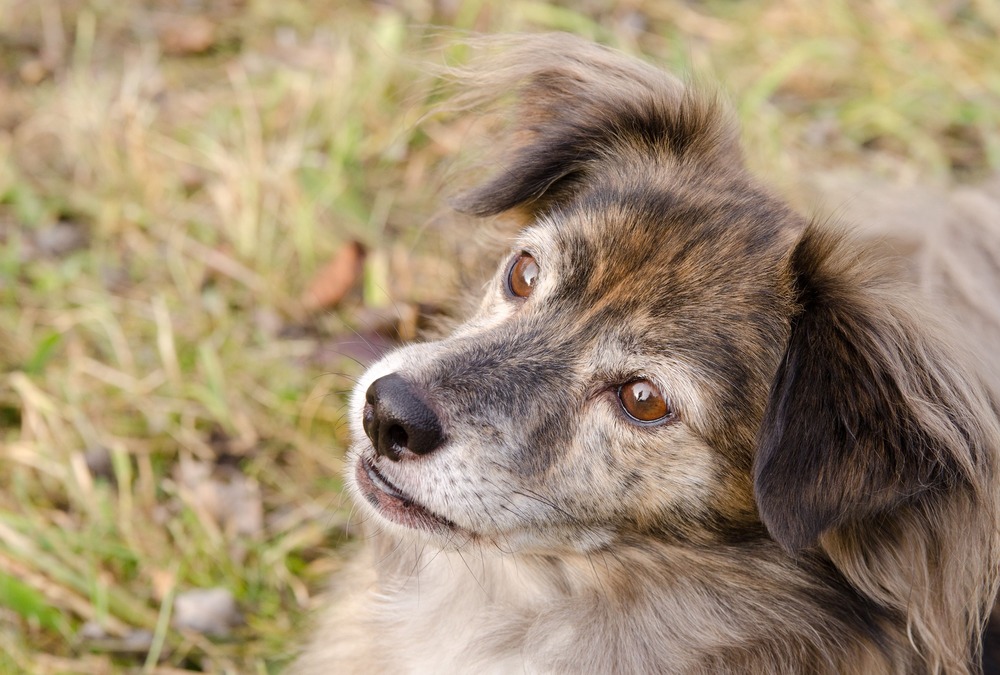
Feists sit in that long American tradition of small, quick dogs kept for practical hunting and pest control. They are commonly described as descending from terriers brought by immigrants, later mixed in various ways with other dogs to suit local needs, terrain, and prey.1
Many Feist type dogs were valued because they could do a bit of everything: move fast through scrub, work close to the handler, and “tree” small game by driving it up into a tree and indicating where it went. That treeing style is explicitly described in recognised Feist breeds like the Treeing Feist and Mountain Feist.2, 4
Where “Denmark Feist” is used as a distinct label, it is most often presented as a specific Virginia-based line with a foundation story and later breed-club activity. Those accounts exist, but they are not as broadly verified or standardised as UKC breed histories, so it is best to treat them as breed lore, not a guarantee about any individual dog’s behaviour or health.3
What they tend to look like (and why there is variation)
Most Feist type dogs share a few practical traits: a short, easy-care coat, an athletic frame, and a body built to turn quickly and cover ground without being heavy. UKC standards for Treeing Feist and Mountain Feist describe agile, active dogs with short, smooth coats, and legs long enough to move through rough terrain effectively.2, 4
Beyond that, variation is normal. Ear carriage, markings, and overall silhouette can differ quite a bit from dog to dog, particularly when people use “Feist” as a working type rather than a tightly closed pedigree breed.
If your main question is adult size, ask for the parents (if known), look at the dog’s current condition and growth rate, and get your vet to assess body condition. With Feist type dogs, healthy leanness is common, and extra weight tends to show up quickly in reduced stamina and joint strain.
Temperament and day-to-day behaviour

Feists are often described as alert, bright dogs with a strong interest in movement and scent. In working lines, it is common to see a dog that is calm at home after exercise, then quickly “switches on” outdoors when something interesting moves through the environment.
In family life, the biggest success factor is usually not whether the label says “Denmark Feist” or “Treeing Feist”. It is whether the household can meet daily activity needs and provide steady training and enrichment. A bored Feist type dog may create their own entertainment, which can look like fence-running, chasing wildlife, or persistent barking.
With children and other pets, the main consideration is prey drive. Many Feist type dogs are safe and social with careful introductions, but small animals can trigger chasing. Plan management first, then training, and keep expectations realistic.
Training that suits a Feist-type dog

Feist type dogs often learn quickly, but they are not always “automatic”. They can be environmentally focused, which means your training needs to compete with smells, movement, and the urge to scan the world.
Reward-based methods tend to work well here because they build reliable habits without adding unnecessary stress. Organisations including the RSPCA recommend reward-based training and advise avoiding aversive tools and punishment-based techniques, which can increase risk and worsen behaviour outcomes for some dogs.5, 6
Practical training priorities for many Feist type dogs include:
- Recall foundations (start on a long line, reward heavily, do not rush off-lead freedom).
- Loose-lead walking and “check-in” skills for high-distraction environments.
- Calm settling at home, so the dog learns that rest is part of the routine.
- Safe enrichment that channels chasing and searching, like food scatters, scent games, and structured fetch.
Exercise and enrichment needs
Most Feist type dogs do best with a blend of physical exercise and brain work. A long walk without any sniffing, searching, or thinking can still leave an active dog underdone.
Useful options include off-lead time in secure areas, hikes on a long line, short sprint play (if joints and fitness allow), and “jobs” at home like puzzle feeders. If you notice rising arousal, more barking, or frantic scanning on walks, it can be a sign the dog needs better decompression (more sniffing, more distance from triggers, and calmer activities), not just more intensity.
Health, lifespan, and preventative care

Because “Denmark Feist” is not consistently used as a formally standardised breed label, it is hard to state a precise list of “breed-specific” health problems. In practice, your best guide is your individual dog’s build, their family history (if you have it), and routine veterinary screening.
As with many active small to medium dogs, watch for issues that can affect comfort and performance, including dental disease, skin irritation, and joint wear. Keeping your dog lean, fit, and well-muscled is one of the quiet, effective ways to support long-term soundness.
For preventative care, follow a vaccination and parasite plan with your vet. In Australia, core dog vaccines are commonly described as “C3” (distemper, adenovirus, parvovirus), with additional vaccines considered based on lifestyle and risk. Guidance on canine vaccination also emphasises tailoring to the individual animal and local disease risk.7, 8
Grooming and day-to-day maintenance
Most Feist type dogs have short coats that are simple to maintain. A weekly brush is often enough to remove loose hair and keep the coat looking tidy, with more brushing during seasonal shed.
Do not let the low-maintenance coat distract from the high-impact basics: nail length, ear hygiene, and especially dental care. Small and medium dogs can accumulate dental tartar surprisingly quickly, and dental discomfort can show up as irritability, picky eating, or reluctance to play.
Diet and feeding, keeping it practical
A good diet for a Feist type dog is less about a trendy ingredient list and more about meeting energy needs without tipping into weight gain. These dogs can be active, but they are also often enthusiastic eaters, and treats add up.
If you are unsure about amounts, start with the feeding guide as a rough baseline, then adjust based on body condition score with your vet. For dogs that do a lot of training, consider using part of the daily ration as training rewards, rather than layering treats on top.
Choosing a Feist type dog (or living well with the one you have)
If a shelter, breeder, or seller calls a dog a “Denmark Feist”, it is fair to ask what they mean. Is it a known line with records, or a best-guess label based on appearance and behaviour?
Either way, you can make good decisions by focusing on:
- Temperament in context, including how the dog settles after activity.
- Comfort around handling and restraint (important for vets and grooming).
- Prey drive and your ability to manage it safely.
- Your plan for exercise, enrichment, and ongoing training support.
A Feist type dog can be an excellent companion for someone who enjoys daily movement, training as part of life, and a dog that notices the world. The name matters less than meeting the dog’s needs with steadiness and good information.
References
- Wikipedia: Feist (dog breed)
- United Kennel Club (UKC): Treeing Feist breed information and standard
- Wikipedia: Denmark Feist
- United Kennel Club (UKC): Mountain Feist breed information and standard
- RSPCA Australia Knowledgebase: Training recommendations and reward-based classes
- American Veterinary Society of Animal Behavior (AVSAB): Position statements and Humane Dog Training statement
- World Small Animal Veterinary Association (WSAVA): Vaccination Guidelines
- NSW Department of Education: Dogs health, vaccination and parasite control (Animals in Schools)
- RSPCA Australia Knowledgebase: Reward-based training explanation