

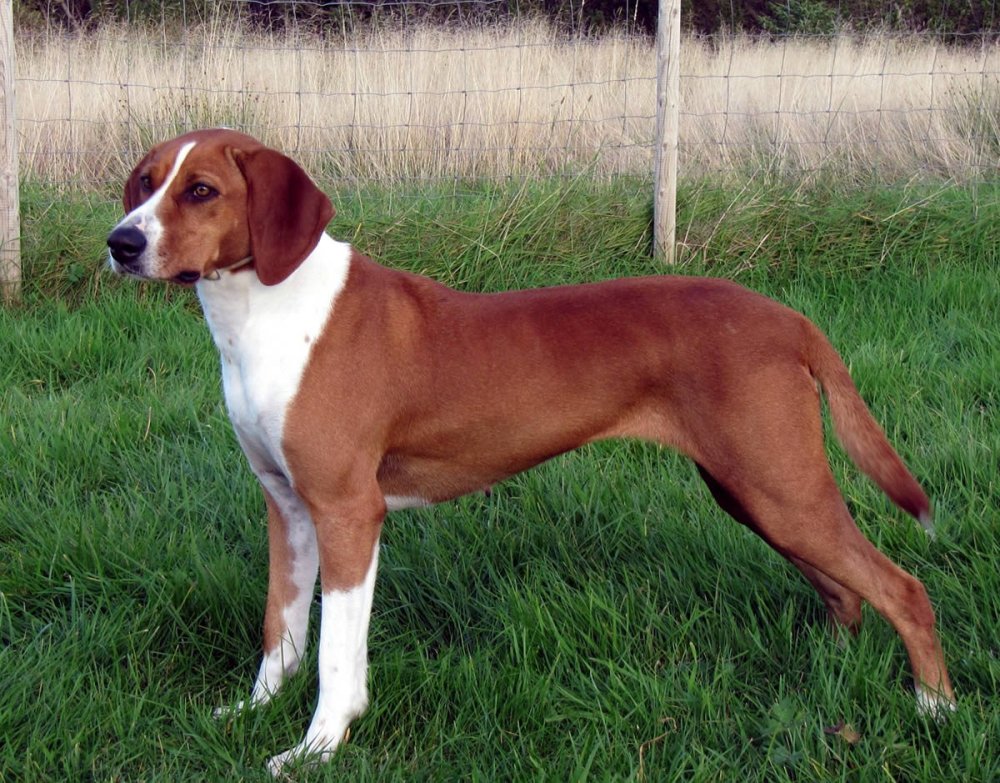
People often come across the Deutsche Bracke in a roundabout way. You might spot a photo of a lean, tricolour hound with long ears and wonder if it is a Beagle type, or meet someone who says their dog is a “German Hound” and realise you have never seen one at the local park.
Part of the confusion is that the Deutsche Bracke is, first and foremost, a working scenthound. In Germany it sits inside a long tradition of “Bracken” that follow game with steady noses and clear voices, and it is still associated with hunting practice more than pet ownership.1, 2
That matters in everyday life, because a dog shaped by generations of scent work tends to bring certain needs with it: time outdoors, room to move, and training that accounts for how rewarding the world smells. If you are considering the breed, the kindest approach is to understand the job it was built to do, then decide whether your home can support that well.
At a glance: Deutsche Bracke basics
Breed type: scenthound (hound group).1
- Origin: Germany, with roots in regional Bracken types, including Westphalian lines.2
- Height: typically 40 to 53 cm at the withers (minor variation may be accepted in some standards).1, 2
- Coat: short-coated overall, but notably dense and harsh for a short-haired dog, built to cope with bush and weather.2
- General temperament: often described as even and steady in the home when its exercise and enrichment needs are met, with a strong drive to follow scent outdoors.2
Origins and working role in Germany
The Deutsche Bracke is a recognised breed within the Fédération Cynologique Internationale (FCI) scenthound group, and it remains closely tied to practical hunting work in its home country.1
Historically, German Bracken existed in many local types. Breed organisations in Germany later consolidated these lines, with the unified type being known as “Deutsche Bracke” from 1900, and the Deutscher Bracken Club tracing its tradition to 1896.2, 3
A point worth clarifying gently is the old nickname “Steinbracke”. It is sometimes used loosely in online articles, but the Steinbracke was historically treated as a separate type and is generally described as having been absorbed into the modern Deutsche Bracke rather than being a simple alternate name you can swap in and out.2
In practical terms, the Deutsche Bracke is bred to work with its nose and keep going over distance. That background shapes everything from recall training to how easily the dog can be distracted by scent trails on suburban walks.2
Appearance and the traits people notice first
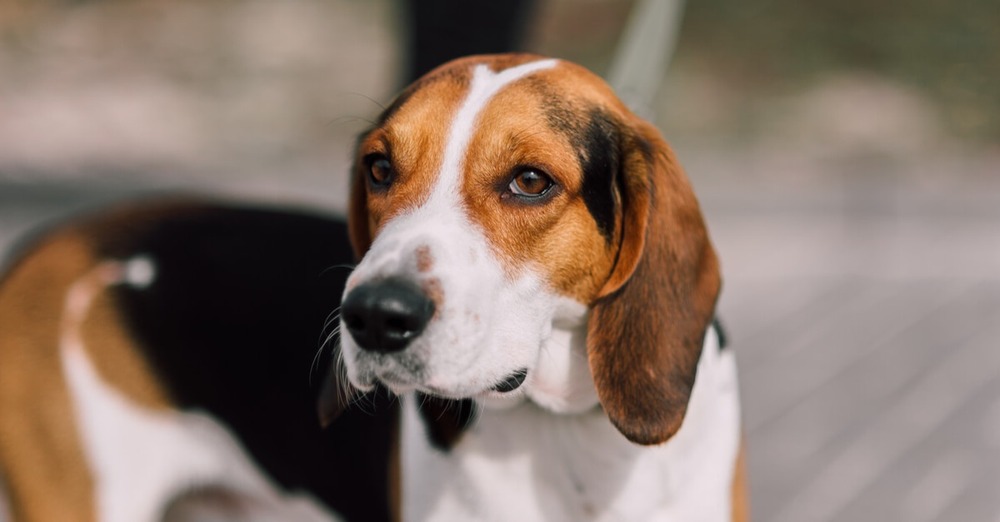
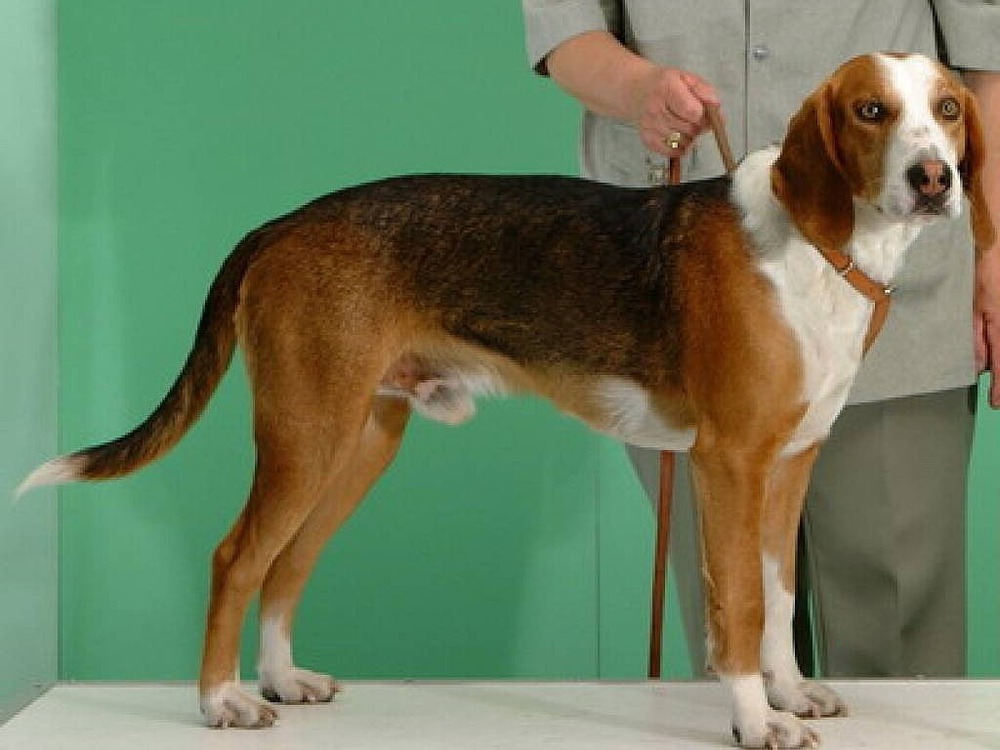
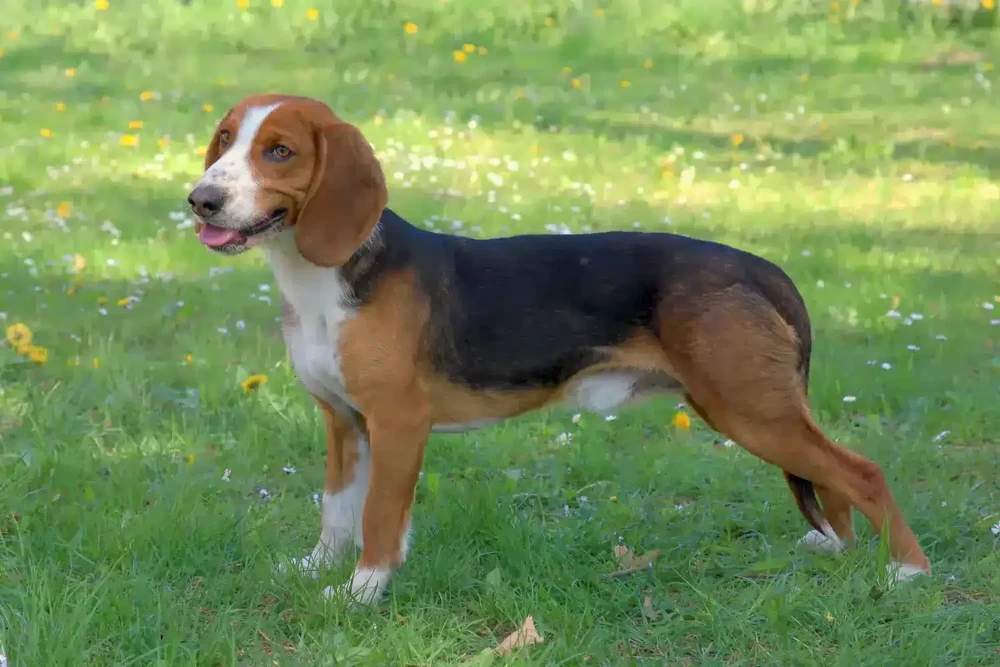
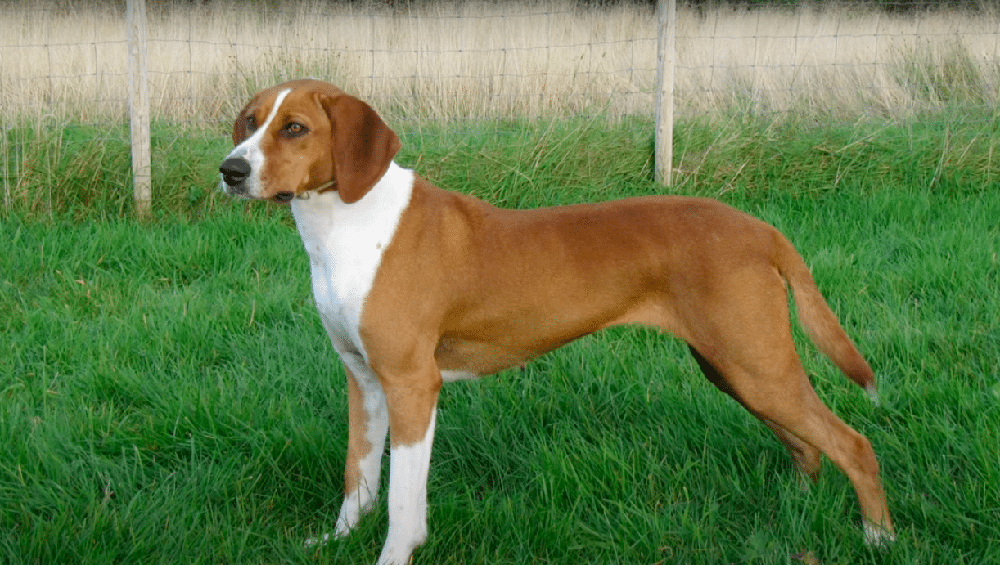
The Deutsche Bracke is medium-sized, lightly built, and athletic, with a “high-stationed” outline typical of running scenthounds. The head is fine and long, the ears are long and close-fitting, and the overall impression is functional rather than heavy.4
Colour is another identifier. Standards commonly describe red through yellow with a black saddle or blanket and distinct white “Bracken” markings (often including a blaze, white muzzle, chest, feet, and tail tip).4
The coat can surprise people who expect a sleek, soft feel. Descriptions often note it is dense, harsh, and bristly for a short-haired dog, which makes sense for a breed expected to push through vegetation and cope with wet ground and cold mornings.2
Temperament and suitability for everyday homes
Well-bred scenthounds often have a steady, companionable nature indoors, especially when they have a predictable routine and enough physical activity. The Deutsche Bracke is frequently described in that vein by German breed sources, but it is still a working dog at heart.3
Where people can get caught out is assuming a medium-sized hound will automatically fit into apartment life. Size is only part of the story. A dog designed to range and follow scent may be calm on the couch after a good day, but restless and vocal if it is under-worked.
If you have children or other pets, early socialisation and careful management matter more than generalisations. Many hounds can live well in family settings, but they tend to be most successful when owners plan for the breed’s strong scent focus and keep everyday training practical and consistent.
Training that respects a scenthound brain
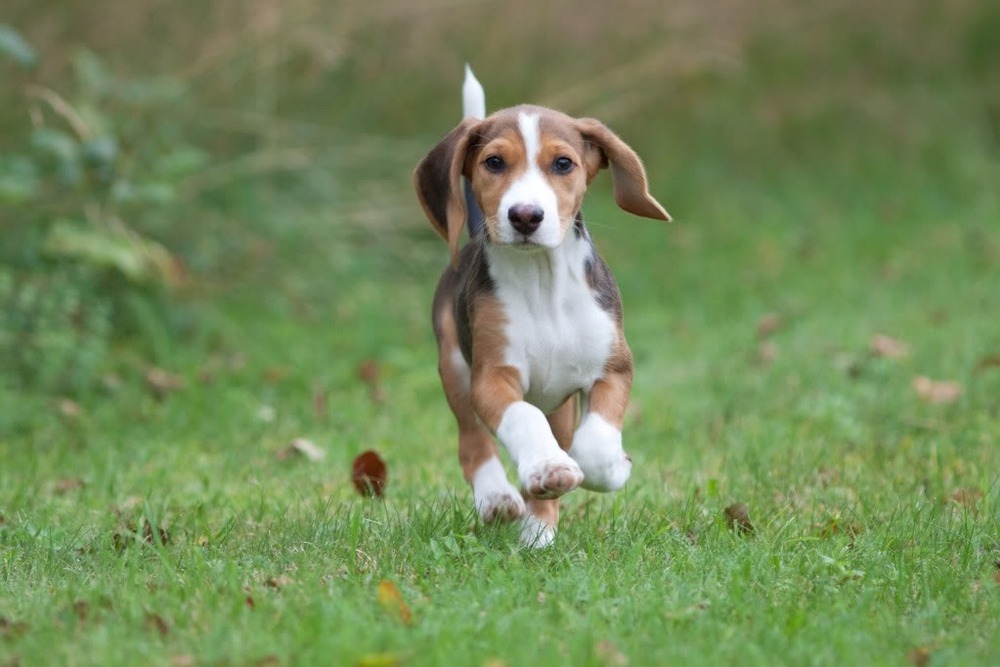
Training a scent-driven dog is less about “winning” attention and more about building habits the dog can actually keep when the environment gets interesting. With the Deutsche Bracke, it helps to assume that smells will sometimes matter more than your voice, especially in new places.
In practice, that usually means:
- Long-line work for recall foundations, so you can practise safely without repeated “failed recalls”.
- Rewarding check-ins and calm lead walking, especially in high-scent areas.
- Short, regular sessions that end before the dog mentally checks out.
If you enjoy structured activities, scent-based games are a natural fit. They can also take the edge off restlessness, because they let the dog do a version of what it was bred for, in a controlled way.
Exercise and enrichment needs
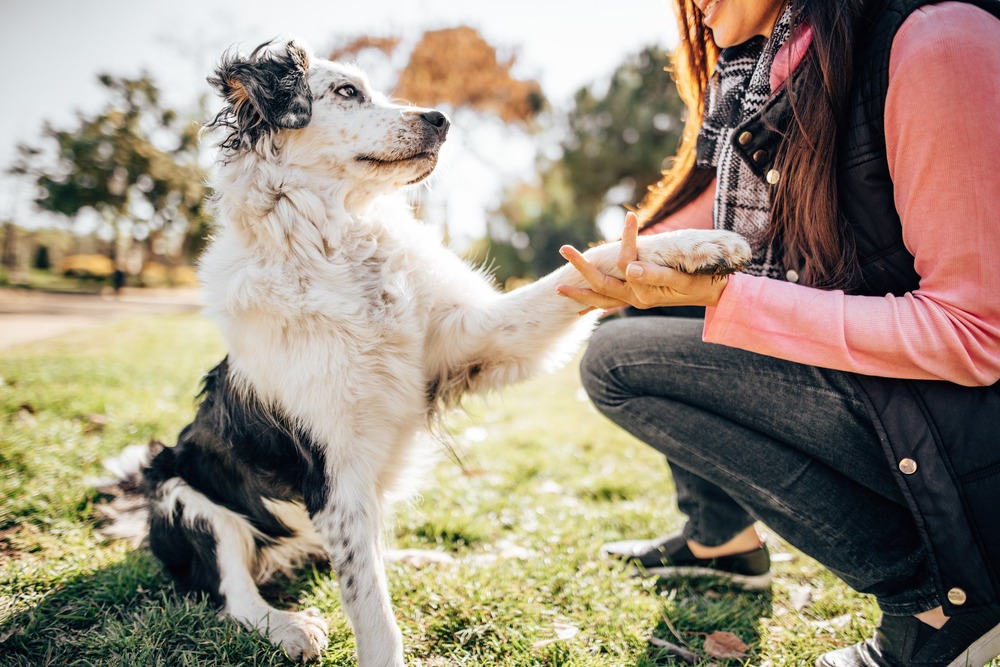
Most working scenthounds do best with a combination of movement and mental work. A single brisk lap around the block can be physically fine yet mentally unsatisfying if it is always the same route at the same pace.
A useful rhythm for many owners is a daily mix of:
- a longer walk where sniffing is encouraged for part of the time
- a shorter training walk with clearer expectations
- at-home enrichment such as scatter feeding, hide-and-seek with food, or simple tracking games
The goal is not to “tire the dog out” at all costs. It is to meet the dog’s need to explore, problem-solve, and settle afterwards.
Health considerations to keep on your radar
Any individual dog can develop health issues, and rare breeds can have limited public data compared with popular breeds. Still, there are a few practical areas worth watching in a medium-sized hound.
Hip dysplasia is a developmental condition seen across many breeds, influenced by genetics and other factors such as growth and body condition. If you are buying a puppy, ask what screening and breeding practices are used, and keep your growing dog lean and well-muscled rather than overfed.5, 6
Long, pendulous ears can also increase the risk of otitis externa (inflammation of the outer ear canal), especially when moisture and debris are trapped. Regular checks, sensible cleaning when needed (not over-cleaning), and early vet care when signs appear can prevent small problems becoming chronic ones.7
Coat, ears, and everyday grooming
The coat is generally low-fuss. Occasional brushing helps remove loose hair and dirt, and it is a good chance to check for grass seeds, ticks, and minor skin issues after time outdoors.
Ears deserve a little more attention. If your dog swims or spends time in wet conditions, get into the habit of drying the ears gently and checking for redness, odour, or discharge. Those early signs are often the difference between a simple treatment and an ongoing cycle of irritation.7
Nails, teeth, and weight are the quiet basics that make a noticeable difference over the years. A dog that is fit, lean, and comfortable in its body usually moves better, recovers better, and copes better with the demands of an active life.
Feeding and weight management for an active hound
For a working-type breed, nutrition is mostly about supporting steady energy and maintaining a healthy body condition. Choose a complete, balanced diet appropriate for your dog’s life stage, then adjust amounts based on the dog in front of you, not the packet.
If your Deutsche Bracke is doing substantial exercise, you may notice appetite changes across seasons. That is normal. What matters most is that the waist remains visible, the ribs are easy to feel under a light layer of tissue, and treats do not quietly become a large slice of daily intake.
Where joint health is a concern, keeping weight under control is one of the most practical steps you can take, alongside sensible exercise and vet guidance.6
Final thoughts on living with a Deutsche Bracke
The Deutsche Bracke makes the most sense when you view it as a specialist: a dog built for scent work, distance, and steady persistence. In the right home, that can translate into a companion that is grounded indoors and wonderfully engaged outdoors.
If you are drawn to the breed, look for breeders and clubs that prioritise working soundness and health, and plan your routines around enrichment as much as exercise. The happier this dog is in its own instincts, the easier it tends to be to live with, day to day.3, 1
References
- Fédération Cynologique Internationale (FCI): Deutsche Bracke (Standard No. 299)
- Verband für das Deutsche Hundewesen (VDH): Deutsche Bracke breed information
- Deutscher Bracken Club e.V.: Breed club information and tradition
- United Kennel Club (UKC): Deutsche Bracke breed standard
- American College of Veterinary Surgeons (ACVS): Canine Hip Dysplasia overview
- Orthopedic Foundation for Animals (OFA): Hip Dysplasia information
- Merck Veterinary Manual: Otitis externa in animals