

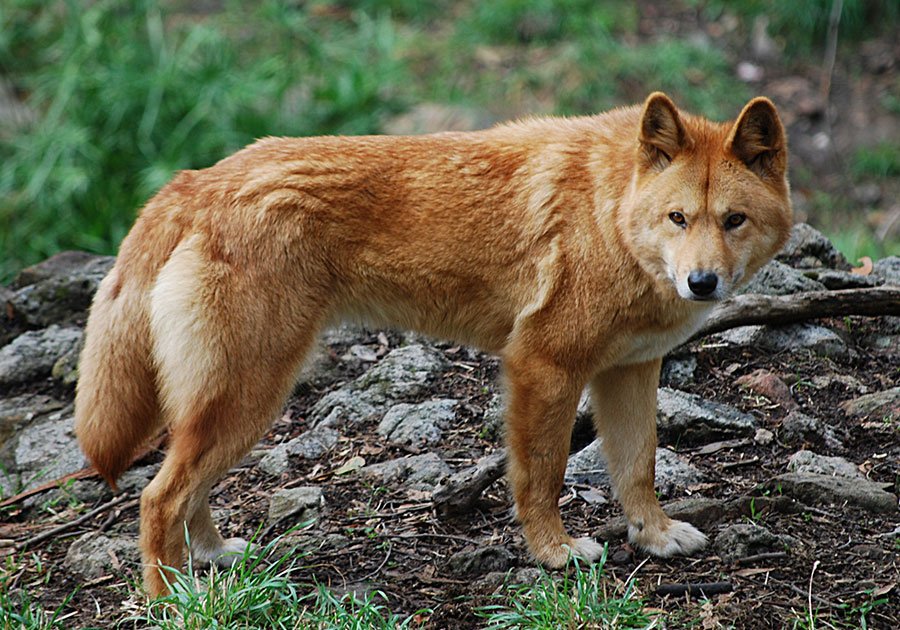
People usually start wondering about dingoes in a very ordinary way. You might see one on K’gari, hear a story about a “dingo” that turns out to be a dog cross, or notice a sturdy, tan “dingo-looking” pet and wonder what that actually means. The word gets used loosely, but the animal behind it sits in a much more complicated space than most of us expect.
A dingo is not simply a wild version of a pet dog, and it is not a neat “breed” in the way Labradors are. Dingoes are a long-established population of canids in Australia, shaped by thousands of years living alongside people at a distance, and then later pushed and pulled by farming, fencing, control programs, and hybridisation.1, 2
If you are considering “dingo” ownership, or you are trying to understand why management rules can feel so strict, it helps to start with that reality. Dingoes matter in practice because they are woven into ecology, culture, and law, and those threads do not always align neatly.4, 6
The dingo in Australia, more than a wild dog label
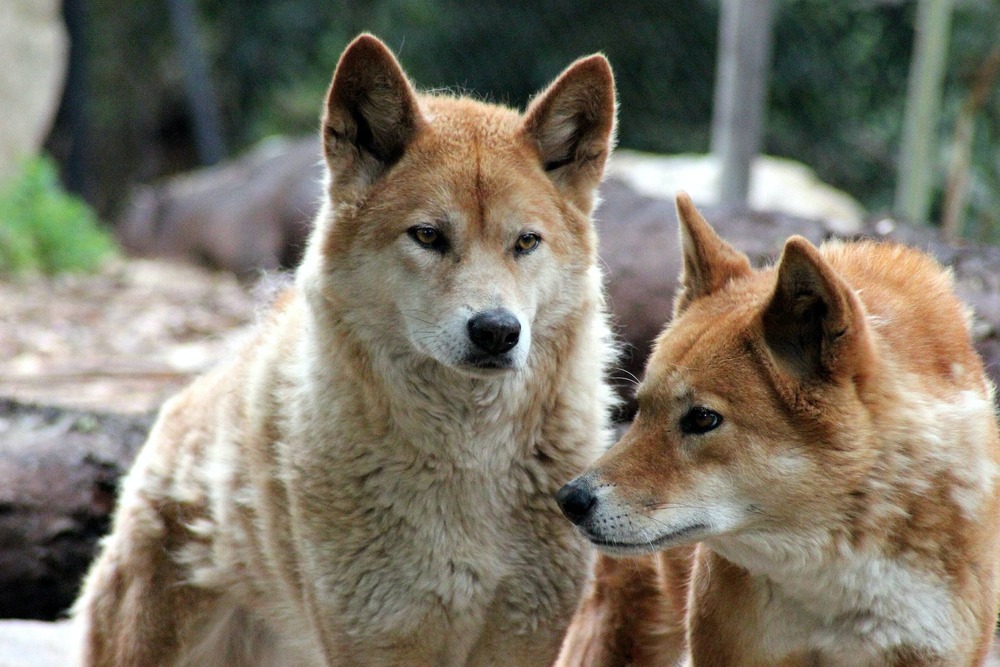
It is common to hear dingoes described as “Australia’s wild dog”, and there is truth in that shorthand. But in research and management contexts, “dingo”, “wild dog”, “feral dog”, and “dingo hybrid” can refer to overlapping groups, depending on where you are and what question you are asking.4, 5
Most evidence supports the idea that dingoes arrived in Australia in the mid to late Holocene, likely transported by seafaring people. Direct dating of dingo remains shows dingoes were in southern Australia by roughly 3,348 to 3,081 years ago, which is later than older popular estimates such as “4,000 years”.2, 5
In many landscapes, dingoes function as a top-order predator, influencing prey and interacting with other predators. That does not mean they are present everywhere, or that their impacts are always the same, but it does help explain why they are treated as ecologically significant rather than just “strays in the bush”.3, 4
It is also worth holding two facts at once. Dingoes can be protected wildlife in some places and regulated as pests in others. That legal split is one reason conversations about dingoes can become heated quickly, especially when people jump straight to simple categories like “native” versus “invasive”.6
Behaviour and temperament, what “independent” looks like in real life
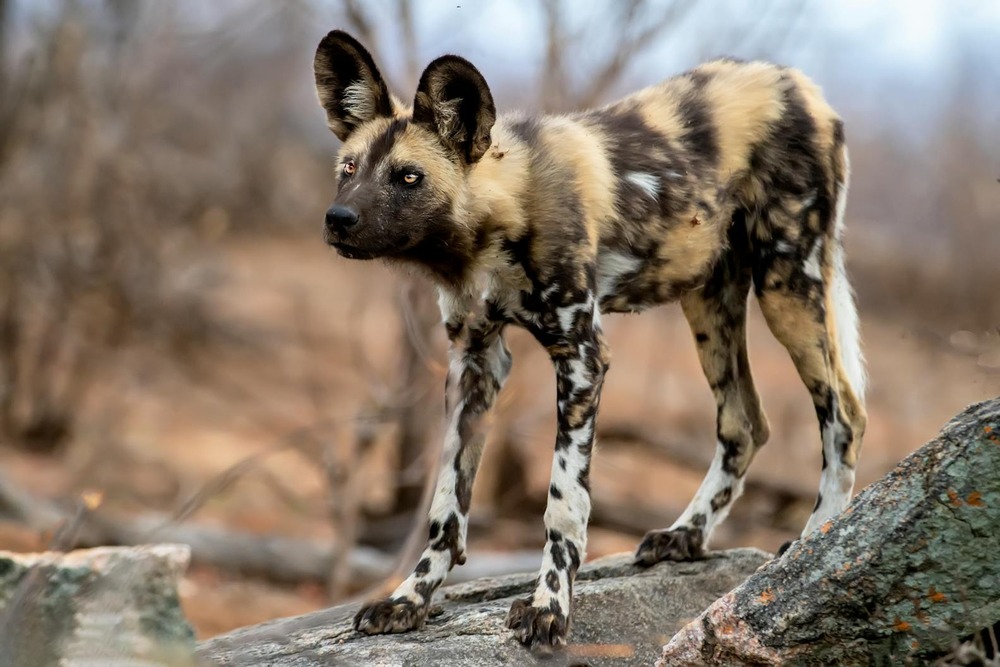
People often describe dingoes as independent, and that can be a useful word, as long as we are clear what it means. Dingoes are typically less inclined toward the kind of automatic compliance many pet dog owners take for granted. They tend to notice movement, patterns, and boundaries quickly, and they can persist with a problem long after a typical pet dog would give up.
This is not “stubbornness” in a human sense. It is a style of behaviour that makes sense for an animal shaped by foraging, ranging, and social decision-making in the wild. In a household, the same traits can look like selective responses to cues, testing doors and latches, intense interest in what is outside the fence line, and strong preferences about handling.
With strangers, many dingoes and dingo-content animals show caution. That is not automatically a sign of fearfulness or aggression, but it does mean that careful socialisation and low-pressure exposure matter, particularly during developmental periods. Poorly managed interactions, especially those involving food or close contact, can teach the wrong lessons fast.
In multi-pet homes, risk is often underestimated. A dingo’s interest in smaller animals can be intense and can switch on quickly, particularly with running, squealing, or fluttery movement. Even with training, it is usually safest to plan on active management rather than assuming “they will work it out”.
Communication, yes they howl, but it is not the whole story
The idea that dingoes “don’t bark, they only howl” is catchy, and partly misleading. Dingoes do produce barks and howls, and researchers have described a distinctive “bark-howl” vocalisation that combines elements of both.7
In practical terms, you might hear:
- Howls that carry over distance and may occur in group contexts.
- Short barks or alarm-like calls in certain situations.
- Bark-howls that can sit somewhere between the two.
This matters because it nudges us away from myths and towards observation. If you are living near dingoes, or caring for a dingo-content animal, the goal is not to interpret calls as “speech”, but to notice patterns: what tends to happen before and after a call, and what changes reduce arousal rather than escalating it.
Training and exercise, more structure, not more force
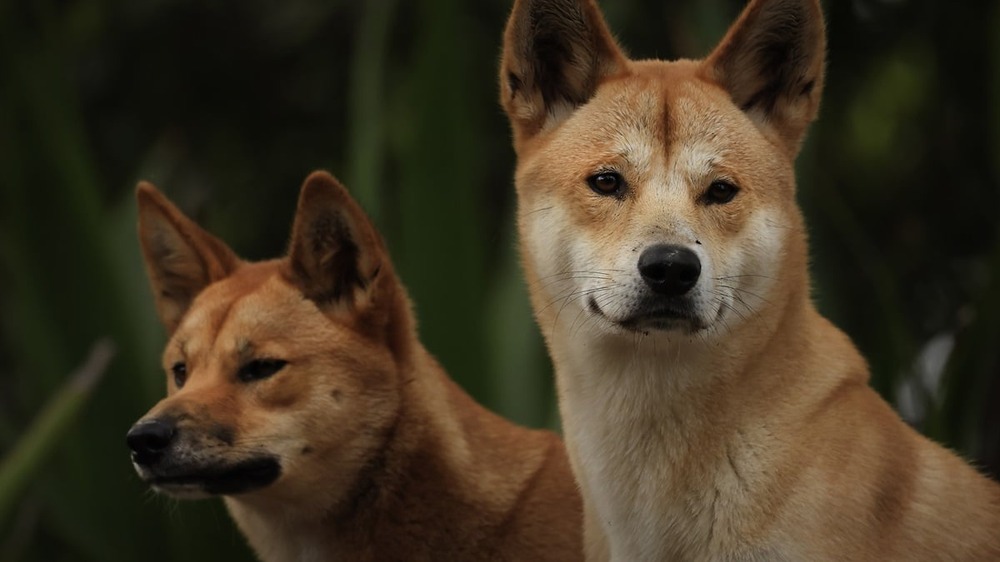
Training advice for pet dogs often assumes the dog is motivated by human approval and comfortable with frequent handling. With dingoes, a more realistic starting point is that trust and predictability do more than pressure ever will.
Many experienced handlers lean on the same basics, but applied with more care and more patience:
- Reinforce behaviours you want with food, play, and access to the environment.
- Keep sessions short and end before frustration builds.
- Use secure management (leads, double gates, containment) so the animal does not rehearse escaping or chasing.
- Build enrichment into daily life, such as scent work, puzzle feeding, and varied walking routes.
Exercise is not just about distance. Dingoes often benefit from a blend of physical activity and problem-solving. A long walk without opportunities to sniff, investigate, and decompress can still leave a highly alert animal with energy to spare once you get home.
Health, lifespan, and routine care
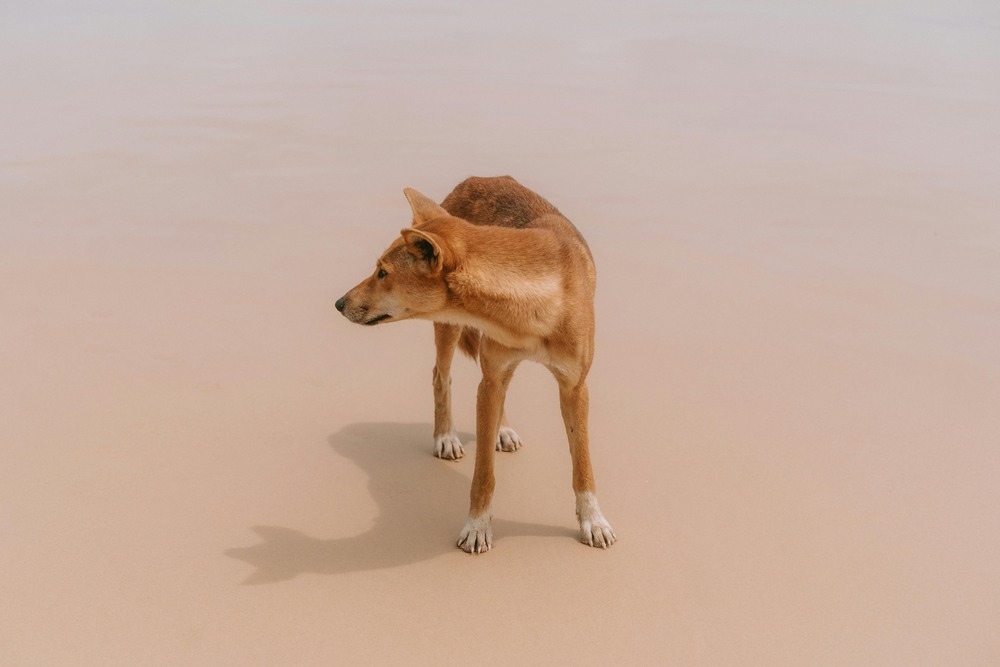
Dingoes are often described as robust, and many are. In the wild, Queensland’s guidance notes an approximate lifespan of 7 to 13 years, which reflects the pressures of free-ranging life, including injury, food variability, and conflict.6
In human care, lifespan can be longer, but it still depends on the basics being done well: parasite prevention, vaccination suited to local risk, appropriate diet, dental care, and prompt veterinary assessment when behaviour or appetite changes. It is also worth remembering that “dingo” in a pet context often means some level of dog ancestry, and that can change health risks in either direction depending on lineage.
If you are working with a vet who has limited experience with dingoes, that is not a dead end. Bring clear notes, videos of relevant behaviour, and a willingness to take things slowly with handling. Low-stress veterinary visits can be a major quality-of-life factor for both animal and carer.
Grooming and containment, the part people regret underestimating
Dingoes typically have a short, dense coat that does not need elaborate grooming. Occasional brushing and routine checks of ears, nails, and skin usually cover the basics.
Containment is the bigger practical issue. Many dingo carers discover that what “holds a dog” does not necessarily hold a dingo. Good containment is not about punishment, it is about safety, legality, and welfare. Think in terms of escape-proof design, not just taller fencing.
Common weak points include:
- Gaps under gates and fence lines, especially after rain.
- Climbable mesh and nearby “launch points” such as sheds and logs.
- Simple latches that can be worked open over time.
- Boredom, which can turn fence-testing into a daily project.
Can you keep a dingo as a pet, what the law looks like in practice
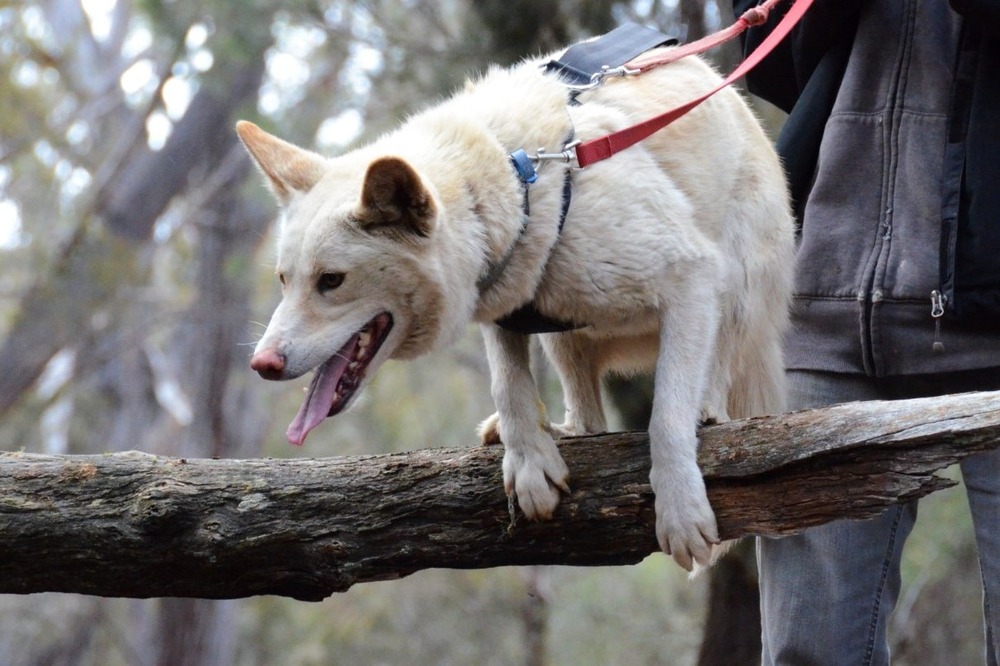
This is the point where people most need specifics, because the rules are not uniform across Australia. In Queensland, dingoes are listed as prohibited pets under state guidance, and they are also regulated under biosecurity settings outside protected areas.8, 9
At the same time, policy settings can shift. Queensland has been reviewing aspects of its biosecurity classification, with public discussion in late 2025 about potential changes, and proposed legislative amendments flagged for April 2026. Importantly, public reporting around that review has included disagreement about whether any change would practically allow pet ownership.10
In New South Wales, government guidance notes that dingoes and dingo hybrids bred in captivity can be kept legally as pets under the Companion Animals Act 1998, with local restrictions possible. That does not make them “easy pets”, it just describes the legal pathway.1
So the most useful rule of thumb is simple: check your state and your local council before you assume anything. “Legal” and “appropriate” are also different questions, especially if the animal’s needs exceed what a typical suburban set-up can provide.
Living near dingoes, safety and respect without panic
For many people, dingoes are not an ownership question, they are a neighbour. On K’gari, where dingoes (wongari) are a protected species and interactions are closely managed, Queensland Parks advice is consistent: keep your distance, do not feed dingoes, stay close to children (within arm’s reach), walk in groups, and avoid running because it can trigger chasing behaviour.6, 4
If you take one thing from all of that, let it be this: feeding changes behaviour. Habituation around people and food is repeatedly linked with higher risk interactions. The safest dingo is generally the one that stays wary and wild, and the safest visitor is the one who does not invite closeness.
Closing reflections
The dingo is easier to appreciate when we stop trying to force it into familiar categories. It is not a dog in the everyday pet sense, and it is not simply a symbol. It is an animal with its own behavioural logic, shaped by life in Australia, and then shaped again by the ways humans have managed, feared, valued, and misunderstood it.
If you are drawn to dingoes, it is worth leaning into accurate information and honest self-assessment. The most respectful approach, whether you live near them or are considering dingo-content ownership, is the one that prioritises safety, containment, and the animal’s real needs over romantic ideas about “wildness”.
References
- NSW Environment and Heritage: Mammal keeper licence (includes guidance on dingoes as pets in NSW)
- Scientific Reports (2018): New dates on dingo bones from Madura Cave provide oldest firm evidence for arrival in Australia
- IUCN SSC Canid Specialist Group: Dingo species account
- Queensland Government: Dingo overview (living with dingoes)
- Australian Research Council: On the dog’s trail (radiocarbon dating of dingo remains)
- Queensland Government: Dingoes (status, protection, lifespan and breeding)
- Behavioural Processes (2016): The bark, the howl and the bark-howl, identity cues in dingoes’ calls
- Queensland Government: Keeping exotic animals as pets in Queensland (prohibited animals list)
- Business Queensland: Wild dog control and the law (Biosecurity Act and Nature Conservation Act summary)
- ABC News (7 November 2025): Queensland considers allowing dingoes to be kept as pets