

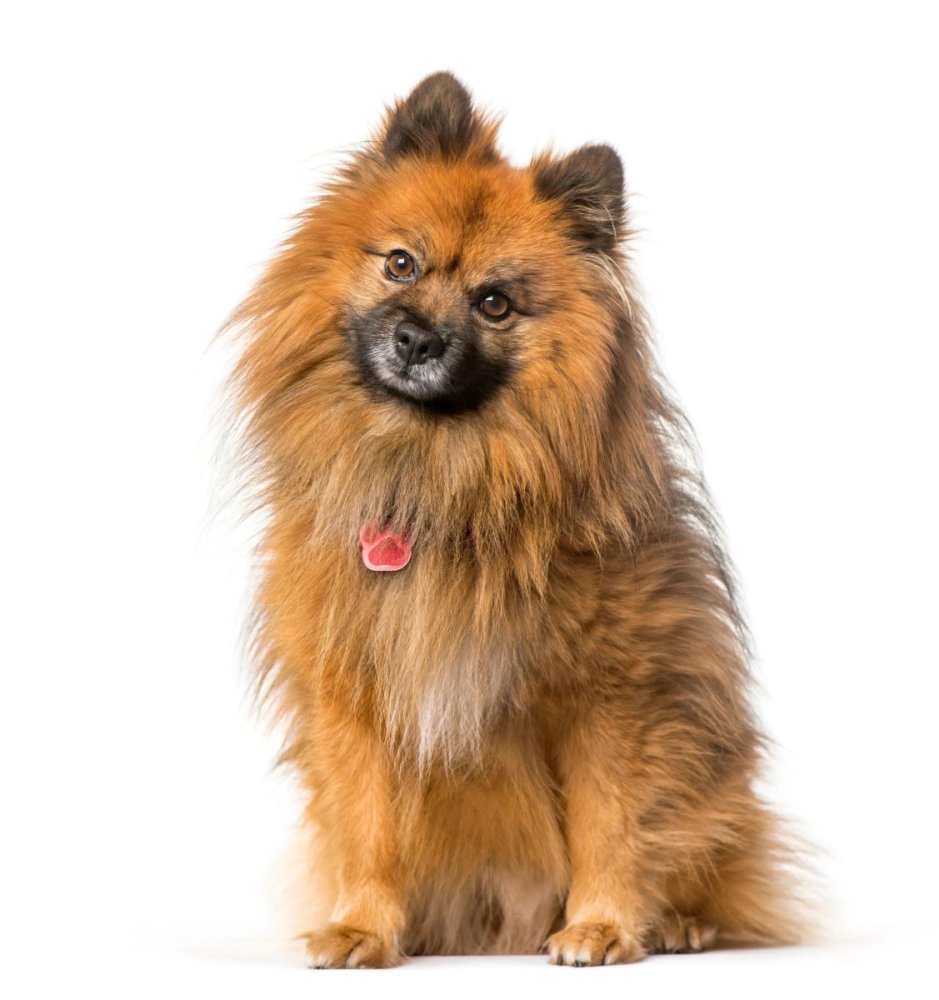
You might notice them at the park before you learn the name. A dog with a plush coat that seems to stand off the body, upright ears that miss very little, and a tail carried in an easy curl over the back. People often call them “fluffy” or “fox-like”, and assume they are all much the same.
But “Spitz type” is less a single look than a whole family of dogs shaped by climate, work, and human companionship. Some were bred to pull sleds, some to herd, some to hunt, and plenty now live as much-loved house dogs. The details matter, because the same coat that looks gorgeous in winter can be hard work in summer, and the same alertness that charms visitors can become nuisance barking if it is not guided.
Understanding what makes a Spitz “Spitz” helps you make practical choices, from grooming and exercise to training style and breed fit. It also helps you read the dog in front of you, rather than the stereotype.
What “Spitz type” actually means
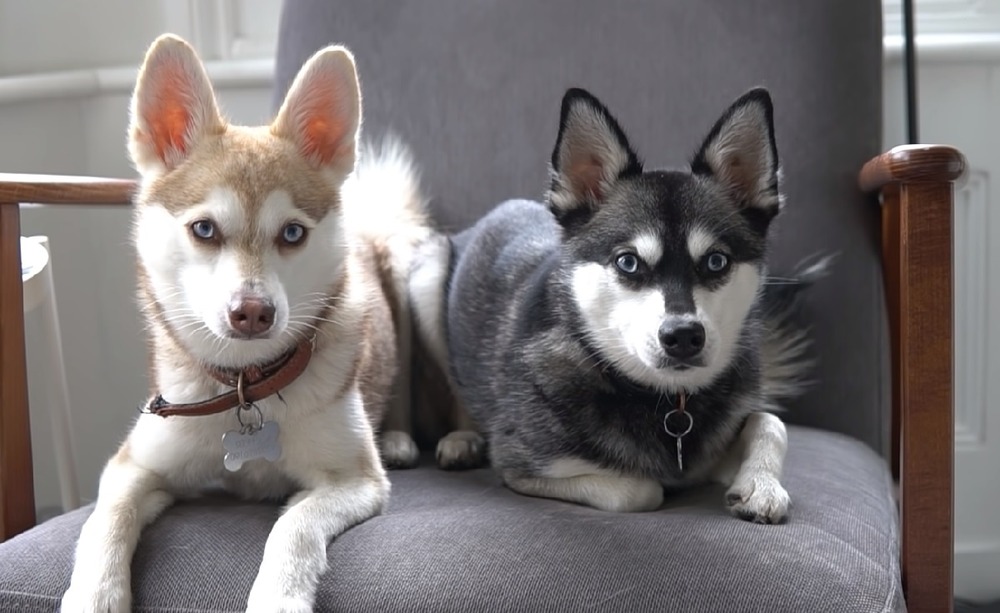
“Spitz” is used to describe dogs with a shared cluster of traits, rather than one single breed. Kennel clubs group many of them together because they tend to share a cold-climate body plan: upright ears, a wedge-shaped head, and a double coat that insulates in harsh weather.1
It is easy to over-simplify their history into “Arctic dogs”, but Spitz types have developed across large parts of northern Europe and Asia, and then spread worldwide as people moved, traded, and selectively bred for local needs. What stayed consistent was the emphasis on toughness, efficiency of movement, and coats that could cope with wind, snow, and long days outside.
In modern life, the “type” label can be helpful. If you are meeting a Keeshond, a Japanese Spitz, an Akita, or a Husky cross, you will often see familiar patterns in grooming needs, training preferences, and heat tolerance. It is not a guarantee, but it is a good starting point for asking the right questions.
Origins and cultural roles
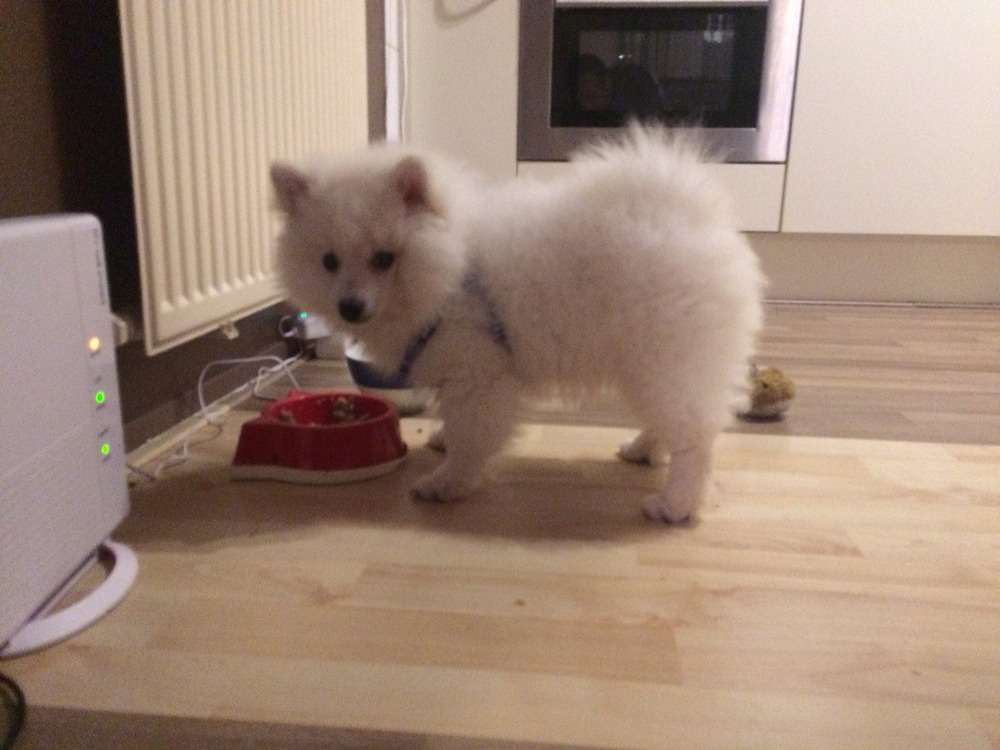
Many Spitz type breeds were developed to work closely with people, often in demanding conditions. Sled dogs needed stamina and a coat that could handle freezing temperatures. Herding spitz needed enough confidence to manage livestock, and enough independence to problem-solve at a distance. Hunting spitz needed sharp senses and the willingness to move through rough country.
That working background still shows up in day-to-day behaviour. A dog that was bred to make decisions in snow and silence may not feel naturally compelled to obey every cue the first time. This is where people sometimes label Spitz breeds as “stubborn”, when it is often more accurate to think in terms of independent decision-making.
Some individuals also became cultural symbols. The Akita, for example, is widely associated with loyalty in Japan through the story of Hachiko, and remains an important part of the breed’s public image.2
Appearance and functional traits
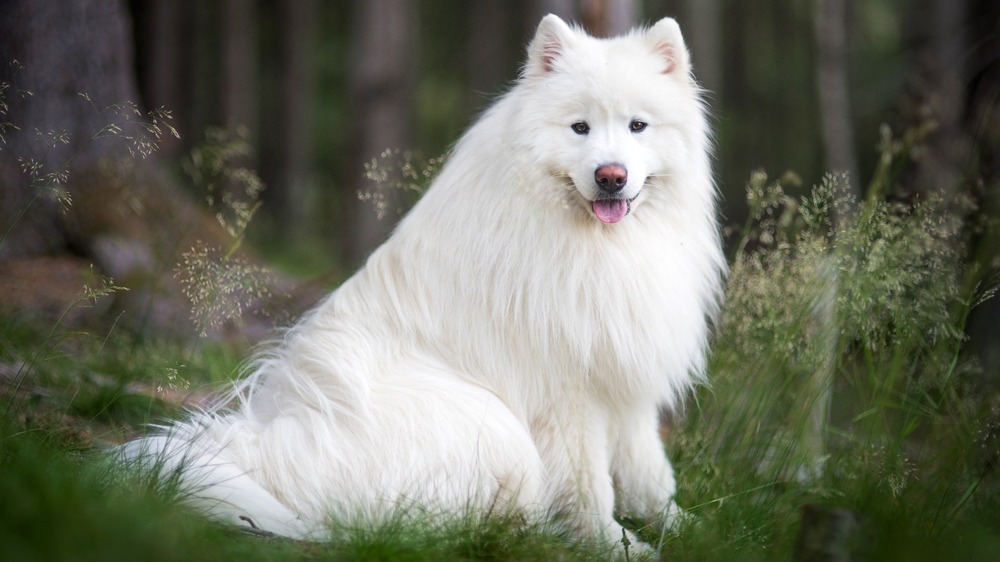
Most Spitz type dogs share a few features that are more than just decorative.
- Double coat: a soft, insulating undercoat with longer guard hairs on top. This helps regulate temperature and sheds water and dirt, but it also means seasonal shedding can be significant.3
- Upright ears: a common trait in many spitz breeds, supporting keen awareness of what is happening around them.
- Curled or carried tail: often high set and carried over the back in many spitz breeds, a hallmark you will see written plainly in breed standards.3
Size varies a lot. The Pomeranian and Japanese Spitz sit at one end, while larger working breeds such as the Samoyed, Akita, and various northern sled dog types sit at the other. Within that range, coat texture, muzzle length, and overall build can be very different, which is why it helps to look beyond the silhouette.
Temperament, behaviour, and everyday fit
Spitz type dogs are often described as bright, alert, and devoted to their people. Many also have a self-possessed quality: they notice patterns, they remember what worked, and they may test boundaries if routines are inconsistent.
This can be a joy in the right household. The same dog that makes you laugh with their cleverness can also become inventive about escaping, scavenging, or barking if their needs are not met. For many Spitz dogs, a good life includes mental work as well as exercise, such as sniffy walks, simple training games, or structured play.
With children and other animals, the usual rules apply: early socialisation, supervision, and teaching kids how to interact respectfully. Individual temperament matters more than the label “Spitz”, but it is sensible to remember that some breeds within the group have stronger guarding instincts or higher prey drive than others.
Training, socialisation, and exercise
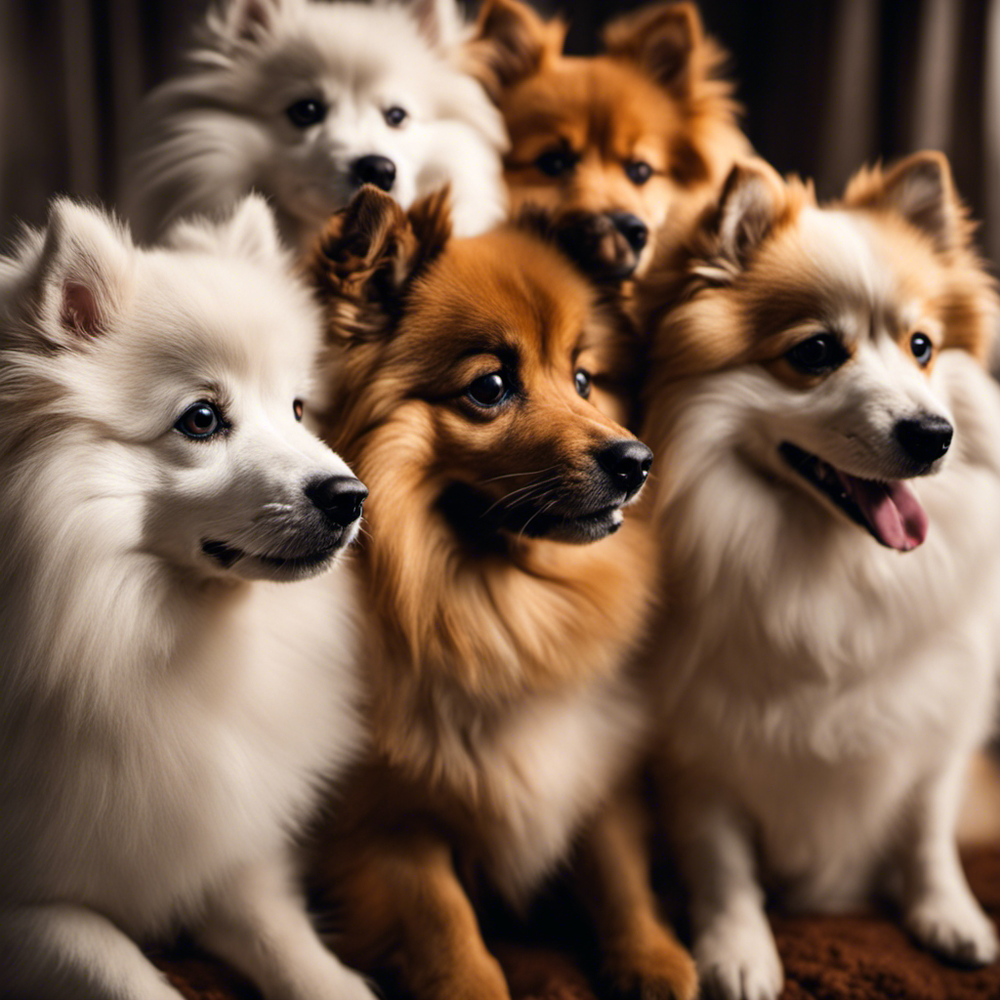
Spitz type dogs often do best with training that feels fair and predictable. Reward-based methods, consistency, and short sessions tend to be more effective than heavy-handed corrections, particularly for dogs that are quick to disengage when they feel pressured.5, 6
Socialisation is not about forcing greetings. It is about gradually helping a puppy or newly adopted dog feel safe around everyday sights, sounds, surfaces, and people. Practical, low-stress exposure, paired with treats and calm praise, builds resilience over time.4
Exercise needs vary by breed and by individual, but many Spitz types are built for movement. Alongside walks, consider activities that satisfy the brain, such as:
- scatter feeding in grass or a snuffle mat
- basic obedience and recall games
- agility foundations or controlled hiking for suitable dogs
If you are training a young dog, keep high-impact exercise sensible until your vet advises that growth plates are mature, especially in larger spitz breeds.
Health, weight, and preventative care
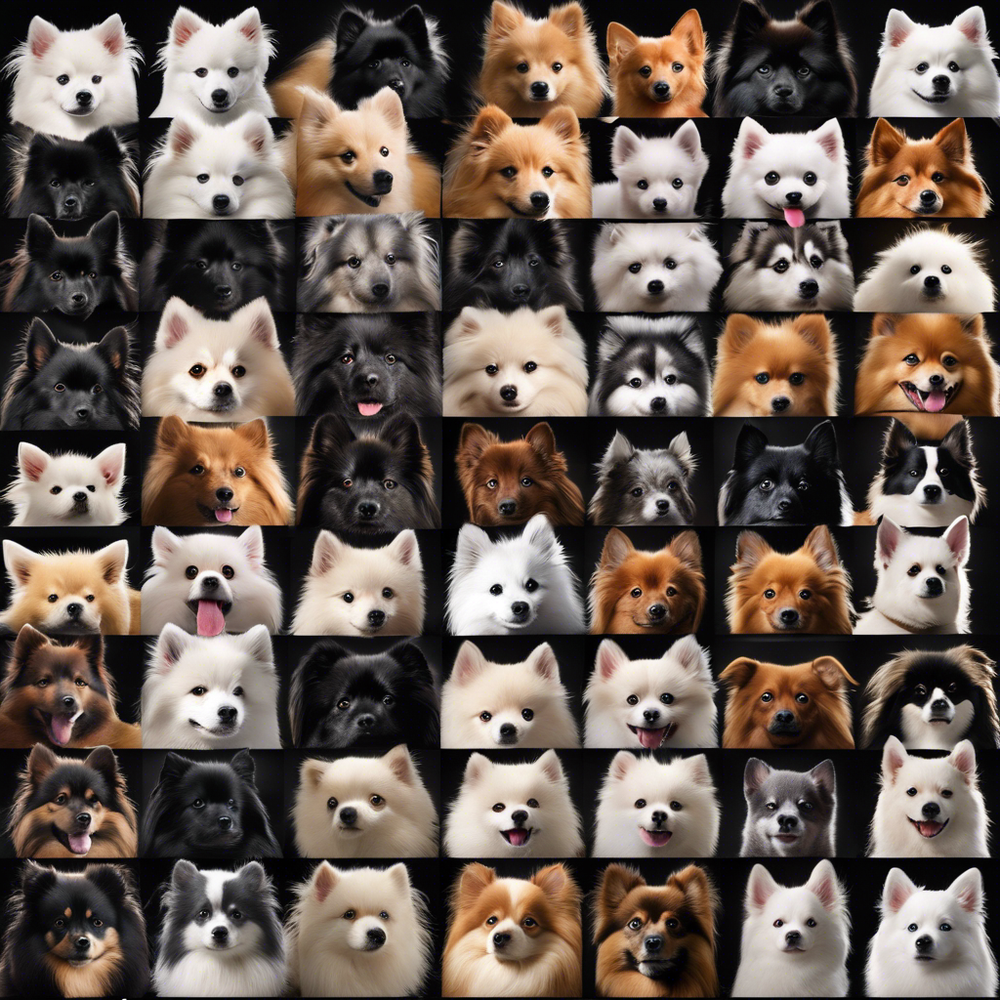
As a group, Spitz type dogs include both very hardy breeds and breeds with well-known inherited risks. It is more useful to think in terms of the specific breed, and the lines a dog comes from, than to assume “Spitz” equals healthy or unhealthy.
One issue that cuts across breeds is weight. Thick coats can hide body shape, and many dogs are more overweight than people realise. A hands-on check helps: you should be able to feel ribs with a light fat covering, and see a waist from above. If you are unsure, your vet can score your dog’s body condition and help you set a realistic plan.7
Preventative care is mostly the unglamorous stuff done regularly: vaccinations as advised by your vet, parasite prevention suitable for your area, dental care, and a habit of noticing changes early. If a Spitz dog suddenly seems reluctant to exercise, scratches more than usual, or pants heavily in warm weather, it is worth discussing with your vet.
Coat care and grooming that suits a double coat
A good Spitz coat is designed to shed dirt and insulate. Your job is mostly to support it, not fight it.
For many double-coated dogs, brushing weekly is a reasonable baseline, with more frequent grooming during heavy seasonal shedding. Just as importantly, teach puppies that grooming is safe. Gentle handling of paws, ears, and the body, paired with rewards, makes future coat care and vet exams far less stressful.8
If you are tempted to shave a heavily shedding Spitz in summer, pause and talk it through with a professional groomer and your vet. In many double-coated breeds, shaving can interfere with coat function and regrowth, and it does not necessarily solve heat stress. Practical cooling strategies, such as shade, airflow, limiting exercise in heat, and access to fresh water, are usually the safer focus.
Nutrition and feeding, keeping it simple and evidence-based
Nutrition advice can get noisy very quickly. A helpful anchor is to choose a complete and balanced diet that suits your dog’s life stage, then adjust portions based on body condition, not wishful thinking.
The World Small Animal Veterinary Association provides a widely used framework for nutrition assessment, encouraging a diet history, body condition scoring, and an individual plan that can change over time.9
For Spitz type dogs, two practical points come up often:
- watch the extras, because treats and table scraps can quietly push calories over the line
- support coat and skin health with a sensible diet, and ask your vet before adding supplements, especially if your dog has allergies or recurrent ear or skin problems
Final thoughts
Spitz type dogs can feel like a study in contrasts: plush coats and practical heritage, affectionate companionship and a streak of independence, lively minds and the need for calm routines. When they fit your life, they are often deeply rewarding dogs to live with.
The best approach is to look at what the dog was bred to do, then translate that into modern care: enough activity to keep the body comfortable, enough enrichment to keep the brain settled, and grooming that respects the coat’s natural design. If you start there, the “Spitz” traits that can look challenging on paper often make a lot more sense in real life.
References
- Federation Cynologique Internationale (FCI), Group 5: Spitz and primitive types
- Encyclopaedia Britannica, Akita
- The Kennel Club (UK), German Spitz (Klein) breed standard
- RSPCA Australia, Socialising your puppy
- RSPCA ACT, Dog Training School and positive reinforcement approach
- RSPCA WA, Dog training and positive reinforcement strategies
- RSPCA Knowledgebase, How do I tell if my dog is overweight?
- RSPCA Pet Insurance, Guide to dog cleaning and grooming
- WSAVA, Global Nutrition Guidelines