

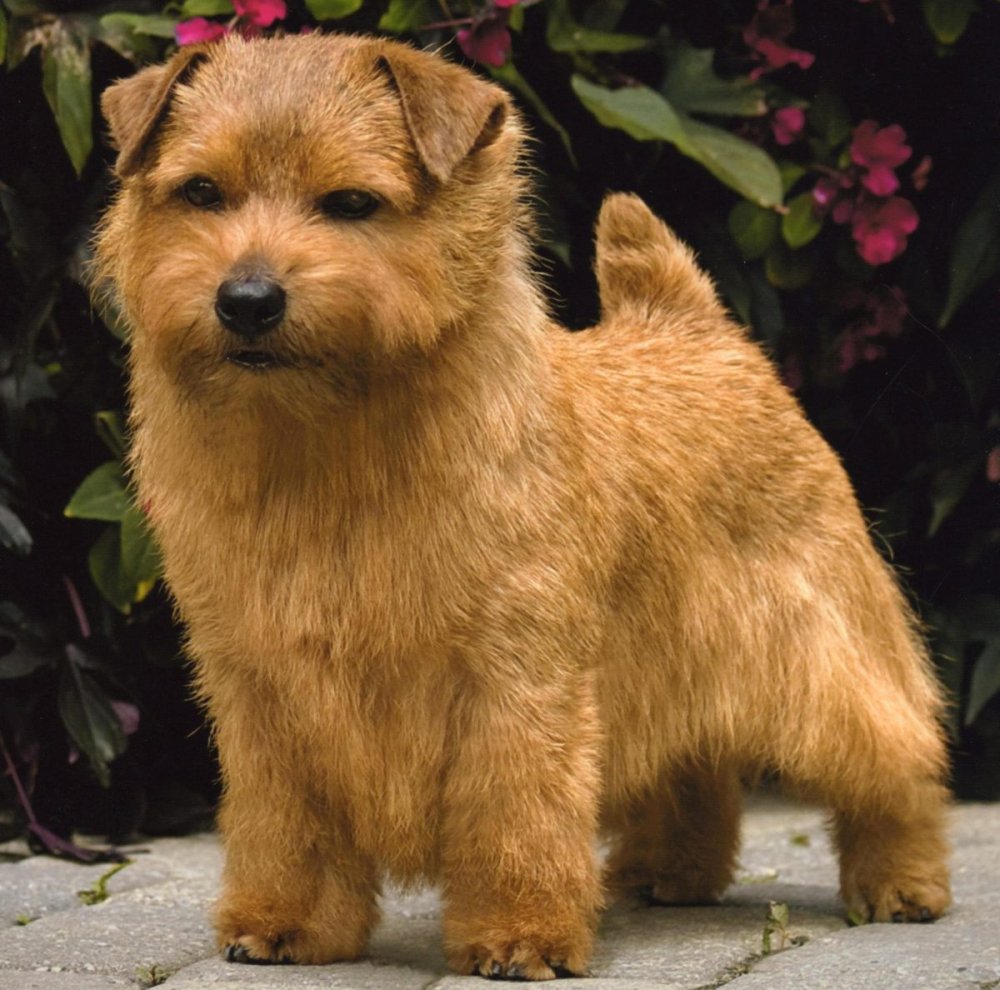
You might notice it on a walk: a small dog who looks perfectly content on a lead, then suddenly locks onto a moving leaf, a bird, or the sound of something in the hedge. Many people only meet terriers in these everyday moments, where their alertness and persistence can feel bigger than their body.
It is easy to assume terriers are simply “busy” dogs, or that they are being difficult on purpose. More often, what you are seeing is a set of instincts that once made them genuinely useful, especially for pest control work on farms, around stables, and in working yards.1 When you understand that background, the training and care that suits a terrier starts to make more sense in practice.
Terriers are not one look or one temperament. They range from tiny toy-sized companions to sturdy, larger working types. What tends to link them is a readiness to engage with their environment, and a willingness to keep trying, even when something is hard or unfamiliar.
Where terriers came from, and what they were built to do
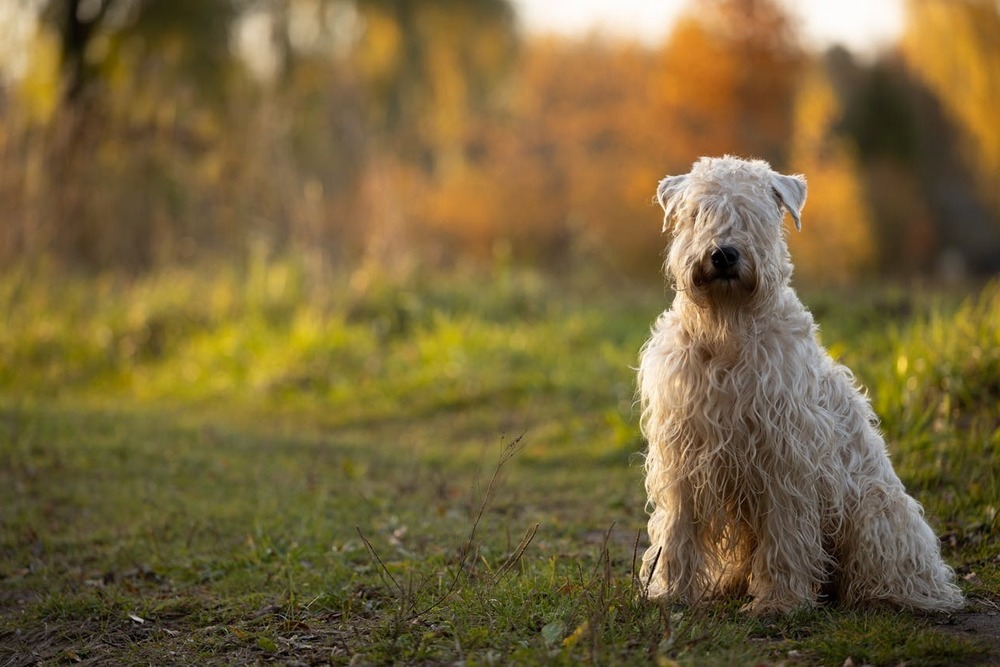
The word “terrier” is usually traced back to the Latin terra, meaning earth. The idea of an “earth dog” fits neatly with a classic terrier skill: getting into tight spaces, digging, and working close to the ground where small animals hide.2
Historically, many terriers were bred for hunting and vermin control. That does not mean every modern terrier needs to hunt, but it does help explain why so many of them are quick to notice movement, keen to chase, and hard to distract once they have decided something matters.1, 2
In the British Isles, different regions refined dogs for local conditions, terrain, and quarry. Over time, those practical preferences became recognisable “types”, and eventually formal breeds. Even today, you can often see the working logic in their structure: a compact body, strong front end, and an efficient, economical way of moving.
Appearance and the traits people often notice first

Terriers come in a wide range of sizes and coat types. Some have smooth coats that are easy to maintain, while others have wiry coats designed to cope with scrub, weather, and rough ground.
Many terriers share a “ready” look, bright eyes, forward attention, and a body that seems prepared to spring into action. That is not a sign they are wound up all the time. It is often just a dog who takes the world seriously, scanning for information and opportunities.
If you live with a terrier, it can help to think in terms of needs for outlets rather than “good” or “bad” behaviour. A dog that naturally enjoys investigating, digging, and chasing will cope better when those drives have safe, appropriate places to go.
Temperament, family fit, and life with other animals
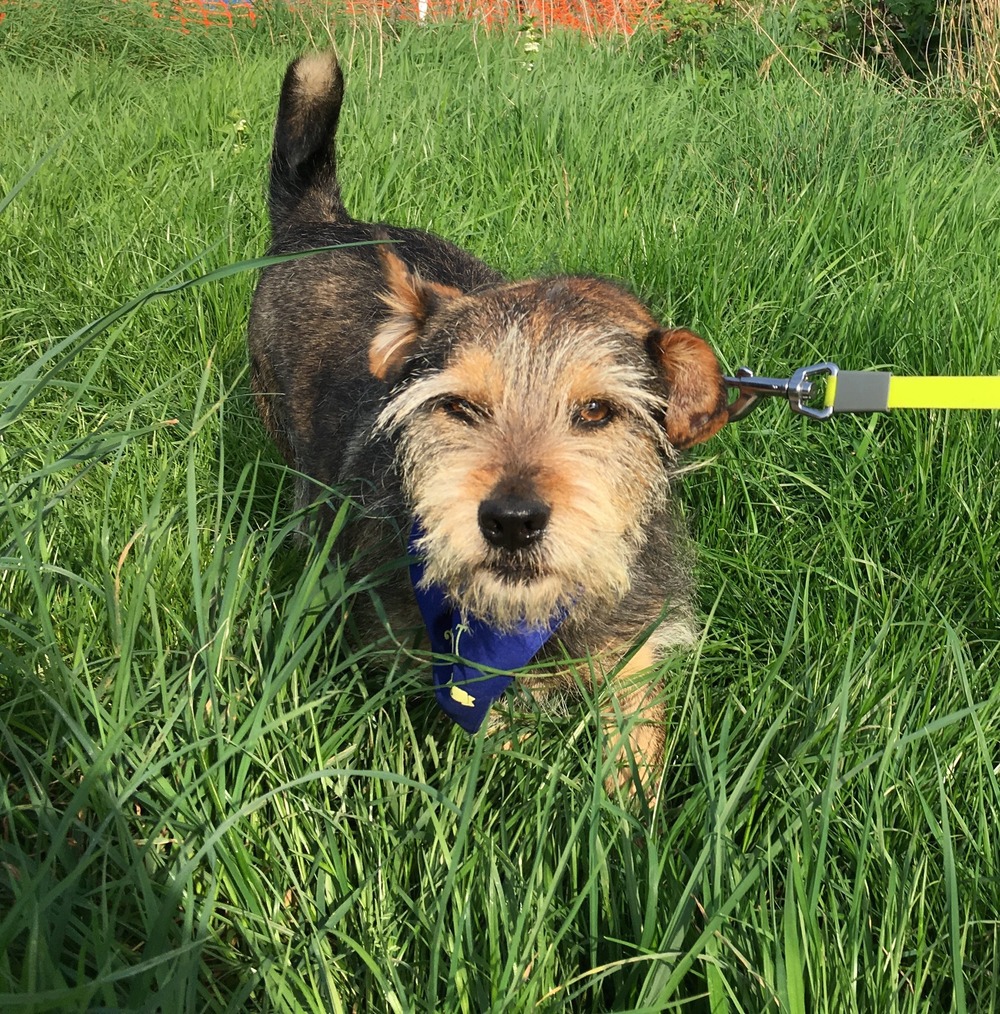
Terriers are often described as bold, persistent, and energetic. Many are also affectionate and funny company, especially when they have clear routines and enough to do.
In family homes, the biggest predictor of success is usually not the breed label, it is whether the household can offer consistent boundaries, daily activity, and thoughtful supervision. Terriers often do best with people who enjoy training, enjoy being outdoors, and do not mind a dog who has opinions.
With children, focus on calm handling and predictable interactions. Terriers can be tolerant, but they are not always fond of being grabbed, crowded, or surprised. Setting everyone up for quiet, structured play tends to reduce misunderstandings.
With cats and smaller pets, it is wise to assume a terrier may have a strong chase response. That does not automatically mean they cannot live together, but introductions should be gradual and managed. Use barriers, keep sessions short, and give the cat genuine escape routes. If the dog cannot settle, pause and step back a stage rather than pushing through.3
Training that suits a terrier brain
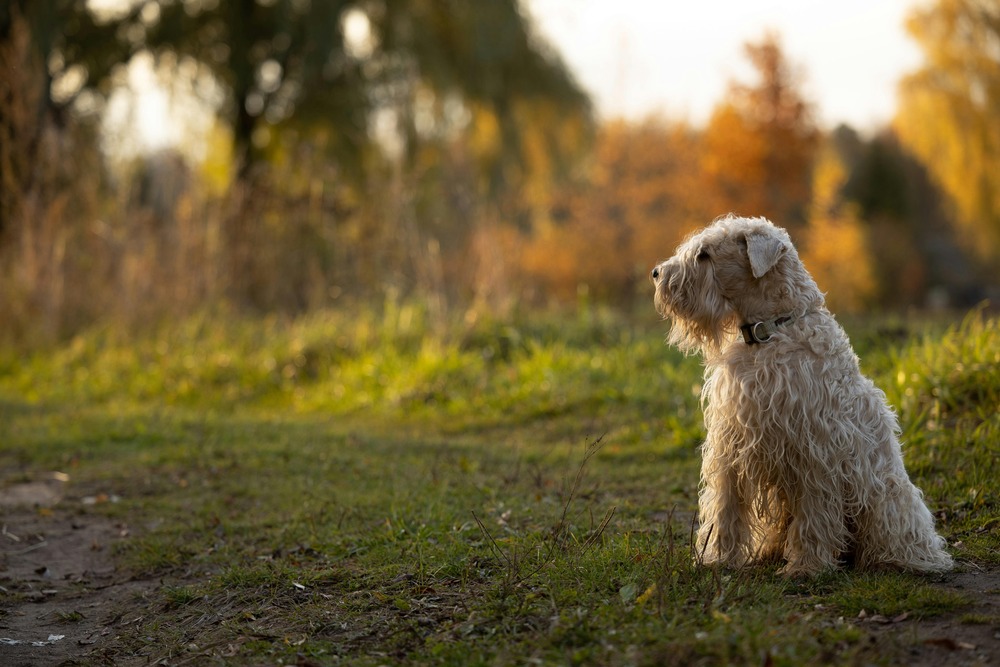
A common mistake with terriers is assuming they need “hard” training. In practice, many terriers respond best to training that is clear, consistent, and rewarding. Reward-based methods are widely recommended because they help dogs learn without adding fear, pain, or unnecessary conflict.4, 5
Terriers also benefit from short sessions. If you keep training brief and interesting, you can often get excellent focus. Long, repetitive drills tend to produce the opposite.
Useful foundations for many terriers include:
- Recall games that start easy and build slowly, especially around movement and distractions
- Loose-lead walking skills, taught with rewards and sensible distances from triggers
- Settle-on-a-mat or “place” training for switching off at home
- Handling practice (ears, paws, mouth) to support grooming and vet care
If your terrier is reactive, highly prey-driven, or struggling to cope with normal household life, it can be worth speaking with your vet and seeking a qualified behaviour professional early. Small dogs can carry big stress, and early support often prevents patterns from solidifying.
Exercise and enrichment, using energy well
Most terriers need daily movement, but they also need mental work. A brisk walk is valuable, yet many terriers still come home “full” if they have not had a chance to sniff, search, problem-solve, or use their bodies in varied ways.
Simple enrichment can include scatter-feeding in grass, puzzle toys, safe digging areas, trick training, and controlled scent games. For some terriers, dog sports like agility can be an excellent match, not because they need constant intensity, but because they thrive on having a job that makes sense to them.
Pay attention to arousal. If your terrier gets frantic with repetitive ball throwing, swap some of that for sniffing walks and calm reward-based training. The goal is not to “wear them out” at any cost. It is to help them practise being engaged and then relaxed.
Health and routine care

Terriers as a group often have good longevity, but health risks vary a lot by breed and by individual lines. The most practical approach is to choose breeders carefully (or ask good questions in rescue), keep regular vet checks, and watch for early signs that something is off: changes in appetite, itching, recurring ear issues, stiffness, or reduced willingness to jump or climb.
Weight management matters for terriers because extra kilos can quietly worsen joint strain and reduce tolerance for exercise. Aim for a steady, lean condition rather than a “solid” look, and adjust food as seasons and activity levels change.6
Preventive basics still do the heavy lifting: parasite control appropriate to your region, dental care, and routine vaccinations as advised by your vet.
Coat care, grooming, and what “hand-stripping” really means
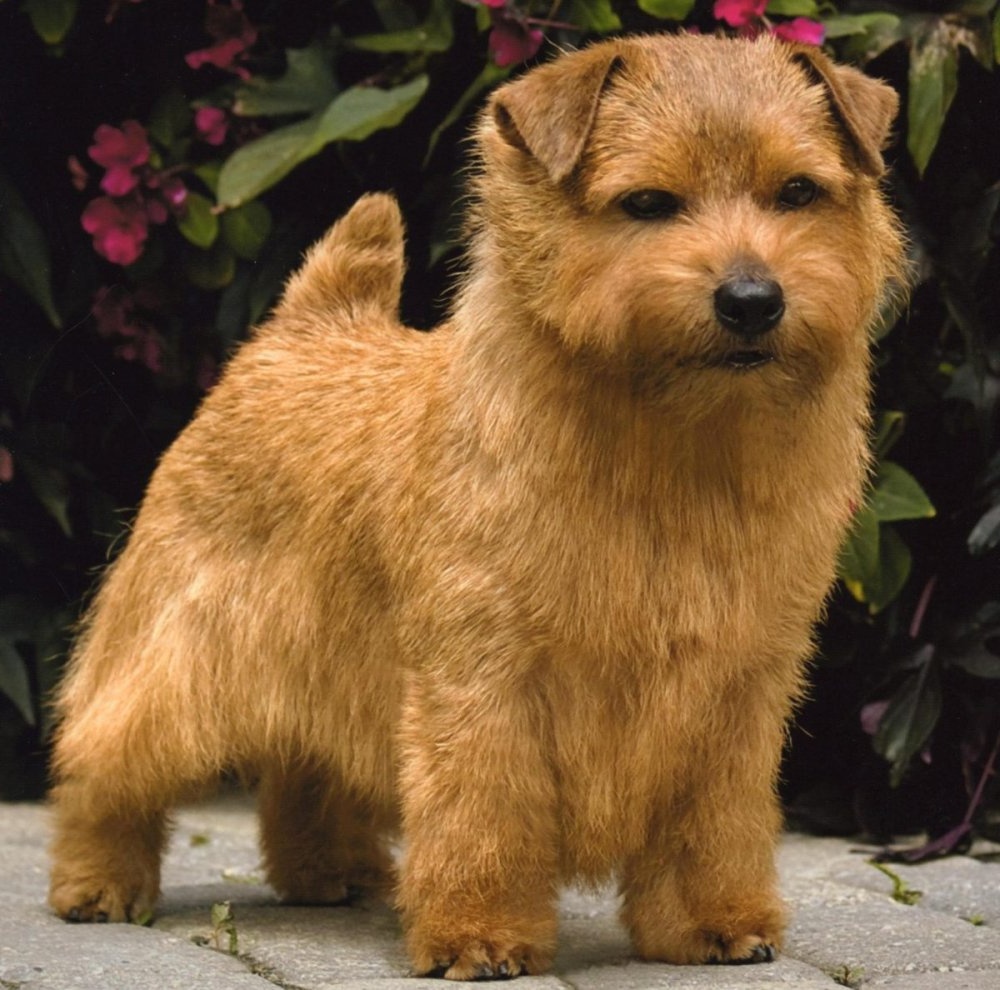
Grooming needs depend more on coat type than on the word “terrier”. Smooth coats often need little more than brushing and bathing when necessary. Wire coats can be more involved, particularly if you want to preserve the traditional harsh texture.
Some wire-coated terriers are maintained with hand-stripping, which removes dead coat by hand rather than clipping. Done well, it can help keep the coat texture and colour closer to the breed’s typical look. Many pet homes choose clipping for convenience, which is not “wrong”, but it can change coat feel and sometimes affects how the coat sheds and mats.7
If you are unsure what your dog needs, ask a reputable groomer to talk you through options. A good plan is one you can actually maintain, without turning grooming into a monthly struggle for you or the dog.
Feeding terriers, without overthinking it
Terriers do best on a diet that is complete and balanced for their life stage, with portions adjusted to the individual dog, not the label on the bag. If your terrier is highly food-motivated, that can be a gift for training, but it also makes it easier to accidentally overfeed.
A useful habit is to treat daily food as a budget. If you use lots of training treats, reduce meal portions accordingly. The WSAVA Global Nutrition Committee encourages an individual nutritional assessment, ideally as part of routine veterinary care, which is a sensible way to match diet to health, age, and lifestyle.8
If you are changing foods, do it gradually and keep an eye on stools, itchiness, and overall energy. When there are ongoing digestive issues or suspected allergies, involve your vet early rather than cycling through many foods at random.
Final thoughts on choosing and living with a terrier
Terriers can be delightful companions for people who appreciate a dog that notices things, thinks quickly, and brings plenty of character to the house. They often suit owners who enjoy training, enjoy routine, and can offer structured freedom rather than constant restriction.
If you meet a terrier who seems “too much”, it is often not a personality flaw. It is a capable little working dog, living in a world where their instincts need translation. With the right outlets and gentle, consistent handling, many terriers become steady, engaging pets who are a pleasure to share life with.
References
- American Kennel Club: Terrier Group
- Encyclopaedia Britannica: Terrier
- RSPCA Knowledgebase: Introducing a dog or puppy to an existing cat
- RSPCA Knowledgebase: Reward-based dog training
- RSPCA Victoria: Reward-based training
- RSPCA Australia: 4 ways to avoid obesity in your dog
- American Kennel Club: How to hand strip a dog
- WSAVA Global Nutrition Committee
- American Kennel Club: Breeds by group (Terrier Group)