

You can usually tell a lot about a dog’s coat by what ends up on your clothes. Sometimes it is a fine dusting of short hairs that clings stubbornly to fabric. Other times it is long strands that collect in corners like tumbleweeds. Either way, shedding has a way of turning up in day to day life long before most people start thinking about coat types.
It is also easy to assume that short hair means less shedding, or that long coats automatically equal more mess. In practice, shedding is less about the length you can see and more about what is happening at the skin, the coat’s growth cycle, and whether there is an undercoat involved. Coat type and health often matter more than “short versus long”.1, 2
Once you understand what drives shedding, it becomes easier to choose grooming habits that suit your dog, and to notice when hair loss is normal seasonal change versus something that deserves a closer look.
Understanding dog coat types (beyond hair length)

When people say “short-haired” or “long-haired”, they are usually describing what the top layer looks like. From a shedding point of view, the more helpful question is whether your dog has a single coat or double coat. Double-coated dogs carry a softer insulating undercoat beneath their outer guard hairs, and that undercoat is often what drives heavier shedding periods.3, 4
Some long-coated dogs are heavy shedders, but others shed less and require more trimming and brushing for tangles instead. Likewise, plenty of short-coated dogs shed steadily, leaving fine hairs that can feel more “everywhere” simply because they are harder to see and pick up.
Short-coated and long-coated dogs in real homes
In many households, short coats feel easier because there is less brushing and fewer knots. The trade-off is that loose short hairs can weave into upholstery and car carpets. Long coats can be simpler to spot and collect, but they usually need more frequent coat care to prevent matting and skin irritation.
What influences how much a dog sheds
Shedding is shaped by breed and coat structure, but also by the seasons, indoor heating and cooling, grooming routine, parasites, and skin health. A dog that is scratching or uncomfortable can shed more, not because they “decide to”, but because the skin and coat are being disrupted.2
Shedding in short-haired dogs
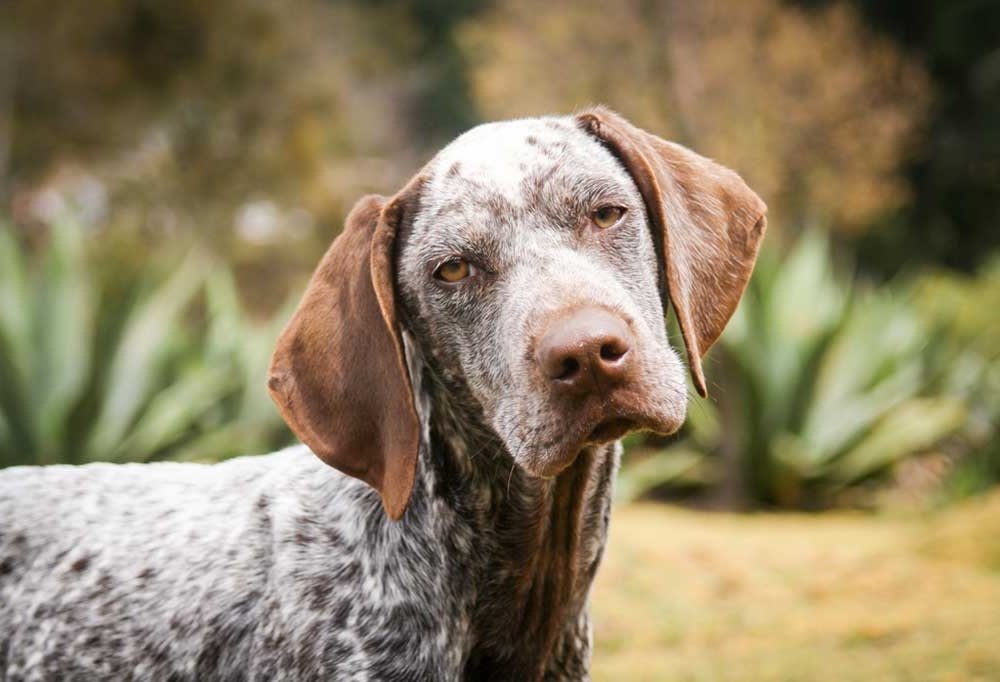
Short-haired dogs often shed in a steady, low-level way. You may not notice it until sunlight hits the couch, or until you put on black trousers. Some short-coated breeds have a dense coat structure and can shed more than expected, even though the hairs themselves are small.
What “less shedding” can look like
With short coats, “less” often means less obvious shedding, not necessarily less hair overall. The hairs tend to be shorter, finer, and more likely to stick into fabrics. Regular brushing helps lift loose hair before it gets pressed into bedding, lounges, and car seats.1
Why some short coats still shed heavily
Dogs with a short but dense coat, especially those with an undercoat, can shed noticeably during seasonal change. If your short-coated dog seems to “blow coat” at certain times of year, it is worth checking whether they are actually double-coated rather than assuming it is unusual.3, 4
Shedding in long-haired dogs
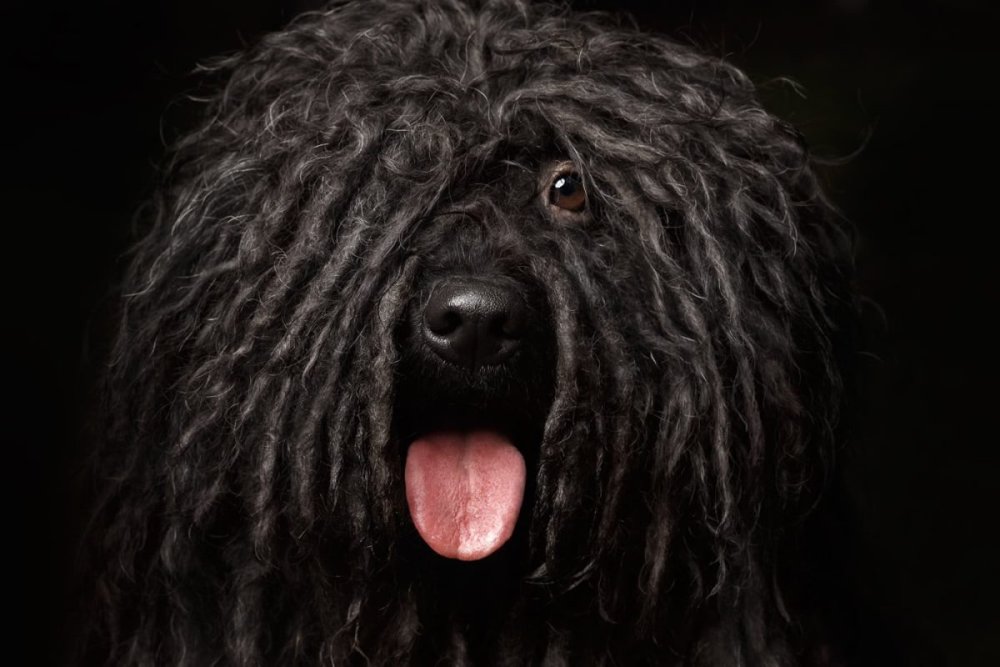
Long-haired dogs can shed in a way that looks dramatic because the hairs are easy to see. Seasonal coat changes can create larger clumps, especially where there is an undercoat. On the other hand, some long-haired dogs shed less but need more active grooming because loose hair stays trapped in the coat until brushing removes it.
Seasonal “coat blows” and year-round shedding
Many double-coated dogs shed year-round with heavier periods as seasons shift. Owners often notice this in spring and autumn, although the timing can vary with climate and indoor living. During these periods, brushing becomes less about looks and more about comfort and skin health.4
Long hair that keeps growing
Some breeds have hair that grows for longer rather than cycling quickly. These dogs may shed less, but they are more prone to tangles and mats, which can pull on the skin and hide irritation. In those households, the question is not “How much fur is on the floor?” but how easily the coat stays comfortable between grooming sessions.5
What can make shedding worse (and when it is not just shedding)

A healthy coat still sheds. What tends to concern vets and groomers is a change in pattern, or shedding that comes with itch, redness, odour, scabs, or bald patches. Excessive shedding is often a skin and health story, not a “hair length” story.2
Skin irritation, parasites, and allergies
Fleas and other parasites can trigger scratching and inflammation, which can increase hair loss. Environmental allergies and some food sensitivities may also show up as itch, recurrent ear problems, licking, or inflamed skin, with hair thinning that follows. Keeping parasite prevention up to date matters for comfort as well as cleanliness.2, 6
Hormonal and medical causes
Some medical conditions can affect the coat, including hypothyroidism, which can be associated with coat changes and hair thinning. These patterns are not always dramatic at first. They can look like a coat that will not bounce back, or hair that sheds and does not regrow well in certain areas.7
When to book a vet visit
Consider a check-up if you notice:
- sudden shedding changes that persist for weeks
- patchy hair loss, bald spots, or broken hair
- redness, scabs, dandruff, greasy coat, or strong odour
- itching, licking, rubbing, or signs of discomfort
- changes in energy, weight, appetite, or thirst alongside coat change
Even when it turns out to be seasonal shedding, it is often reassuring to rule out skin infection, parasites, and underlying illness early.6
Grooming that actually helps (for both coat types)
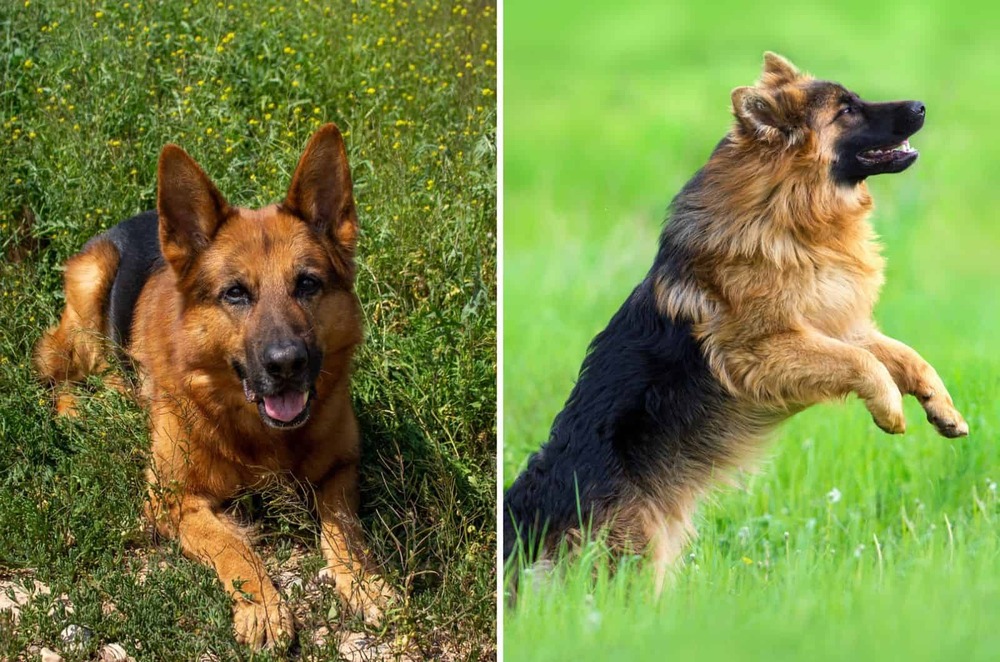
Good grooming is mostly about consistency. It removes loose hair, spreads skin oils, and helps you spot small skin issues before they become big ones. It also builds tolerance for handling, which can make vet checks and professional grooming less stressful over time.1, 5
Short coats: less time, still regular
For many smooth short coats, brushing every week or two is enough to catch loose hair before it lands around the house. Grooming mitts and soft bristle brushes work well, especially if your dog is not yet comfortable with longer sessions. The aim is a calm, gentle routine, not “scraping out” hair.1
Long coats: preventing tangles is the real work
Long-coated dogs often do best with more frequent brushing, focusing on friction areas like behind the ears, under the collar, armpits, belly, and tail. If mats form close to the skin, cutting them out can be risky. That is a good moment to involve a groomer or vet nurse rather than pushing through at home.5
Bathing and coat health
Bathing can help lift loose coat and soothe skin when the right product is used, but over-bathing or harsh shampoos can dry the skin and backfire. Use a dog-specific shampoo and adjust frequency to the individual dog’s skin and lifestyle, not an arbitrary schedule.8
Managing shedding inside the home
There is no “fur-free” home with a shedding dog, but there are practical ways to keep it from feeling constant. A steady routine tends to beat occasional deep cleans.
Simple routines that add up
- Vacuum regularly, including furniture, and pay attention to where your dog sleeps and rests.2
- Wash bedding and throws often, and consider washable covers on favourite spots.
- Brush outdoors when you can, especially during heavier seasonal shedding.2
If allergies are part of the picture
Some people are more sensitive to dander and saliva proteins than to hair itself, but hair still carries those particles around the house. Managing parasites, keeping the coat clean, and maintaining a regular grooming routine can all help reduce the load indoors.2
Final thoughts
If you are choosing between a short-haired and long-haired dog on shedding alone, it helps to zoom out. Hair length changes what you see. Coat type, undercoat density, and skin health influence how much is actually shed. Short coats can shed constantly, and long coats can be manageable with the right brushing rhythm.
In most homes, the best match is the dog whose coat care fits naturally into your week. When grooming feels doable, it happens more often, and both the house and the dog tend to be more comfortable for it.
References
- RSPCA Pet Insurance: Guide to dog cleaning and grooming
- RSPCA Pet Insurance: Guide to dog shedding
- The Kennel Club: What is a double coat?
- PetMD: Double-coated dogs and shedding patterns
- RSPCA Pet Insurance: Washing and brushing your dog
- Veterinary Partner: Itchy dog (pruritus) overview and causes
- Merck Veterinary Manual: Hypothyroidism in animals
- RSPCA South Australia: The complete guide to grooming your dog
- Merck Veterinary Manual (Pet Owner): Overview of skin disorders of dogs