

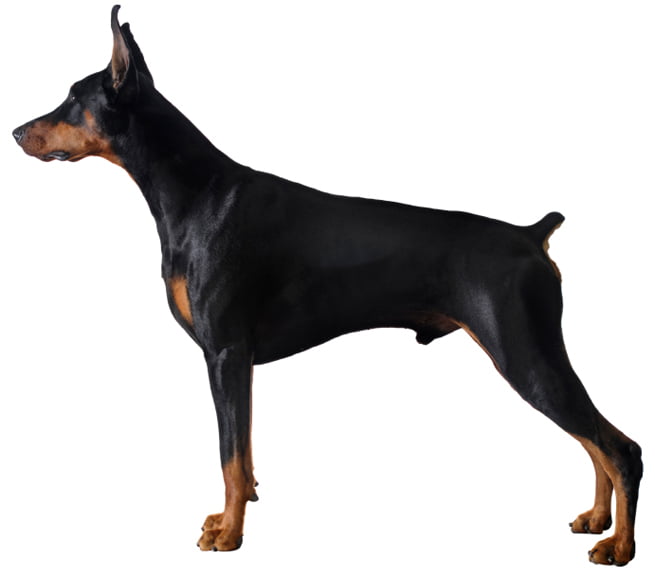
People usually start looking into Dobermans after noticing a few things at once: the sleek, watchful silhouette, the way the dog seems to “read” what’s happening around the house, and the strong opinions everyone seems to have about the breed.
It is tempting to file them away as either “too intense” or “born guard dogs”. In practice, most Dobermans sit somewhere more nuanced. They are bright, fast to learn, and often deeply oriented to their people. That can look like calm confidence in one home, and like restlessness or reactivity in another.
What matters most is not the myth of the Doberman, but the day-to-day reality: exercise, training, socialisation, and health care. When those needs are met, this breed can be a steady working partner and a closely bonded companion.
- Breed category: Working (varies by kennel club)
- Country of origin: Germany
- Average height: Males 68 to 72 cm; females 63 to 68 cm (FCI standard)
- Average weight: Males about 40 to 45 kg; females about 32 to 35 kg (FCI standard)
- Typical lifespan: Around 10 to 13 years
- Coat: Short, smooth
- Common colours: Black, red, blue, fawn (with rust markings)
- Grooming needs: Low to moderate
- Exercise needs: High
- Best suited to: Active households, owners keen on training and structure
History and origin

The Doberman was developed in Germany in the late 1800s, most often linked to Karl Friedrich Louis Dobermann, who wanted a dog that could offer reliable protection while moving through town and countryside for work.1
Early breeding focused on working ability and stability: a dog that could think clearly under pressure, stay close to its handler, and respond quickly to training. Over time, the type became more consistent, and the Doberman’s distinctive outline, short coat, and athletic build became part of what people recognised as “the breed”.1
Dobermans still turn up in roles that suit their strengths, including obedience, tracking, and protection sports. In family homes, that same drive can be an asset when it is given a job to do, and a challenge when it is left to spill into nuisance behaviours.
Physical characteristics
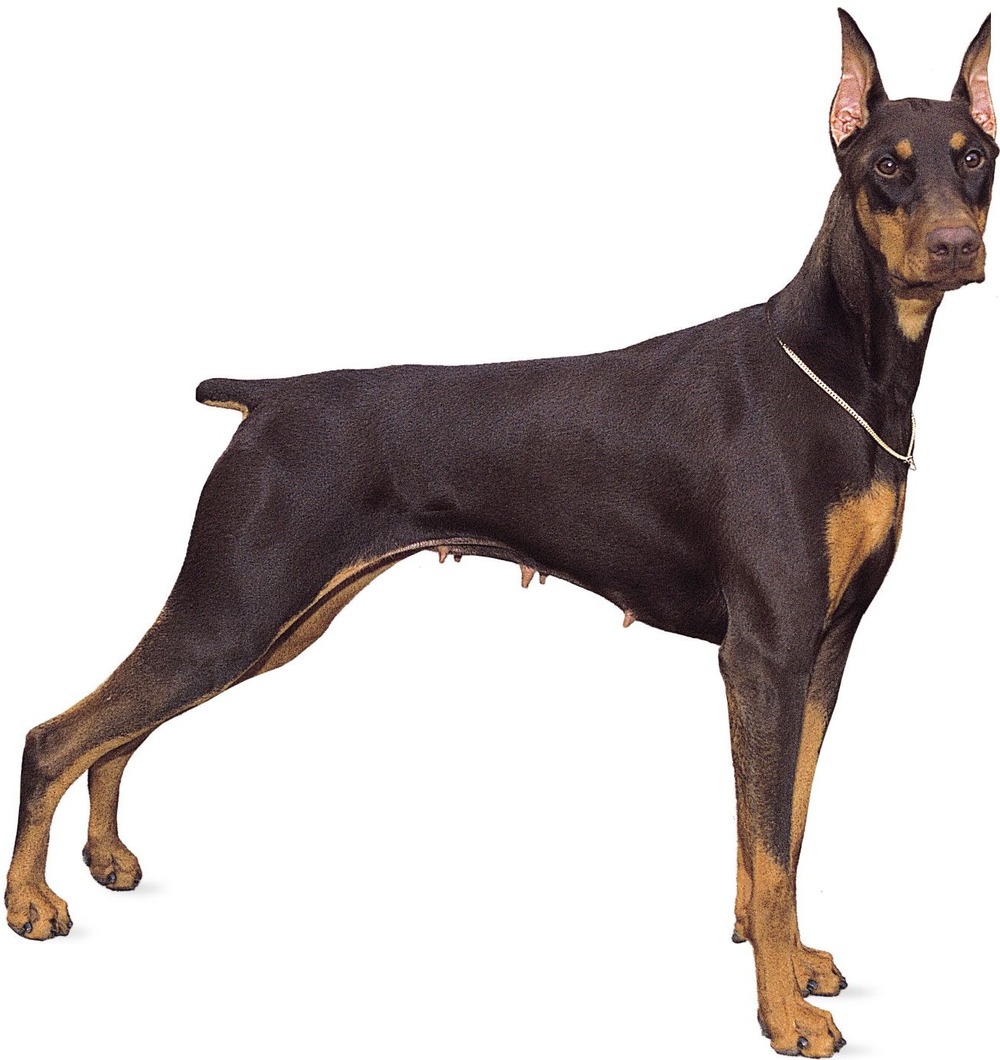
The Doberman is a medium-to-large, squarely built dog with a short, tight coat. Under the FCI standard, adult males are typically 68 to 72 cm at the withers and females 63 to 68 cm. Typical weights sit around 40 to 45 kg for males and 32 to 35 kg for females.1
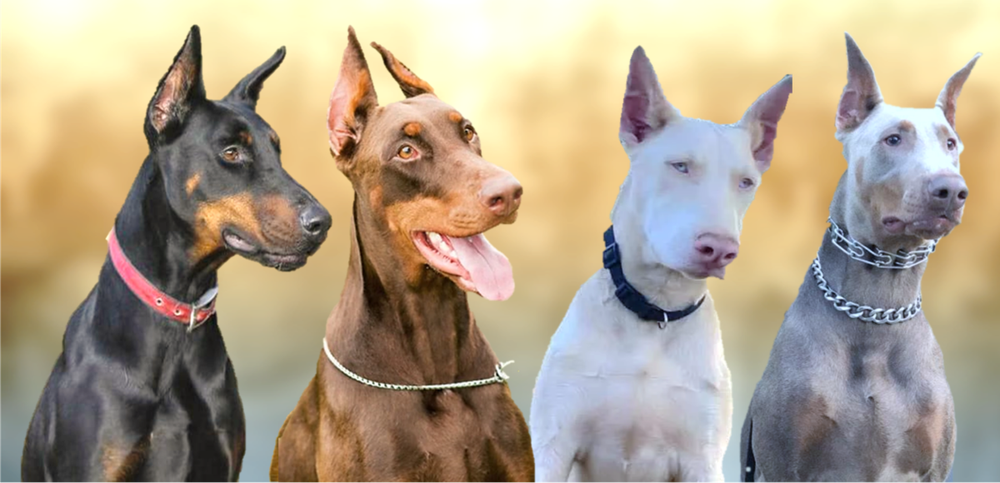
Coat colours commonly include black, brown (often described as red), blue, and fawn, with clearly defined rust markings.1
One point worth mentioning gently is cosmetic surgery. Ear cropping and tail docking are sometimes seen in photos and films, but many veterinary organisations oppose these procedures when done for cosmetic reasons.2 If you are seeing cropped ears and wondering if it is “required”, the answer depends on location and context, not on the dog’s wellbeing or suitability as a companion.
Temperament and behaviour
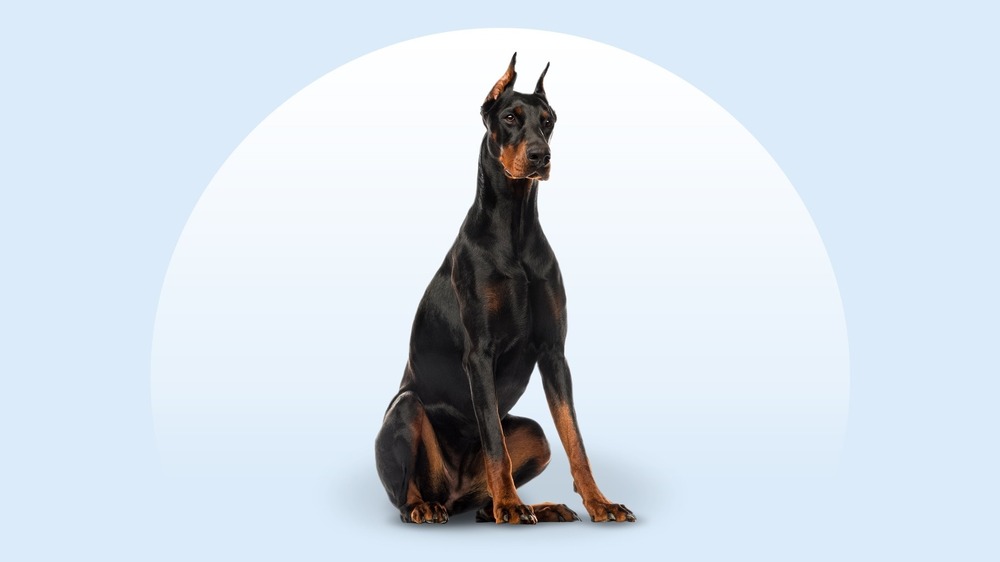
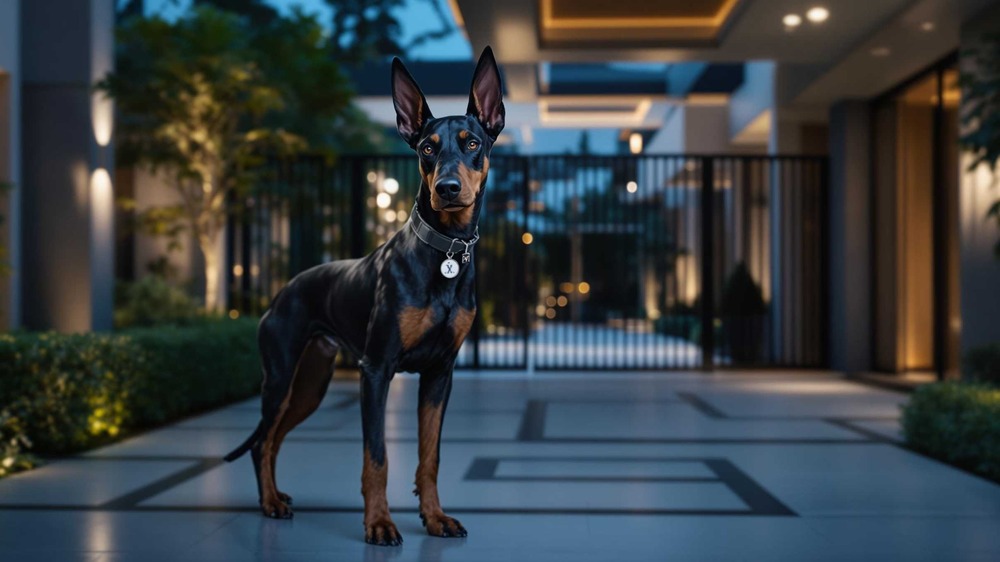
Dobermans are often described as loyal and intelligent, which is broadly accurate, but it helps to translate those words into daily life. Many are highly responsive to people, quick to pattern-match routines, and inclined to stay physically close. That closeness can look like calm companionship, but it can also show up as shadowing, vigilance at the fence line, or difficulty settling when the household is busy.
They tend to do best with thoughtful socialisation and clear training from an early age. Without that, normal adolescent behaviours can become bigger, louder, and harder to manage, simply because the dog is powerful, fast, and persistent.
With children, the aim is not to assume “good with kids” as a fixed trait. It is to set the relationship up well: supervision, teaching children safe handling, and reinforcing calm behaviours in the dog. With other pets, outcomes vary, and early, structured introductions matter.
Training and exercise needs
A Doberman’s brain needs as much attention as its body. It is not just about long walks, although they do need substantial daily movement. It is also about regular training that feels rewarding, because boredom and frustration can quickly turn into barking, destructiveness, or pushy behaviour.
Reward-based training is widely recommended by animal welfare organisations because it is effective and avoids the fallout that can come with punishment-based methods.3 For a breed that notices everything and learns quickly, the tone of training matters as much as the content.
Activities many Dobermans enjoy include:
- Brisk walks plus sniff time, not just marching on lead
- Retrieving games in a safe, enclosed area
- Obedience and rally-style training
- Tracking and scent games that give their mind a job
If you are sharing a home with a young Doberman, it can help to think in “sessions” rather than a single big outing. Two or three shorter blocks of training and play often produce a calmer dog than one long run followed by a day of under-stimulation.
Health and lifespan
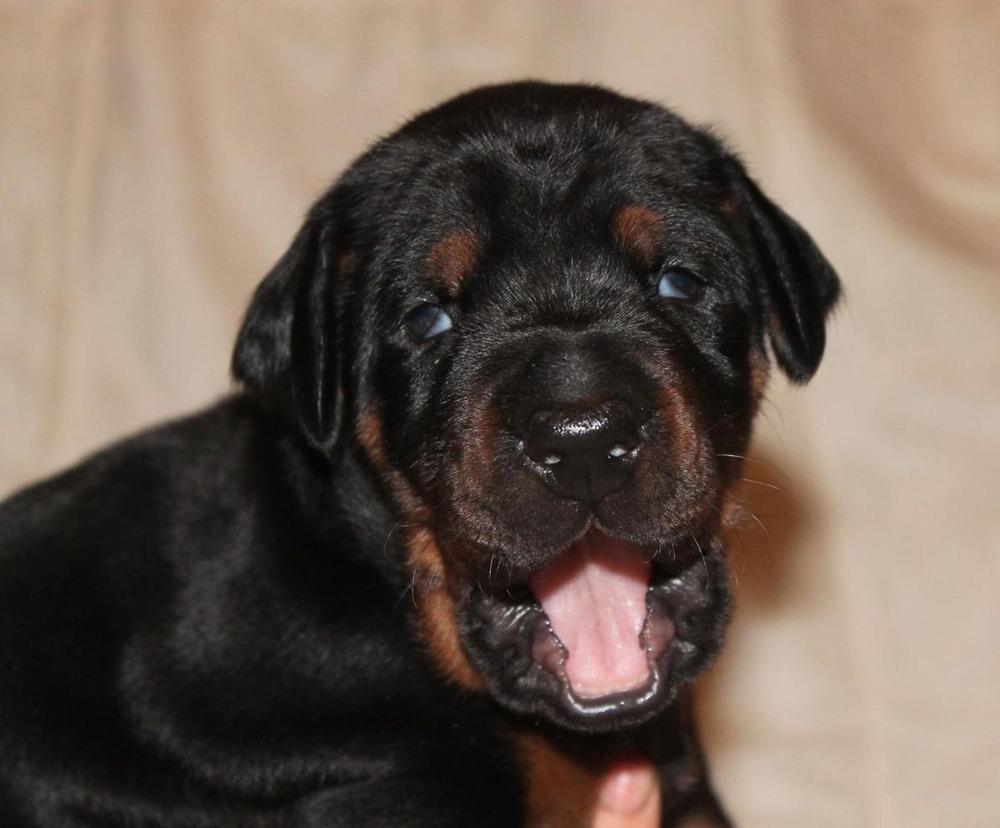
Dobermans commonly live around 10 to 13 years, although individual outcomes vary with genetics, lifestyle, and veterinary care.4
Like many purebred dogs, Dobermans have some breed-associated health risks. A key one is dilated cardiomyopathy (DCM), a heart condition that is seen with increased frequency in this breed. It is one reason many breeders and vets discuss cardiac screening, which may include tests such as echocardiography and Holter monitoring in some contexts.5
Other issues that may come up include orthopaedic problems such as hip dysplasia and inherited bleeding disorders such as von Willebrand disease. The practical takeaway is not to worry in advance, but to plan for preventive vet care and to seek out responsible breeding and screening conversations where possible.
- Routine check-ups, including weight and dental monitoring
- Discuss breed-relevant screening with your vet, especially as your dog ages
- Keep nails short and feet in good condition, particularly for active dogs
- Address persistent coughing, fainting, exercise intolerance, or collapse urgently
Grooming and everyday maintenance
The Doberman coat is short and generally easy to care for. A weekly brush with a soft bristle brush or grooming mitt helps lift loose hair and gives you a chance to check for skin irritation, lumps, or parasites.
They do shed, often in a steady, low-level way that shows up on dark clothing and car upholstery. In warmer months you may notice a bit more coat coming out, and a slightly more frequent brush can keep it manageable.
Because the coat is short, many Dobermans are also more affected by cold weather than double-coated breeds. Practical options include adjusting walk times, using a well-fitted coat when needed, and making sure they have a warm, draught-free sleeping space.
Diet and nutrition
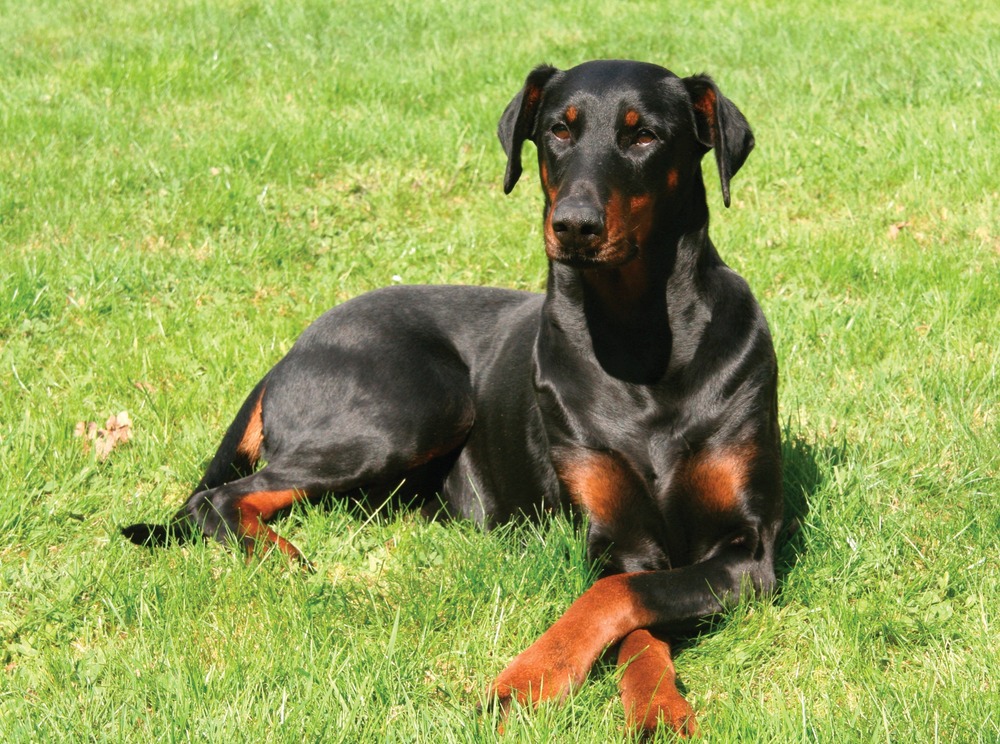
Most Dobermans do well on a complete and balanced commercial diet suited to their life stage and activity level. Because they are athletic and often enthusiastic eaters, it is worth keeping an eye on body condition rather than relying on the size of the dog as your guide.
Dobermans can also be the sort of dog that will counter-surf if the opportunity is there. It is not “being naughty” so much as being opportunistic, and it makes household food safety part of daily management.
Foods and kitchen items commonly flagged as dangerous for dogs include chocolate, grapes and raisins, onions and related alliums, and cooked bones that can splinter.6, 7 If you suspect your dog has eaten something unsafe, contact your vet promptly.
Fun facts (the kind that actually tell you something)
Dobermans are sometimes known for “leaning” onto their people. It is best read as a learned, affiliative behaviour in many individuals, and it often shows up most in dogs that have been reinforced for staying close and calm.
They are also a breed that benefits from being seen doing ordinary things: walking politely on lead, settling on a mat while visitors arrive, and moving through the neighbourhood without scanning for problems to solve. Those are not flashy skills, but they are the ones that make life with a Doberman feel steady.
Final thoughts
A Doberman can be an extraordinary companion for the right home, not because the dog is “naturally perfect”, but because the breed tends to thrive with structure, training, and meaningful activity.
If you are considering one, it helps to picture your average week, not your best week. The right match is a household that can offer consistent exercise and guidance, plus the patience to shape a clever dog into a safe, relaxed member of the community.
References
- FCI Standards (Dobermann), WorldWide Dobermans
- Ear cropping and tail docking, American Animal Hospital Association (AAHA)
- Is it important to train my dog? What sort of training would you recommend?, RSPCA Australia Knowledgebase
- Doberman Pinscher Dog Breed Information, American Kennel Club (AKC)
- Holter monitoring (cardiology services), Cornell University College of Veterinary Medicine
- Human foods to avoid for cats and dogs, Agriculture Victoria
- Household dangers to your pet, RSPCA Australia
- Breed Standards: Doberman Pinscher, United Kennel Club (UKC)
- Dilated cardiomyopathy (DCM) in dogs, VCA Animal Hospitals