

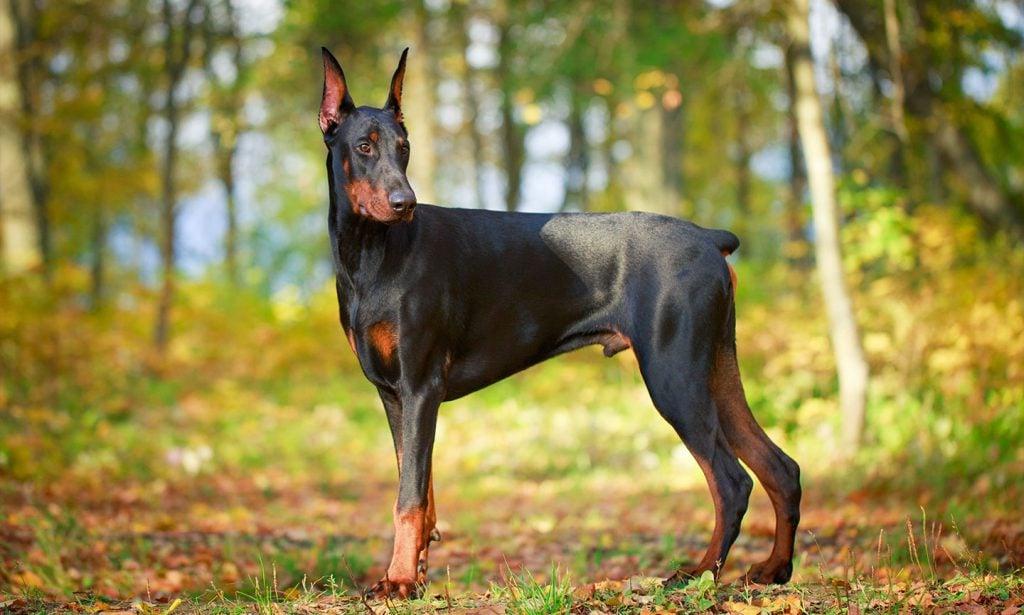
You might notice a Dobermann on a walk and feel two things at once, admiration and uncertainty. They move with a clean, athletic rhythm, and they often watch the world a little more closely than most dogs. Some people assume that means they are “born guard dogs”, others assume a confident looking dog must be “hard” by nature. The truth is usually more practical and more interesting.
Dobermanns are working dogs, and they tend to do best when everyday life gives them clear structure, steady training, and enough meaningful activity. When those pieces are missing, the same intelligence and sensitivity that make them brilliant can show up as restlessness, reactivity, or a dog that struggles to settle. When the pieces are in place, they are often steady companions with an impressive ability to learn and cooperate.
What follows is a grounded look at the breed as it is commonly experienced: where Dobermanns came from, what their bodies and behaviour were shaped to do, and what they typically need from the people who live with them.
Quick breed snapshot
- Group: Working
- Origin: Germany
- Height: Males 68 to 72 cm, females 63 to 68 cm
- Weight: Males about 40 to 45 kg, females about 32 to 35 kg
- Coat: Short and smooth
- Common colours: Black and rust, red and rust, blue and rust, fawn (Isabella) and rust
- Life expectancy: Often around 10 to 13 years (varies with genetics, care, and health screening)
- Best fit: Active homes, experienced handlers, people who enjoy training and routines
History and origin
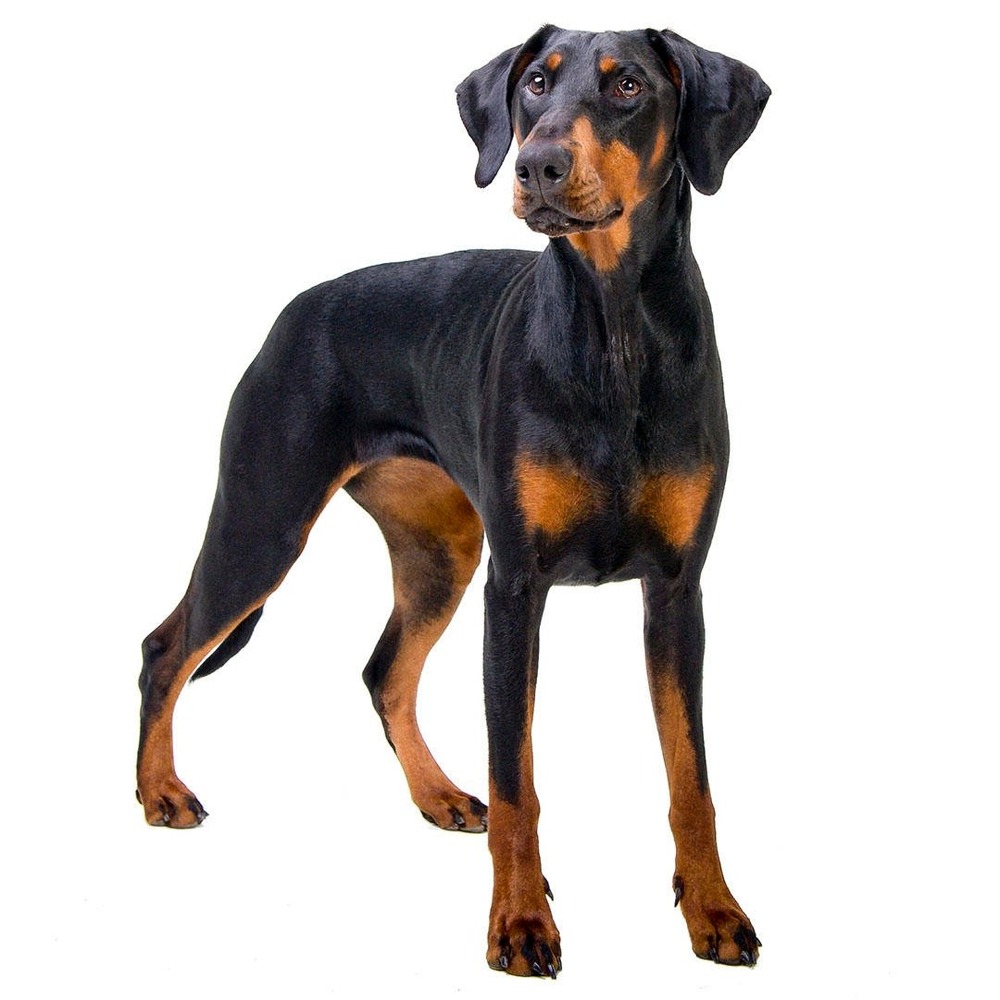
The Dobermann developed in Germany in the late 19th century, with Louis Dobermann often credited as the key figure in establishing the type.1 Accounts vary in the fine detail of which breeds contributed what, and that uncertainty is normal for many working breeds formed through function-first selection rather than tidy record keeping. What is consistent is the intention: to produce a capable, versatile dog suited to protection work and close partnership with a handler.
Over time, breeders refined the Dobermann into the athletic, sharp-minded dog recognised today. In practice, that heritage still shows up in the way many Dobermanns relate to their home and people: they are often observant, fast to learn patterns, and more comfortable when they know what is expected of them.
Working roots, modern lives
Many Dobermanns still thrive when they have a “job”, but that job does not need to be security work. For most households, it can look like regular obedience training, scent games, structured walks, or dog sports. The point is not to keep them busy every minute, it is to give their day clear purpose and rhythm.
Physical characteristics
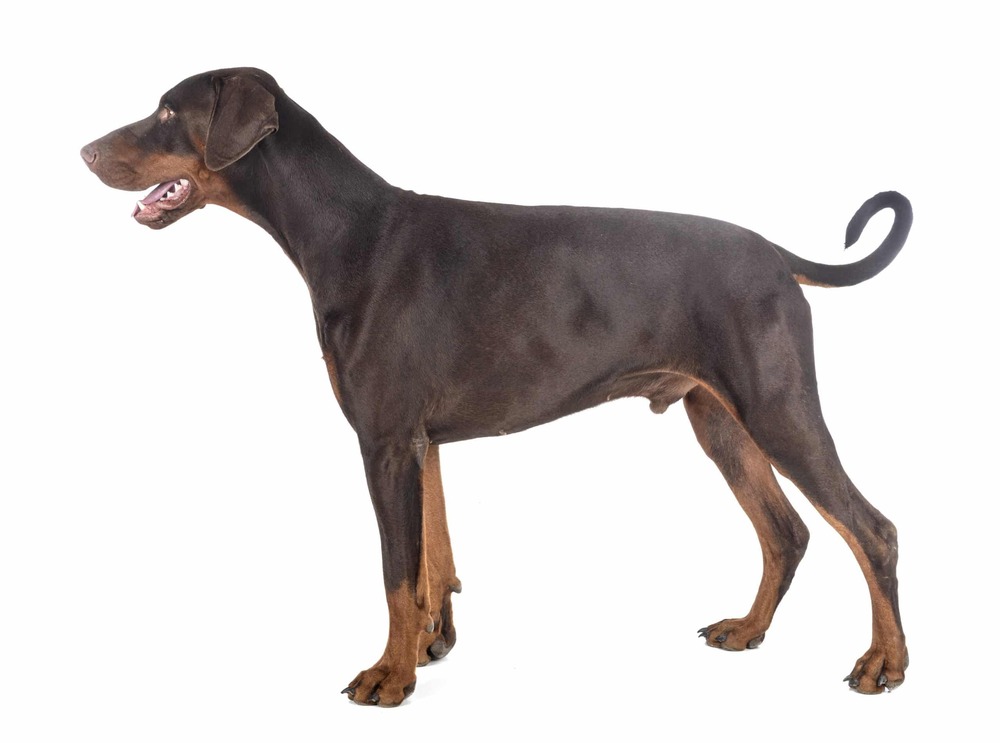
Dobermanns are medium-large, muscular dogs with a short coat and a balanced, efficient way of moving. Breed standards commonly describe a near-square outline in males, with females often a touch longer through the body.1 That structure supports speed, turning ability, and stamina rather than sheer bulk.
Because the coat is short, you tend to see the dog’s condition clearly. A Dobermann carrying too much weight can lose that clean outline quickly, while an under-conditioned dog can look “all legs” without the strength through the back end that supports healthy movement.
Ears, tails, and what “natural” looks like
You will see Dobermanns with natural ears and full tails, and you will also see cropped ears and docked tails in some countries and contexts. In Australia, ear cropping is widely prohibited and tail docking is restricted, so most Dobermanns you meet are natural in outline.6 Internationally, rules differ, and show regulations can also influence what you see in some regions.6, 7
It is worth knowing that ear and tail carriage are part of how dogs communicate. A natural tail and natural ears can make it easier to read a dog’s signals in everyday situations, especially around other dogs.
Temperament and behaviour
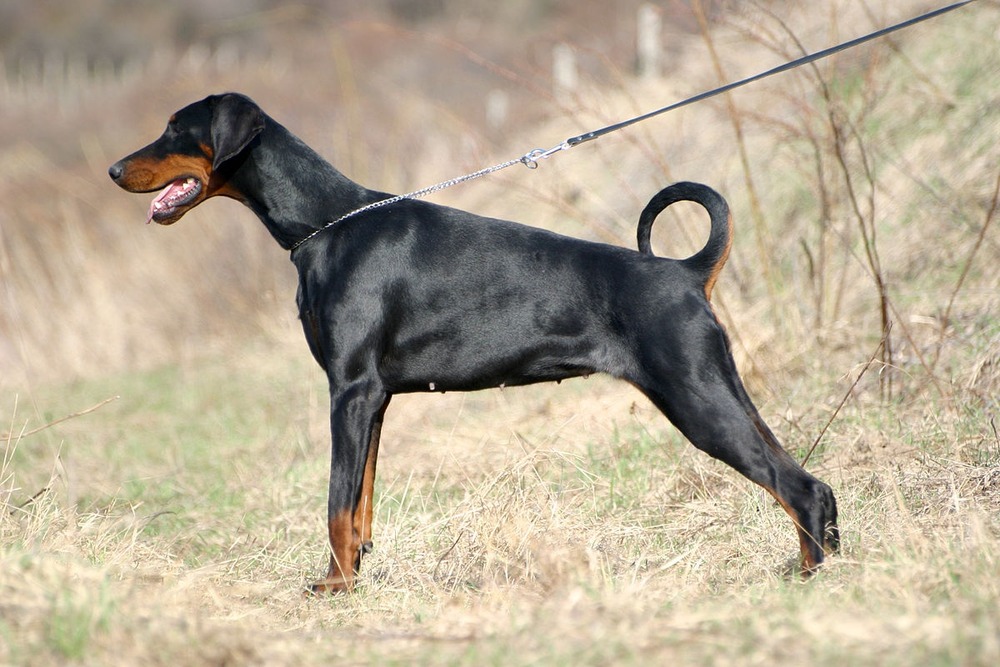
Dobermanns are often described as loyal, alert, and highly trainable, but those words can hide the day-to-day reality. A well-bred, well-raised Dobermann is frequently a dog that watches first, then acts. They can be social and affectionate with their family, and reserved with strangers, without necessarily being aggressive. Temperament is shaped by genetics, early experience, and training, not by reputation alone.2
They also tend to notice patterns quickly. That can be a gift in training, and it can be challenging if the household is chaotic or inconsistent. Inconsistent rules often create a dog that experiments, checks boundaries, and struggles to switch off, not because they are “dominant”, but because the environment is unclear.
Dobermanns with children and other pets
Many Dobermanns live well in family homes, but they are usually not a “set and forget” breed. Their size, speed, and intensity mean supervision and thoughtful management matter, particularly with toddlers, visiting children, or smaller pets. Early, positive socialisation helps, but it is not a magic shield. Keep interactions calm, reward appropriate behaviour, and give the dog a quiet space to retreat when they need a break.
Training and exercise needs
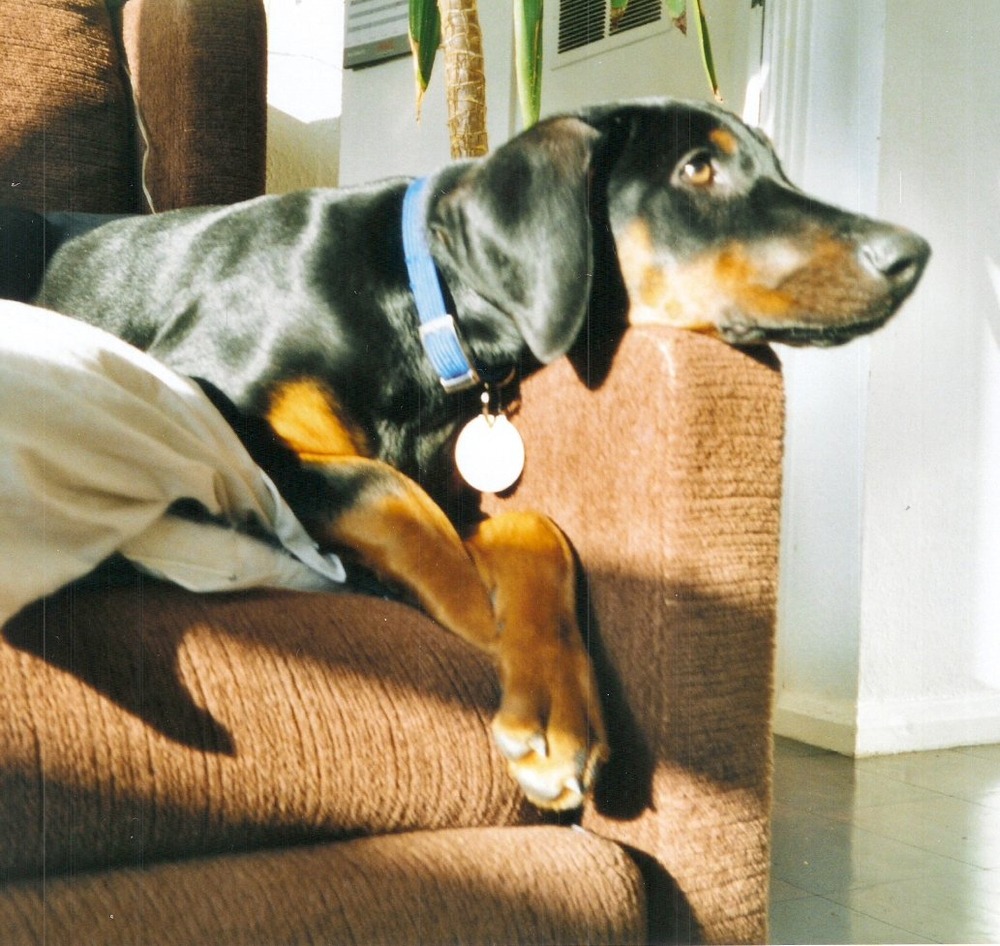
Dobermanns are intelligent and responsive, and they generally do best with training that is calm, consistent, and reward-based. The RSPCA recommends positive reinforcement approaches and advises avoiding aversive tools and punishment-based methods, which can increase stress and worsen behaviour problems in some dogs.3, 4
For many Dobermanns, the aim is not “more control”, it is better communication. Short sessions, repeated often, usually land better than one long drill. If you build reliable skills like recall, loose lead walking, settle on a mat, and polite greetings, you end up with a dog that can participate in ordinary life without friction.
What enough exercise actually means
Most adult Dobermanns need daily physical activity, but they also need their brain engaged. A long run can create a fitter athlete who still cannot relax at home. A better balance often includes:
- One or two structured walks where the dog practises calm skills (sniffing, checking in, passing distractions)
- Short training blocks across the week (obedience, scent work, tricks)
- Play that stays polite and does not tip into frantic arousal
- Planned rest, including time in a quiet room or on a mat
Health and lifespan
Dobermanns can be robust dogs, but the breed is known for several important inherited health risks. Dilated cardiomyopathy (DCM) is one of the most significant concerns, and responsible breeders may screen breeding dogs to reduce risk where possible.5 Hip dysplasia is also seen across many medium and large breeds, and bleeding disorders such as von Willebrand disease are commonly discussed in Dobermanns as well.5
It is also sensible to understand the signs of gastric dilatation-volvulus (GDV), sometimes called bloat. Dobermann Pinschers are recognised among the breeds with higher GDV risk, and it is a true emergency if it occurs.8, 9
Practical preventative care
Good care is not just about “doing everything”, it is about doing the basics consistently and choosing screening that matches the breed’s risks. Discuss these with your veterinarian and breeder:
- Routine heart checks and an appropriate plan for monitoring as your dog ages (especially if there is a family history)
- Keeping your Dobermann lean and strong, with regular, moderate exercise
- Dental care at home, plus professional dental checks when needed
- Parasite prevention suited to your region
- For GDV risk: feeding habits and management that reduce risk factors (for example, avoiding one very large daily meal), plus a discussion of prophylactic gastropexy in higher-risk dogs9
Grooming and maintenance
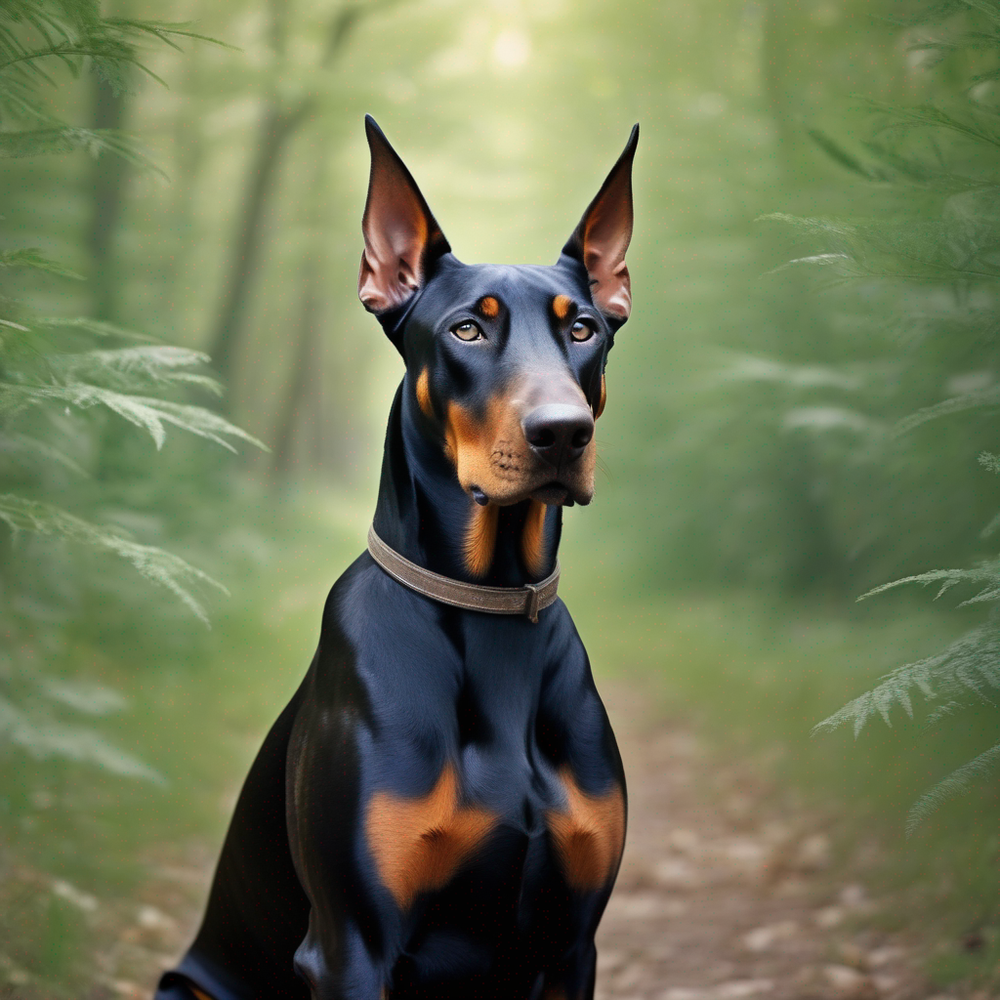
The Dobermann coat is short and usually straightforward to manage, but it still benefits from regular attention. A weekly brush (or a wipe-over with a grooming mitt) helps lift loose hair and lets you check the skin for dryness, lumps, or irritation. Many owners find that light, consistent grooming also helps the dog feel comfortable with handling, which matters for vet visits and nail trims.
Because Dobermanns can be sensitive to cold, especially in winter or in windy, wet weather, some dogs are more comfortable with a coat outdoors and a warm sleeping area indoors. This is less about pampering and more about recognising their short coat and lower insulation compared with double-coated breeds.
Diet and nutrition
A Dobermann’s build can make it tempting to feed “for muscle”, but the more useful goal is steady condition and digestive comfort. Choose a complete and balanced diet appropriate for your dog’s life stage, then adjust portions based on body condition, not the label on the bag.
If your dog eats rapidly, it is worth slowing meals down. While diet alone does not cause GDV, rapid eating and certain feeding patterns are discussed among the risk factors, so practical steps like slow feeders, smaller meals, and calm mealtimes are sensible to discuss with your vet.8, 9
Living with a Dobermann day to day
The Dobermann tends to thrive when home life is predictable. That does not mean strict, it means clear. Many Dobermanns do best when they have boundaries they can understand, and plenty of chances to succeed, especially in adolescence when the brain is busy and the body is powerful.
If you are choosing a puppy, look for breeders who prioritise health screening, stable temperaments, and early handling. If you are adopting an adult Dobermann, give them time. In many cases, what looks like “stubbornness” at first is simply a dog adjusting to a new pattern of rules, sounds, and expectations.
Final thoughts
Dobermanns are often at their best when they are treated as thoughtful working partners rather than as status symbols or security systems. If you enjoy training, you like an active routine, and you can offer calm structure, a Dobermann can be a remarkable companion. The reward is not just a dog who looks impressive, but a dog who learns deeply and lives closely with their people.
References
- Dobermann (overview, history, size, and breed context)
- Burke's Backyard: Dobermann (temperament and general breed notes)
- RSPCA Knowledgebase: Training recommendations and avoiding aversive methods
- RSPCA Knowledgebase: Reward-based training and positive reinforcement
- American Kennel Club: Doberman Pinscher (health issues and breed characteristics)
- FCI: Cropped and docked dogs reminder (show rules and breed standard context)
- United Kennel Club: Doberman Pinscher breed standard (natural ears and full tail not penalised)
- Cornell University College of Veterinary Medicine: GDV (bloat) risk factors and breeds
- Merck Veterinary Manual: Gastric dilation and volvulus (clinical signs and prevention considerations)