

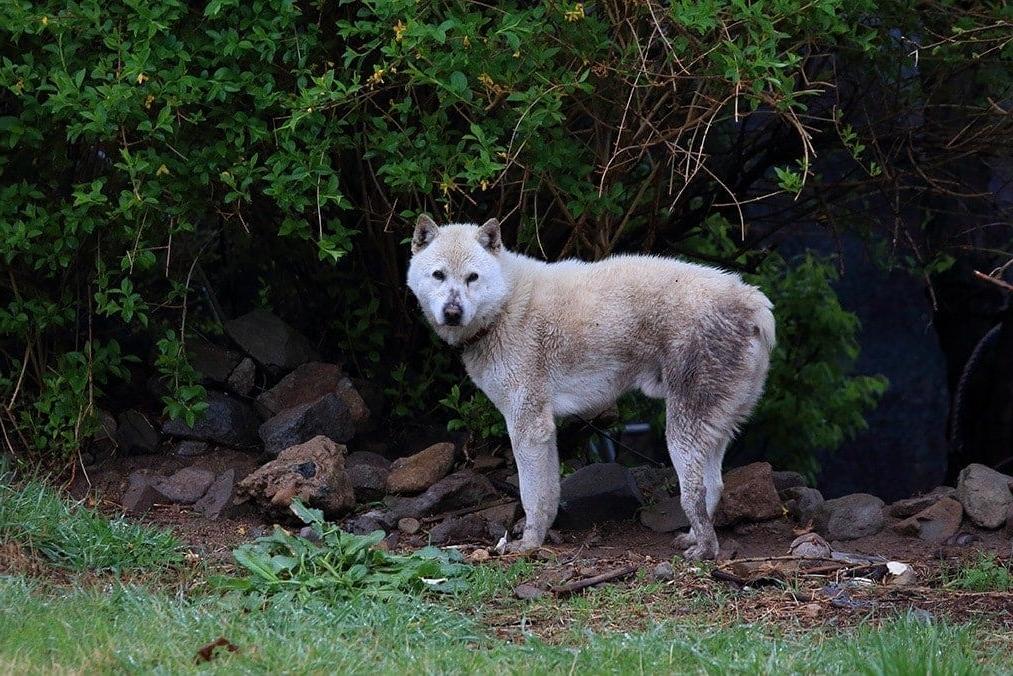
You usually hear about the Donggyeongi because of one small detail: the tail. Someone spots a dog with a naturally short tail and assumes it has been docked, or they see photos from Korea and wonder if it is a spitz breed, a village dog, or something else entirely. It is a fair question, because most of what circulates online about this breed is brief, romantic, or a bit muddled.
In practice, living with a rare heritage breed is less about the headline traits and more about the everyday realities: how the dog copes with visitors, what sort of exercise actually settles them, whether they are comfortable in a smaller home, and how hard it is to find reliable guidance when few local vets or trainers have met one in person.
The Donggyeongi sits at that interesting intersection of history and household life. It is a Korean breed strongly associated with Gyeongju, known for its naturally bobbed tail, and kept today through active preservation efforts.1 If you are considering the breed, or simply trying to understand what makes it distinct, it helps to look beyond the tail and into the choices that shape a calm, stable companion.
- Breed category: Working dog
- Country of origin: South Korea (Gyeongju region)
- Typical size: Medium
- Life expectancy: Often around 12 to 15 years (varies with care and lines)
- Coat: Short, dense coat with moderate shedding
- Known for: Naturally bobbed tail in many dogs within the breed
History and origin in Korea
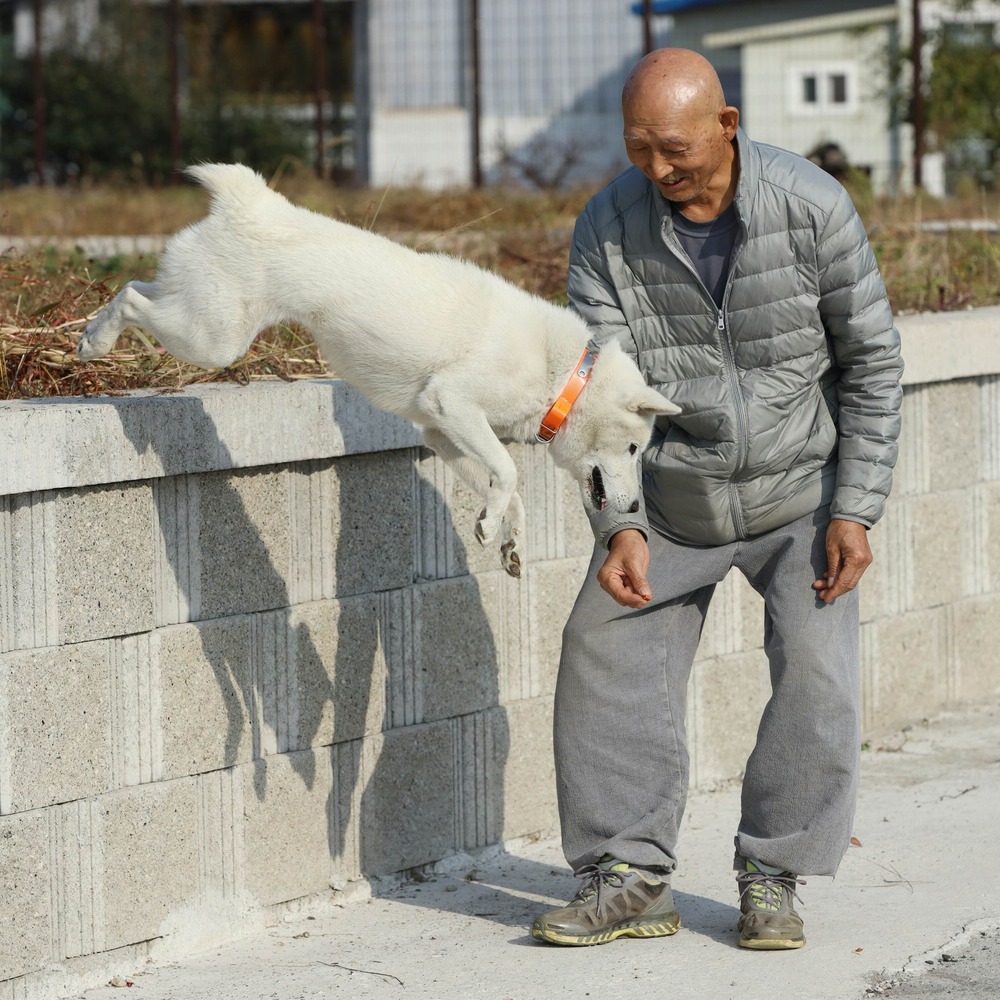
Donggyeongi (also known as Donggyeong gae) is closely linked with Gyeongju, a city with deep historical significance as the ancient capital of the Silla Kingdom. That setting matters, because the breed is not only a companion animal story, it is also part of a wider cultural landscape that Korea actively protects and interprets as heritage.1, 2
Modern interest in the Donggyeongi is shaped by conservation. The breed has been described as endangered, and it has received formal protection as a designated natural heritage in South Korea, which has supported breed preservation and public awareness.1 This is one reason you may see the Donggyeongi discussed in the same breath as other culturally important Korean symbols, rather than only as a “pet breed” in the Western sense.
It is also worth keeping a gentle scepticism about sweeping claims like “royal dog” or “good luck dog”. Folklore and regional pride often gather around long-standing local breeds, and those stories can be meaningful without being precise history. When you are trying to make sense of the breed today, what matters most is that it has a documented regional identity and a clear, recognisable type that people are actively working to maintain.1
Physical characteristics, including the bobbed tail
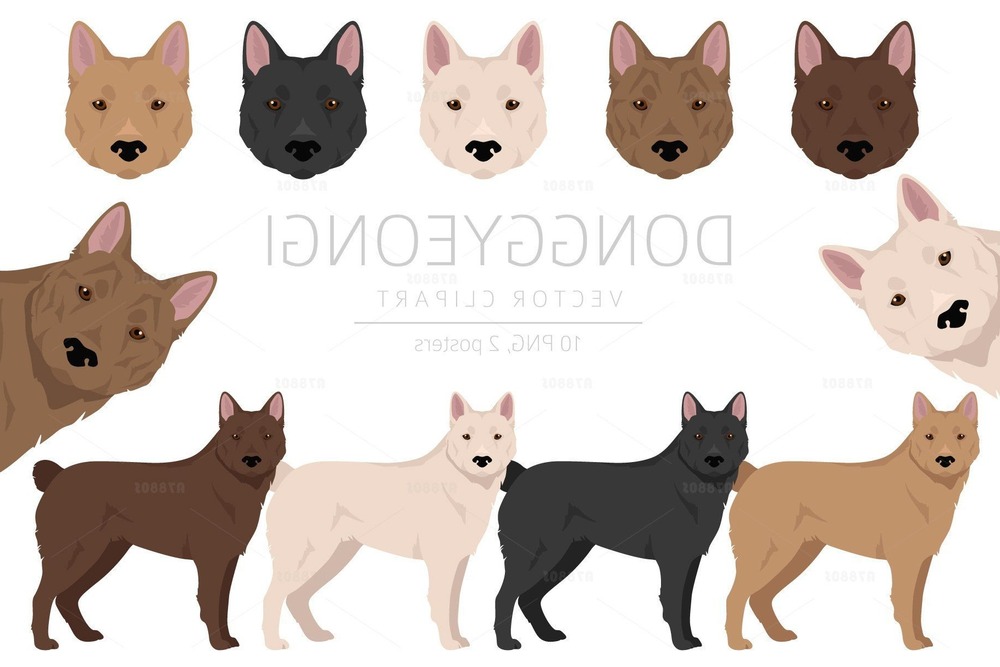
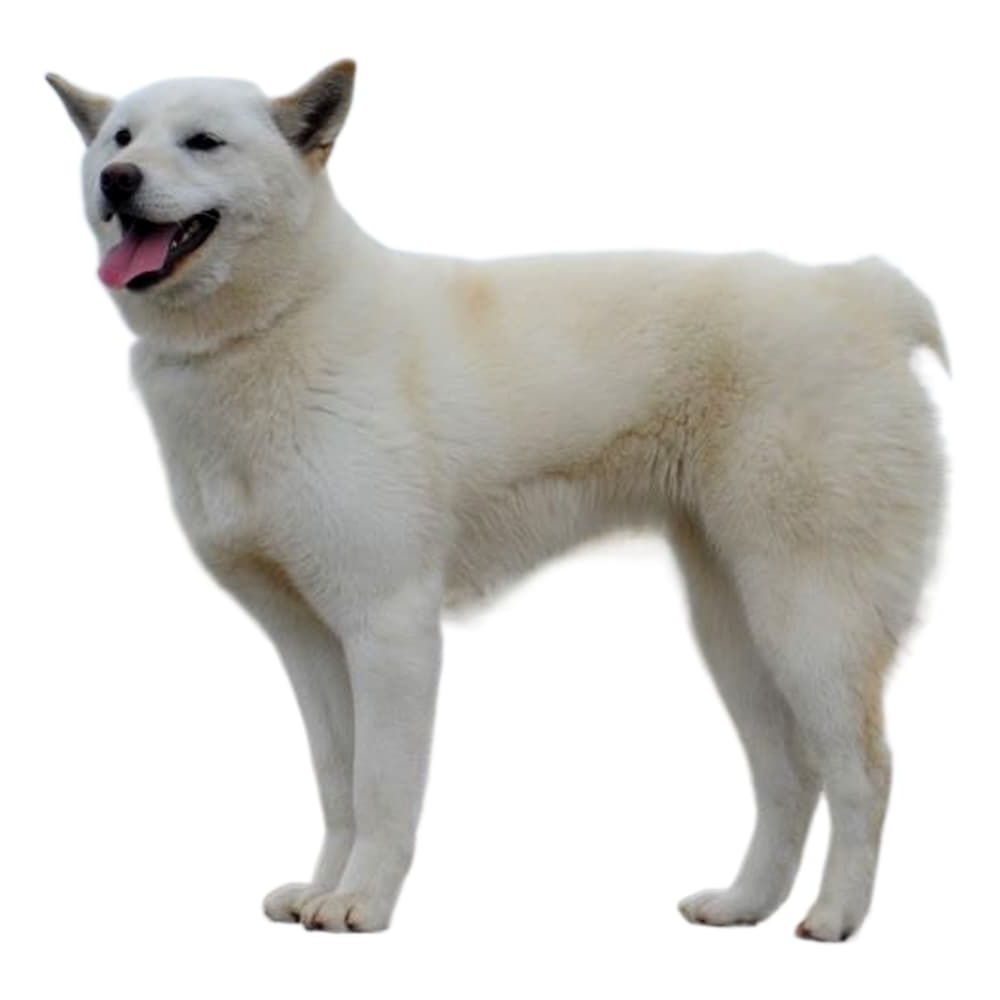
The Donggyeongi is generally medium-sized with a compact, athletic outline. Coats are usually short and dense, which tends to mean the day-to-day grooming load is modest, but shedding still shows up on dark clothes and on the sofa, particularly with seasonal coat changes.
The best-known trait is the tail. Many Donggyeongi have a naturally shortened tail, and the length can vary from very short to something closer to a partial tail. While tail docking is a familiar practice in some countries and breeds, the Donggyeongi is primarily recognised for a natural bobtail, not a surgically altered one.1
There is a broader scientific context here that helps keep the conversation grounded. In dogs generally, one well-studied cause of natural bobtail involves a mutation in the T-box transcription factor T gene, and it can act in a dominant manner. Research also suggests that the homozygous form of this specific mutation is likely lethal, which is one reason ethical breeding decisions matter in naturally bobtailed populations.3, 4 Not all bobtailed breeds carry the same mutation, so tail length in any given dog can be more complex than it first appears.3
Temperament and behaviour in everyday life
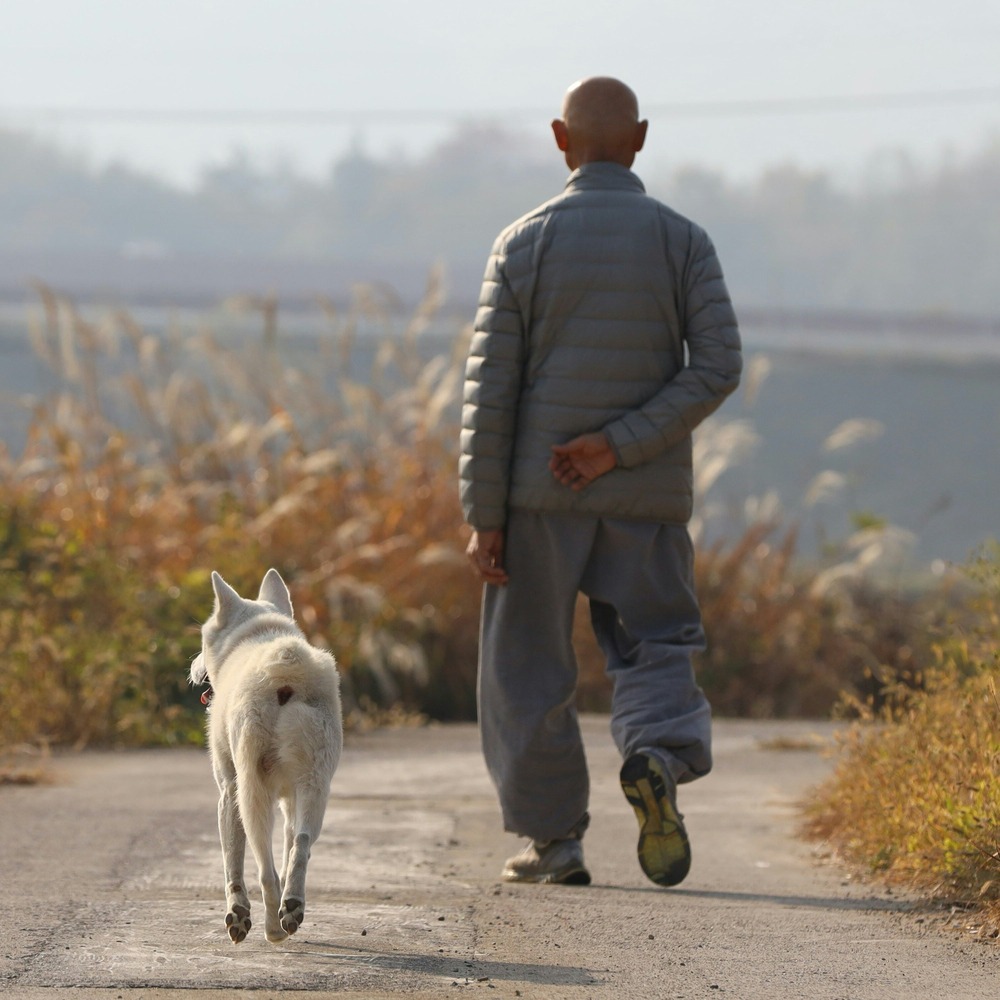
Descriptions of the Donggyeongi often include words like loyal, alert, and intelligent.1 Those labels are useful as a starting point, but they do not tell you how the dog will behave on a wet Tuesday when the routine changes, or when a visitor leans in too quickly over the dog’s head.
In many working or guardian-leaning breeds, “loyal” can look like strong attachment to familiar people, and “alert” can look like careful watching, quick responses to movement, and sometimes vocalising if the dog thinks something is off. With thoughtful socialisation, these traits can support a stable household dog. Without it, the same traits can drift into over-responsibility, where the dog feels it must manage the front gate, the hallway, or every sound in the building.
If you have children, the practical goal is not to find a dog that “loves kids” as a concept. It is to support safe, predictable interactions and give the dog space to disengage. Supervision, kid-friendly handling, and teaching children to notice early signs of discomfort tends to matter more than any one-line temperament claim.
Training and exercise that suits the breed
Most households do best when they treat training as part of normal communication, not a separate hobby. With intelligent, watchful breeds, clear routines and calm boundaries often go further than high-energy “drill” sessions. Reward-based methods are widely recommended by animal welfare organisations because they reduce reliance on fear and pain, and they support learning without eroding trust.5
For exercise, aim for a blend of physical movement and mental work. A daily walk is a good baseline, but many dogs also benefit from short bursts of sniffing, problem-solving, and structured play. What you are looking for is a dog that comes home and settles, not a dog that can simply run longer.
If you live in an apartment, it is worth thinking beyond the square metres. Noise sensitivity, access to quiet walking routes, lift etiquette, and how you manage visitors can all matter more than whether the dog is technically “medium-sized”. A dog with good outlets and consistent expectations can cope well in smaller spaces, while a dog with uncertain routines can feel on edge even in a large yard.
Health, screening, and lifespan
No single online list can tell you what health issues will show up in a particular line, especially in a rare breed where populations may be small. That said, medium-sized working dogs are commonly associated with orthopaedic issues such as hip dysplasia, and it is sensible to discuss screening with a veterinarian if you are considering a puppy or an imported dog.
When you are assessing breeders or rescue pathways, practical questions help:
- Are the parents health-screened in a way that is relevant to their size and structure (for example, hips, elbows, and eyes, where appropriate)?
- Is the dog’s body condition kept lean, with steady muscle rather than “soft weight”?
- Is there a clear plan for parasite prevention, vaccination, and ongoing vet care?
For lifespan, figures of roughly 12 to 15 years are often quoted, but the more useful approach is to plan for longevity through steady exercise, dental care, and weight management. Keeping a dog lean is one of the simplest, most realistic ways to reduce joint strain over time.
Grooming and maintenance
A short coat can still shed a surprising amount. Weekly brushing is usually enough for basic coat care, with more frequent brushing during seasonal coat shifts. Grooming is also your regular chance to notice changes early, including new lumps, sore patches, ear irritation, or a shift in how the dog moves.
Try to keep grooming low-key and predictable. A dog that learns early that brushing and nail care are normal tends to cope better long-term, especially as they age and become less tolerant of being handled. If you are unsure about nails, ears, or skin, ask your vet or groomer to show you what “normal” looks like for that individual dog.
Diet and nutrition, including common hazards
Most Donggyeongi will do well on a complete and balanced commercial diet suited to their life stage, with portions adjusted to keep them lean and active. If you add extras, think of them as part of the day’s total intake, not “free calories”. This matters, because small daily additions add up quietly over months.
It also helps to keep a short, firm list of foods that are simply not worth the risk. The RSPCA notes that chocolate is toxic to dogs due to theobromine, and the risk depends on the type of chocolate, the amount eaten, and the dog’s size.6 Grapes and raisins are also recognised as dangerous, with the reaction varying between dogs and the stakes potentially high.7, 8 Onions, garlic, and related allium vegetables can cause illness too, including effects on red blood cells, so they are best kept off the menu entirely.8
If your dog eats something questionable, the most useful “first aid” is information. Note what was eaten, roughly how much, when it happened, and your dog’s weight, then call your vet for advice. Early guidance can make a big difference to outcomes.
Rarity, ethics, and what to consider before seeking one out
Because the Donggyeongi is rare and closely tied to preservation efforts, availability can be limited and information can be inconsistent. That does not automatically mean it is a poor choice for a household, but it does mean you may need to work harder to find responsible pathways.
If you are looking for a Donggyeongi outside Korea, take your time. Ask for health documentation, temperament descriptions based on real behaviour (not just adjectives), and clarity about how dogs are raised and socialised. A careful breeder or rescue contact should welcome these questions, because they are the questions that protect dogs as much as they protect owners.
It is also reasonable to pause and ask whether your interest is in the specific breed or in the type of dog it represents. Many people are drawn to the Donggyeongi’s look and heritage, then find their best match is a more readily available, medium-sized companion with similar exercise needs and temperament. There is no loss of meaning in making the choice that leads to a stable home and a settled dog.
Final thoughts
The Donggyeongi is easy to remember for its tail, but the tail is only the entry point. The deeper story is a regional Korean breed with heritage value and active protection, plus the ordinary, daily work of raising any intelligent dog well.1
If you ever do meet one, pay attention to the unglamorous details: how it recovers after excitement, whether it can settle in the home, and how it reads strangers. Those small behaviours tell you far more than a photo ever can.
References
- Wikipedia: Donggyeongi
- UNESCO World Heritage Centre: Gyeongju Historic Areas
- PubMed: Ancestral T-box mutation is present in many, but not all, short-tailed dog breeds
- UC Davis Veterinary Genetics Laboratory: Natural Bobtail
- RSPCA Knowledgebase: What are the most effective training methods for dogs?
- RSPCA Knowledgebase: Why is chocolate toxic to dogs and other animals?
- ASPCA Poison Control: People foods to avoid feeding your pets
- Pet Circle: Can dogs eat grapes, sultanas or raisins?