

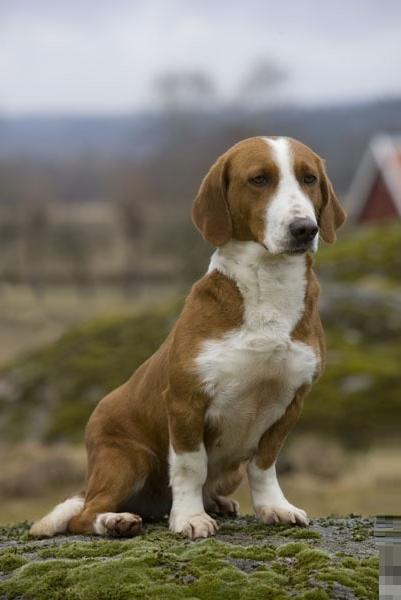
- Breed category: Hound (scent hound)
- Country of origin: Sweden
- Typical height: 30 to 38 cm at the withers
- Typical weight: around 14 to 16 kg
- Typical lifespan: often 12 to 14 years (varies by individual)
- Grooming: low, occasional brushing
- Exercise needs: moderate, daily walks plus sniffing time
- Coat type: short, dense, harsh, close lying
- Colours: many colours with white markings
- Shedding: moderate
- Temperament: keen, even-tempered, friendly with familiar people
- Best suited to: people who enjoy outdoor time, scent games, and calm, consistent training
You might come across the Drever because you have met a dog that looks a bit like a stretched, sturdy beagle, short legs, long body, a hound’s ears, and an astonishing commitment to following a smell. Sometimes people assume that a dog built like that must be “low energy” or suited to an easy lap-dog life. In practice, it is often the opposite: a Drever can be calm at home, but their day makes more sense when it includes time to explore the world nose-first.
The other common surprise is how balanced many Drevers are in everyday life. They were developed for hunting, and that history shows up as persistence, a strong interest in scent, and a tendency to make their own decisions outdoors. Yet a well-managed Drever can also fit into family routines, including suburban homes, as long as their need for steady exercise and enrichment is taken seriously.
Understanding the breed helps you decide what to encourage, what to manage, and what to simply accept as “hound behaviour”. It also makes it easier to avoid the two big preventable problems that crop up in many shorter-legged breeds: weight gain and avoidable strain from poor handling or conditioning.
Where the Drever came from, and what it was built to do

The Drever is a Swedish scenthound developed in the early 1900s, with ancestry that includes the Westphalian Dachsbracke. In Sweden, hunters wanted a dog that could work methodically through dense cover and challenging ground, keeping game moving at a manageable pace rather than racing it out of the area.1, 2
The name “Drever” was chosen in 1947, and the breed was recognised as a Swedish breed in the mid-20th century. Internationally, the Drever is recognised by the FCI (Fédération Cynologique Internationale) as a small-sized scent hound in Group 6.2, 3
That working background matters for day-to-day life. A Drever is typically at their best when walks are not just about distance or pace, but about time on the ground, sniffing, tracking, and gradually learning recall and leash skills in realistic environments.
What Drevers tend to look like in real life
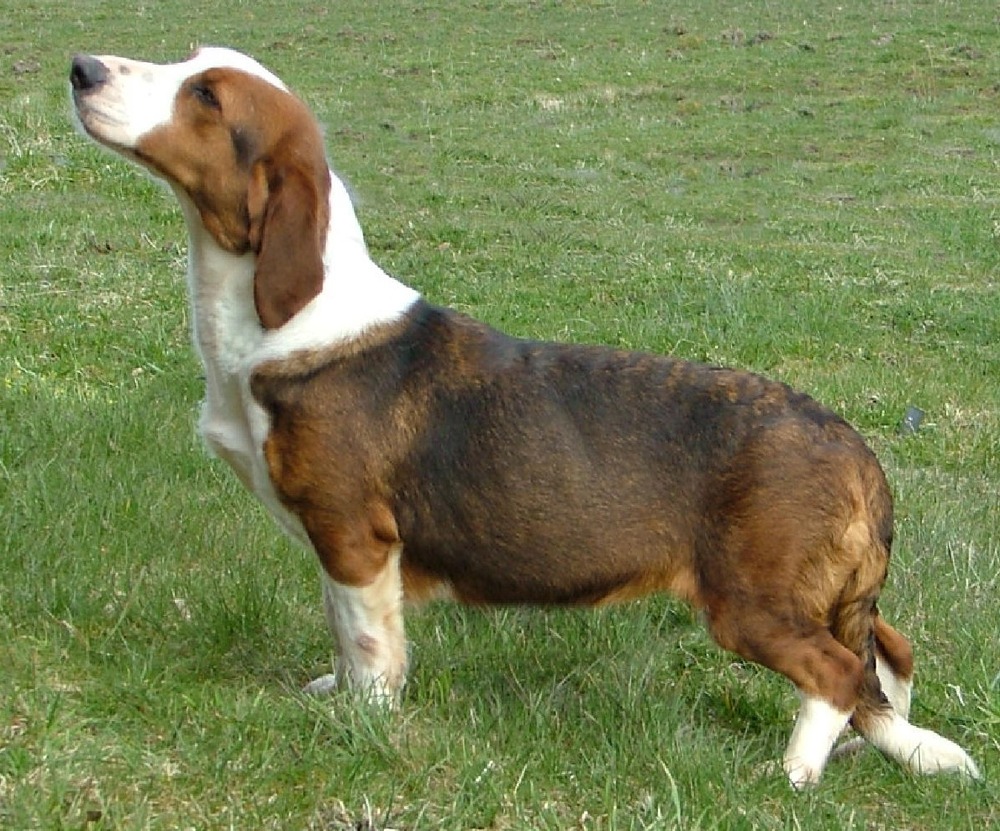
Drevers are compact, robust dogs with a rectangular outline, relatively short legs, and a long body. Their coat is short and close, and many colours are accepted with white markings. Their ears hang close to the cheeks, which is classic hound design rather than a fashion feature.4
It is worth holding two ideas at once. First, their structure is part of what makes them effective in the field. Second, long-backed, short-legged dogs can be more vulnerable to injury if they carry extra weight, launch off furniture repeatedly, or do high-impact activities without conditioning. Fitness and handling make a noticeable difference over the dog’s lifetime.
Temperament, family life, and the “hound factor”
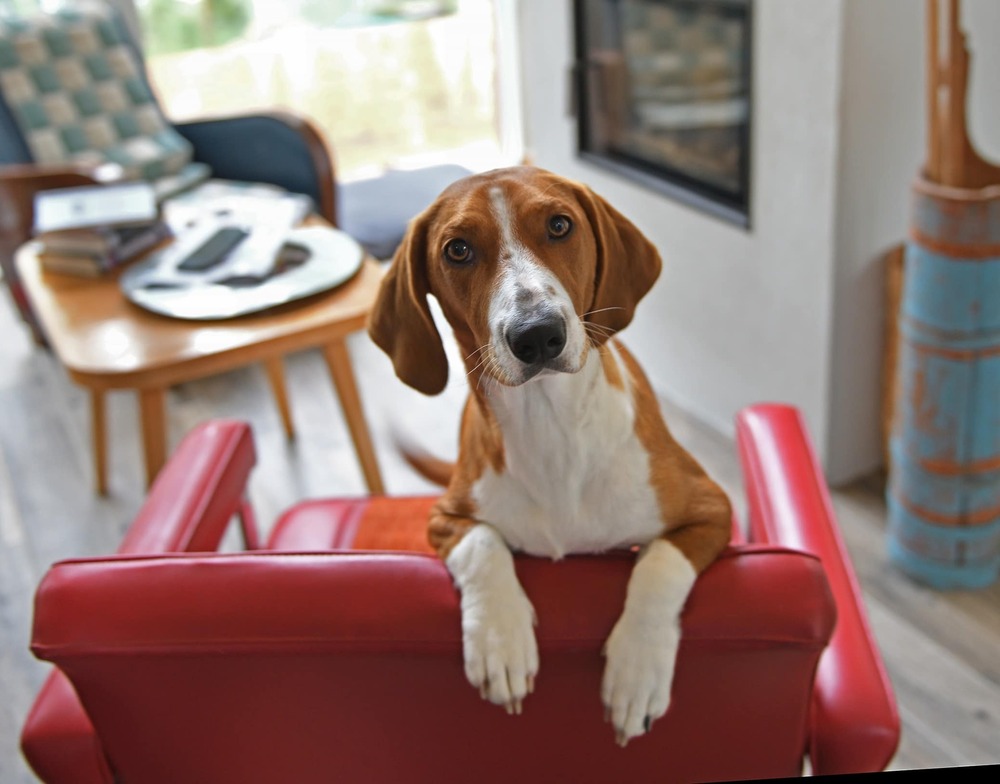
A well-bred, well-socialised Drever is often described as keen and even-tempered. Many are sociable with familiar people and enjoy being included in household routines, but they are not usually the type to do everything “just because you asked”. That independence is not stubbornness for its own sake. It is part of how scent hounds work, they make decisions while following information you cannot see.4
With children and other pets, outcomes tend to reflect management rather than labels. Calm introductions, predictable rules, and enough downtime usually matter more than the breed stereotype. If you have cats or small pets, remember that a Drever’s interest in scent and movement can be strong outdoors. It is wise to plan for supervision and training early, rather than waiting for a problem.
Vocalising can also be part of the package. Many scent hounds use their voice while working, and some Drevers will “comment” on the world more than a typical companion breed. If you live close to neighbours, focus on meeting needs first (exercise, enrichment, predictable rest), then work on quiet behaviours as a separate training skill.
Training that respects the nose
Drevers are often easiest to train when you stop trying to train the nose out of them. Instead, build a routine where sniffing is allowed on cue, then gradually teach skills for the moments you truly need control. This approach reduces frustration for both dog and handler, and it tends to produce more reliable behaviour over time.
Practical starting points:
- Short, frequent sessions that end while the dog is still engaged.
- Food rewards that match the difficulty level, especially outdoors.
- Recall training that begins on long lines, in low-distraction areas, before you ask for it around wildlife scents.
- Scent-based enrichment (scatter feeding, simple tracks in the garden) so the dog’s strongest drive has a safe outlet.
Positive reinforcement is widely supported as an effective, welfare-friendly approach, and it suits independent breeds particularly well because it builds cooperation rather than relying on pressure.5
Exercise and enrichment that actually works

Drevers are usually described as having moderate exercise needs. The detail is that they often need a blend of movement and mental work. A brisk walk can help, but a “sniff walk” where the dog can investigate and decompress is often what leaves them settled afterwards.
If you are building a weekly routine, aim for a mix of:
- daily walks with planned sniff time
- low-impact play (tug, find-it games)
- structured training that feels like a puzzle, not a lecture
- rest days that still include enrichment, especially if weather limits outings
High-impact repetitive activity (for example, constant jumping down from heights) is rarely helpful for long-backed dogs. You do not need to wrap a Drever in cotton wool, but thoughtful choices add up to better long-term soundness.
Health considerations: what to watch, and what you can prevent
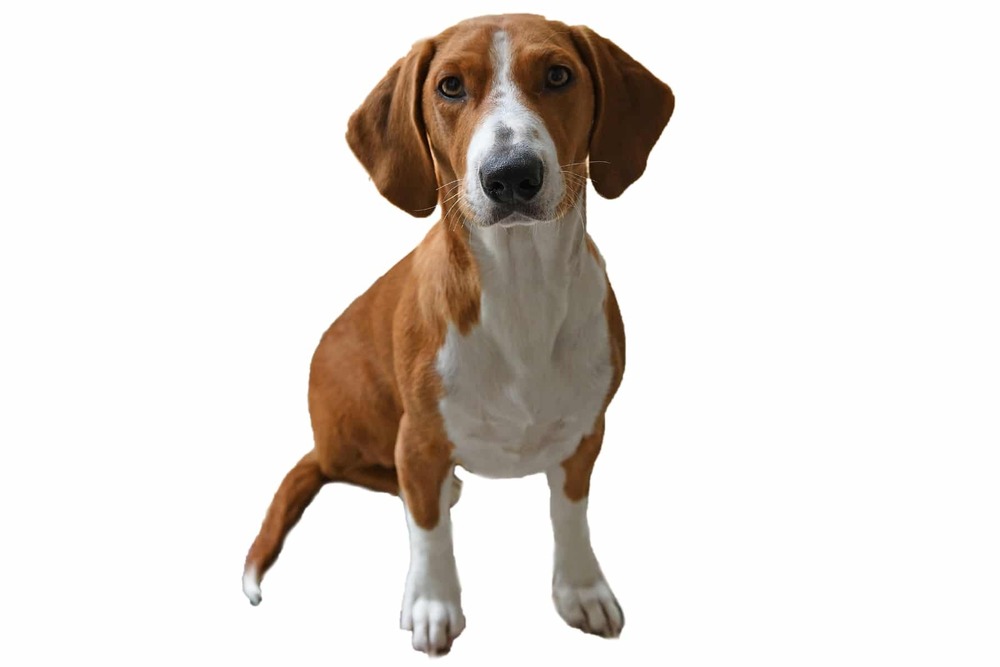
No breed is completely free of health risks. With Drevers, day-to-day health often comes down to prevention rather than drama: maintaining a lean body condition, building steady fitness, and paying attention to ears, skin, and mobility as the dog ages.
Two practical themes matter for many owners:
- Weight management: extra kilos can increase strain on joints and backs, and it can quietly reduce a dog’s willingness to exercise. If you are unsure, ask your vet to score body condition and help you set a realistic feeding plan.6
- Ear care: floppy ears can reduce airflow, which can contribute to ear problems in some dogs. Regular checks help you spot early changes such as redness, odour, head shaking, or sensitivity before they become a full infection.7
If your dog has itchiness, recurrent ear issues, or ongoing digestive upset, it is also worth discussing allergies and diet with your vet rather than repeatedly treating flare-ups without a plan. The goal is not perfect health, but a pattern where problems are noticed early and handled thoughtfully.
Grooming, shedding, and simple maintenance
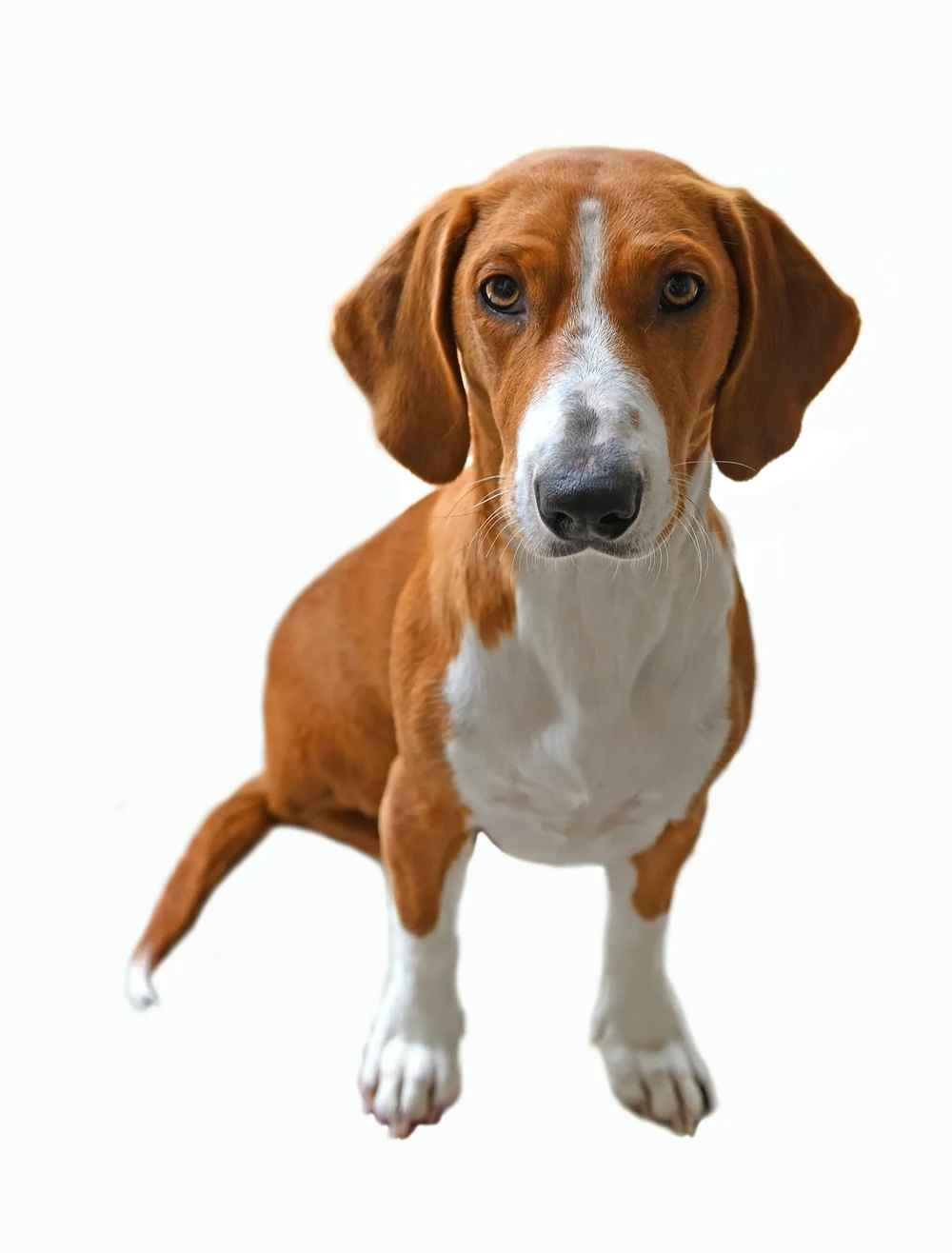
A Drever’s coat is generally low maintenance. Occasional brushing helps remove loose hair and dirt, and it is also a good time to check for grass seeds, ticks, or skin irritation after outdoor walks. Many owners notice seasonal shedding spikes, and a bit more brushing during those periods can make the house feel more manageable.
Keep the basics steady:
- nail trims so the dog can move comfortably
- teeth brushing when possible, as dental disease is common across dog breeds
- ear checks and cleaning only when needed, using vet-recommended products
For ear cleaning, avoid putting cotton buds into the ear canal. If you are seeing frequent wax build-up, strong odour, or discomfort, it is safer to have your vet examine the ears before you assume it is a simple cleaning issue.7, 8
Choosing a Drever thoughtfully
Drevers can suit people who enjoy quiet consistency, outdoor time, and training that feels collaborative. They are less suited to households that want an instantly obedient dog or a pet that is content with a quick lap around the block.
If you are looking for a Drever outside Scandinavia, take your time. Ask about health testing, temperament, and what the breeder is selecting for (working ability, show type, companionship). It can also help to connect with recognised clubs and registries so you understand how the breed is managed and recorded in your region.9, 10
The best match is usually the one where the dog’s natural strengths are welcomed. With a Drever, that often means making space for the nose, keeping the body lean and capable, and enjoying a dog that takes the world seriously, one scent trail at a time.
References
- Svenska Kennelklubben (SKK): Drever (breed information)
- Wikipedia: Drever (overview and history)
- Fédération Cynologique Internationale (FCI): Drever (No. 130) nomenclature and standard publication details
- United Kennel Club (UKC): Drever breed standard
- American Veterinary Society of Animal Behavior (AVSAB): Position statements on humane dog training
- World Small Animal Veterinary Association (WSAVA): Global Nutrition Guidelines
- RSPCA: Ear problems in dogs (signs and when to seek help)
- Veterinary Partner (VIN): Otitis externa (ear infections) in dogs
- Svenska Dreverklubben: Official breed club (Sweden)
- American Kennel Club (AKC): Foundation Stock Service (FSS)