

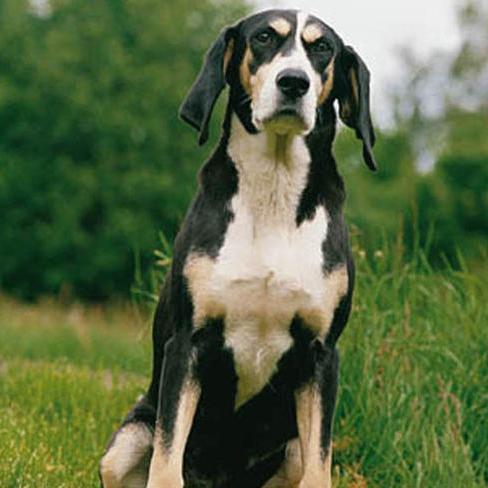
You might come across the Dunker when you notice a striking, mottled-coated hound in a photo and assume it is a Beagle cross, or perhaps a Coonhound type. Then you read a little further and realise it is its own breed, shaped by a very particular landscape and hunting tradition in Norway.
It is also easy to think that “hound” means one predictable temperament and one set of needs. In practice, the Dunker (also known as the Norwegian Hound) sits in a specific middle ground: athletic and scent-driven, often steady in the home, and happiest when its daily life makes room for movement, sniffing, and time outdoors.1, 2
For anyone considering the breed, or simply trying to understand a Dunker they have met, the useful questions are practical ones: how much exercise is enough, what training actually works for a scent hound, and what health and grooming routines tend to matter most.
At a glance: what a Dunker is like day to day
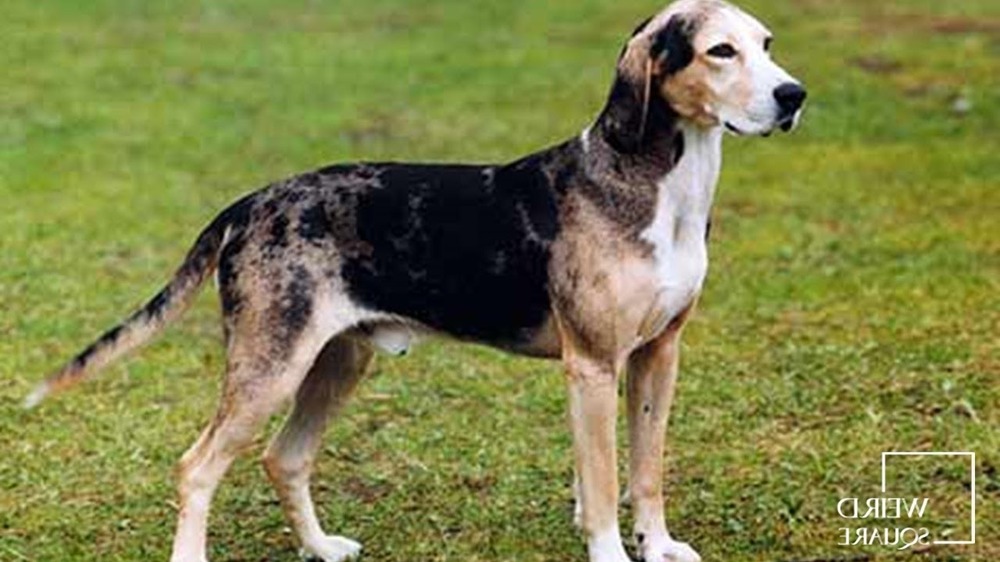
The Dunker is a medium-sized scenthound developed for hare hunting, built to work over uneven ground and to keep going for hours. Breed standards describe a robust, ground-covering mover with a short, hard, dense coat and a characteristic marbled (dappled) pattern, most often black or blue marbled with fawn and white markings.1, 3
- Breed group: Scent hound (medium-sized hound type in FCI Group 6)1
- Typical height: males 50 to 55 cm, females 47 to 53 cm at the withers3
- Coat: straight, hard, dense, not too short1
- Colour: black or blue marbled (dappled) with fawn and white markings (marbling is a hallmark)3
In the home, many Dunkers present as pleasantly social and not constantly “busy”, as long as their exercise and sniffing needs are met. If they are underworked, that calmness can tip into restlessness, vocalising, or a tendency to entertain themselves with scent-driven wandering.
History and purpose: a Norwegian scenthound
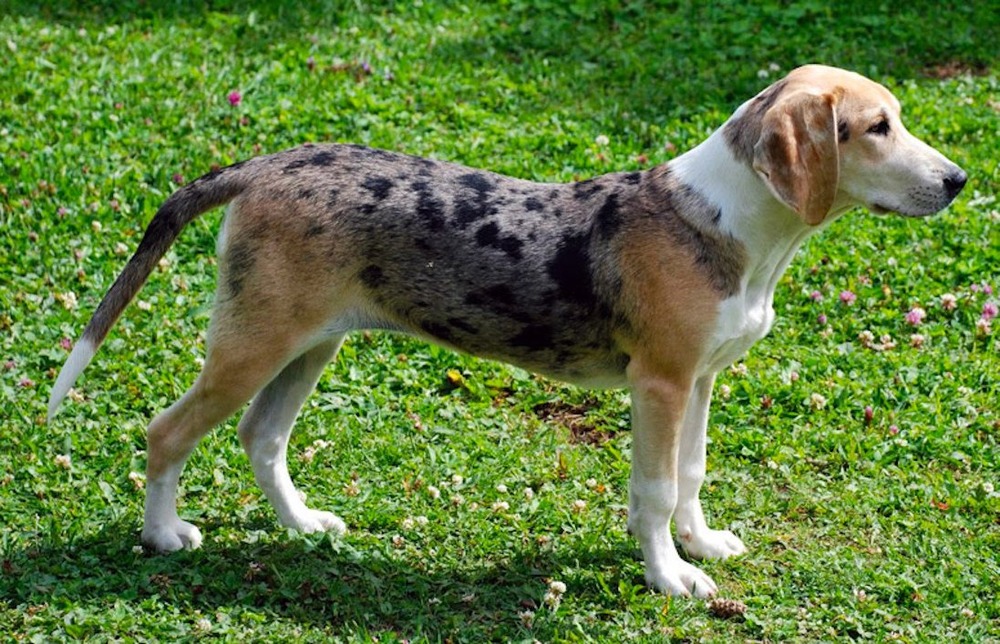
The breed is named after Wilhelm Dunker, who developed these dogs in 19th-century Norway for hunting hare by scent. The Dunker is also known as the Norwegian Hound, and it remains relatively uncommon outside Scandinavia.2
That working background still shows in modern dogs. A Dunker is often at its best when it can follow scent trails, range out safely, and use its nose with purpose. Even if you never hunt, you can meet the same needs through structured scent games and long, varied walks where the dog is allowed to investigate and decompress.
Temperament and suitability for family life
Dunkers are commonly described as friendly and people-oriented, and many do well with children when introductions are calm and supervision is sensible. It helps to remember that a scenthound can be social but independently minded. They may not offer the constant check-ins you see in some herding breeds, and that is not stubbornness so much as a different working style.
With other pets, the picture is usually straightforward with dogs, and more variable with small animals. Because the breed was developed to pursue game by scent, it is worth treating prey drive as a practical management issue: good fencing, careful off-lead choices, and early training around recall and “leave it”.
Is the Dunker apartment-friendly?
Most Dunkers are not ideal for small-space living unless the owner is genuinely committed to daily exercise and enrichment. The challenge is rarely the coat or grooming. It is the combination of stamina and a nose that is always “on”. A bored Dunker may find its own projects, and they are often better choices for homes with a yard, or owners who spend a lot of time outdoors.
Training that works for a scent hound
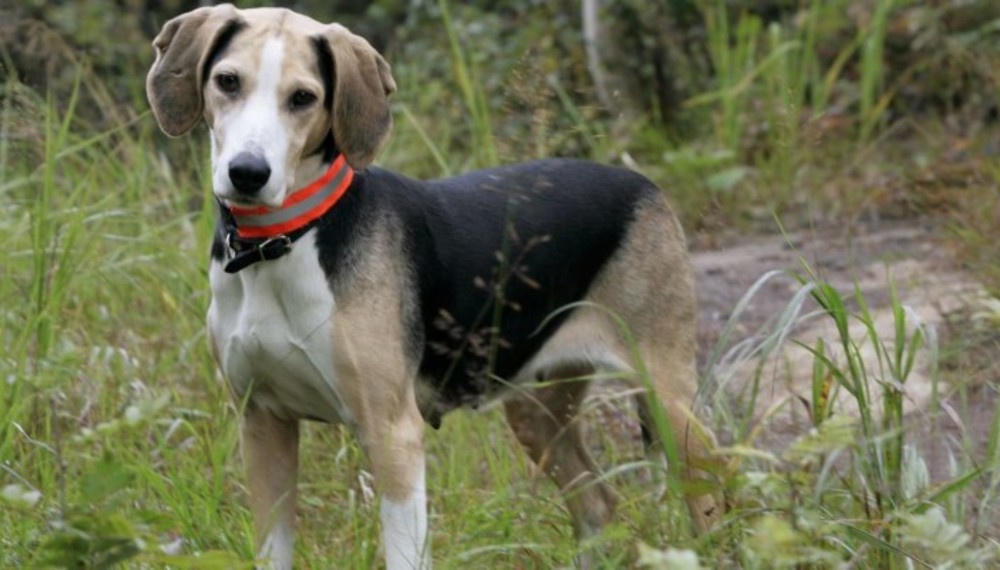
Training a Dunker tends to go best when you work with the dog’s instincts rather than trying to train them out. Positive reinforcement, consistency, and short sessions usually outperform heavy repetition. If a scent hound looks like it is “ignoring” you, it is often because the environment is louder than you are, in scent terms.
A useful approach is to build skills in low-distraction settings, then gradually add complexity. Recall is absolutely trainable, but it often needs more time, more reinforcement history, and carefully chosen environments than people expect.
- Use the nose as a reward: ask for a quick behaviour, then release to sniff.
- Build a strong emergency cue: practise it when you are confident you can win.
- Prefer long lines in open areas until recall is truly reliable.
Exercise and enrichment: how much is “enough”?
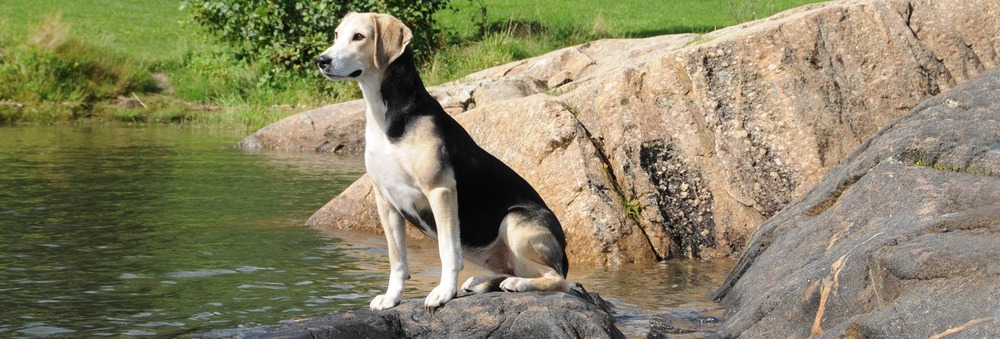
Dunkers are typically high-energy working dogs, and they do best with daily exercise that includes both movement and mental work. A brisk walk is a good start, but many individuals also need space to roam safely, structured play, and tasks that feel like work.
Think in terms of totals across the day: a longer walk with sniffing time, plus shorter “top ups” of training or scent play. The goal is not to exhaust the dog. It is to meet the dog’s needs so they can settle.
Activities many Dunkers enjoy
- Scent trails in the garden or at a quiet park (on a long line).
- Hide-and-seek with food or toys.
- Canine nosework style games and puzzle feeders.
- Hiking and steady jogging for adult dogs with veterinary clearance.
Health considerations and preventative care
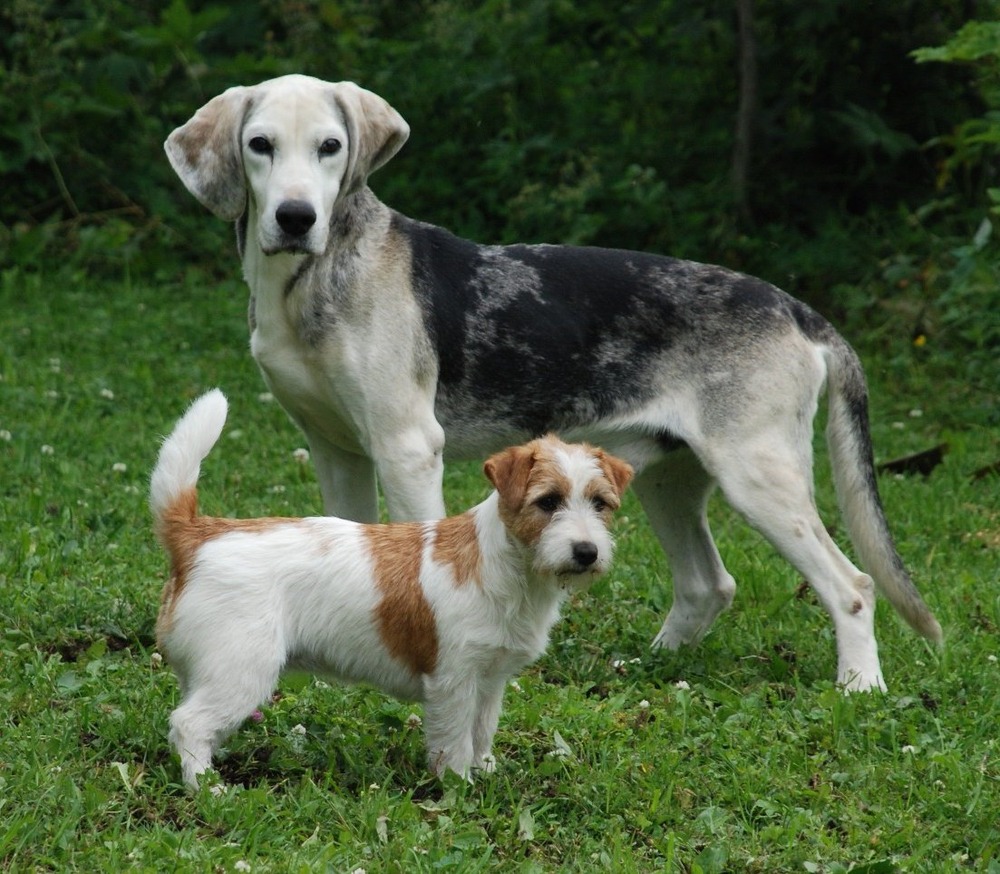
No breed is immune to health problems, and individual risk varies with genetics, body condition, and lifestyle. Two issues often discussed with medium-sized hounds are orthopaedic concerns such as hip dysplasia, and ear trouble linked to ear shape and airflow.4, 5
Hip dysplasia is a developmental condition of the hip joint. Its impact can range from minimal to significant, and environment and body weight can influence how it shows up over a dog’s lifetime. If you are buying a puppy, ask what hip screening has been done in the breeding lines, and discuss sensible growth and exercise with your vet.4
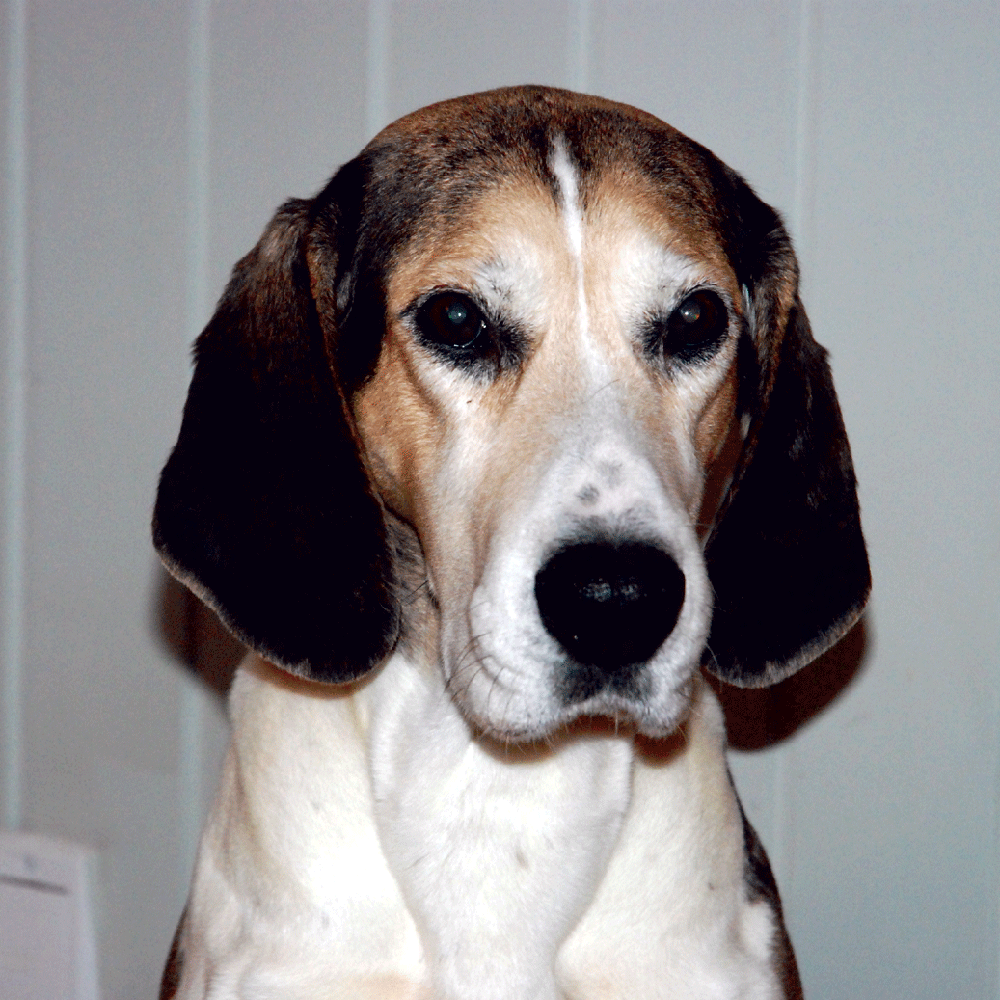
Long, droopy ear flaps can reduce airflow and create a warmer, more humid environment. That does not guarantee infections, but it can be a predisposing factor, especially when allergies or moisture are in the mix. If your dog tends to get recurrent ear problems, your vet will usually look for underlying causes rather than treating infection alone.5
Everyday preventative habits
- Keep a lean body condition to reduce stress on joints.
- Check ears weekly, especially after swimming or wet weather.
- Maintain dental care, nails, and routine health checks.
- Seek advice early if you notice head shaking, ear odour, redness, or sensitivity.
Coat care and grooming
The Dunker’s coat is typically straightforward. A weekly brush is usually enough to lift loose hair and distribute oils, with more frequent brushing during seasonal shedding. Occasional baths are fine, but frequent shampooing can dry the skin, so it is better to keep washing for when the dog is genuinely dirty.
Grooming is also a good time to do quiet health checks: feel along hips and elbows, look for skin irritation under collars or harnesses, and check ears for wax build-up or inflammation.
Diet and feeding, with a few safety reminders
An active hound does best on a complete and balanced diet that suits their life stage and workload. If you want to add fresh foods, or change feeding style, it is worth doing it thoughtfully, because calories add up quickly in a dog that will happily eat like an athlete even when they are living like a suburban pet. The World Small Animal Veterinary Association (WSAVA) emphasises the value of routine nutritional assessment and tailored recommendations from the veterinary team.6
It also helps to keep a short list of common food hazards in mind. Grapes and raisins can cause kidney failure, chocolate contains theobromine which can be toxic to dogs, and xylitol (found in some sugar-free products) can be dangerous. In the real world, these exposures often happen accidentally, through visitors, kids, or dropped food, rather than deliberate feeding.7, 8
If you are ever unsure about a possible ingestion, the safest move is to contact your vet promptly with the dog’s weight and what you think was eaten.
Living well with a Dunker
The Dunker suits people who genuinely enjoy an outdoorsy routine, and who like the steady company of a dog that is affectionate but not clingy. The breed’s standout gift is scent work, and most “behaviour problems” improve when that gift is given a place in everyday life.
If you can offer consistent exercise, patient training, and a bit of management around scent-led decision making, the Dunker can be a deeply satisfying companion. Not because it is easy, but because it is clear in what it needs, and honest in how it moves through the world.
References
- Federation Cynologique Internationale (FCI): Dunker (Norwegian Hound), breed nomenclature entry
- Wikipedia: Dunker (Norwegian Hound) overview
- United Kennel Club (UKC): Dunker breed standard
- Orthopedic Foundation for Animals (OFA): Hip dysplasia in dogs
- American College of Veterinary Surgeons (ACVS): Otitis externa in dogs
- WSAVA Global Nutrition Committee: Nutrition guidelines and resources
- RSPCA Pet Insurance Australia: Foods to avoid feeding your dog
- Annandale Animal Hospital: Chocolate toxicity in dogs