

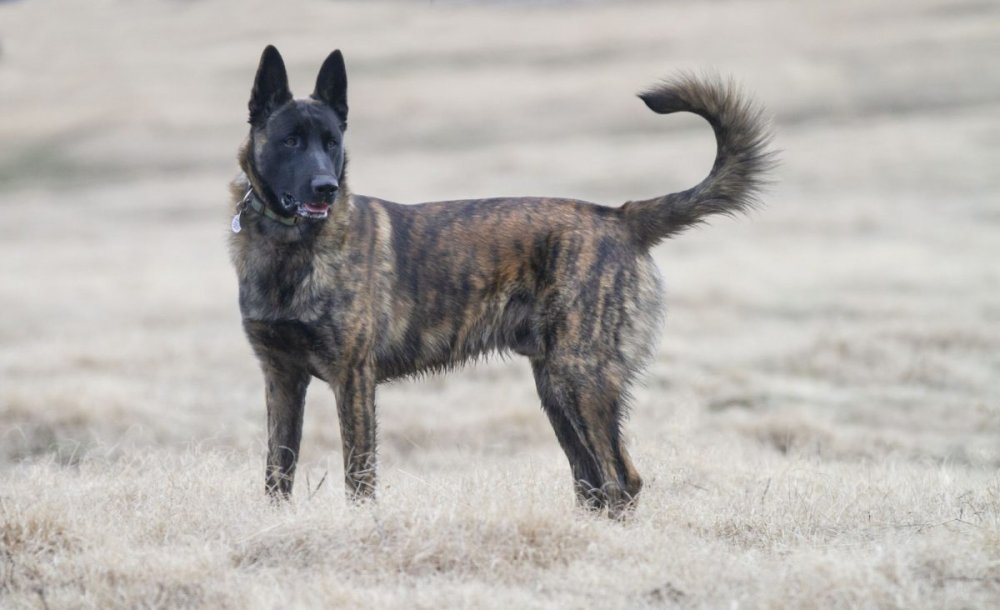
You might notice a Dutch Shepherd for the first time in a park or on a training oval and assume it is a German Shepherd with a different paint job. The brindle coat does that, it catches the eye, then the dog moves with a kind of tidy, purposeful athleticism that feels a bit different.
What often surprises people is not how they look, but how they live. A Dutch Shepherd tends to do best when life has structure, regular work (even if that is sport, training games, or an active routine), and an owner who enjoys engaging with a thinking dog. They are not automatically “too much dog”, but they are rarely satisfied with a quiet week and a couple of short strolls.
Once you start looking at the breed through that lens, the practical questions become clearer: how much exercise is actually enough, what kind of training keeps them steady, and how to support health and joints over a long, active life.
- Breed category: Herding (sheepdog type)
- Country of origin: The Netherlands
- Height: Males 57 to 62 cm, females 55 to 60 cm (typical breed standard ranges)
- Weight: Commonly mid 20s to low 30s kg, varies with sex and build
- Life span: Around 11 to 14 years is often cited
- Coat type: Short, long, or rough
- Coat colours: Brindle, usually on a gold or silver base
- Shedding: Moderate, heavier seasonally
- Energy level: Very high
- Grooming: Moderate, regular brushing
History and origin
The Dutch Shepherd, or Hollandse Herdershond, developed as a practical farm and herding dog in the Netherlands. The goal was not a specialist for one narrow job, but a hardy all-rounder that could move stock, watch the property, and work alongside people across long days and changing conditions.1
That working background still shows up in modern dogs. Even as many Dutch Shepherds now live as companions, their steadiness often comes from useful activity and routine rather than from being “left to settle” with minimal engagement.
One common point of confusion is kennel club recognition. The breed was accepted on a definitive basis by the FCI in 1955, and the FCI standard has been updated since then (with a current publication date shown on the FCI breed entry).1
Physical characteristics
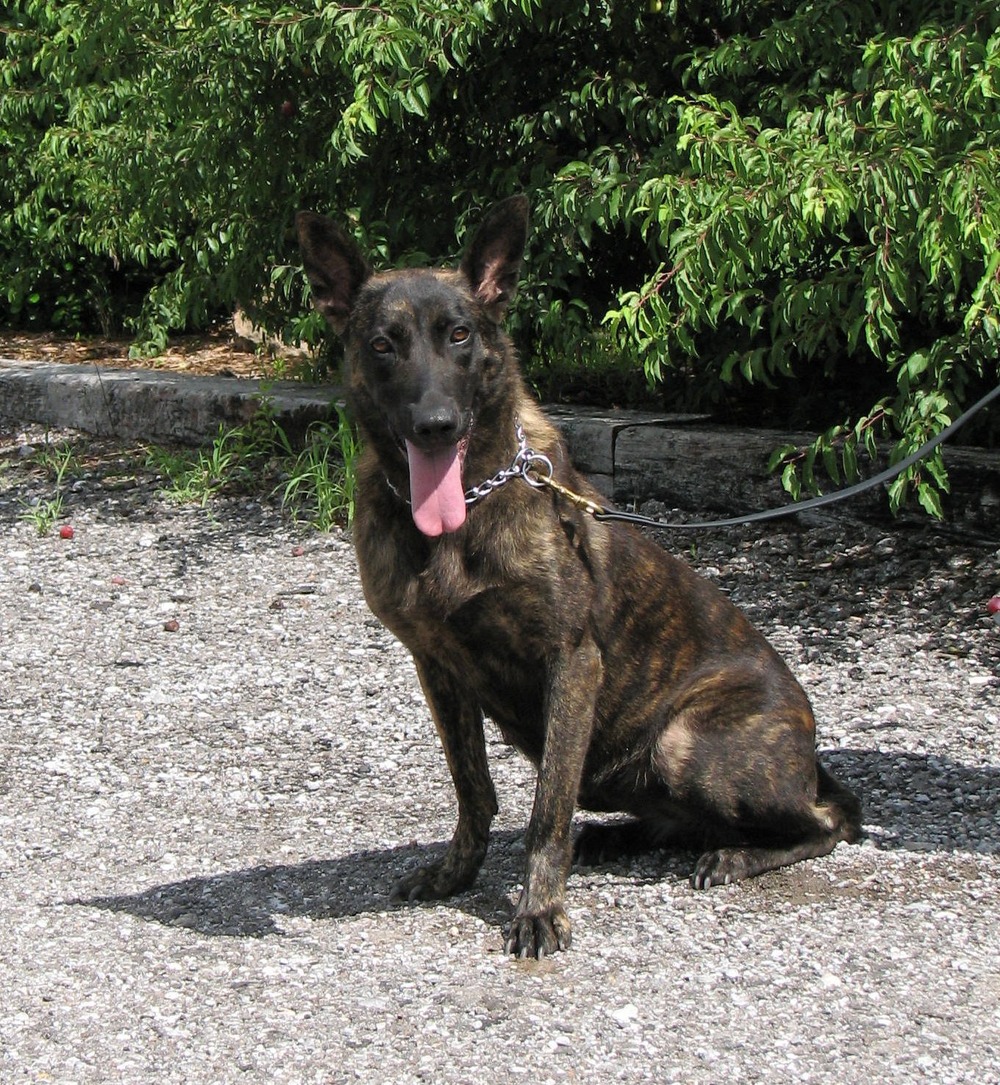
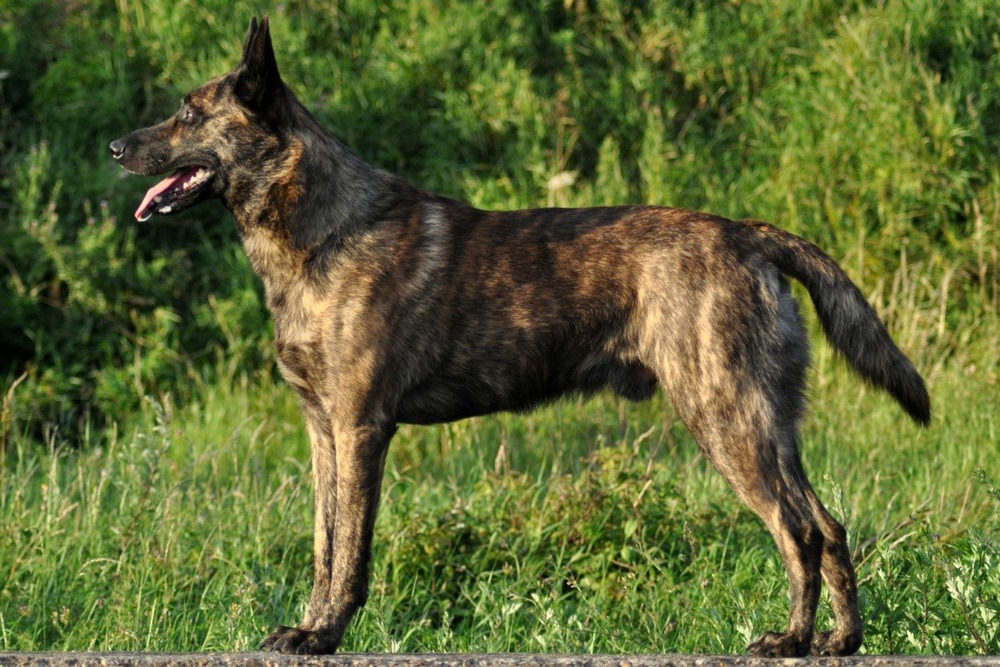
Dutch Shepherds are medium-sized, athletic dogs built for endurance and efficient movement. In the FCI standard, adult males are typically 57 to 62 cm at the withers and females 55 to 60 cm, with a balanced, well-muscled outline rather than heavy bulk.1
The coat is one of the defining features. The breed comes in three coat varieties, short-haired, long-haired, and rough-haired, and the colour is brindle on a gold or silver base. In everyday terms, brindle is a striping pattern, and it can read differently depending on light, coat length, and season.1
Ears are erect, the tail is long and carried naturally, and the overall impression should be alert and capable, without exaggeration. When you see a Dutch Shepherd working, the body makes sense: tight turns, quick acceleration, and a lot of stamina.
Temperament and behaviour
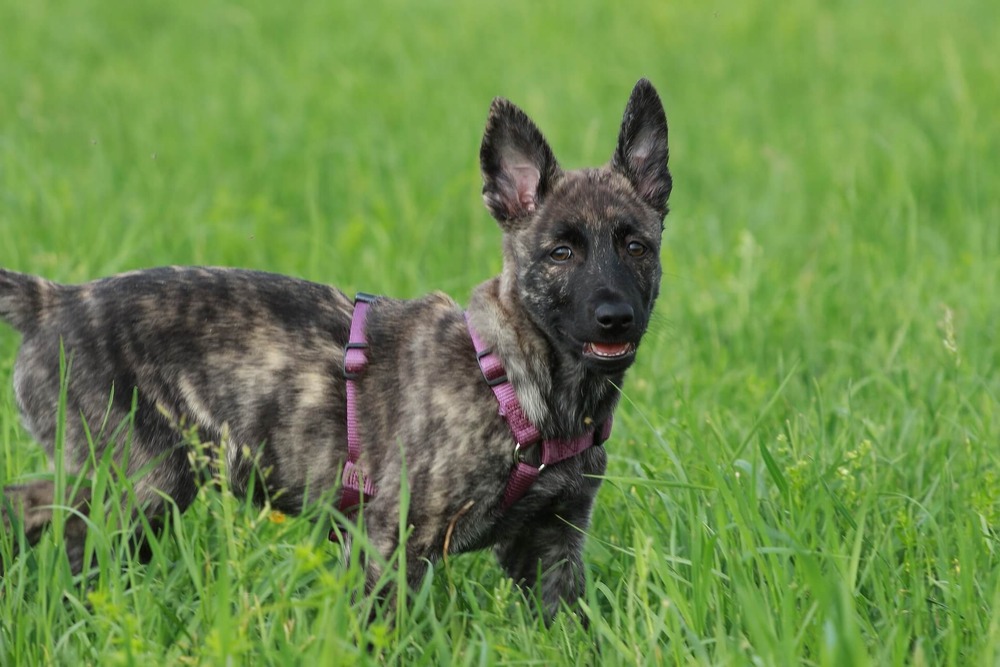
A well-bred, well-raised Dutch Shepherd is often described as loyal, reliable, alert, and intelligent. Many are naturally watchful and can be independent problem-solvers, which is helpful in working roles and can be challenging if home life is inconsistent or under-stimulating.1
It helps to think in terms of behaviour rather than labels. A Dutch Shepherd may follow you from room to room, notice sounds outside before you do, or become busy and inventive when bored. None of that is “bad temperament” in itself. It is more often a sign that the dog needs clearer structure, more training games, and an outlet for drive.
With children and other pets, outcomes depend heavily on socialisation and management. Many Dutch Shepherds can live peacefully in family homes, but their energy and herding tendencies mean you want calm introductions and supervision, especially with small animals or fast-moving kids.
Training and exercise needs
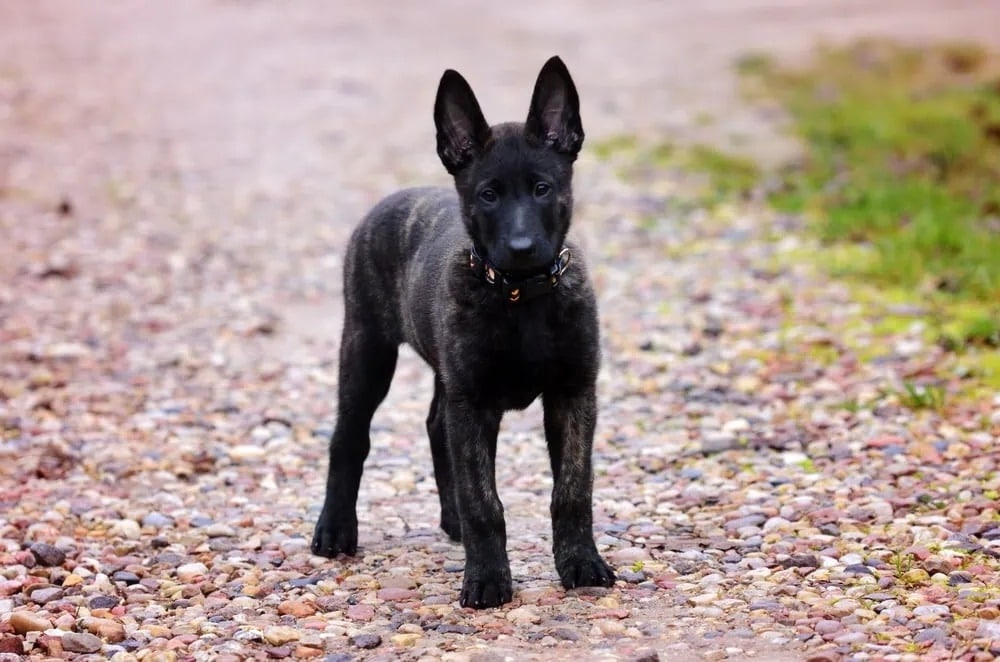
Training is usually where Dutch Shepherds shine, provided the approach suits the dog. Reward-based methods, delivered with good timing and consistency, tend to build strong behaviour without unnecessary conflict. This matters with bright working breeds because they learn quickly, including learning patterns you did not intend to teach.2, 8
Socialisation is not just meeting other dogs. It is a steady diet of safe, positive experiences with surfaces, sounds, handling, environments, and people. The RSPCA notes a critical socialisation period in puppies, and those early experiences can shape behaviour into adulthood.3, 4
Exercise needs are high, but “exercise” is not only kilometres. Many Dutch Shepherds do best with a mix of:
- Physical work: brisk walks, off-lead runs in safe areas, hiking, structured tug and retrieve
- Mental work: short training sessions, scent games, puzzle feeding, skill-building
- Purpose: dog sports (obedience, agility, tracking) or a consistent daily job at home
A helpful rule of thumb is to aim for daily activity that leaves the dog pleasantly tired, not frantic. If you regularly see restlessness, nuisance barking, or “busy” behaviours, it is often a sign the dog needs more structure, not harsher corrections.
Health and lifespan
Dutch Shepherds are often considered a generally healthy working breed, but no breed is free of risk. Hip dysplasia is a known concern across many medium to large dogs, and responsible breeding and sensible exercise during growth both matter. Screening programs and databases exist to support informed breeding decisions.5
In day-to-day life, the most practical health habits are not fancy. Keep your dog lean, build fitness gradually, and protect recovery time. If your dog is very active, talk with your vet about joint care, appropriate conditioning, and how to spot early signs of pain or stiffness.
Life span is often quoted in the 11 to 14 year range, and many individuals can have long, active lives when their exercise is consistent and their weight is well managed.
Grooming and maintenance
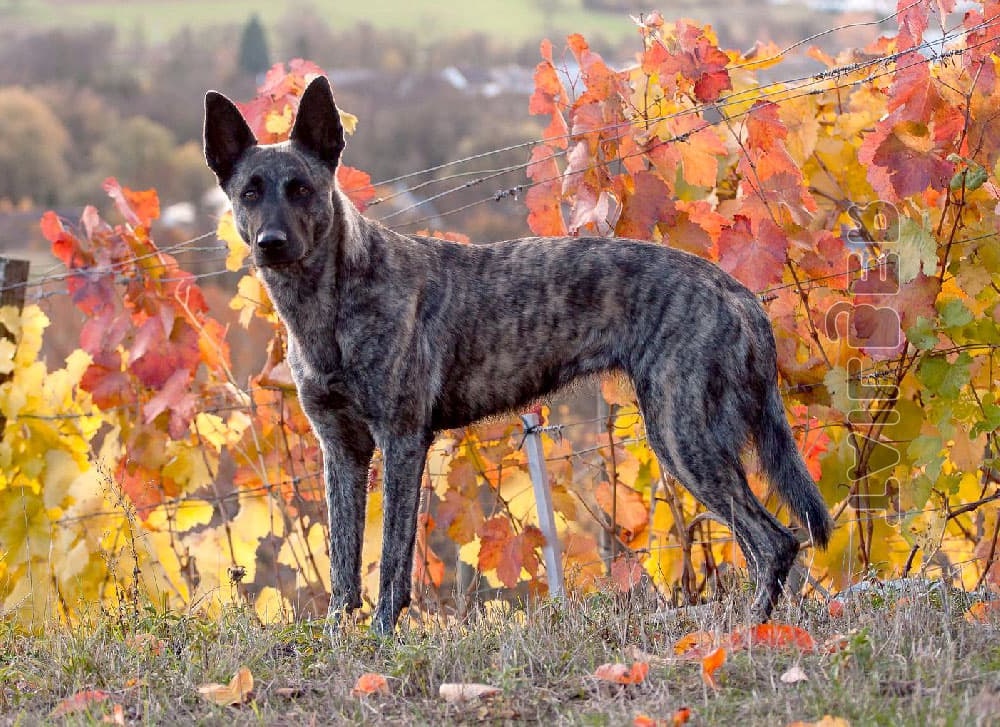
Grooming is usually straightforward, but the coat variety changes the workload. Short-coated dogs often do well with weekly brushing and a quick wipe-down after muddy adventures. Long-haired and rough-haired dogs tend to need more thorough brushing to prevent tangles and to keep the undercoat from compacting.
Most owners notice seasonal shedding. Increasing brushing during heavier sheds keeps the coat healthier and reduces hair around the house. Bathing can be occasional, and it is worth keeping it gentle so the coat and skin are not stripped of oils.
Maintenance is also the quiet stuff: nails, ears, teeth, and getting the dog comfortable with handling. If you treat grooming as part of training, with small rewards and short sessions, you often end up with a dog that cooperates willingly.
Diet and nutrition
A Dutch Shepherd’s diet should support a high activity level without pushing weight up. Choose a complete and balanced food, and adjust portions to the dog in front of you, not the feeding guide on the bag. If you are unsure, your vet can help you assess body condition and set a realistic target weight.
If you feed fresh foods or use human food as training rewards, keep safety in mind. The RSPCA and Australian government guidance list common toxic foods for dogs, including chocolate, grapes and raisins, onions and garlic, and some nuts such as macadamias.6, 7
Many active dogs do well with part of their daily food delivered through training or enrichment. It keeps the brain engaged and can reduce scavenging and boredom.
Fun facts (and a dose of realism)
Dutch Shepherds have a reputation as versatile working dogs, and you will see them in roles like detection, sport, and search work in various countries. Their appeal is not just speed or drive, but their ability to switch between intensity and steadiness when well trained.
They are also known for noticing patterns. If your dog learns that nudging a gate makes it swing, or that a certain bark brings attention, they will repeat it. That is not stubbornness so much as fast learning in action.
The flip side is that they can outpace casual ownership. If your household wants a dog that is mostly decorative, a Dutch Shepherd may feel like an endless project. If you enjoy training, movement, and building skills over time, they can be deeply satisfying to live with.
Final thoughts
The Dutch Shepherd is best understood as a working dog in a companion’s world. When their needs are met, with daily activity, reward-based training, and thoughtful socialisation, they tend to be capable, responsive, and steady.
If you are considering the breed, look beyond looks and ask what your weeks actually look like. A Dutch Shepherd usually thrives with an owner who genuinely enjoys the process: the routines, the training, the time outside, and the quiet satisfaction of seeing a smart dog relax because life makes sense.
References
- Fédération Cynologique Internationale (FCI), Dutch Shepherd Dog (Hollandse Herdershond) breed entry
- RSPCA Knowledgebase, “Is socialising my puppy important?”
- RSPCA Australia, “Here’s how to care for your puppy”
- RSPCA Australia, “Socialising your puppy”
- Orthopedic Foundation for Animals (OFA), Hip Dysplasia overview
- RSPCA Knowledgebase, “What should I feed my dog?”
- Agriculture Victoria, “Human foods to avoid for cats and dogs”
- Association of Pet Dog Trainers Australia (APDT Australia), Position statements (reward-based training definitions)