

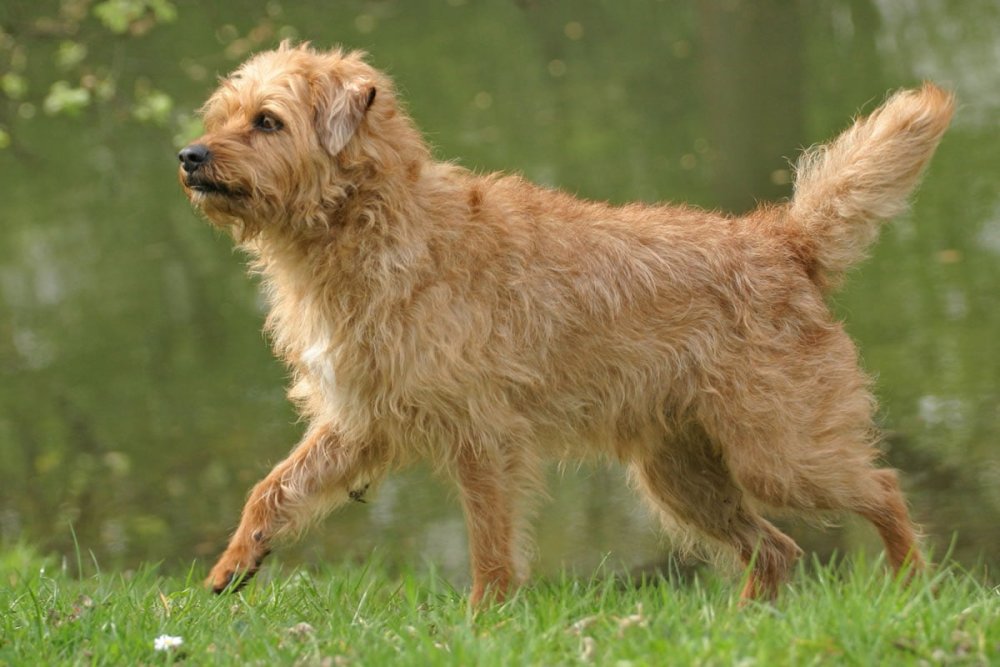
People usually come across the Dutch Smoushond in a fairly ordinary way: a photo of a scruffy little yellow dog with a very serious moustache, a breeder’s post shared by a friend, or a quick conversation at the park about “that terrier-looking one”. It is easy to assume it is just another small rough-coated ratter type, lively, clever, probably yappy.
But the Dutch Smoushond sits in a slightly different place. It was shaped by practical work around stables and town life in the Netherlands, then kept going because people valued its steady companionship as much as its usefulness. These days, it is still a fairly rare breed outside its home country, which makes good information and realistic expectations especially important if you are considering one.
What tends to matter in day-to-day life is not the romance of breed history, but the simple questions: how big is it really, what does it need from you, and what might catch you off guard once the novelty of the beard wears off.
History and origins: a stable dog that became a companion

The Dutch Smoushond (also called the Hollandse Smoushond) developed as a small, tough stable and street-side dog in the Netherlands, valued for helping keep rats and mice under control while living closely alongside people.1, 2 Like many working dogs of the time, it was shaped by function first, then gradually refined into a recognised type.
The breed’s story has a few stop-start chapters. The breed club was founded in the early 1900s, the population later dwindled, and reconstruction efforts began in the 1970s to preserve the look and temperament people associated with the Smoushond.2, 3 It is now recognised by the FCI as part of Group 2 (Pinscher and Schnauzer type), which fits its overall build and coat style more accurately than the casual “terrier” label it is often given.1
Practical takeaway: when you meet a Smoushond today, you are often seeing a breed that has been consciously preserved for companionship as well as for its original working grit.1, 3
Appearance and physical traits
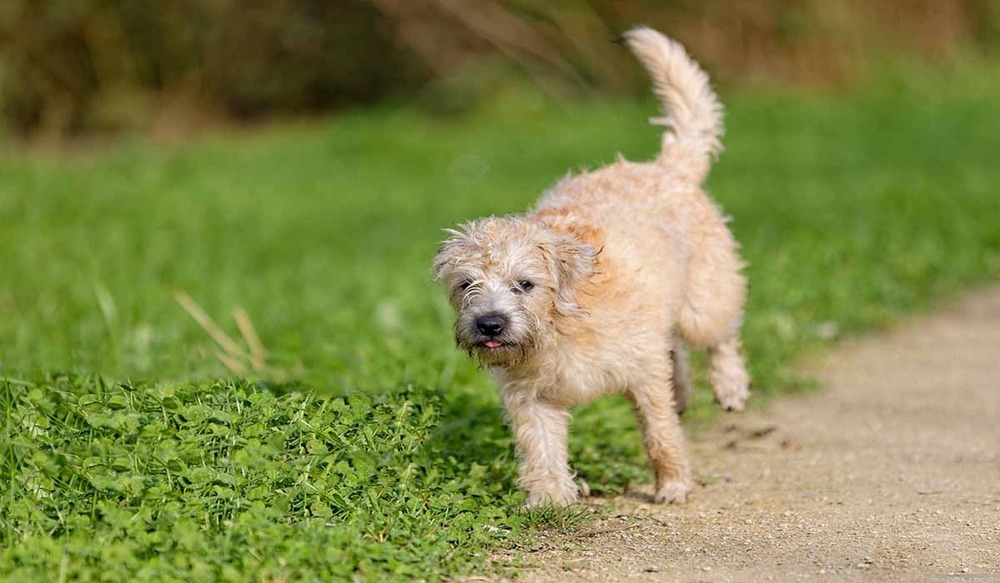
The Dutch Smoushond is small to medium in size, sturdy and squarely built. Typical height is around 35 to 42 cm at the withers, with weight commonly around 9 to 10 kg, though some individuals can fall a little outside that range depending on sex and build.1, 4
The coat is the feature most people notice first: rough, wiry and deliberately a bit “unkempt” in look, with a characteristic beard, moustache and eyebrows (the “garnishing” described in breed standards). Colour is yellow in shades, often with slightly darker hair on the ears and facial furnishings.1, 4
What that means at home: you are living with a dog whose coat is meant to be weather-resistant and practical, not silky or highly styled, and whose facial hair will collect water, crumbs and garden debris in the normal course of life.
Temperament and behaviour in everyday life
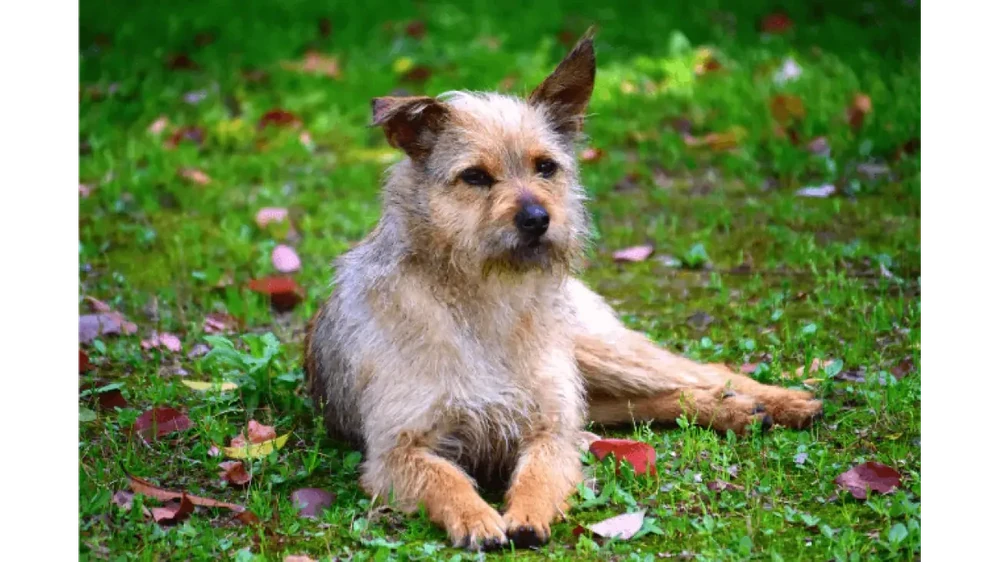
Breed standards describe the Smoushond as affectionate, friendly and lively without being nervously over-active, which is a helpful way to frame the energy you tend to see.1 Many owners look for a dog that will happily join in with family routines, enjoy training, and still be able to settle when the day quietens down.
Because it was shaped around stables, streets and people, it often does best when it has regular human contact and some job to do, even if that job is simply learning cues, playing scent games, or following you through the house as you potter about. Like any breed, individual temperament varies, and early experiences matter as much as genetics.
With children and other pets, the usual rule applies: a well-socialised, well-managed dog is far more reliable than a dog left to improvise. If you are bringing a Smoushond into a busy home, prioritise calm introductions, supervision, and teaching children how to interact appropriately, especially around resting and eating.
Training and exercise: enough to satisfy the brain

The Smoushond tends to respond well to reward-based training. In practical terms, that means short sessions, clear criteria, and rewards the dog genuinely values, food, play, or access to something it wants. Consistency matters more than intensity.
Exercise needs are often described as moderate, but it helps to separate physical movement from mental workload. Many small working-origin dogs do fine on a reasonable daily walk if they also get problem-solving and engagement. Without that, you may see the familiar pattern of nuisance barking, busy pacing, or inventing games that are less fun for you.
- Good daily options: lead walks with sniff time, basic obedience games, recall practice in safe areas, and food puzzles.
- Often enjoyed: beginner agility-style games (low-impact), hide-and-seek with treats, and gentle tug with clear rules.
Health and lifespan: what to watch, and what to plan for
Many sources describe the Dutch Smoushond as generally healthy, with a typical lifespan around 12 to 15 years.2, 5 That said, “generally healthy” does not mean “no health concerns”, it means the best approach is steady preventative care and good breeder selection, rather than assuming you will never face issues.
Orthopaedic and eye concerns are sometimes mentioned in general breed write-ups, but the most useful action for an owner is to ask what screening is done in the lines you are considering, and what problems are known in that particular family of dogs.5 Your vet can help you plan age-appropriate checks, weight management, and sensible exercise as your dog matures.
Most protective habit: keep your Smoushond lean. Extra weight quietly increases strain on joints, reduces heat tolerance, and can make “minor” issues more limiting over time.
Grooming and coat care: wiry does not mean zero work
The Smoushond’s coat is rough and wiry, and it benefits from regular brushing to prevent tangles and to keep the coat looking its best. A weekly brush suits many dogs, with more frequent grooming during periods when the coat seems to drop or look messy. The facial furnishings often need a quick wipe after meals or muddy outings.
Grooming is also your easiest chance to notice changes: new lumps, sore spots, ear irritation, or a dog that suddenly dislikes being handled in a certain area. Treat grooming less as “beauty maintenance” and more as calm, routine body care.
Dental care is part of maintenance too. Regular tooth brushing is widely recommended as the gold standard for reducing plaque and supporting long-term oral health.6
Diet and nutrition: balanced, boring, and safe
A Dutch Smoushond does best on a complete and balanced diet suited to its life stage, size and activity level. If you are changing foods, do it gradually to reduce digestive upset. Treats are useful for training, but it is easy to overdo them with a smaller dog, so measure, adjust meals accordingly, and watch body condition rather than relying on the number on the scales.
It also helps to keep a clear line between “people food that is safe sometimes” and foods that are genuinely dangerous. Several common items can cause serious poisoning in dogs, including chocolate, grapes and raisins, onions and garlic, macadamia nuts, and products sweetened with xylitol.7, 8
If you suspect your dog has eaten something toxic, contact your vet promptly. In Australia, the Animal Poisons Helpline can also advise what to do next based on the substance and amount involved.8
A few grounded “fun facts” that actually help
The Smoushond is often mistaken for a terrier, especially in casual conversation, but formal classification places it with Pinscher and Schnauzer type breeds, which better reflects its overall structure and traditional role.1
The name is usually linked to its rough, shaggy look and its distinctive facial hair. If you love the beard, you will probably love the breed. If you cannot stand wiping a wet muzzle after drinking, it is worth being honest with yourself early.
Quiet reality: because the breed is relatively rare, finding a well-bred dog can take time. That wait is often a feature, not a bug, as it gives you space to set up training plans, household boundaries, and the right support.
Final thoughts
The Dutch Smoushond appeals to people who want a compact, companionable dog with a bit of working-dog brightness. When its needs are met, it can be a steady presence in the household, keen to join in, not overly fragile, and generally straightforward to live with.
If you are considering one, focus less on the moustache and more on the daily rhythm you can offer: consistent training, moderate exercise, regular grooming, and the kind of close contact this people-oriented breed tends to thrive on. The rest tends to follow.
References
- Fédération Cynologique Internationale (FCI): Hollandse Smoushond (Dutch Smoushond), breed information and standard dates
- Wikipedia: Dutch Smoushond (overview, history, alternative names)
- United Kennel Club (UKC): Dutch Smoushond breed standard (height, weight, coat and colour)
- Dogs Global: Dutch Smoushond FCI standard (translated text and key features)
- Hundeo: Dutch Smoushond profile (general care, size and lifespan summary)
- Buddy Pet Insurance: Cleaning dog teeth at home (brushing guidance)
- RSPCA Pet Insurance Australia: Safe diet for dogs, foods to avoid
- Animal Poisons Helpline (Australia): advice and support for pet poisonings