

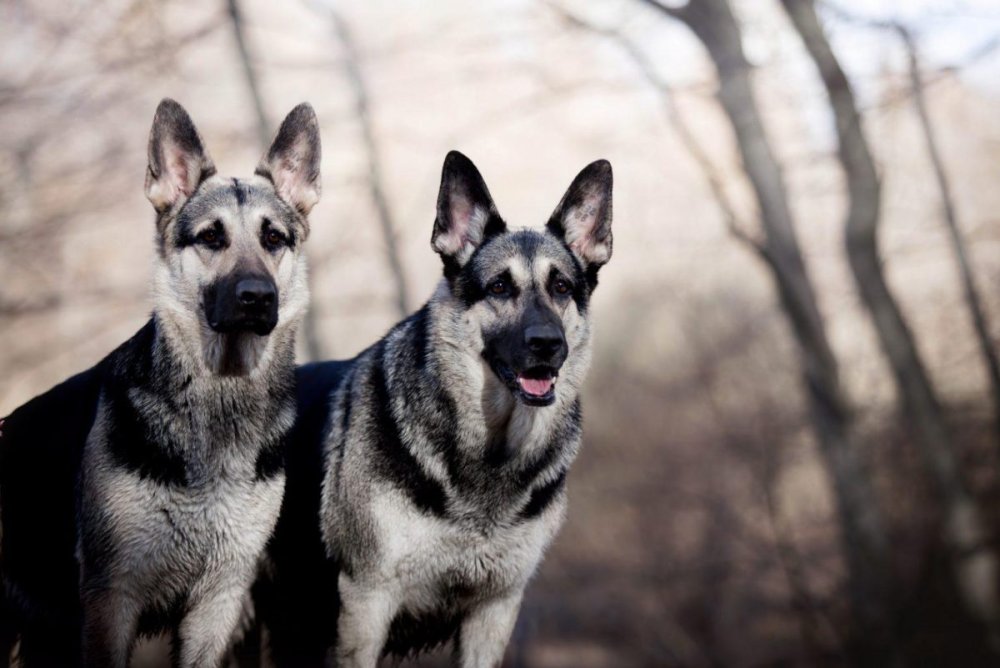
You might notice an East European Shepherd and do a double take, it looks familiar, a bit like a German Shepherd, but larger, squarer through the body, and often more “straight backed” in outline. People often come to this breed after meeting one in person, or after trying to work out why a dog labelled “German Shepherd type” seems to move and behave a little differently.
It is tempting to assume it is simply a bigger German Shepherd, or a new name for an old type. In practice, the East European Shepherd (often shortened to VEO) has its own breeding history, its own kennel club landscape, and a set of care needs that make the difference between a dog that copes well and one that becomes difficult to live with.
Done well, life with a VEO can feel steady and purposeful. Done casually, it can become frustrating for everyone involved, because this is a dog built for work, structure, and a calm, competent handler.
- Breed category: Working dog
- Country of origin: Former Soviet Union (developed from imported German Shepherd Dogs)
- Typical height: Around 62 to 76 cm at the withers (sex-dependent, lines vary)
- Typical weight: Commonly 30 to 60 kg (sex-dependent, condition-dependent)
- Typical lifespan: Often about 10 to 14 years
- Coat: Dense double coat
- Shedding: Moderate to heavy, seasonal “blow”
- Exercise needs: High, daily movement plus training
- Training fit: Best with experienced, reward-based handling
- Common health concerns: Hip dysplasia and elbow dysplasia (as in many large breeds)
- Kennel club status: Not widely recognised internationally, recognition varies by country
History and what the breed was built for
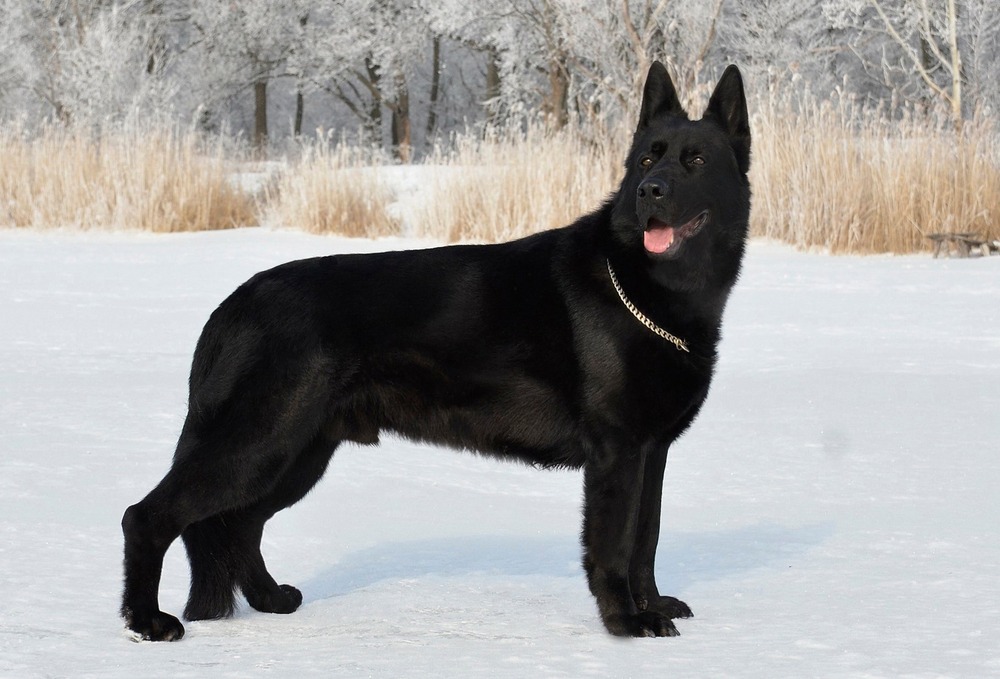
The East European Shepherd was developed in the Soviet Union using German Shepherd Dogs as a foundation, with selection aimed at producing a larger, robust working dog that could cope reliably in harsh climates and demanding service roles.1
That history matters because it shaped the type of dog you meet today. Many VEOs have the stamina and environmental toughness you would expect from a service-bred shepherd, along with the tendency to take the world seriously. For owners, this often shows up as a dog that watches closely, learns quickly, and benefits from clear routines.
You will sometimes hear confident stories about “the” exact recipe used to create the breed. Some sources describe additional regional working breeds being used alongside German Shepherd stock, while others focus mainly on selection within shepherd lines over time. It is worth holding these details lightly and paying more attention to the practical outcome: a larger, service-oriented shepherd type developed for function, not novelty.1, 2
What an East European Shepherd looks like in everyday terms
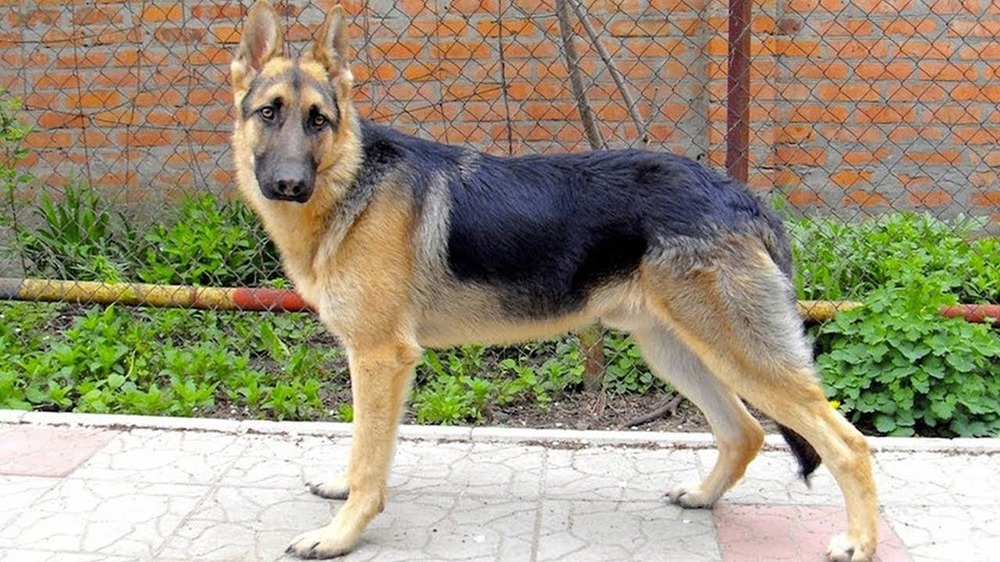
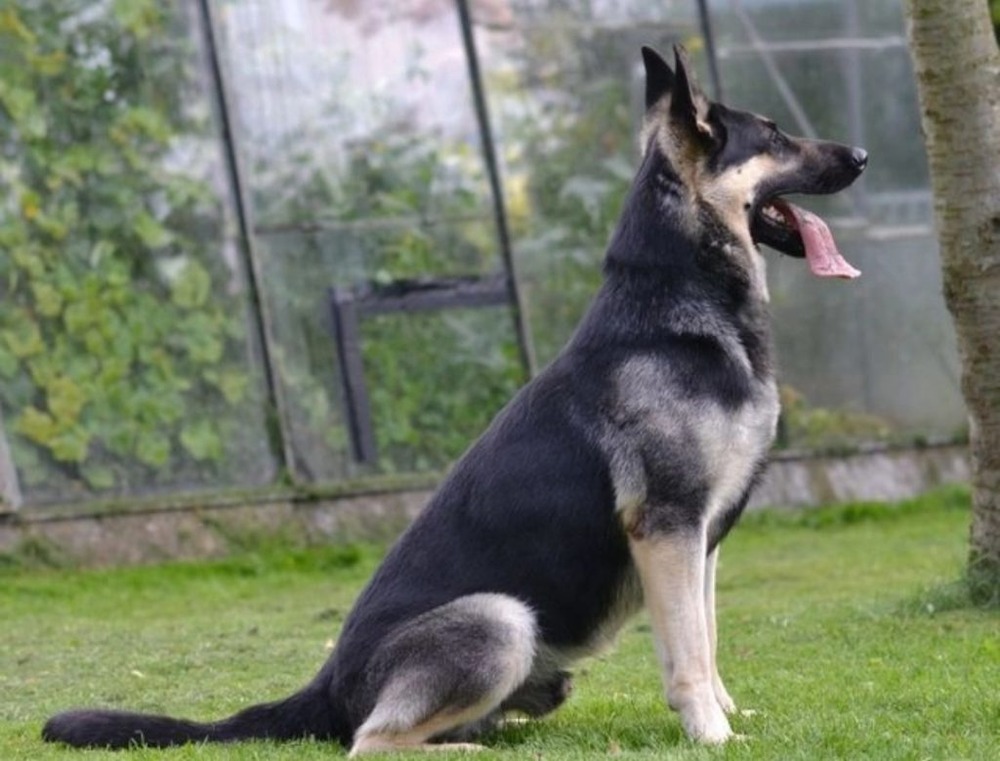
Most people notice three things first: size, presence, and coat. Compared with many modern German Shepherd lines, VEOs are often taller, more rectangular in outline, and substantial through the bone and chest. Their ears are typically erect, and the tail is long and well-furnished.
The coat is usually a dense double coat designed for weather resistance. That undercoat is the part that ends up in your hallway when the seasons change. If you live somewhere warm, it does not automatically mean the dog cannot cope, but it does mean you need to be more thoughtful about exercise timing, shade, airflow, and the dog’s overall comfort.
If you are assessing a puppy or adult dog, focus less on colour and more on sound movement and stable behaviour. A strong, well-conditioned dog should move freely, recover well after exercise, and be able to settle when nothing is happening.
Temperament and behaviour, loyalty is not the whole story
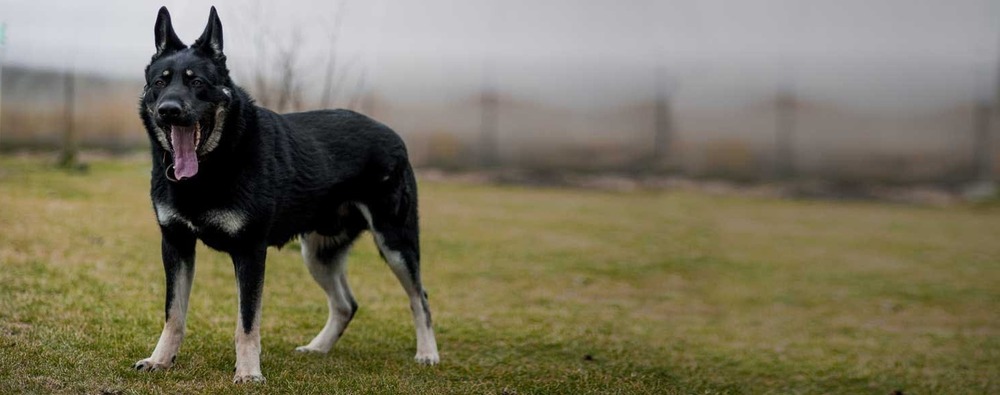
People often describe the breed as loyal and protective, and that can be true in the practical sense that many VEOs are attentive to their household and naturally wary of unfamiliar situations. The important detail is that “protective” can look like sensible watchfulness in one dog, and like over-responsibility in another.
In family life, many do well with children when adults set the tone, supervise sensibly, and teach both dog and child how to share space. It is not about expecting gentleness by default. It is about building predictable, safe interactions, particularly while the dog is young and still learning impulse control.
With other pets, outcomes vary. Early socialisation helps, but socialisation is not just exposure. It is carefully managed learning that other animals are part of the environment, not a problem to solve. If you have cats or small dogs, take introductions slowly and plan for management as a normal part of life, not a temporary phase.
Training and exercise that suits a working-bred shepherd
With a VEO, training is not a “nice extra”. It is how you give the dog clarity and a way to succeed in a human household. Many owners find that once basic cues are consistent, the dog becomes easier to live with and calmer at home because the expectations are no longer fuzzy.
Reward-based methods are a good fit for shepherds because they build cooperation and help the dog stay thoughtful under pressure. Training that relies on intimidation or pain can create fallout, especially in a dog that is already inclined to take the environment seriously.3, 4
Daily exercise needs to include both movement and thinking. An hour of physical activity is a common baseline for many adults, but the real measure is whether the dog can settle afterwards and maintain a healthy body condition.
- Movement: brisk walks, hiking, structured off-lead time in safe areas
- Work for the brain: obedience foundations, scent games, tracking-style searches, problem-solving toys
- Practice calm: mat training, decompression walks, quiet time after activity
Health considerations and what to watch as they grow
Like many large breeds, East European Shepherds can be predisposed to joint problems, particularly hip dysplasia and elbow dysplasia. These conditions are influenced by genetics and by development, including factors such as growth rate, body condition, and overall load on the joints.5, 6
Hip dysplasia is a developmental problem of the hip joint that can lead to osteoarthritis over time. Signs vary, some dogs show stiffness after exercise, difficulty rising, or a change in gait. Diagnosis is typically made using veterinary examination and imaging, and management can include weight control, tailored exercise, physiotherapy, medication, and in some cases surgery.5, 7
Elbow dysplasia can also appear in young, large dogs, and it may show up as forelimb lameness, stiffness, or reluctance to run and jump. Early assessment matters, because timely management can reduce long-term discomfort.6, 8
If you are choosing a breeder or adopting a young dog, ask what health screening has been done and what it means. The goal is not a perfect guarantee, it is a lower-risk starting point paired with sensible raising practices.
Grooming and maintenance, simple but not optional
The VEO coat is practical and protective, and it stays in good shape with consistent, uncomplicated care. A thorough brush once or twice a week is often enough most of the year, and then more frequently during seasonal shedding.
It helps to think of grooming as health monitoring as much as tidying up. While brushing, you are also checking skin condition, noticing new lumps, monitoring weight change, and spotting sore areas early.
- Brush regularly: pay attention to the undercoat, especially in seasonal sheds
- Nails and feet: keep nails short enough to support sound movement
- Ears and teeth: quick routine checks prevent bigger problems later
Feeding and body condition, the quiet foundation
Big, athletic shepherds do best when they stay lean. Extra weight does not just change appearance, it changes how joints cope with everyday movement. If you can see a waist from above and feel ribs with light pressure, you are usually in a healthier range.
Choose a complete, balanced diet appropriate for life stage, and be cautious about overfeeding in adolescence. Growth does not need to be rushed. A steady, sensible approach supports the dog’s long-term soundness.
If you are unsure about portions, ask your vet for a body condition score check. It is one of the most useful, low-effort conversations you can have for a large breed.
Living with a VEO, who this breed tends to suit
This is not an ideal “first big dog” for most households. Many East European Shepherds do best with people who genuinely enjoy training, have space to move, and can provide steady boundaries without turning daily life into a power struggle.
They often suit active families or individuals who want a dog that can work alongside them, whether that is sport training, hiking, structured routines, or simply being a reliable presence on a property. They are usually not at their best when they are under-exercised, under-trained, or left to make their own decisions about visitors and the neighbourhood.
If you are considering the breed, a useful question is not “are they loyal”, but “can I provide structure, outlets, and calm leadership for a large, observant working dog”. When the answer is yes, these dogs can be deeply satisfying to live with.
References
- Wikipedia: East European Shepherd
- Continental Kennel Club (USA): East European Shepherd breed information
- RSPCA Knowledgebase: Training recommendations and reward-based methods
- RSPCA ACT: Reward-based dog training approach
- Merck Veterinary Manual (Pet Owner): Hip dysplasia in dogs
- American Kennel Club: Elbow dysplasia in dogs
- American College of Veterinary Surgeons: Canine hip dysplasia treatment options (includes JPS)
- PetMD: Elbow dysplasia in dogs (overview, symptoms, treatment)