

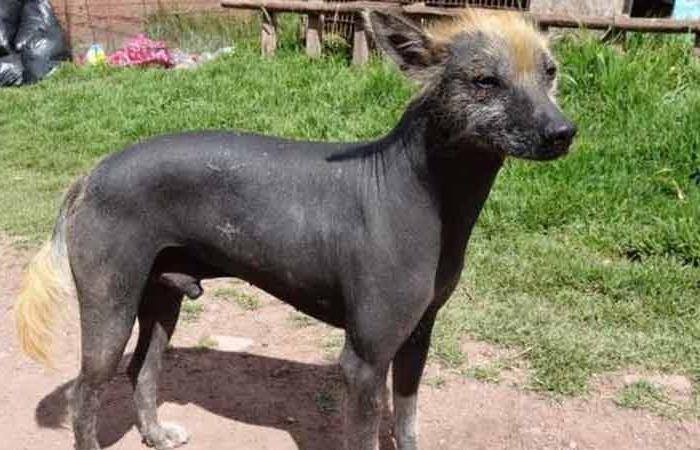
People usually notice the Ecuadorian Hairless Dog in passing, in a photo online, at a rare-breed gathering, or because they have met a hairless dog and wondered what daily life with one is actually like. The first question is often practical rather than historical: would a dog with little to no coat be easier, harder, or simply different to care for?
Hairlessness can look like “no grooming”, but it tends to shift the work rather than remove it. Skin becomes the coat, so comfort, sun protection, and gentle cleaning matter. It is also worth knowing that “hairless” does not automatically mean “hypoallergenic”, because many allergy reactions relate to dander and saliva rather than fur alone.1
The Ecuadorian Hairless Dog (also called perro calvo dorado ecuatoriano) is considered extremely rare, and it is often discussed alongside other South American hairless dogs. In day-to-day terms, that rarity mainly means one thing: if you are interested in the breed, it pays to be patient, ask careful questions, and focus on health, temperament, and ethical breeding over novelty.
- Breed category: Companion dog
- Country of origin: Ecuador (Santa Elena Peninsula is commonly cited)
- Typical height: About 40 to 50 cm at the shoulder (varies)
- Typical weight: About 15 to 25 kg (varies)
- Typical life span: Around 12 to 15 years (varies)
- Coat type: Hairless (some individuals may have small tufts)
- Shedding level: Minimal to none
- Temperament: Often described as loyal, affectionate, alert
- Exercise needs: Moderate, daily walks and play
- Grooming focus: Skin care, occasional bathing
- Weather sensitivity: High, especially sun and cold
- Common care watch-outs: Skin sensitivity and dental differences reported in some hairless dogs
Getting to know the Ecuadorian Hairless Dog
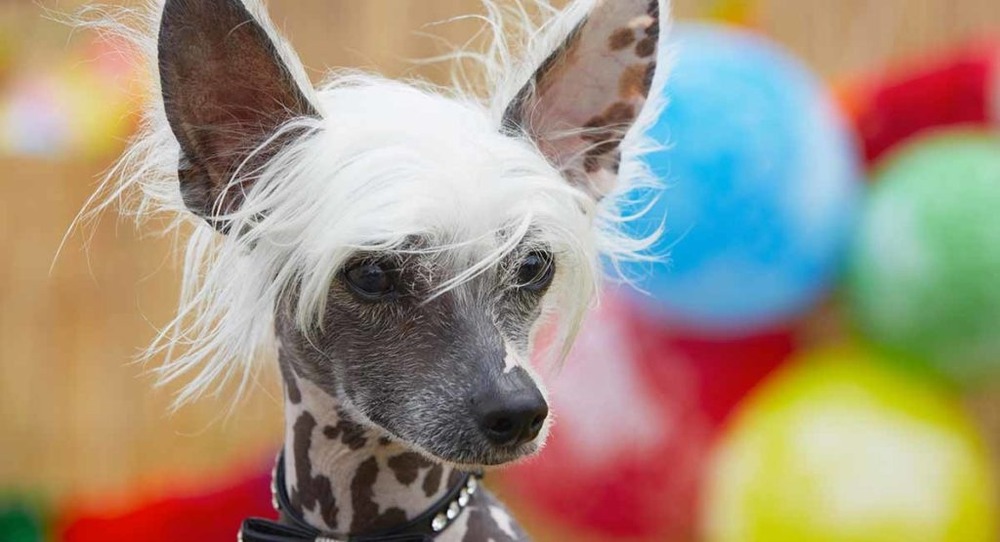
Descriptions of the Ecuadorian Hairless Dog often place it on Ecuador’s coast, particularly around the Santa Elena Peninsula, with long-standing cultural associations in the region.2, 3 In practice, you may also see the breed discussed as closely related to other hairless dogs in Latin America, which can make naming and “official recognition” conversations a bit messy.
If you are trying to make sense of conflicting claims, it helps to hold two ideas at once: there are genuine local types with deep roots, and there is also a modern dog-world tendency to group similar hairless dogs together. For an owner, though, what matters most day to day is the individual dog in front of you: how stable their skin is, how they cope with sun and weather, and how they settle in a household.
Temperament write-ups commonly describe these dogs as people-focused, responsive, and reasonably trainable. Like many companion breeds and rare landraces, early socialisation tends to matter more than any one-line temperament label, especially if the dog has had a sheltered start.
Appearance and physical traits
Most Ecuadorian Hairless Dogs are medium-sized, with smooth skin and an athletic outline. Skin colour is often described in darker tones. Some hairless dogs may have small patches of hair on the head or tail, depending on genetics and lineage.
One trait that comes up repeatedly across hairless dog breeds is dental variation. Hairlessness in several recognised hairless breeds is linked to ectodermal differences that can also affect teeth, including missing or abnormal teeth, particularly premolars.4 That does not guarantee dental problems in every individual, but it is a sensible prompt to look closely at the mouth when meeting a puppy or adult dog.
Training, socialisation, and everyday exercise
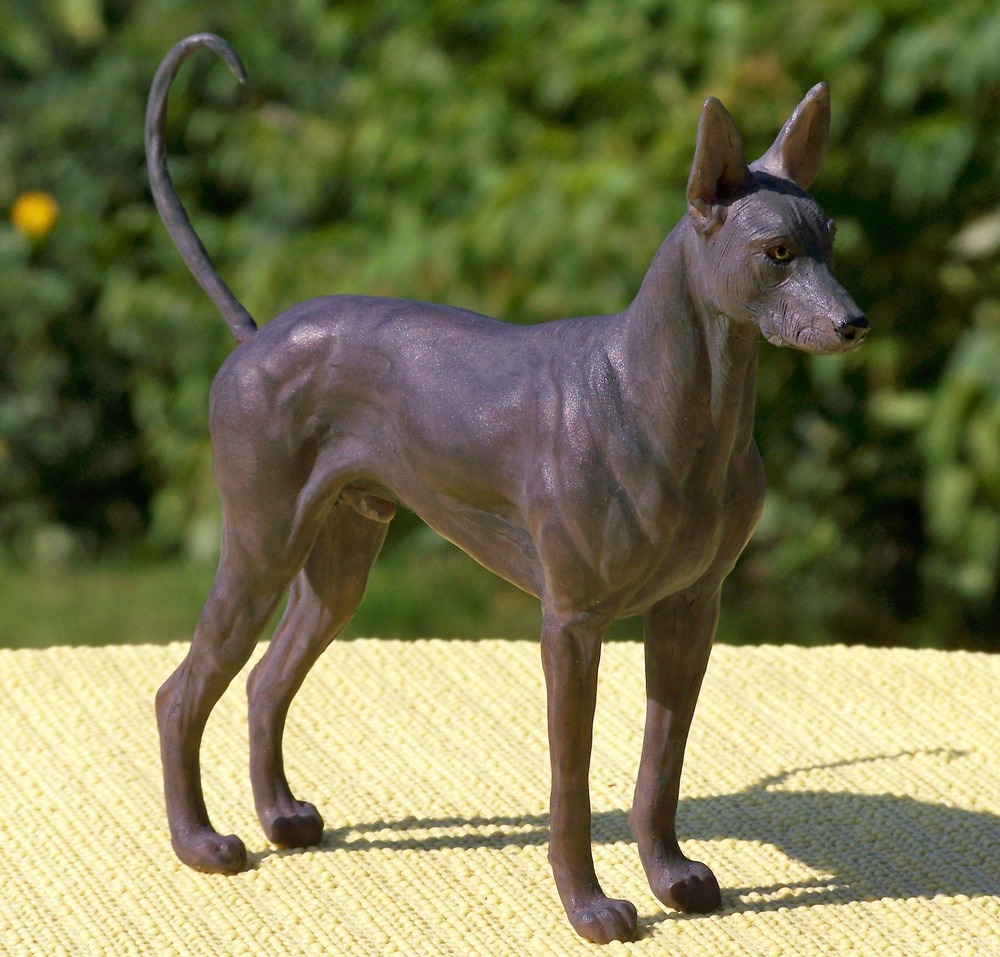
Most people do not struggle with “teaching tricks” so much as teaching calm, everyday skills: walking nicely on lead, settling when visitors arrive, and coping with new environments. With a responsive companion-type dog, short, consistent sessions often work better than long drills, particularly if the dog is sensitive to pressure.
Positive reinforcement, clear routines, and gentle exposure to the world tend to suit hairless breeds well. If a dog has had limited handling because their skin was treated as “delicate”, they may need extra practice with normal grooming, towel-drying, wearing a T-shirt or sun suit, and having paws and mouth handled calmly.
Exercise needs are typically moderate. A daily walk plus play is often enough, with extra mental work on days when weather makes outdoor time harder. Many owners find that simple enrichment, such as scent games, food puzzles, and basic agility-style movement at home, keeps the dog steady without overdoing intensity.
- Daily walk at a comfortable pace
- Play that avoids abrasive surfaces if skin is prone to rubbing
- Training games for recall, loose-lead walking, and “settle”
Skin care, sun safety, and grooming
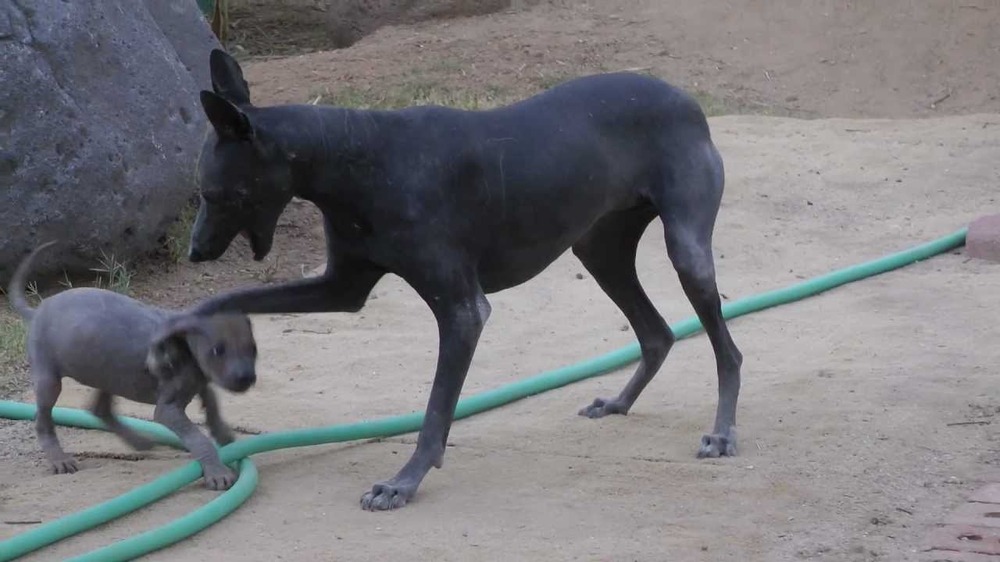
With a hairless dog, grooming is less about brushing and more about keeping skin comfortable. That can mean occasional bathing with a mild dog shampoo, thorough rinsing, and watching for blocked pores, irritation, or secondary infections if the skin barrier gets compromised.
Sun exposure is a genuine day-to-day issue. Veterinary guidance commonly recommends limiting strong sun, using shade and protective clothing, and using a dog-specific sunscreen where appropriate. Importantly, many human sunscreens can be risky if licked, and ingredients such as zinc oxide are a known concern for ingestion in pets.5, 6
If you use sunscreen, choose one made for pets, patch test first, apply to exposed areas (such as ear tips, nose bridge, and belly), and keep the dog busy briefly so they are less likely to lick it off. A light cotton shirt or purpose-made UV garment can be a practical solution for longer outings.
Moisturising can help some dogs, but it is not automatically helpful for every individual. If skin becomes greasy, spotty, or itchy after moisturiser, it is worth stopping and checking with a vet, since “dry” and “irritated” can look similar but need different care.
Health considerations and lifespan
Life expectancy is often described in the low to mid teens, although reliable data for very rare populations can be limited. The more useful approach is to focus on the predictable themes: skin management, sun protection, and dental care across the dog’s life.
Dental variation in hairless dogs is not just cosmetic. Research on hairless dog genetics and dentition describes patterns of missing teeth and altered tooth shape in hairless dogs linked to variants affecting ectodermal development.4 Even if your dog has a “normal-looking” mouth, regular checks and early dental habits are worth the effort.
Practical preventative care tends to look like this:
- Routine veterinary checks, with skin and mouth assessed each visit
- Tooth brushing training, plus vet-guided dental care as needed
- Monitoring for recurrent sunburn, which is both painful and avoidable with management
Feeding and nutrition, with skin in mind
Owners often link skin condition to diet, sometimes correctly and sometimes a bit too neatly. Good nutrition supports overall health, but skin flare-ups can also be driven by environment, sun exposure, harsh products, or secondary infection.
A sensible baseline is a complete, balanced diet appropriate to the dog’s life stage, with changes made slowly and with a clear reason. If you suspect food-related itching or recurrent stomach upsets, work with a vet rather than cycling through many diets quickly.
It is also worth remembering that hairless dogs are not automatically “low allergy” for humans. Allergy reactions are commonly linked to dander and saliva proteins, not fur itself, so a hairless coat does not guarantee an easy match for allergy sufferers.1
Living with a rare hairless dog
The Ecuadorian Hairless Dog tends to appeal to people who like close companionship and do not mind a little extra management around weather and skin. The care is not difficult, but it is attentive. You notice small changes, you adjust routines, and you learn what “normal” looks like for your individual dog.
Because the breed is rare, it is worth being cautious with big claims about “ancient purity” or easy availability. If you are considering a puppy, ask direct questions about health screening, dental status, skin issues in related dogs, and how puppies are socialised and handled. Good breeding looks boring, in the best way, because it prioritises steady temperament and sound care over novelty.
References
- American Kennel Club (AKC): “While no dog is 100 percent hypoallergenic… it’s the dander, not the hair…”
- Wikipedia (Spanish): Perro calvo dorado ecuatoriano (overview and regional origin notes)
- Wikipedia (Italian): Cane senza pelo ecuadoriano (overview and rarity notes)
- Kupczik et al., Scientific Reports (2017): The dental phenotype of hairless dogs with FOXI3 haploinsufficiency
- American Kennel Club: Dog sunscreen guidance and ingredients to avoid
- ASPCApro: Sunscreen and zinc oxide ingestion in pets
- ASPCA: Pets and sunscreen, myths and safety considerations
- Time: Veterinarian comments on dog sunburn risks and prevention
- RSPCA Victoria shop listing: Example of a zinc-free pet sun cream (product information)