

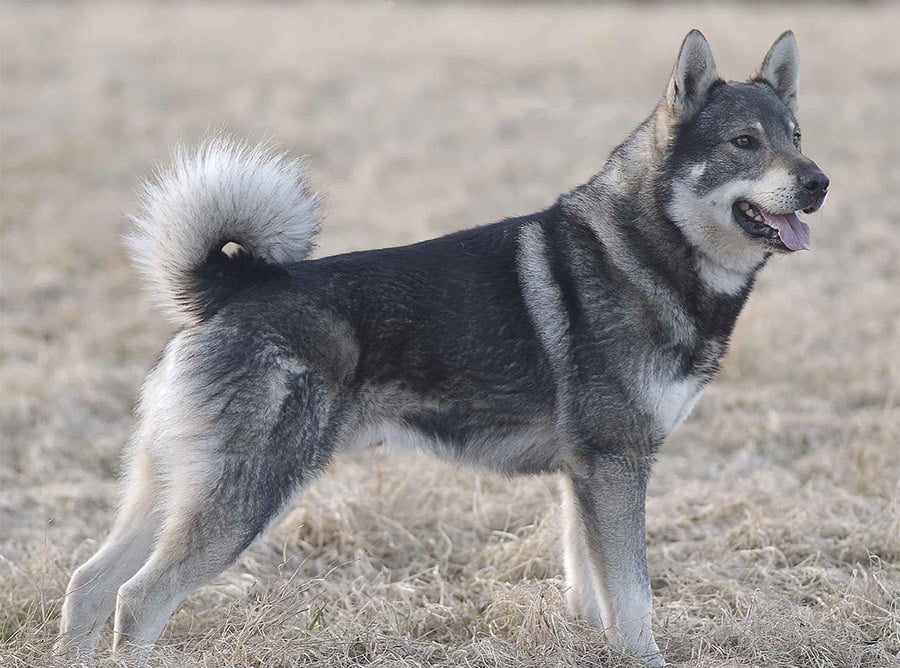
You might first notice a Jämthund because of its outline: a wolf-like silhouette on a lead, a thick grey coat, and a tail that curls neatly over the back. People often assume that a dog who looks this “wild” must be hard to live with, or that it will only be happy if it spends its life hunting. The reality is a little more practical, and more interesting.
Jämthunds were shaped by work that demands stamina, clear-headedness, and a willingness to make decisions at a distance from the handler. That heritage still matters in everyday life. It tends to show up as a dog who can cope with rough weather, who notices what is happening around the home, and who needs exercise that feels purposeful, not just repetitive loops around the block.
If you are considering the breed, or you have already met one and wondered what makes them tick, it helps to hold two truths at once: the Jämthund can be a steady, companionable family dog, and it is still very much a working spitz with strong hunting instincts and a need for meaningful activity.
At a glance: the Jämthund (Swedish Elkhound)
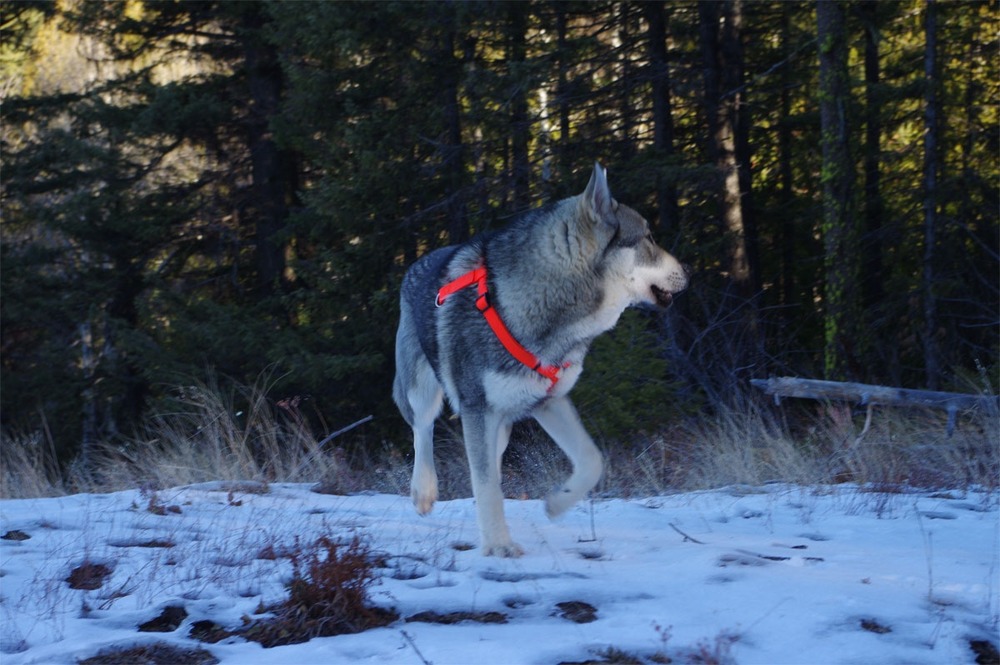
Breed type: Spitz hunting dog
Also known as: Swedish Elkhound
Country of origin: Sweden
Size: Large
- Male height: 57 to 65 cm at the withers
- Female height: 52 to 60 cm at the withers
Coat: Double coat with harsh outer coat and a softer undercoat
Typical lifespan: Commonly reported around 12 to 13 years (individuals vary)
Best suited to: Active, outdoorsy homes that can provide consistent training, secure fencing, and daily physical and mental work
Temperament and day-to-day behaviour
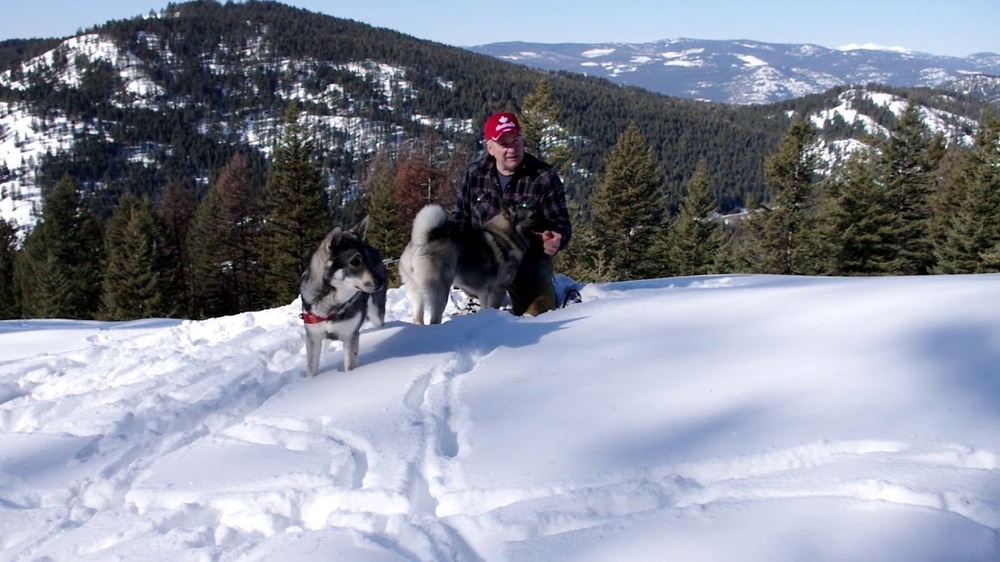
The Jämthund is often described as steady and capable, with a strong drive to work. In Sweden, breed descriptions commonly highlight a stable temperament with courage and a pronounced hunting instinct, plus an ability to work independently while still being cooperative with a handler.1
In a pet home, that mix can look like a dog who is affectionate with familiar people, observant around the property, and not especially impressed by being asked to do the same simple thing over and over. Many owners do best when they treat training as something woven into life, short sessions, clear boundaries, and tasks that feel like real jobs.
It is also worth remembering what “independent” can mean in practice. A Jämthund may pause to assess, choose a different route, or hold its focus on scents and movement longer than you would expect from a more handler-centric breed. This is not defiance as such, it is a trait that was useful in a hunting context, and it needs patient, consistent handling.
Key takeaway: plan for a dog who enjoys companionship, but also thinks for itself.
Exercise and enrichment needs
A Jämthund is not usually satisfied by a single daily stroll. Most do better with a routine that includes space to move, time to sniff and explore, and activities that use their brain. When people run into trouble, it is often because the dog is physically fit but mentally under-stimulated, or because exercise is provided in a way that ramps the dog up without giving it a chance to settle afterwards.
For adult dogs, aim for variety. Think bush walks, structured play, scent games, obedience and rally-style skills, tracking foundations, or jobs around the home such as carrying a pack on hikes (introduced carefully), searching for hidden items, or learning calm “place” behaviours after activity.
If you have a puppy, keep exercise sensible. Australian welfare guidance cautions against forced exercise for growing dogs, such as jogging, long fast walks, or repetitive high-impact games, and notes that larger breeds may continue growing up to around 18 to 24 months.2
- Helpful sign: after a good day, the dog can relax and switch off at home.
- Watch-out: constant pacing, nuisance behaviours, or rough play that escalates can be a sign the dog needs better structured outlets, not simply “more kilometres”.
Coat care and grooming
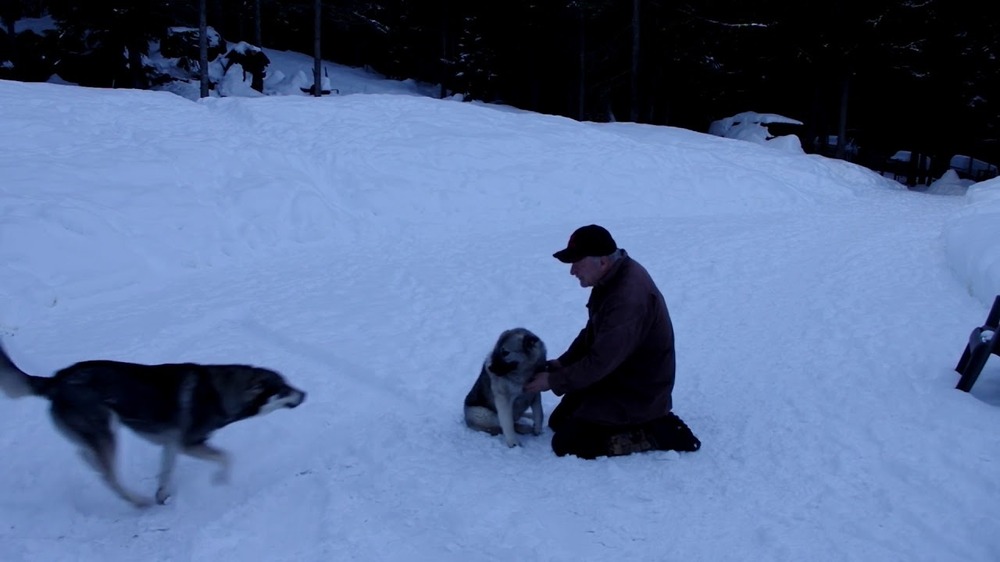
The breed’s double coat is designed to handle cold and wet conditions. In practical terms, it tends to be quite manageable most of the year, then becomes a serious brushing commitment during seasonal shedding. Swedish breed information describes the coat as double, with durable guard hairs and soft undercoat, and notes that bathing is done when needed rather than frequently.1
Regular brushing helps remove dead undercoat, reduces matting behind the ears and around the trousers, and gives you a quiet chance to check skin, ears, and feet. Many owners find it easiest to keep a simple routine and accept that there will be “coat weeks” where you brush more often.
Practical approach: brush routinely, bathe only when needed, and expect heavier shedding at times.
Health considerations to discuss with your vet and breeder

Jämthunds are generally regarded as robust working dogs, but no breed is free of risk. For large, active dogs, joints matter, and hip dysplasia is one condition that comes up often in broader canine health conversations. The Orthopedic Foundation for Animals (OFA) describes canine hip dysplasia as a condition linked to an abnormally developed hip joint, with clinical signs and severity influenced by multiple factors, including environment and exercise.3
Because this breed is relatively uncommon in Australia compared with some others, the most useful “health advice” is usually procedural: choose breeders who can show you what health testing they do, what they have seen in their lines over time, and how they match puppies to homes. If you are buying a pup, ask for evidence of screening that is relevant to the parents, and be open to your vet’s guidance on growth, weight management, and injury prevention in adolescence.
Good question to ask: “What health screening have the parents had, and can I see the results?”
Training, socialisation, and living well together
With spitz-type working dogs, a calm, consistent approach tends to do better than heavy-handed methods. You are building habits, not trying to “win”. The Jämthund can be cooperative, but many will disengage if training feels unfair, repetitive, or confusing.
Early socialisation matters, not as a box-ticking exercise, but as a way to teach the dog how to move through the world without becoming over-aroused or wary. Focus on neutral, well-managed exposure: people at a distance, traffic sounds, other dogs you trust, different surfaces, grooming handling, and quiet time away from constant activity.
If you have other pets, plan management from day one. A Jämthund’s hunting drive can be strong, so introductions should be slow and supervised, with secure separation options at home. Even in friendly individuals, it is sensible to assume that small animals and wildlife will be highly interesting.
Is a Jämthund a good fit for your home?
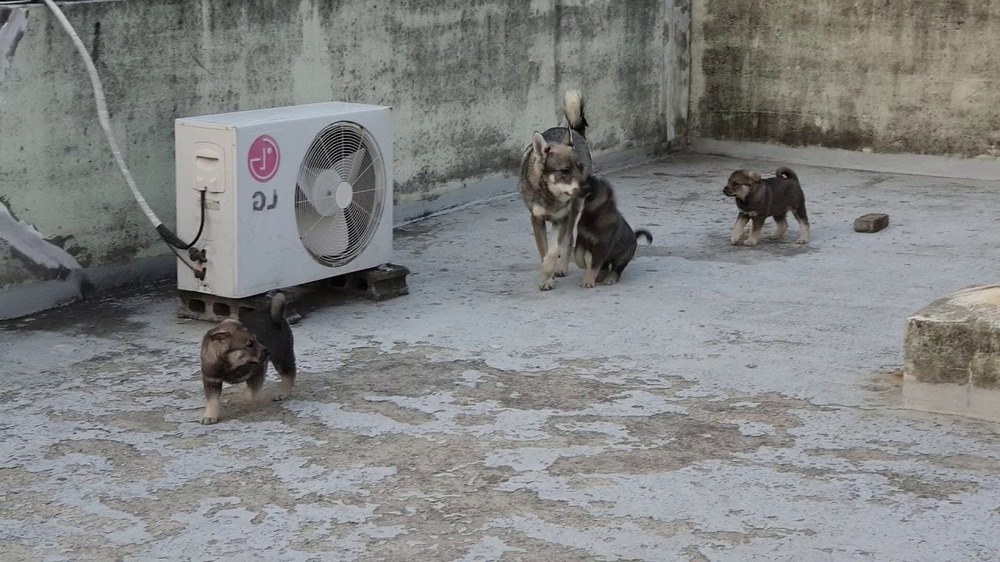
These dogs often shine in homes where their needs are met without fuss: daily outdoor time, human company, and training that continues well past puppyhood. They are commonly described as better suited to rural or semi-rural living, or to people who genuinely like being outside.
Australian guidance on choosing a dog emphasises thinking realistically about exercise, space, and mental stimulation, and ensuring your property can securely contain a dog.4
A Jämthund may be a good match if you can offer:
- Regular vigorous exercise plus time to sniff and explore
- Training that is clear, calm, and ongoing
- Secure fencing and thoughtful management around wildlife
- Company, they often prefer being involved in the day
It may be a harder fit if you want a low-drive dog who is content with minimal outdoor time, or if you have limited ability to manage prey drive and independent decision-making.
Breed history and recognition
The Jämthund is named after Jämtland in Sweden and belongs to a long tradition of Scandinavian hunting spitz dogs. Historically, these dogs were used for hunting large game such as moose (elk) and bear.5
Modern breed histories commonly note that the Jämthund was recognised as a distinct breed in 1946, after efforts by dedicated advocates within Sweden’s dog community.5 The official international standard is maintained through the Federation Cynologique Internationale (FCI), where the breed appears as Standard No. 42.6
In practical terms, this history explains a lot about the dog you see today: a strong, weather-capable animal bred to work at distance, stay with game, and keep going over challenging ground.
Breed organisations and finding support
If you want reliable information, start with national kennel bodies, specialist clubs, and breed standards. In Sweden, the Svenska Kennelklubben (Swedish Kennel Club) provides breed information, and the Svenska Jämthundklubben exists as a specialist club focused on the breed’s specific interests, including hunting work and breed knowledge.1, 7
Outside Sweden, recognition and club structures vary. If you are looking for a puppy or rescue support, it is still worth contacting local spitz, gundog, or hunting dog communities, and asking who has genuine experience with the breed, rather than relying on generic listings.
References
- Svenska Kennelklubben (SKK): Jämthund breed information
- RSPCA Australia Knowledgebase: How should I exercise my puppy?
- Orthopedic Foundation for Animals (OFA): Hip Dysplasia
- RSPCA Pet Insurance (Australia): Considerations when choosing a dog
- Wikipedia: Jämthund (overview and recognition history)
- FCI Breed Standard No. 42: Jämthund (PDF)
- Svenska Jämthundklubben: Official breed club
- Svenska Älghundklubben: Swedish Elkhound Club (special club within SKK)
- Svenska Kennelklubben: Jämthund breed standard (FCI 42) PDF