

Most people do not set out to learn dog first aid in a calm, organised way. They look it up after a near miss, a scary cough that will not settle, or a moment in the backyard where something just feels off. It is often ordinary life that tips into the unusual, a dog steals a kebab skewer, slips on wet tiles, or pants a bit too hard after a warm afternoon walk.
It is tempting to assume emergencies are rare, dramatic events, but many are quieter at the start. The difference between “keep an eye on it” and “get help now” is not always obvious in the moment. A small amount of preparation helps you act with steady, practical confidence, and it can also help you avoid well meant mistakes that make things worse.
First aid does not replace a vet. Think of it as the few minutes of support that can buy time and reduce harm while you organise urgent care.
Recognising when something is an emergency
Dogs are masters at carrying on, and that is part of what makes early warning signs easy to miss. A dog may keep following you from room to room, even while they are struggling. It helps to step back and look for patterns: what is different from your dog’s normal breathing, movement, posture, or responsiveness?
Signs that suggest urgent trouble
Some changes are worth taking seriously straight away, particularly if they come on suddenly or worsen quickly. Watch for:
- Breathing difficulty: noisy breathing, open mouth breathing at rest, repeated gagging without bringing anything up, or blue, grey, or very pale gums.
- Collapse or profound weakness: unable to stand, fainting, or extreme wobbliness.
- Uncontrolled bleeding or a wound that will not stop oozing with firm pressure.
- Seizures, sudden disorientation, or severe unsteadiness.
- Repeated vomiting, vomiting with blood, or diarrhoea with blood.
- Suspected heatstroke signs such as heavy panting, distress, vomiting, confusion, staggering, tremors, or collapse, especially on warm or humid days.1, 2
When to seek veterinary help now
If your dog is struggling to breathe, has collapsed, is having a seizure, or you suspect poisoning, treat it as time sensitive and contact a vet or emergency clinic immediately. If you are unsure, it is reasonable to call and describe what you can see, including when it started and whether it is changing.
A sensible first aid kit for dogs
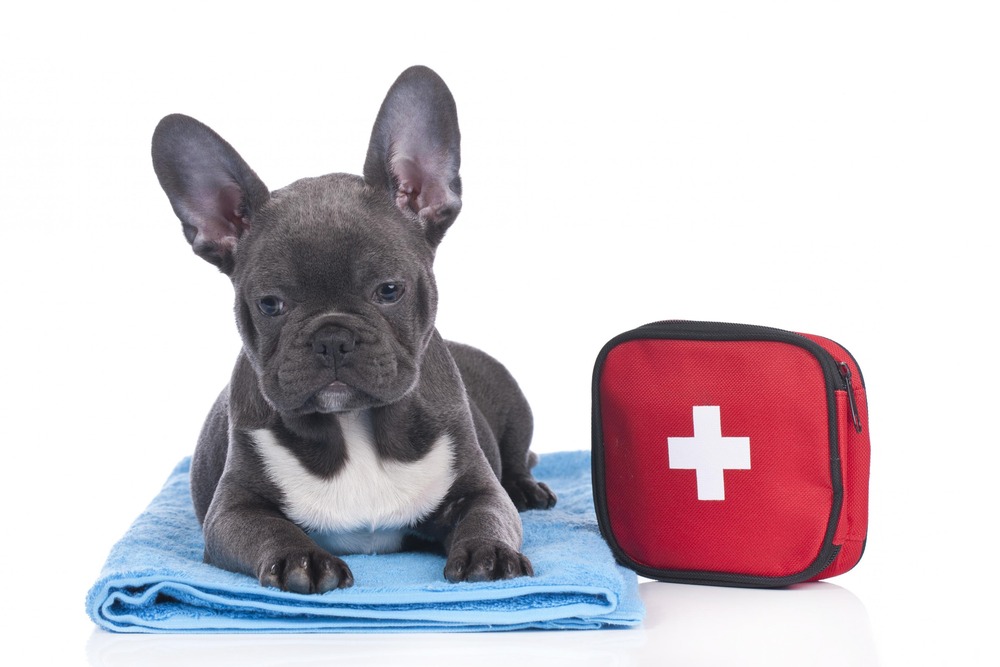
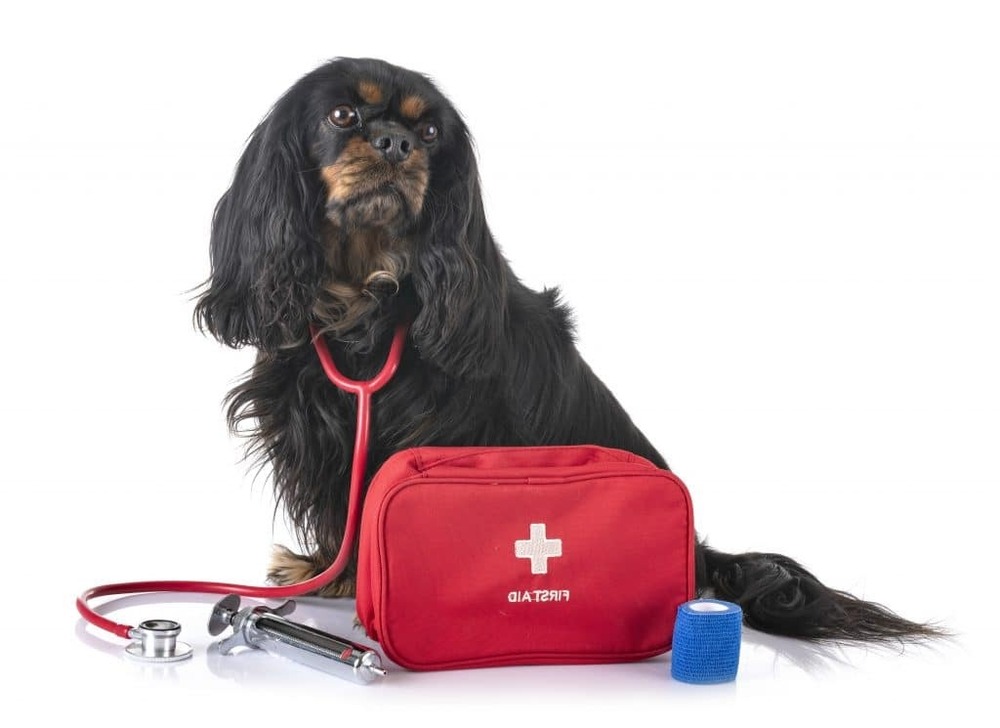
A first aid kit is less about buying a fancy bag and more about having a few basics in one place, so you are not hunting for gauze at midnight. Keep it somewhere dry, check expiry dates a couple of times a year, and take a smaller version in the car if you travel with your dog.
What to include
- Non stick wound dressings and sterile gauze pads
- Conforming bandage and adhesive tape (or self adherent bandage, used carefully)
- Saline (single use pods are handy) for rinsing eyes or flushing debris
- Blunt ended scissors and tweezers
- Disposable gloves
- Digital thermometer and water based lubricant
- A clean towel and a light blanket for warmth and transport
- A torch
- A basket style muzzle or soft muzzle, plus a note reminding you: do not muzzle a vomiting dog or any dog struggling to breathe
Tailoring the kit safely
If your dog has known medical needs, add what your vet has recommended, such as a spare supply of prescription medication. Be cautious with human medicines. Even common drugs, including some antihistamines and pain relief, can be unsafe at the wrong dose or for the wrong dog. If you want to include anything beyond basic supplies, ask your vet what is appropriate for your dog’s size and health history.
Approaching and handling an injured dog
An injured dog may snap, not because they are “being naughty”, but because pain and fear can change behaviour in an instant. Your first job is to reduce movement, reduce stress, and protect yourself so you can keep helping.
Safer ways to restrain and move your dog
Approach slowly, speak quietly, and avoid leaning over the dog’s face. If your dog can walk and it is safe, encourage them to move at their own pace. If they cannot, or you suspect a spine, pelvic, or major limb injury, aim for supportive, minimal movement.
- Improvised stretcher: slide a towel, blanket, or a firm board under your dog, then lift evenly at both ends.
- Small dogs: lift with one arm supporting the chest and the other supporting the hindquarters, keeping the body level.
- Muzzles: use only if needed for safety and only if your dog is breathing comfortably. Avoid if there is vomiting, facial trauma, or breathing difficulty.
Helping a dog settle
Keep things quiet and predictable. Reduce handling, dim the lights if possible, and keep other pets and children away. Your goal is not to “cheer them up”, it is to lower arousal and prevent escalation while you assess and get help organised.
Common emergencies and first aid that helps
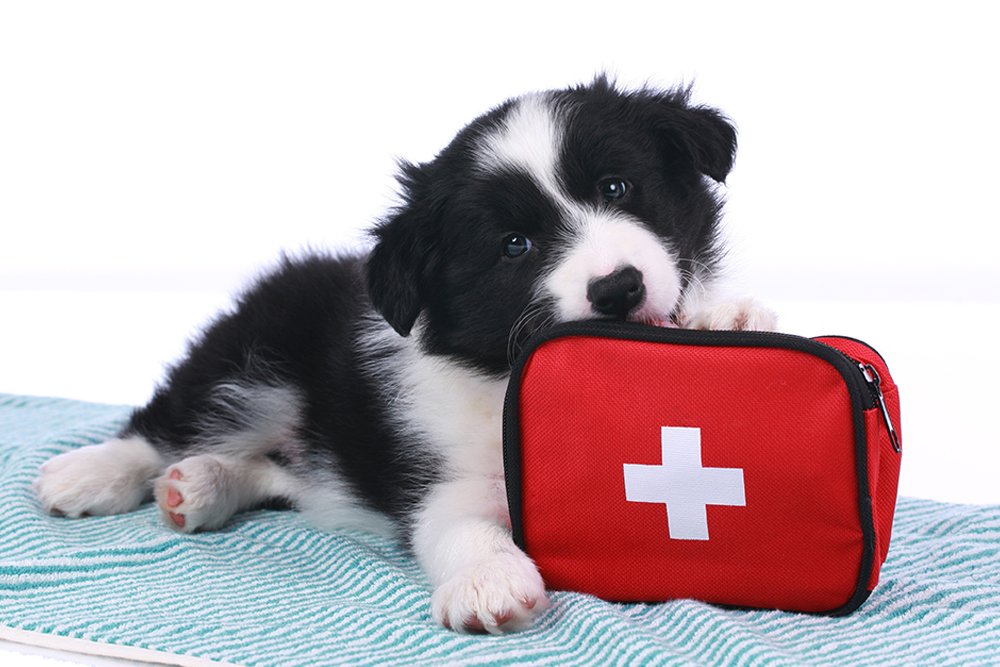
First aid works best when it is simple. In many situations the most helpful steps are: stop further harm, support breathing and circulation, and get to a vet.
Cuts, wounds, and bleeding
If your dog is bleeding, apply firm, direct pressure with a clean dressing or cloth. Hold pressure continuously for several minutes before checking. If blood soaks through, add another layer on top rather than removing the first one (pulling it off can restart bleeding).
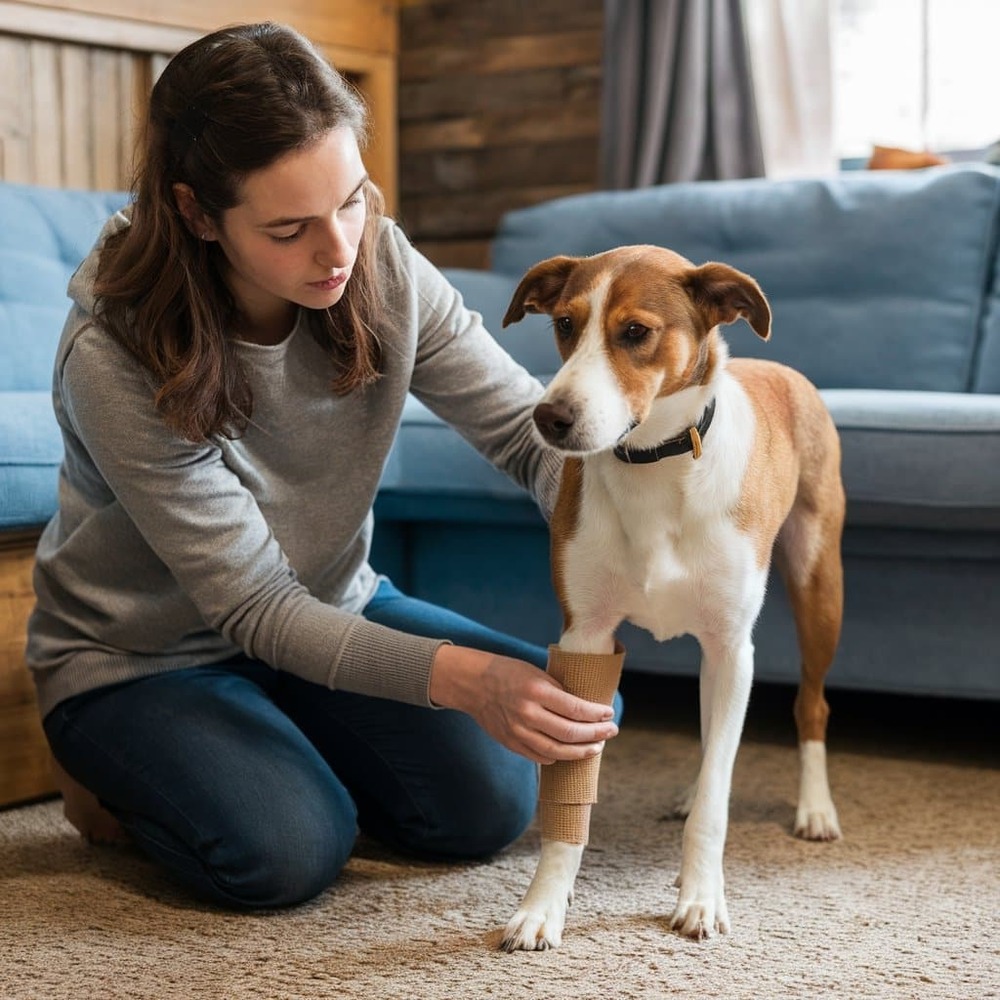
Once bleeding is controlled, cover the wound with a non stick dressing and a light bandage to protect it on the way to the vet. Avoid tight wraps. Swelling can develop quickly, and a bandage that is too snug can cut off circulation.
Choking and airway obstruction
Choking can look like gagging, pawing at the mouth, loud or strained breathing, or sudden panic. If your dog will let you, open the mouth and look for an obvious object. Use care: dogs may bite when frightened or short of breath.
If your dog cannot breathe, abdominal thrusts can be used to try to dislodge an obstruction, but it is easy to do harm if you are unsure. If you can, get guidance from a vet or a reputable first aid resource, and seek urgent veterinary care afterwards, even if the object seems to come out.4, 5
Heatstroke
Heatstroke is a genuine emergency. Move your dog out of the heat immediately. Start cooling with tepid to cool water on the coat and skin, and increase airflow with a fan or air conditioning. Avoid ice and very cold water, which can make things worse. Offer small sips of water if your dog is alert, but do not force them to drink. Then go straight to a vet, even if your dog seems to improve.1, 2
Hypothermia
If your dog is very cold, wet, or shivering and seems weak, warm them gradually. Dry them, wrap them in a blanket, and keep them in a warm, quiet place. Avoid intense direct heat (such as hot water bottles against the skin) because it can burn and can also cause unstable warming. Contact a vet promptly, particularly for small dogs, puppies, or older dogs.
Poisoning and dangerous ingestion
Poisoning is one of the situations where “something you read online” can go wrong fast. The safest starting point is: call for advice first. Do not induce vomiting unless a vet or a poisons service tells you to, as this can be dangerous with some substances.6, 7
If you can, collect the packaging, note the time, estimate the amount, and take a photo of the ingredient list. In Australia you can contact the Animal Poisons Helpline (24/7).8
CPR and rescue breathing for dogs
CPR is for a dog who is unresponsive and not breathing normally. If you are alone, the balance is always between starting CPR and getting to a vet quickly. If there is someone with you, ask them to call the nearest emergency vet while you begin.
Dog CPR basics
Position your dog on their side on a firm surface. If you cannot confirm breathing and a heartbeat quickly, start compressions. Compress the chest about one third to one half of its width at a rate of 100 to 120 compressions per minute. Use cycles of 30 compressions followed by 2 rescue breaths, checking briefly every couple of minutes for any return of breathing or a heartbeat.3
Rescue breaths when the heart is beating
If your dog has a heartbeat but is not breathing, close the mouth gently, extend the neck to open the airway, and breathe into the nose until you see the chest rise. Continue while arranging urgent veterinary care. If you are uncertain, start compressions and seek emergency help immediately.3
Getting to the vet safely
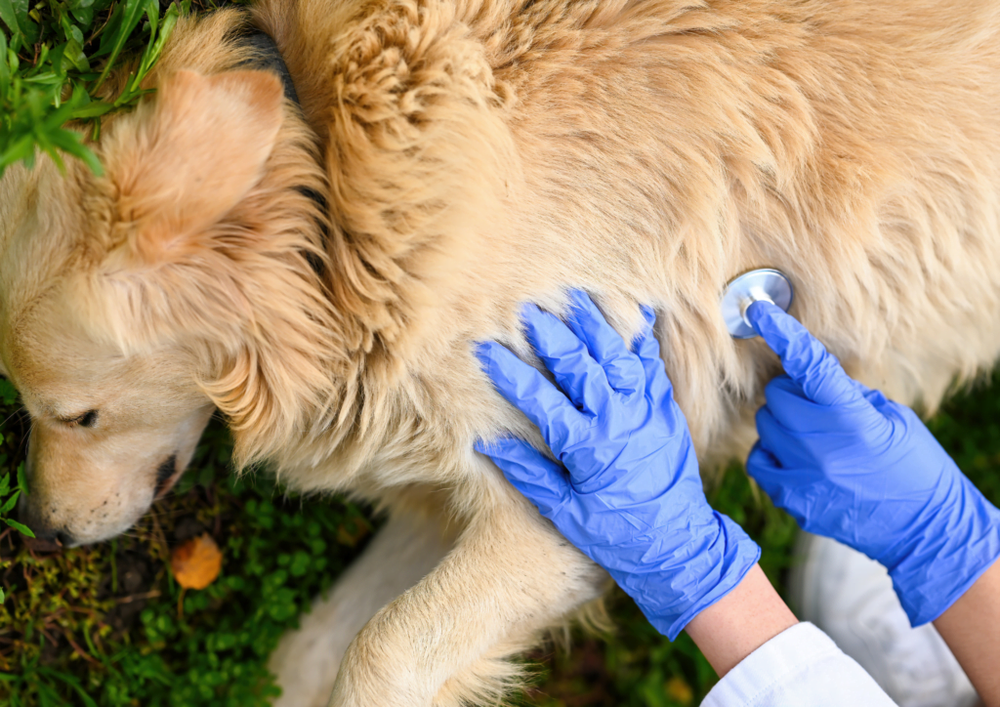
Transport is part of first aid. A calm, supported trip can prevent a manageable injury from becoming a worse one. If you can, call the clinic on the way so they can prepare, and ask whether there is anything they want you to do, or not do, before you arrive.
In the car
- Keep your dog as still as practical, using a towel or blanket to support the body.
- Use a crate, harness seatbelt, or a second person to prevent slipping or sudden jumps.
- Bring any relevant information with you, including what happened, when it started, and any medications your dog is on.
Prevention that actually reduces emergencies
Prevention is rarely perfect, but a few routines genuinely reduce risk. Most are simple changes in environment and supervision, rather than “training harder”.
Small habits that make a difference
- Keep human medication, cleaning products, and bait stations secured well out of reach.
- Check chew toys regularly and bin them when they start to break down into chunks.
- In hot weather, adjust walk times and avoid hot pavement. If it is too hot for the back of your hand, it is too hot for paws.2
- Teach and regularly practise a solid “leave it” and “drop” for safer everyday management.
Health care as prevention
Regular check ups help you spot changes early, especially in older dogs where breathing, heart health, mobility, and dental disease can quietly affect resilience. Keeping vaccinations and parasite prevention up to date also reduces the chance that an illness becomes an emergency.
References
- RSPCA Pet Insurance: Heatstroke guide for cats and dogs
- RSPCA Australia: Keeping your pet safe during the heat
- American Red Cross: How to perform CPR on a dog
- American Red Cross: How to help a dog choking
- PetMD: How to perform the Heimlich manoeuvre for dogs
- ASPCA: What to do if your pet is poisoned
- RSPCA (UK): Dog poisoning advice
- Animal Poisons Helpline (Australia): Contact and hotline details