

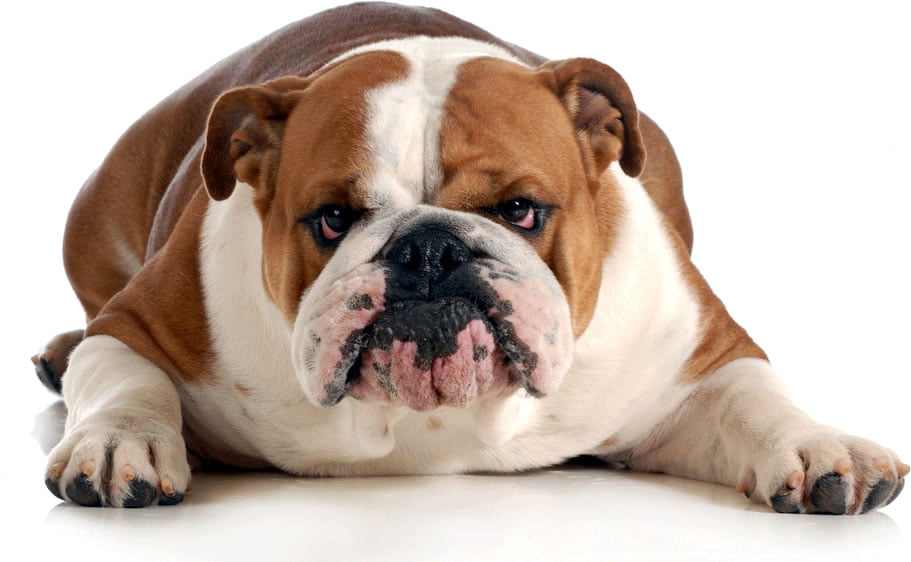
You might notice it on a warm afternoon walk: the Bulldog who seems keen to come along, then quickly starts snuffling, stopping, and sitting down as if the outing has suddenly become too much. Or it might be the everyday sounds at home, the heavy breathing, the snoring, the little noises that can be easy to brush off as “just what Bulldogs do”.
English Bulldogs have a way of looking solid and unbothered, as if they are built for effort. In reality, many are built in a way that makes ordinary dog activities harder, especially in heat, during exercise, or when carrying extra weight. That mismatch between appearance and comfort is where most Bulldog care decisions begin.
They can be affectionate, steady companions, and they can also require very practical, sometimes veterinary-led support. For anyone living with, or considering, an English Bulldog, it helps to understand what is normal for the breed, what is a sign of trouble, and how to set up daily life so your dog can move through it with ease.
English Bulldog at a glance
The English Bulldog (often simply called the Bulldog in the UK) is a medium, compact, smooth-coated dog originally developed in England. Today, the breed is best known as a companion with a distinctive head shape, heavy front, and a characteristic rolling gait.
- Group: Utility (UK) or Non-sporting (some registries)
- Height: commonly around 31 to 40 cm at the shoulder
- Weight: varies by sex and individual build, many adults fall in the high teens to mid twenties (kg)
- Coat: short and smooth, moderate shedding
- Typical lifespan: often quoted around 8 to 10 years, with wide variation depending on health and breeding
- Watch-outs: breathing efficiency, heat tolerance, skin folds, eyes, joints, and weight management
A brief history, and how the modern Bulldog came to be
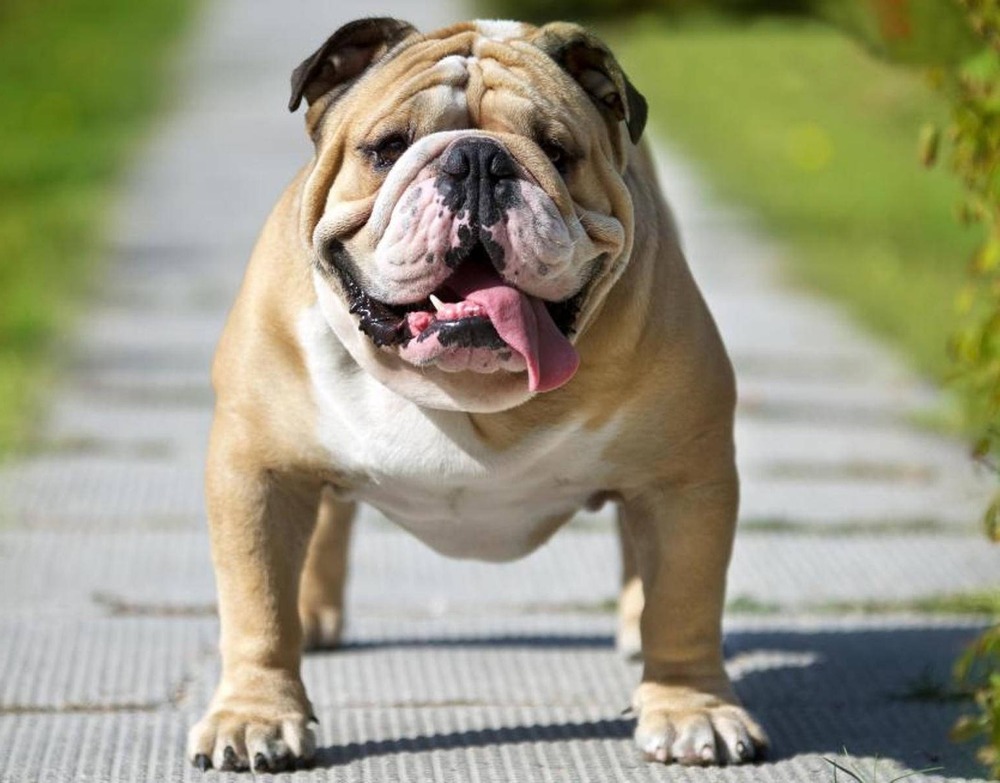
The Bulldog’s early history is tied to blood sports, including bull-baiting, which were eventually outlawed in the UK. After that change, the dogs that remained were shaped by different priorities, including companionship and a calmer, more manageable temperament.
Over time, the breed also became closely linked with British symbolism, often used as a visual shorthand for toughness and determination. This cultural role tends to focus on the Bulldog’s look and “spirit”, while the day-to-day reality is more about comfort, function, and good management.
In recent decades, there has been increased attention on how exaggerated physical traits affect health, particularly in brachycephalic (flat-faced) breeds. Breed standards and health schemes have been updated in response, with a stronger emphasis on soundness and breathing rather than extremes of shape.1, 2, 3
Looks and movement: what is typical, and what is worth questioning
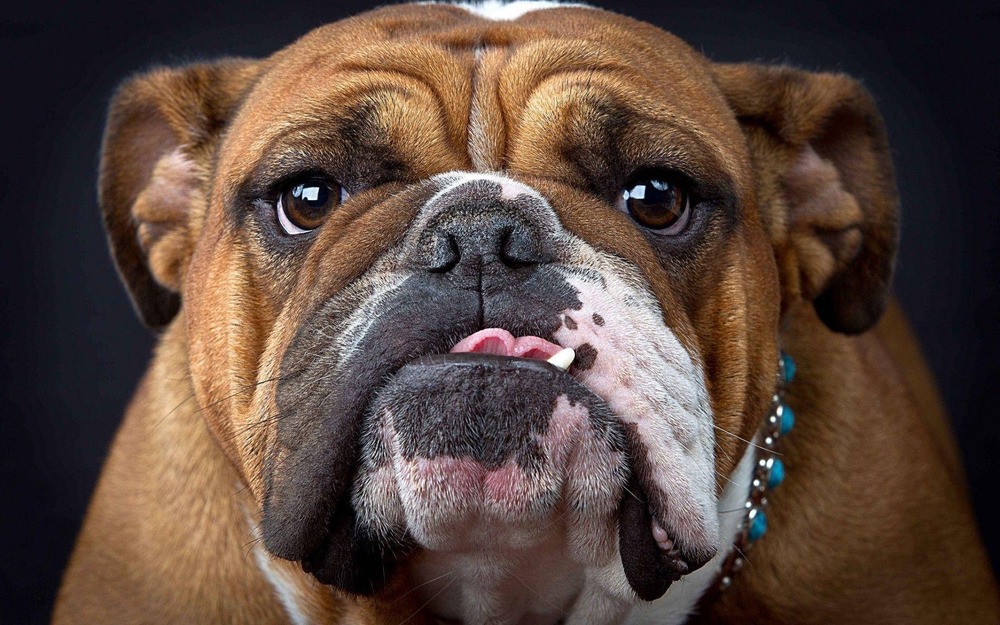
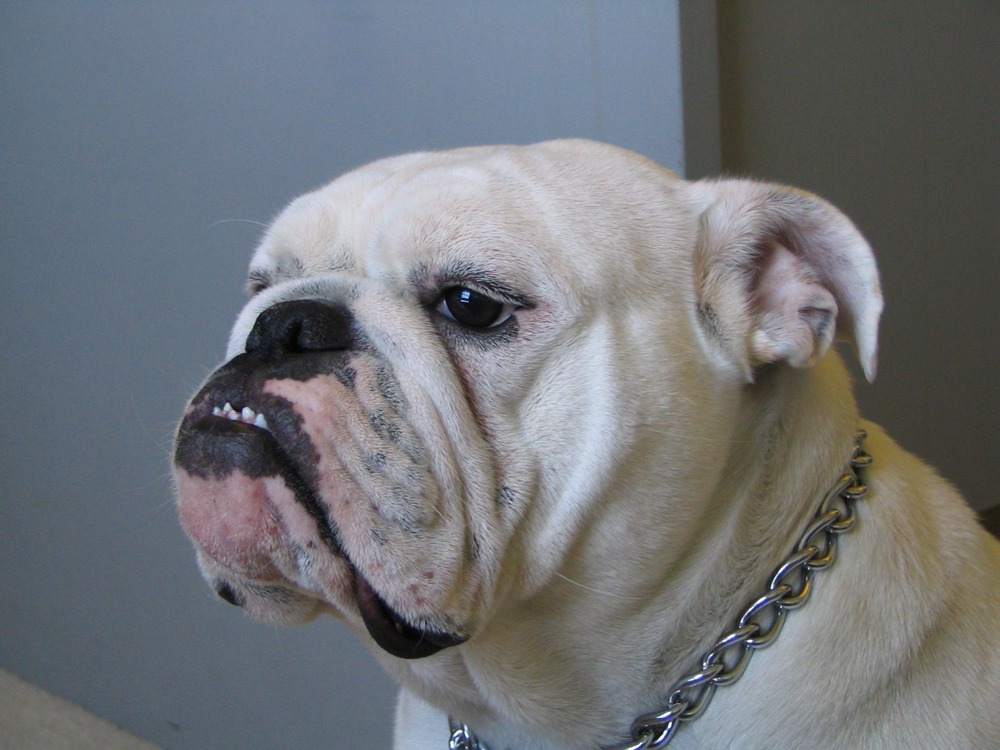
Bulldogs are instantly recognisable: a broad head, short muzzle, heavy shoulders, compact body, and a short coat in colours such as brindle, fawn, red, and white. Many have a short tail that may be straight, corkscrewed, or tucked close.
It is common to hear people describe the Bulldog as “built like a tank”. A more useful way to think about Bulldog structure is that it can place extra demand on the body, especially the airway and joints. A dog can look robust while still finding normal exertion difficult.
When you are assessing a Bulldog, function matters more than aesthetics. A dog who can breathe quietly at rest, recover quickly after light activity, and move without obvious strain is showing you something important. The Kennel Club in the UK explicitly notes that exaggerations detrimental to health, welfare, or soundness are not acceptable in the breed standard.3
Temperament and family life
Many English Bulldogs are calm, people-oriented dogs who enjoy being near their family without needing constant activity. They often do well in smaller homes because they are typically not high-energy in the way that many working breeds are.
That said, temperament is shaped by both genetics and learning. A Bulldog who has been gently socialised, handled kindly, and rewarded for calm behaviour usually settles more easily into family routines.
Children, visitors, and other pets
Bulldogs are often described as good with children because they tend to be steady and not overly reactive. Still, their stocky build and enthusiasm in close quarters can knock small kids over, even without any intent. Supervision, and teaching children how to give the dog space, makes everyone’s life easier.
With other pets, early introductions and steady management matter. Many Bulldogs can live peaceably with other dogs and cats, but it is sensible to assume that individual variation is the rule. If you are unsure, work with a qualified trainer who uses reward-based methods.
Breathing and heat: the issues owners notice first
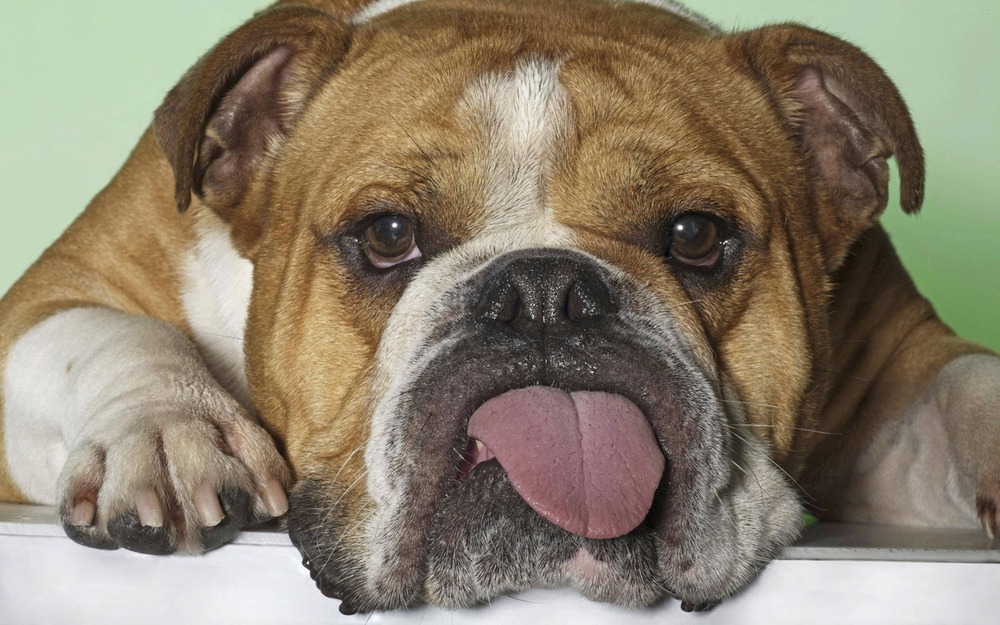
English Bulldogs are a brachycephalic breed, which means the skull shape is shortened. In many dogs, the soft tissues in the nose and throat do not shrink in the same proportion, so the airway can be partially obstructed. This is part of what sits behind brachycephalic obstructive airway syndrome (BOAS).1, 4
Owners often live with snoring and noisy breathing for years, assuming it is “cute” or inevitable. The more practical question is whether the dog can do normal dog things comfortably. Difficulty coping with warm weather, struggling to walk for long, or taking a long time to recover after light activity can all be signs that the airway is under strain.5, 6
Heat is a particular risk because dogs cool themselves largely through panting. If airflow is compromised, cooling becomes less effective. In Australian summers, even a mild-looking day can become uncomfortable quickly for a Bulldog, especially if humidity is up or the dog is carrying extra weight.5, 6
Everyday ways to reduce strain
- Walk in the coolest parts of the day and keep outings short and steady.5
- Use a harness rather than a collar to reduce pressure on the neck and airway.5
- Keep water available and prioritise shade and airflow at home.
- Take weight gain seriously, as it can worsen breathing difficulty.5, 6
If your dog shows signs such as repeated gagging, blue-tinged gums, collapsing, or distress in the heat, treat it as urgent and contact a vet immediately. For longer-term planning, ask your vet about BOAS assessment and what options are appropriate for your individual dog. Some dogs benefit from medical management, lifestyle changes, or in selected cases, surgical intervention.7
Training and exercise that suits the Bulldog body
Bulldogs often learn well when training is calm, consistent, and rewarding. They are not typically built for repetitive, high-intensity drilling, and many switch off if they feel pressured. Short sessions, clear cues, and high-value rewards tend to work best.
Exercise is less about “wearing them out” and more about maintaining mobility, muscle, and a healthy body condition without overheating or overloading joints. Think gentle walks, sniffing time, and play that stays within the dog’s comfort zone.
A simple, Bulldog-friendly activity menu
- Two to three short walks a day, adjusted for weather
- Sniff walks where the pace is relaxed and the dog can investigate
- Food puzzles and scatter feeding for low-impact mental work
- Basic cues (sit, down, touch, settle) with reward-based reinforcement
If you are unsure whether your Bulldog is getting the right amount of activity, use recovery as your guide. A dog who takes a long time to settle their breathing after a short walk, or who avoids movement the next day, is telling you the plan needs adjusting.
Health and daily care: what tends to matter most
Bulldogs can be prone to several health concerns linked to conformation, including airway problems, skin fold dermatitis, eye issues, joint disease, and dental crowding. Not every dog will experience all of these, but it helps to approach Bulldog ownership with a mindset of observation and early support.4, 6
Skin folds, ears, and the tail area
Wrinkles can trap moisture and debris, which can contribute to irritation and infection. Gentle, regular cleaning and thorough drying of facial folds is often part of normal Bulldog care. Some dogs also need attention around the tail area if there is a deep fold. If you notice redness, odour, greasiness, or persistent licking, speak with your vet rather than trying to manage it indefinitely at home.8
Joints and mobility
Bulldogs can be affected by orthopaedic issues, including hip and elbow dysplasia, and secondary arthritis. Weight management, appropriate exercise, and veterinary guidance can make a real difference to comfort over the dog’s lifetime.4
Routine veterinary care
Regular check-ups help you catch the slow, creeping problems that can be easy to miss day to day, such as gradual weight gain, dental disease, or worsening exercise intolerance. If you are purchasing a puppy, it is also reasonable to ask what health screening the breeder has done and what they can tell you about breathing, skin, and orthopaedic history in their lines.2
Feeding, weight, and the quiet importance of body condition
Bulldogs often love food, and it is easy for weight to creep on, particularly when exercise must be limited in hot weather. The tricky part is that extra weight does not just affect joints, it can also make breathing harder, which then reduces exercise tolerance further. It becomes a loop.
A practical way to stay on track is to monitor body condition, not just the number on the scales. Veterinary teams commonly use body condition scoring charts to assess fat cover and shape, which can guide feeding adjustments more accurately than guessing.9
Feeding habits that tend to help
- Measure meals and adjust portions gradually based on body condition
- Keep treats small and count them as part of the day’s intake
- Choose a diet that suits your dog’s life stage and health needs, with your vet’s input
- Use food enrichment (puzzles, scatter feeding) to slow eating and add mental activity
If your Bulldog has frequent gut upsets, itchiness, or recurrent ear or skin problems, diet may be one part of a broader picture. It is worth discussing a structured plan with your vet rather than cycling through random food changes.
Living well with an English Bulldog
At their best, English Bulldogs are gentle, humorous companions who fit neatly into everyday life. The care that helps them thrive is often simple, but it is also deliberate: cool walks, steady routines, clean skin folds, and a close eye on breathing and body condition.
Perhaps the kindest way to think about the breed is this: Bulldogs do not need to be pushed to live like athletic dogs. They need their world shaped so that normal life feels easy. When you get that balance right, many Bulldogs become quietly content housemates, happy to be wherever you are.
References
- The Kennel Club: Respiratory Function Grading Scheme
- The Kennel Club: The Kennel Club Health Standard
- The Kennel Club: Bulldog breed standard
- PDSA: Bulldog breed information and health issues
- RSPCA (UK): How to care for a flat-faced dog
- RSPCA Australia Knowledgebase: What do I need to know about brachycephalic dogs?
- The Royal Kennel Club: Brachycephalic breathing problems
- RSPCA (UK): Common health issues in flat-faced pets
- WSAVA: Global Nutrition Guidelines (including body condition score tools)