


You might first notice an English Cocker Spaniel in a park because of the way they move: busy nose, soft ears swinging, always seeming ready for the next interesting smell. Or you might meet one through friends and wonder how a dog that looks so sweet can have quite so much energy.
They are often described as “easy family dogs”, and many are, but that label can hide the everyday realities. An English Cocker Spaniel tends to do best when life includes regular walks, gentle training that makes sense to the dog, and a bit of routine around grooming and ears. Without that, the same qualities people love, enthusiasm, curiosity, persistence, can become hard work.
When the fit is right, though, they are wonderfully companionable. This is a sporting gundog at heart, bred to work closely with people, and many modern Cockers still carry that mix of softness and stamina into family life.
At a glance: the English Cocker Spaniel
Breed details vary slightly between kennel clubs, but the overall picture is consistent: a compact, athletic spaniel with a silky coat and a bright, biddable outlook.1
- Breed group: Gundog (Sporting)
- Origin: United Kingdom
- Height (approx.): Dogs 39 to 41 cm, bitches 38 to 39 cm
- Weight (approx.): 13 to 14.5 kg
- Life expectancy: Commonly around 12 to 14 years (individuals vary)
- Coat: Flat, silky, feathered
- Colours: Solid colours and particolours including roans (standards vary by club)
Where they come from, and why that still matters
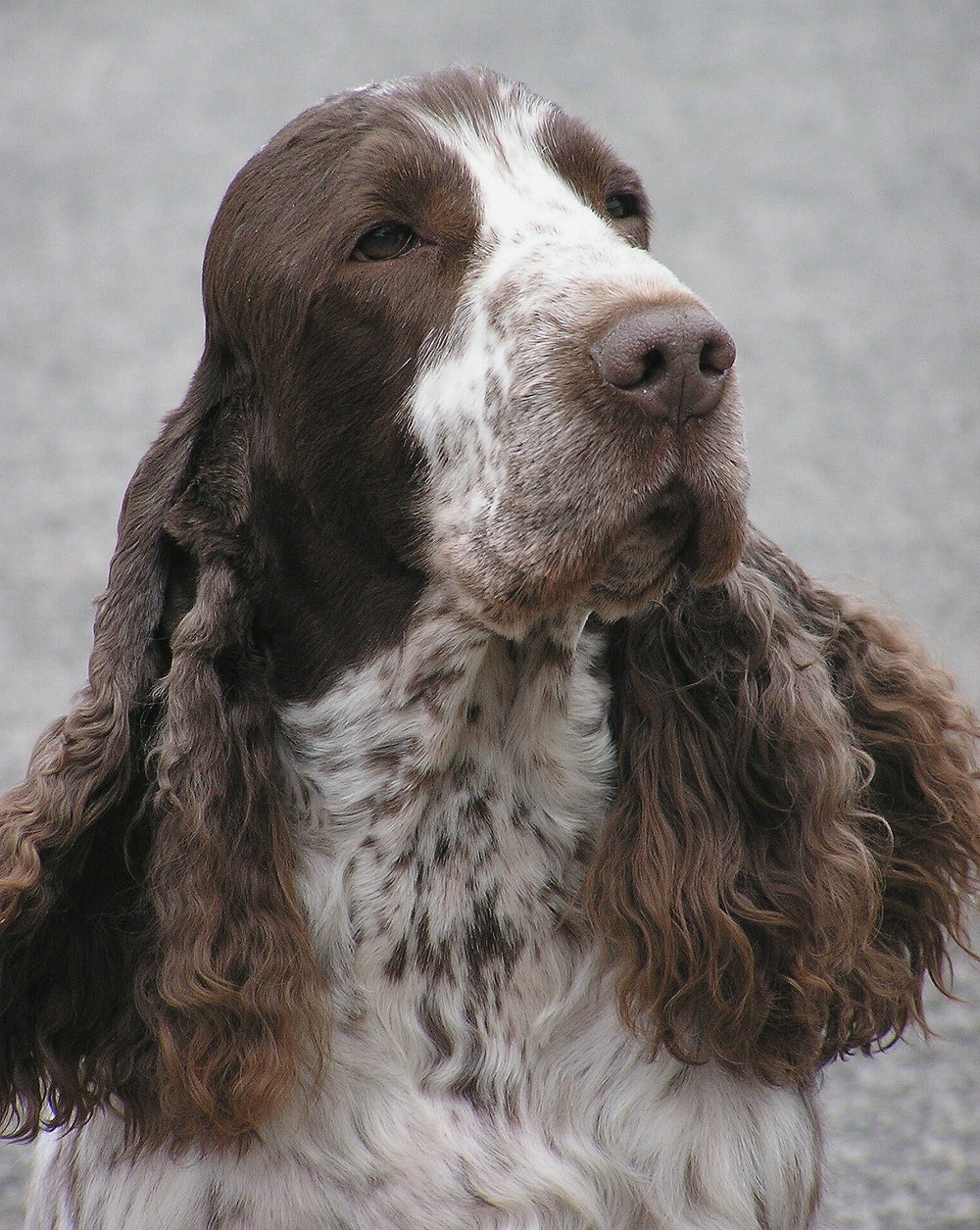
The English Cocker Spaniel was developed as a working gun dog, valued for flushing and retrieving game birds. Even in a suburban home, that history shows up in practical ways: a strong interest in scent, a willingness to keep moving, and a tendency to focus intensely on whatever seems rewarding in the moment.1
It can be tempting to treat those traits as “naughtiness”, especially in young dogs. Often it is simply normal spaniel behaviour that needs a job. The job can be ordinary, sniffy walks, food puzzles, short training sessions, or learning calm routines around the house. The goal is not to shut down their drive, but to give it a place to go.
Appearance and the traits people notice first

English Cockers are medium-small, solidly built, and slightly longer through the body than some people expect. The hallmark features are the long, low-set ears and the feathering on legs and body, which looks lovely but also collects burrs, grass seeds, and mud if your walks include long grass or bush tracks.1
There are also differences within the breed. Some lines are bred more for field work and may be lighter, faster, and more intense. Show lines often have more coat and a slightly different outline. Neither is “better”, but it helps to know which type you are bringing home because it affects daily management, especially exercise and grooming.
Temperament and family life

Many English Cocker Spaniels are sociable, people-focused dogs who like to be where the action is. In practice, that can look like following you room to room, checking in frequently, and seeking interaction. It is usually a good sign in a companion animal, but it also means they can struggle if left alone for long stretches with little stimulation.
With children, the match is often excellent when adults set things up well: calm greetings, supervised play, and teaching kids how to recognise when a dog needs space. With other pets, early, thoughtful socialisation matters, especially because some Cockers will chase birds or small animals outdoors simply because they are spaniels.
If you are choosing a puppy, time spent meeting the breeder’s adult dogs can tell you more than any description. Look for steady, friendly curiosity, and for adults who recover quickly from surprises.
Training and exercise: what actually works day to day

English Cockers tend to learn quickly, but “quick” can mean they also learn the habits you did not intend to teach. A dog who pulls to reach every smell is not being stubborn, they are practising a behaviour that works. The fix is usually consistency, reward-based training, and making the alternative worthwhile.
Useful approaches include:
- Short, regular sessions (a few minutes at a time), rather than long drills.
- Rewarding calm lead walking, check-ins, and coming when called, especially around distractions.
- Scent games at home or on walks, which can feel satisfying without needing high-impact running.
- Planned “decompression” walks where sniffing is allowed, balanced with practice walks where you focus on manners.
Exercise needs are best thought of as a mix of movement and brain work. A quick lap around the block is rarely enough for a young, healthy Cocker, but endless ball throwing can create a dog who only knows how to rev up. Aim for variety and recovery, not constant intensity.
Health considerations that come up often
No breed is free of health issues. With English Cocker Spaniels, ear health is a recurring theme because long, pendant ears reduce airflow and can trap moisture, which contributes to otitis (ear inflammation and infection). If your dog is prone to ear trouble, your vet can advise on an ear-cleaning routine and whether it is appropriate to keep ear hair trimmed or managed.2
Joint issues such as hip dysplasia are also seen across many medium breeds. Keeping your dog at a healthy weight and building steady fitness, rather than sudden bursts of unconditioned exercise, is one of the most practical ways owners can support long-term mobility.
If you are buying a puppy, ask for evidence of relevant health testing and discuss which conditions are most important in your area and within the lines you are considering. Choosing carefully up front is one of the few ways to reduce risk later.
Grooming, coat care, and the reality of those ears

The English Cocker’s coat is not “wash and wear”. For most families, brushing a few times a week prevents mats behind the ears, in the feathering, and under the collar or harness. Many owners also book regular professional grooming, partly for tidiness, and partly because it makes skin checks easier.
Ears deserve their own routine. After swimming, baths, or rainy walks, gently drying the outer ear and checking for smell, redness, or discharge can help you catch problems early. If your dog shakes their head, scratches at ears, or seems suddenly sensitive around the face, it is worth getting veterinary advice rather than trying to treat it at home.2
Feeding and weight: keeping the “merry” shape healthy

Spaniels, including Cockers, are well known for acting as though they are hungry. That does not always mean they need more food. A healthy adult dog should have an obvious waist and you should be able to feel ribs under a light covering of tissue. Your vet can help you choose a target weight and body condition score if you are unsure.
Practical habits that tend to work:
- Measure meals, then adjust based on body condition, not the back of the packet.
- Use part of the daily ration for training rewards, rather than adding extra treats.
- Choose a complete and balanced diet, and ask your veterinary team for advice if you want to feed fresh or mixed diets.
For nutrition guidance that is widely used in veterinary practice, the WSAVA Global Nutrition Committee resources are a sensible starting point, especially when you are comparing foods or trying to understand labels.3
Living well with an English Cocker in Australian conditions
Australian summers can catch any dog out, and a busy, enthusiastic spaniel may not self-regulate well when they are excited. Hot weather is a good time to shift exercise to early mornings or evenings, carry water, and avoid hot pavement. Learn the early signs of heat stress, and treat overheating as a genuine emergency rather than something to “wait out”.4, 5
It is also worth remembering that grooming can affect comfort. A well-maintained coat with mats removed allows better airflow to the skin. Your groomer can help you keep feathering tidy without taking the coat too short, especially if your dog spends time outdoors.
Final thoughts
The English Cocker Spaniel suits people who enjoy a dog that participates in life. They often thrive with kind structure, daily movement, and a bit of attention to grooming and ears. If you like training in small moments, do not mind some coat maintenance, and want a companion who is usually up for a walk and a chat, the English Cocker can be a deeply rewarding choice.
References
- The Kennel Club (UK): Spaniel (Cocker) breed standard
- RSPCA Knowledgebase: Signs of ear infections in dogs
- WSAVA: Global Nutrition Committee (resources and guidelines)
- RSPCA NSW: Heat stress in pets
- RSPCA Pet Insurance: Heatstroke (hyperthermia) guide for cats and dogs
- RSPCA Australia: Ways to avoid obesity in your dog
- United Kennel Club (UKC): English Cocker Spaniel breed standard
- RSPCA Australia: Warm weather worries, protecting pets from heatstroke