

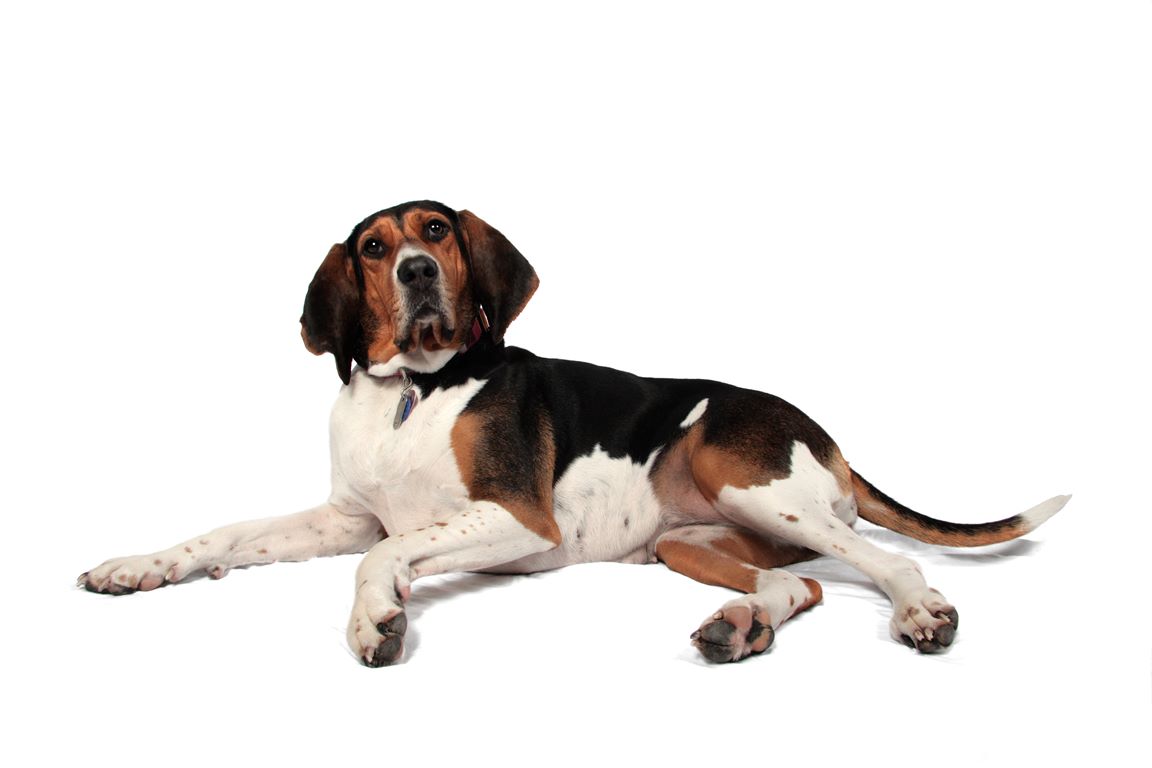
People often meet an English Foxhound in a very ordinary way: a calm, athletic-looking hound at a park, a rescue profile that mentions “hound voice”, or a dog who seems friendly enough until a scent hits the air and the rest of the world fades out. It can be puzzling if you are used to breeds that check in constantly, because a foxhound can look relaxed one moment, then become all business the next.
It also catches people out that “friendly” does not always mean “easy”. English Foxhounds were shaped to move for hours and make decisions in a group, not to potter around the house doing a few tricks for treats. When their needs line up with the home, they can be steady, sociable companions. When they do not, the same traits can show up as restlessness, wandering noses, and a lot of sound.
What matters in practice is matching the dog in front of you to the life you actually live. With foxhounds, the key questions tend to be about space, exercise, training patience, and how comfortable you are with a dog whose strongest instinct is to follow a trail.
- Breed group: Hound
- Origin: England
- Typical height: about 58 to 64 cm at the withers1
- Typical weight: commonly around 25 to 34 kg (individuals vary)2, 3
- Coat: short, dense, weatherproof1
- Typical lifespan: often around 10 to 13 years2, 3
Where the English Foxhound comes from
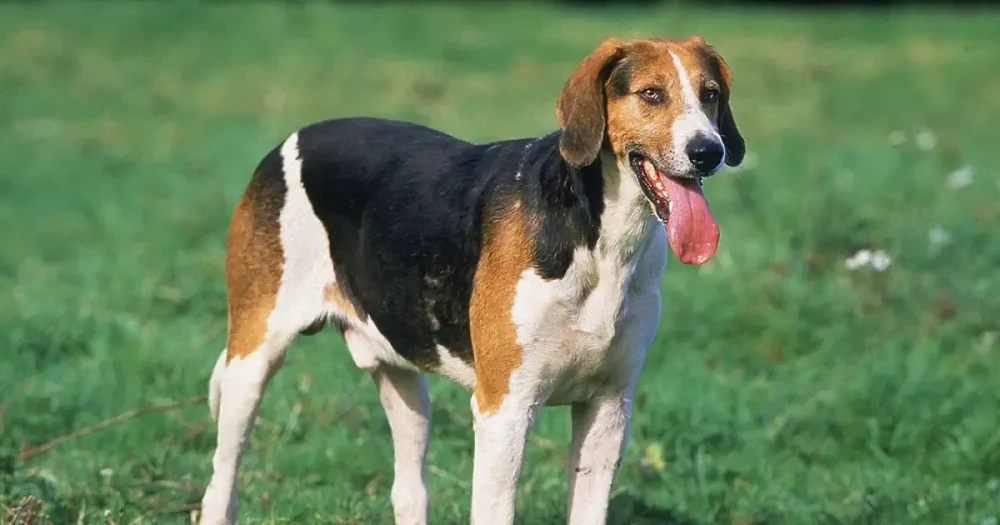
The English Foxhound was developed in Britain as a pack scenthound for mounted hunting. That heritage still shows up in the modern dog: an efficient trot, a willingness to keep going, and a natural comfort around other dogs.
It is tempting to reduce the breed to “built for fox hunting”, but what is more useful for owners is what that work required. A foxhound needed endurance over hours, a nose that could stay on a line even when it crossed roads and hedges, and the confidence to move with a group without constant human direction.
In Australia, Dogs Australia publishes a breed standard for the Foxhound that captures the essentials owners notice day to day, including the short dense coat, the deep chest, and the free-striding, tireless movement.1
Appearance and the traits people notice first

English Foxhounds are medium to large, athletic dogs with a balanced outline. They are not “heavy” in the way some people expect from a kennel hound, but they are solidly made, with a ribcage and legs designed to cover ground efficiently.
Coats are short and practical. Colour can be tricolour, bicolour, or other recognised hound colours and markings, depending on the line and the standard being referenced.1
If there is one physical feature that has a practical impact, it is the ears. Those low-set, folded ears suit the hound head, but they also mean it is worth being attentive to ear health and hygiene, especially if your dog is often wet, muddy, or running through long grass.
Temperament, voice, and “pack sense” at home
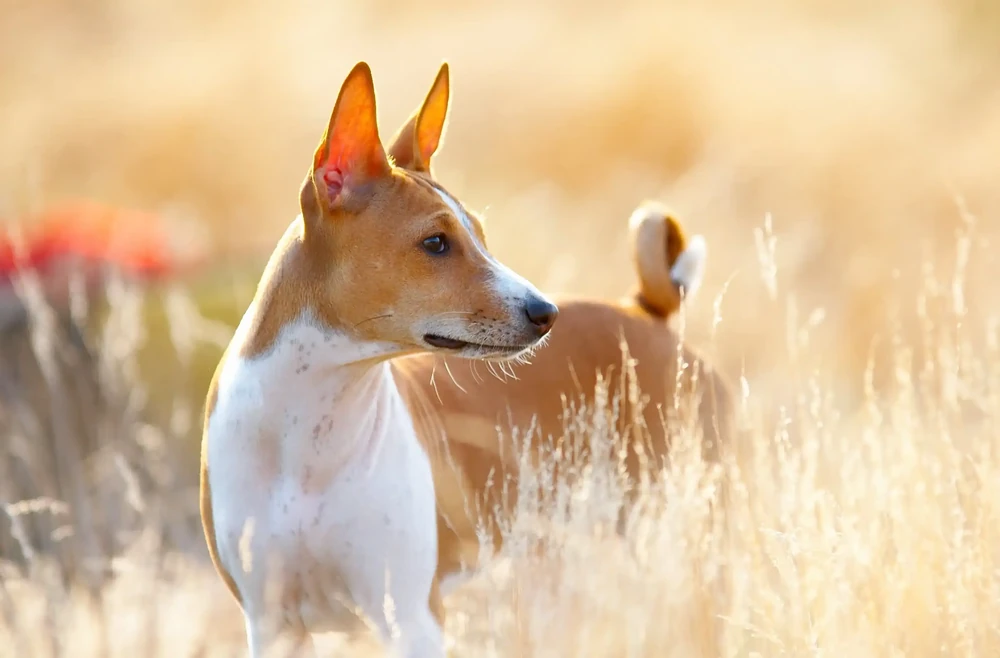
Well-bred English Foxhounds are typically sociable and even-tempered, particularly with people they know. Many are naturally dog-friendly, which makes sense for a breed designed to live and work in a pack.2, 3
They can also be vocal. Hounds communicate while moving, and that “baying” can be part of the breed experience. In suburbia, this is not a character flaw so much as a management task. Boredom, isolation, and under-exercise can make the noise side of life much harder.
It also helps to understand that a foxhound can be affectionate and still independent. Affection is not the same as biddability. Many will happily be near you, then choose the scent over the suggestion.
Training that suits a scent hound brain
Training an English Foxhound usually goes best when it is practical, consistent, and realistic about what motivates the dog. They often learn cues quickly, but the harder part is reliability around smells, movement, and excitement.
Positive reinforcement matters, but so does rehearsal of the right habits. For example, if your hound regularly practises pulling to scents on walks, that pattern becomes the default. Switching to a harness set-up that supports loose-lead walking, and rewarding check-ins early, can make a noticeable difference over time.
Useful focuses for many foxhounds include:
- Recall foundations in low-distraction areas before you expect anything in the real world.
- Calm lead skills, especially around other dogs and wildlife.
- “Find it” and nosework games that give the brain a job, rather than trying to suppress sniffing altogether.
- Comfort with being handled, including ears, paws, and mouth, so grooming and vet checks stay low stress.
Exercise and enrichment that actually helps

English Foxhounds tend to do best with daily activity that is more than a quick loop of the block. They were built for sustained movement, and many owners find that a single intense burst of exercise is less effective than a combination of walking, sniffing time, and structured play.
A good week often includes long walks with permission to sniff, safe off-lead running only where legal and secure, and simple scent games at home. The goal is not to “wear them out”, which can create a fitter athlete, but to provide enough outlet so the dog can settle.
If you live in a smaller space, enrichment becomes even more important. A foxhound can live in suburbia, but they are rarely happy as a purely indoor, low-activity companion.
Health considerations and sensible prevention

No breed is “problem free”, and individual dogs vary. In foxhounds, joint and ear issues are often mentioned by owners and veterinarians as things to watch. Hip dysplasia is a well-known developmental condition across many medium to large breeds, and maintaining a healthy body condition is one of the simplest ways to reduce strain on joints over a lifetime.4
Ear infections (often grouped under otitis externa) can have many contributing factors, including moisture, allergies, and ear shape. If your hound is shaking their head, scratching, or producing an odour or discharge, it is worth a vet visit rather than home remedies.5
Practical prevention usually looks like:
- Regular body condition checks and adjusting food to match activity.
- Prompt attention to ear irritation, plus gentle routine cleaning only when advised by your vet.
- Appropriate parasite control for your area and lifestyle.
- Keeping exercise sensible while young, and building fitness gradually.
Grooming, shedding, and the small routines that add up
The coat is one of the easier parts of living with an English Foxhound. A weekly brush is often enough to lift loose hair and keep the coat glossy. Many will still shed, just in short hairs that weave into fabric.
Nails, teeth, and ears are where consistent routines pay off. If you start gentle handling early, most foxhounds accept maintenance well, even if they would rather be outside following their noses.
Feeding and weight management for an active hound
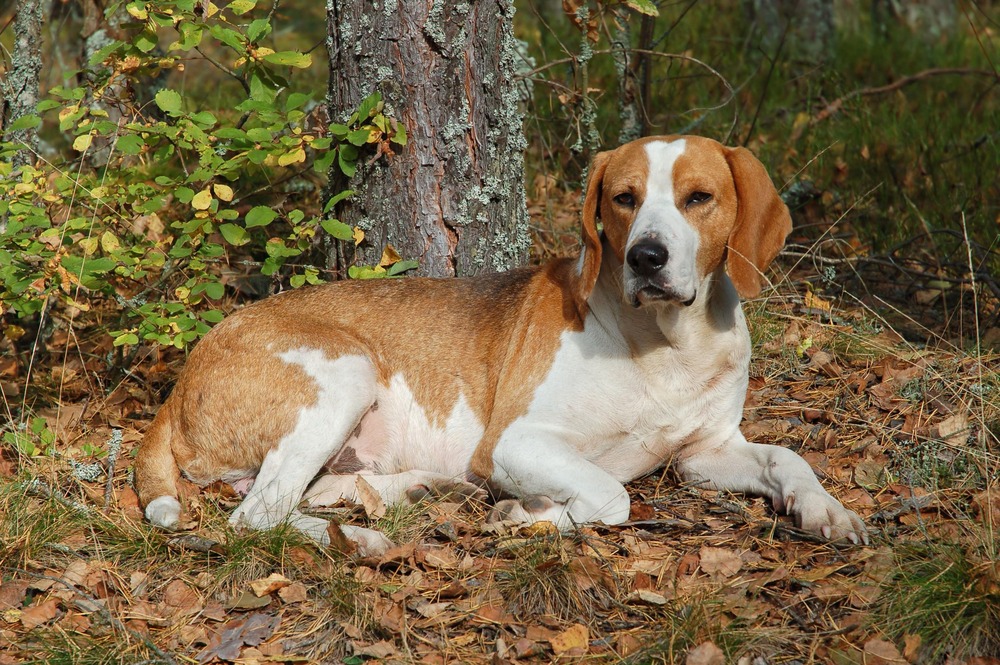
Foxhounds can look lean even when they are carrying extra condition, especially if they are fit and broad through the chest. The most useful approach is to feed for the dog you have, not the number on the bag, and review regularly with your vet.
If you are choosing a commercial diet, it helps to look beyond marketing and focus on whether the food is complete and balanced for your dog’s life stage. The WSAVA Global Nutrition Guidelines are widely used as a framework to support sensible, individual nutrition planning and to cut through common online confusion.6
It is also worth being cautious with table scraps and “people food”. Some everyday foods are genuinely dangerous to dogs, including chocolate, grapes and raisins, and onions and garlic.7
Is an English Foxhound a good match for your life?
English Foxhounds tend to thrive with people who enjoy being outdoors, who can provide space and structure, and who do not mind a dog that experiences the world primarily through scent.
This breed can be a lovely companion in the right home, but it is rarely a set-and-forget dog. Time and routine matter more than gadgets or perfect obedience. If you like long walks, do not mind a bit of hound voice, and can commit to training that respects the dog’s instincts, an English Foxhound can be deeply rewarding.
References
- Dogs Australia (ANKC): Foxhound breed standard
- Hill’s Pet Nutrition: English Foxhound breed information
- Wisdom Panel: English Foxhound breed facts
- VCA Hospitals: Hip dysplasia in dogs
- Royal Veterinary College: Otitis externa (ear inflammation) in dogs
- WSAVA: Global Nutrition Guidelines
- RSPCA Australia Knowledgebase: What should I feed my dog?