

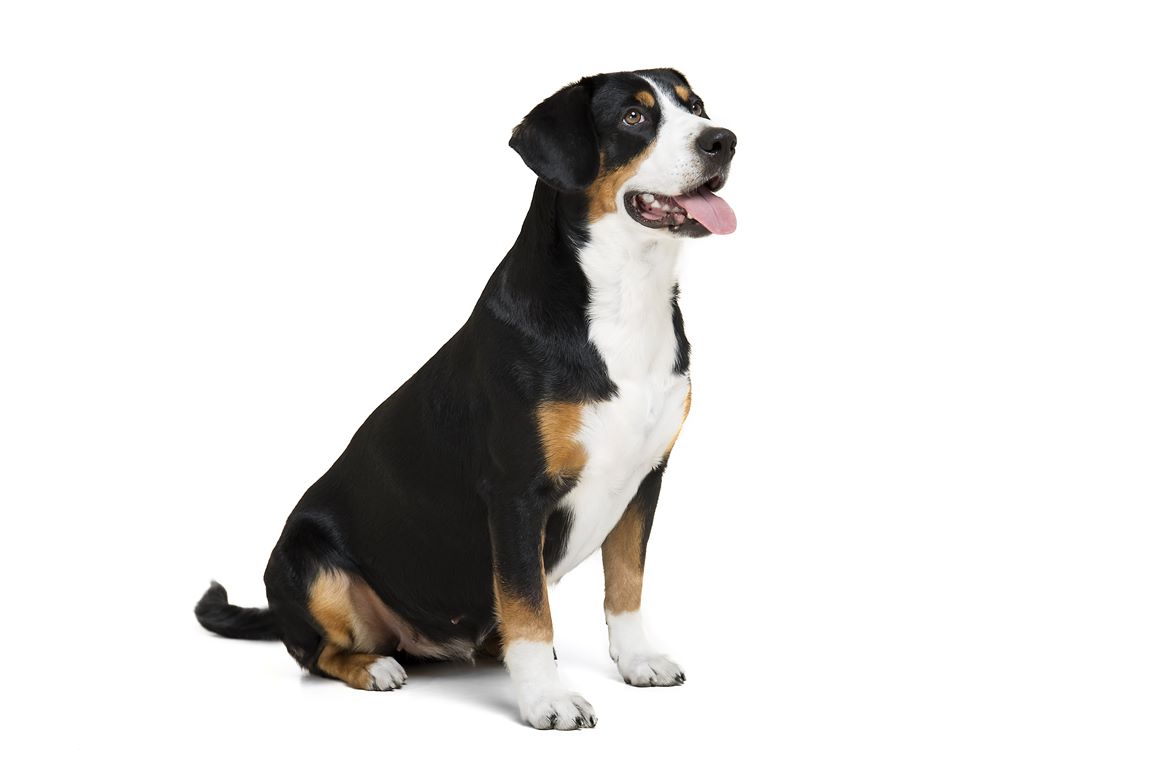
People usually come across the Entlebucher Mountain Dog in a pretty ordinary way, a photo of a striking tricolour dog with an alert expression, a mention in a herding group, or a conversation about “Swiss Mountain Dogs” that leaves you wondering what the smallest one is actually like to live with.
It is easy to assume that a compact working dog will “fit anywhere” if you just give it a walk. With Entlebuchers, the more useful question is how they like to spend their day. They were shaped to move livestock, think on the run, and stay engaged with their people, which can be wonderful when that energy has somewhere to go, and difficult when it does not.
For the right household, they can be deeply rewarding companions: sturdy, bright, and practical dogs that enjoy having a job, even if the “job” is training, sport, and being part of a busy routine. For others, they can feel like too much dog in a neat package.
- Breed category: Working dog (often grouped with herding type work)
- Country of origin: Switzerland
- Height: roughly 42 to 52 cm (sex and standard vary by registry)
- Weight: often around 20 to 30 kg
- Life span: commonly around 11 to 15 years
- Coat: short, dense, tricolour (black with white and tan markings)
- Exercise needs: high, benefits from daily physical and mental work
Where the breed comes from, and what it was built to do
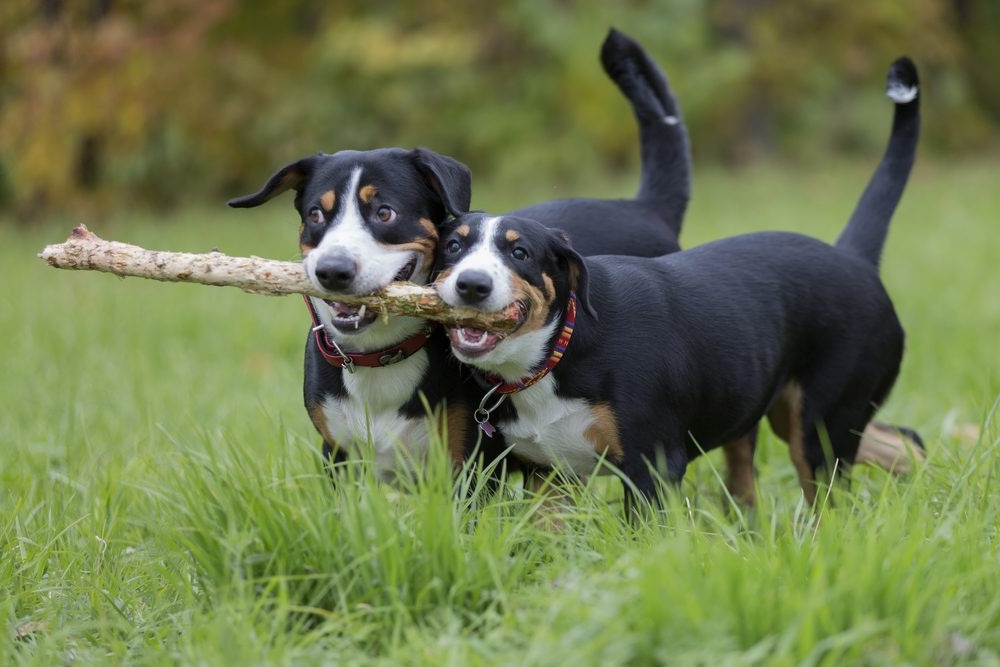
The Entlebucher Mountain Dog (Entlebucher Sennenhund) is the smallest of the four Swiss Sennenhund (Swiss Mountain Dog) breeds. Historically, Entlebuchers were used by Swiss farmers to move cattle and manage stock in alpine country, work that rewards a dog that is quick, agile, and persistent without being fragile.1
That working background is not just “history”. It often shows up in modern homes as a dog that likes to keep track of movement, solve problems, and stay close enough to be involved. Many owners describe a dog that is highly responsive once a relationship is established, and more selective about unfamiliar people than the stereotypical “everyone’s best mate” family dog.1
If you are choosing the breed because you want a capable all-rounder for training, dog sport, hiking, and structured play, those instincts can be a real strength. If you are hoping for a dog that will happily entertain itself in the backyard, the match can be harder.
Recognition milestones (why dates can look confusing)
In the United States, you will often see 2011 mentioned because the American Kennel Club granted the breed full recognition on 1 January 2011. Before that, Entlebuchers were in the Foundation Stock Service and then the Miscellaneous Class, which is why older sources sometimes list different “recognition” years depending on what stage they mean.2, 3
Temperament in day-to-day life
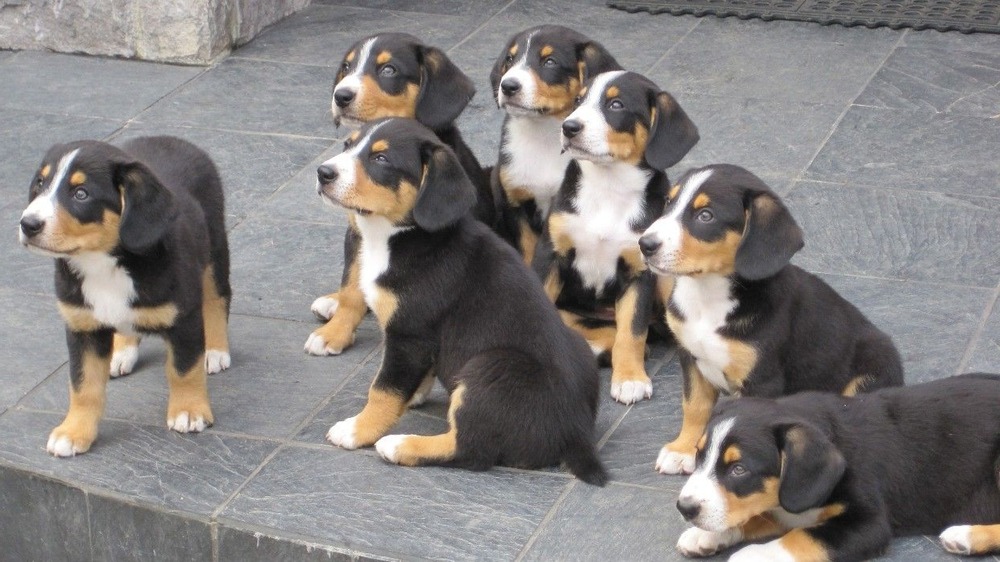
Breed standards describe the Entlebucher as confident, lively, and determined, with a willingness to work, and a tendency to be reserved with strangers. In practice, that can look like a dog that warms up through calm introductions, and that notices changes in its environment quickly.1
Most do best with people who enjoy training as part of normal life, not as a once-a-week chore. When you meet their needs, you often get a dog that is very tuned in, learns fast, and enjoys having clear rules and predictable routines.
Children, visitors, and other pets
Many Entlebuchers live well with children, particularly when the dog has been raised with appropriate boundaries and the kids have been taught respectful handling. As with any active herding type, supervision matters, especially around fast movement and noisy play, which can trigger chasing or “rounding up” behaviour.
With other pets, early socialisation, thoughtful introductions, and management around high arousal moments (doors, fences, exciting games) go a long way. If you are bringing an Entlebucher into a home with smaller animals, it is worth planning for structured settling and safe separation when you cannot supervise.
Training and exercise that suits a working dog brain
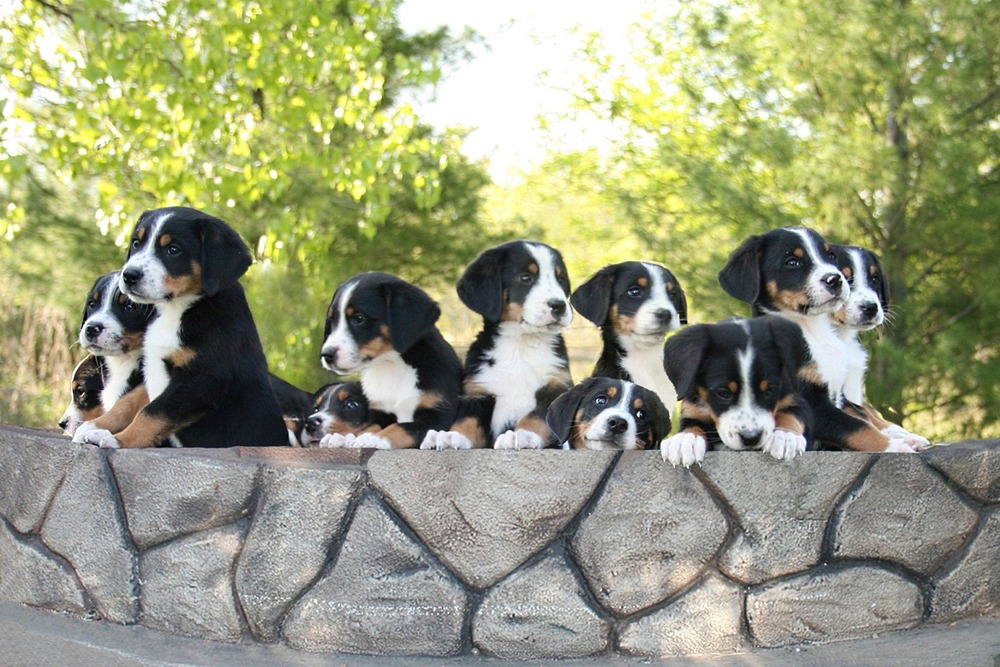
Entlebuchers tend to respond best to reward-based training that is consistent and practical. Their “busy” style means short sessions sprinkled through the day can be more effective than a single long drill, especially for adolescents.
Aim to cover three needs most days: movement, thinking, and recovery. The recovery part is easy to forget, but it matters. High drive dogs often need to be taught how to switch off.
- Physical exercise: brisk walks, jogging (once mature), hiking, fetch with rules, and safe off-lead running where legal and reliable
- Mental work: obedience games, scent work, puzzle feeding, shaping tricks, and short pattern games
- Life skills: calm greetings, settle on a mat, alone-time practice, and polite lead walking
If you notice rising nuisance barking, mouthiness, or frantic behaviour, it is often less about “stubbornness” and more about an under-filled day, or a day with plenty of activity but not enough calm structure.
Health considerations and preventative care
Entlebuchers are generally robust dogs, but like many medium working breeds they can be affected by inherited conditions. Commonly discussed issues include hip dysplasia and eye disease such as progressive retinal atrophy (PRA). Not every dog will face these problems, but they are important enough to factor into breeder choice and vet planning.4, 5
For hip health, keeping a dog lean is one of the most useful practical steps, because excess weight adds load to joints. If you are buying a puppy, ask what screening the parents have had, and what the breeder does to reduce risk across their lines. For eyes, ask what testing is done and how results are shared.
What preventative care looks like in real homes
- Regular veterinary checks, vaccinations, and parasite control appropriate to your area
- Weight management and age-appropriate exercise, particularly during growth
- Dental care at home, plus professional advice as needed
- Breed-informed discussions with your vet if you notice lameness, night vision changes, or unusual reluctance to move
Coat care, grooming, and the practical stuff
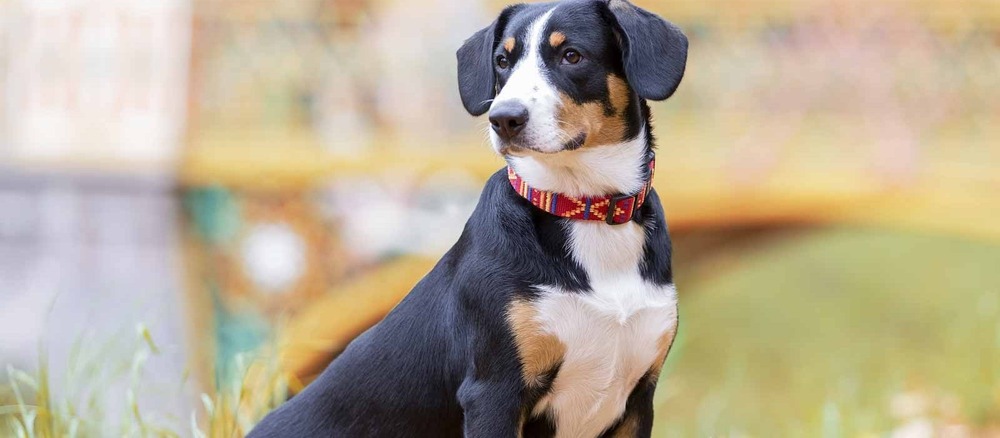
The Entlebucher’s coat is short and dense, and most owners find grooming fairly straightforward. A weekly brush will usually manage normal shedding, with a bit more brushing during seasonal coat changes. The goal is not perfection, it is keeping skin healthy and reducing loose hair in the house.
Pay attention to the simple maintenance tasks that prevent slow-building problems: nails that stay short enough for good foot posture, ears that are checked and kept clean when needed, and a quick body scan after bush walks for grass seeds, ticks, or small cuts.
Feeding an Entlebucher, without overthinking it
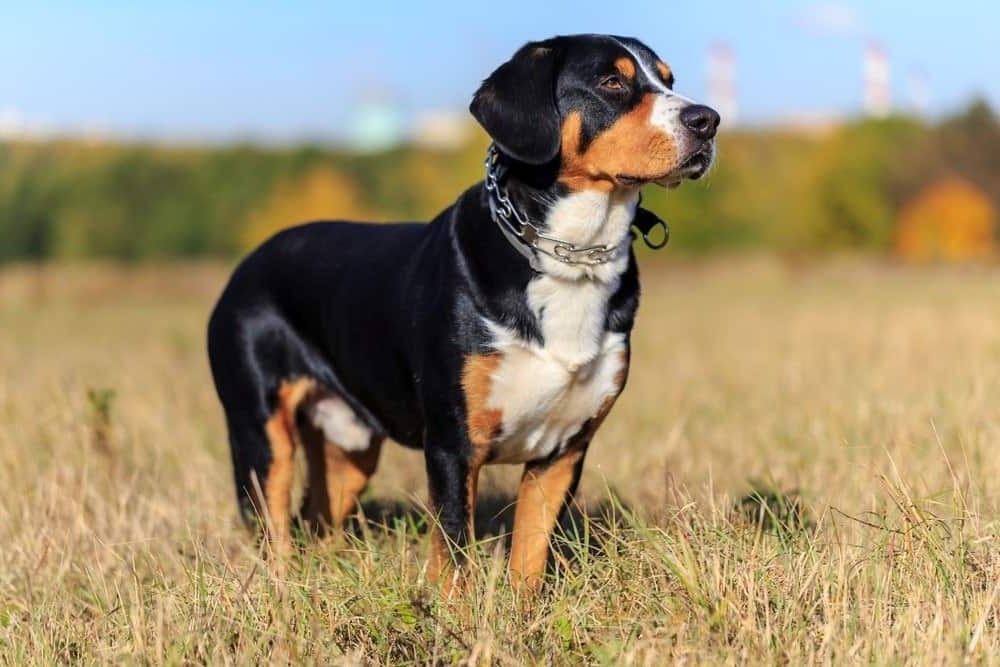
Most Entlebuchers do well on a complete and balanced diet that suits their life stage, activity level, and body condition. Where people often get stuck is treating food as the only lever for energy and behaviour. For many dogs, steadier routines, adequate training outlets, and enough rest make as much difference as the brand of kibble.
If you want one practical anchor, it is this: feed to maintain a healthy body condition, not to match the “recommended” scoop size on the bag. If you are unsure, ask your vet to show you how to assess body condition and adjust portions.
Be cautious with add-ons and supplements unless there is a clear reason. Some can be useful in specific cases, but “more” is not always better, and it is easy to unbalance an otherwise complete diet.
Is an Entlebucher a good fit for your household?
These dogs tend to thrive when their people like being involved. They often suit active households, rural or semi-rural living, or suburban homes where daily training and exercise are genuinely part of the rhythm. The breed can live in smaller spaces, but the question is whether the dog’s day is still rich enough.
It can help to be honest about the moments that usually break a match: long workdays without support, minimal interest in training, and neighbourhoods where barking complaints are a frequent issue. Entlebuchers can be wonderfully adaptable, but they are not usually the best choice for a low-input lifestyle.
If you meet one in person, watch for the little clues. A good example of the breed often shows curiosity with self-control, and engagement without franticness. Those qualities come from both breeding and handling, and they make everyday life much easier.
References
- National Entlebucher Mountain Dog Association (NEMDA): AKC Entlebucher Mountain Dog Breed Standard
- American Kennel Club (AKC): Three New Loveable Breeds Join AKC Family (Entlebucher recognition)
- National Entlebucher Mountain Dog Association (NEMDA): American Kennel Club timeline for the breed
- PetMD: Entlebucher Mountain Dog breed health and care
- WebMD: What to know about the Entlebucher Mountain Dog
- The Royal Kennel Club (Australia): Entlebucher Mountain Dog (Imp) breed information
- Wikipedia: Entlebucher Mountain Dog (overview and history)
- American Kennel Club (AKC): Entlebucher Mountain Dog breed information