

You might come across an Estrela Mountain Dog in a photo and assume it is simply another big, fluffy guardian breed. Then you meet one in person, or you notice how they watch a gate, how they place themselves between their people and a stranger, how they take their time deciding whether something is worth responding to. It can feel calm and steady, but not casual.
People often start looking into the breed for practical reasons: they want a dog who can live on a property, who will deter unwelcome visitors, or who can be trusted to settle with a family without needing constant entertainment. The Estrela can fit that picture, but only if you understand what makes livestock guardian dogs different from, say, a biddable working farm dog.
With Estrelas, the question is usually not whether they will be loyal. It is whether their size, independence, and protective tendencies suit your day to day life, including visitors, fencing, other pets, and the kind of training you actually enjoy doing.
Quick profile: Estrela Mountain Dog at a glance
Origin: Portugal, from the Serra da Estrela mountain region.1
- Breed type: Livestock guardian, watch dog, companion, and sometimes draught work.1
- Size: Large. Commonly around 62 to 72 cm at the shoulder and roughly 30 to 50 kg, depending on sex and condition.2
- Coat: Thick double coat in long or short varieties, built for cold and variable weather.1, 3
- Life expectancy: Often reported around 10 to 12 years, with some individuals living longer.2
Where the Estrela comes from, and why it still matters
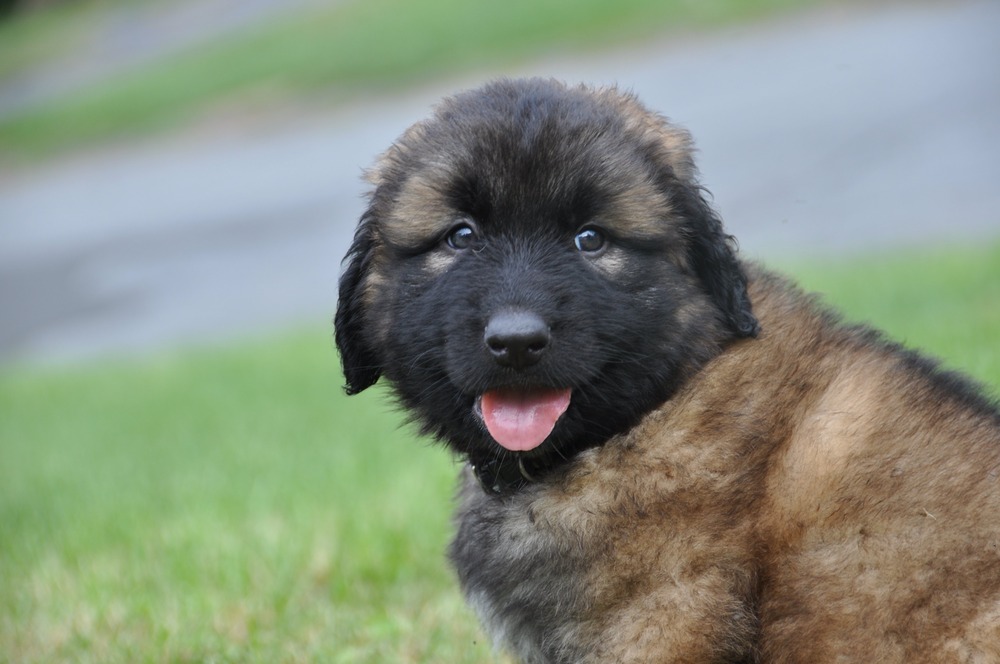
The Estrela Mountain Dog, also known as the Cão da Serra da Estrela, developed in a harsh landscape where dogs needed to make decisions without a person beside them. They were expected to stay with stock, assess threats, and hold ground when necessary. That background helps explain the breed’s steady confidence, and also the moments of stubbornness that catch first time guardian dog owners off guard.1
It is common to hear that Estrelas are “protective but gentle”. Both can be true, but the protective part is not a costume they put on. It is a set of behaviours shaped for guarding, and it shows up in everyday home life as positioning, watching, and sometimes being slow to warm up to visitors.3, 4
Another useful detail is that the breed is long established. The FCI recognised the Estrela Mountain Dog in the mid 20th century, and publishes the current standard, including coat varieties and overall purpose.1
Appearance and the traits people notice first
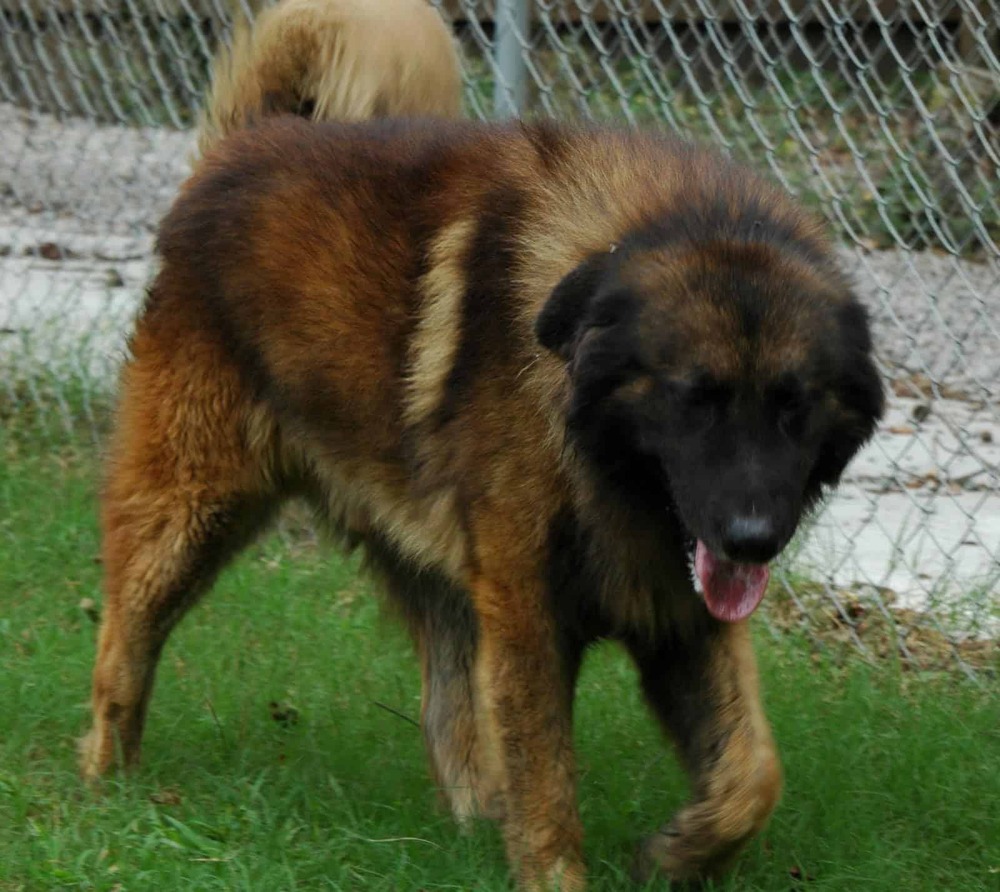
Most Estrelas look powerful without appearing heavy or clumsy. They are typically strong through the chest and hindquarters, with a thick coat that sits close and a dense undercoat that insulates in cold conditions.1, 3
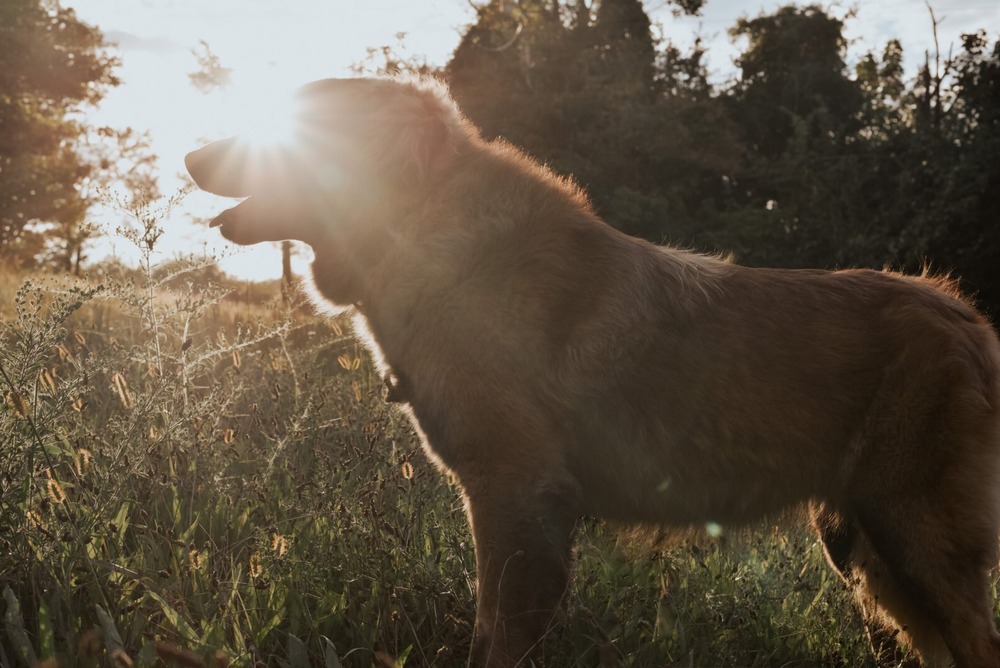
Coat colours are usually variations of fawn, wolf grey, and yellow, sometimes with brindling and darker shading or a dark facial mask.3 You will also see natural variation in markings and overall “look” depending on lines, and whether the dog is long or short coated.
One point that matters in practice is grooming reality. A thick double coat can be wonderfully weatherproof, but it also means hair in the house, seasonal coat blow, and the need for regular brushing to prevent undercoat tangles.3
Temperament: loyalty, independence, and protective behaviour
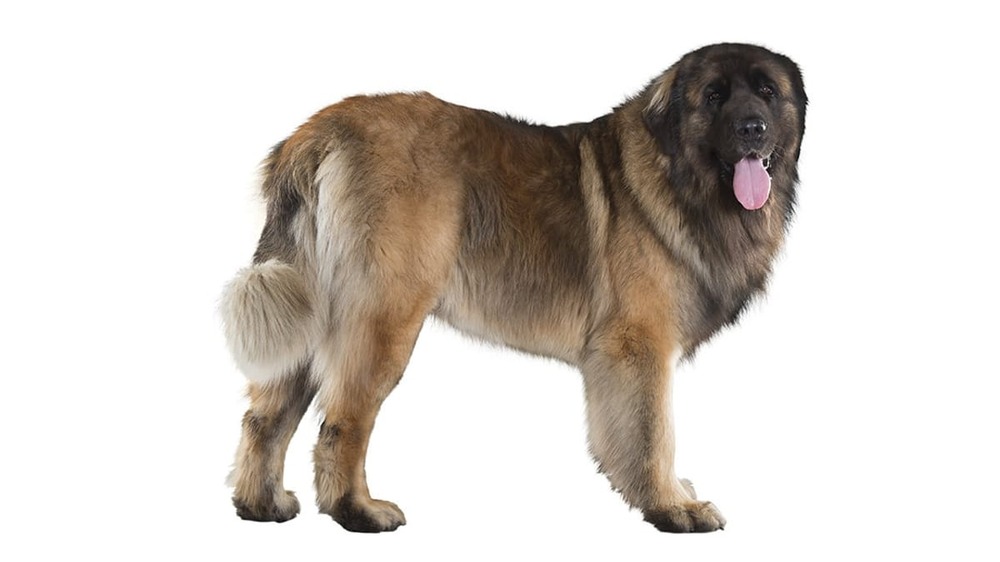
Estrelas tend to bond strongly with their household. Many are calm at home, observant, and not constantly “busy”. That calmness can be appealing, but it does not mean they are automatically easy. Guardian breeds often think before they comply, especially if a cue does not make sense to them in the moment.3
With strangers, a typical pattern is watchfulness first, then acceptance with time and good handling. Early socialisation is less about making an Estrela love everyone, and more about teaching them what “normal” looks like: visitors at the door, tradies in the yard, kids running, dogs passing the fence, and the everyday noise of suburbia.4, 5
Barking is often part of the package. Many Estrelas are alert barkers, and some are naturally vocal. That can be useful on a property, but challenging in close neighbourhoods if you do not plan for it with management and training.2, 3
Family life, children, and other pets
In the right home, Estrelas can live well with families. They are often steady around children they know, especially when the dog has been raised with respectful handling and clear boundaries. Still, size matters. A large dog does not need to be “rough” to knock over a toddler, so calm supervision and safe spaces for both dog and child are sensible, not overprotective.
With other pets, outcomes depend heavily on introductions, social experience, and the individual dog’s maturity. Some live peacefully with other dogs and cats, particularly if raised together. Others can be selective with unfamiliar dogs, or become more territorial as adults. Do not rely on puppy friendliness as a promise of adult behaviour.2
If you are choosing the breed because you want a dog who “looks after the family”, it helps to be specific about what you mean. A good guardian is usually a dog who is stable, confident, and manageable. A dog who is constantly on edge is not safer to live with, and it is not fair on the dog either.
Training and exercise: what tends to work best
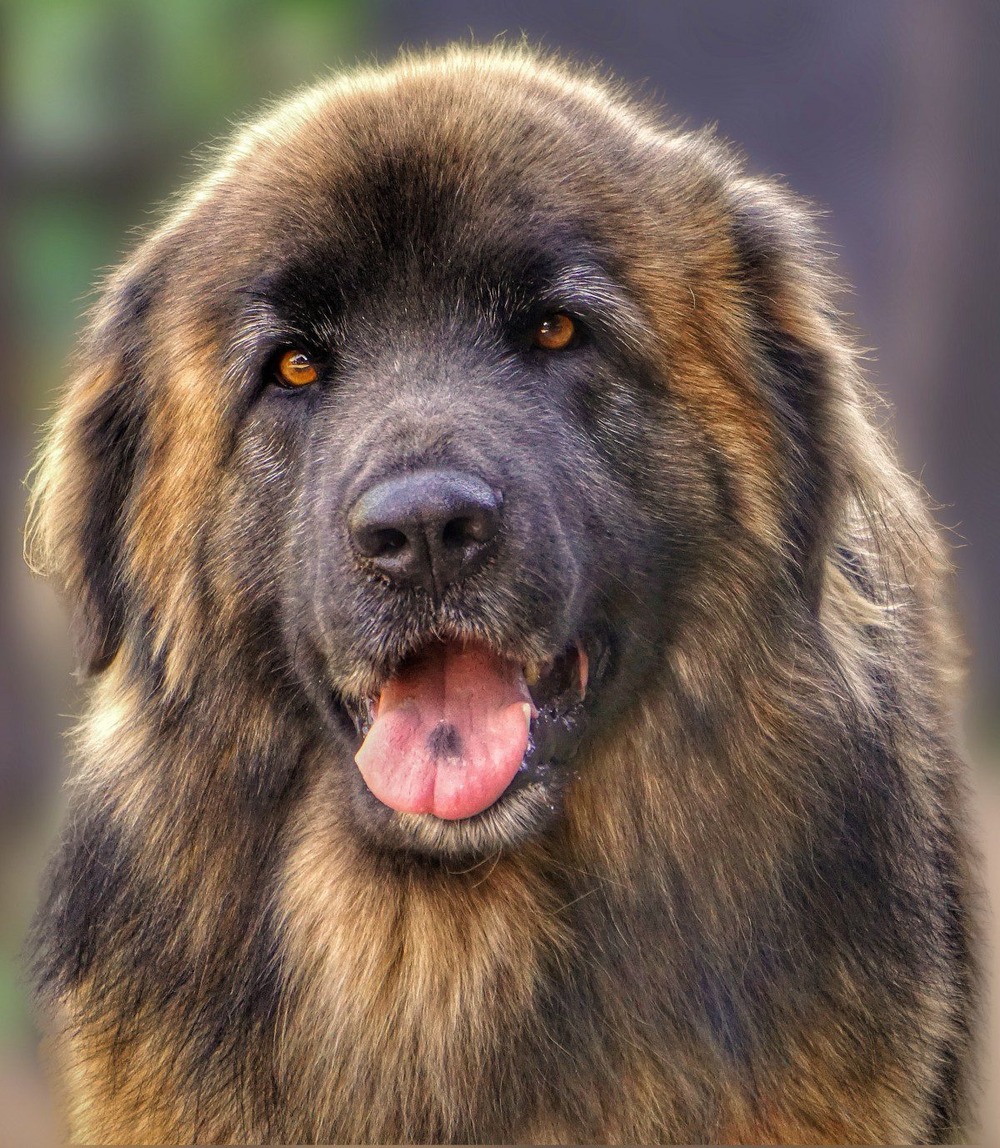
Training an Estrela is often less about drilling commands and more about building cooperation. Short sessions, clear rewards, and consistent boundaries usually beat heavy handed corrections, which can create avoidance or conflict in a dog that is already inclined to stand their ground.5
Because they are intelligent and independent, they tend to do best when life is structured. That can look like predictable routines, a defined place to rest, and practical skills such as:
- Calm greetings at gates and doors, including a way to put the dog behind a barrier when needed.
- Recall and leash manners that are proofed gradually, not tested in high distraction too early.
- Comfort with handling: paws, ears, brushing, and vet style checks.
Exercise needs are real, but it is not always about frantic running. Many Estrelas enjoy long walks, sniffing, and “patrolling” their space. Mental work, such as food puzzles and simple scent games, can help take the edge off boredom without overstimulating a dog that is already watchful.2, 6
They are generally not ideal for small apartments. Space helps, but good fencing, management, and time with the dog matter more than a big backyard that nobody uses.6
Health considerations and sensible prevention
Like many large breeds, Estrelas can be prone to orthopaedic issues such as hip and elbow dysplasia, and it is wise to ask breeders about screening and results for both parents, not just a casual “they are fine”.2, 7
Some sources also note risks seen in other large, deep chested dogs, including gastric dilatation volvulus (GDV), often called bloat. GDV is an emergency, and it is worth knowing the early signs, such as unproductive retching, a distended abdomen, and sudden restlessness.8
In day to day terms, prevention is mostly unglamorous:
- Keep the dog lean and strong, rather than “big”.
- Build muscle with steady exercise, not excessive jumping in young dogs.
- Discuss feeding routine and any bloat concerns with your vet, especially if there is a family history.8
Coat care, grooming, and living with the hair
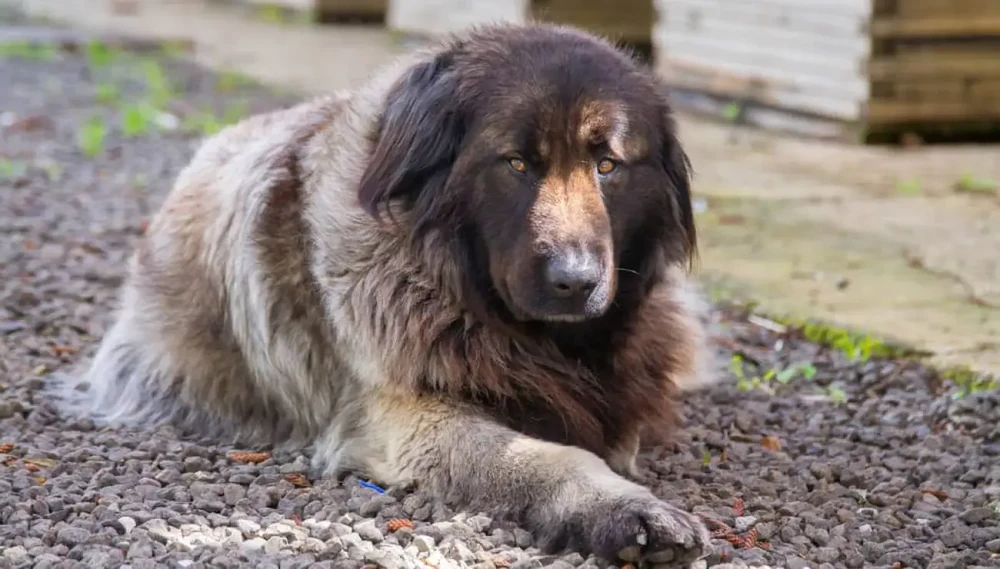
An Estrela’s coat is designed to protect them, and it tends to do that job well. It also means grooming cannot be an afterthought. A couple of decent brush sessions each week will usually prevent the undercoat compacting, and during seasonal shedding you may need to brush more often.
Focus on the friction points where knots form: behind the ears, the ruff, under the collar, the backs of legs, and around the tail. Do not shave the coat unless your vet recommends it for a medical reason. The double coat helps with insulation and weather protection, and shaving can create coat regrowth problems in some dogs.
Bathing is usually occasional, not frequent. Nails, ears, and teeth still need routine attention, and big dogs benefit from learning early that grooming is simply part of life.
Feeding and nutrition: practical, boring, and important
Large guardian breeds do best on a balanced diet that suits their life stage, activity, and health. It can be tempting to chase ingredient list trends, but veterinary nutrition guidance tends to focus more on the overall formulation, quality control, and monitoring your dog’s body condition over time.9
For many adult Estrelas, two meals a day is a workable pattern. Puppies often need more frequent meals, and careful growth management. If you are unsure, your vet can help set targets for a steady growth curve and an adult condition where you can feel ribs under a light layer of flesh.
If you are considering supplements, treat them as something to discuss with a veterinary professional. Joint supplements may be suggested in some cases, but they are not a substitute for sound breeding, sensible exercise, and keeping weight under control.
Is the Estrela Mountain Dog right for you?
The best matches tend to be households that want a dog with presence, and who are comfortable living with a guardian mindset. That usually means:
- you can provide clear boundaries and routines
- you are willing to manage visitors and the front gate thoughtfully
- you have the time for training that is steady, not forceful
- you can live with shedding and seasonal coat maintenance
When those pieces are in place, the Estrela’s strengths can shine. They are not for every home, and that is not a criticism of the dog. It is simply the reality of a breed shaped to think independently, guard what matters, and take their job seriously.6
References
- Fédération Cynologique Internationale (FCI): Cão da Serra da Estrela (No. 173)
- Purina UK: Estrela Mountain Dog breed information
- United Kennel Club (UKC): Estrela Mountain Dog breed standard
- Estrela Mountain Dog Association of America (EMDAA): Breed history and club information
- RSPCA Knowledgebase: Positive reinforcement dog training
- RSPCA Pet Insurance (Australia): Considerations when choosing a dog
- Orthopedic Foundation for Animals (OFA): Hip Dysplasia
- American College of Veterinary Surgeons (ACVS): Gastric dilatation volvulus (GDV) and gastropexy
- World Small Animal Veterinary Association (WSAVA): Global Nutrition Guidelines