

Most people do not start out looking for a neat “right time” to euthanise a dog. They start with smaller worries: a dog who no longer gets comfortable, who seems thinner despite trying, who has started waking at night, or who has stopped coming when the lead comes out.
It can be surprisingly hard to tell what is normal ageing, what is treatable illness, and what is a sign that a dog is coping less each day. Dogs often keep going quietly, and families adjust around them without noticing how much has changed. That is why this decision tends to arrive slowly, then all at once.
When euthanasia is on the table, it helps to shift the question from “How long can we keep them?” to “How are they living now?” A compassionate choice is usually built from ordinary observations, veterinary guidance, and an honest look at whether comfort is still achievable.
Recognising quality of life
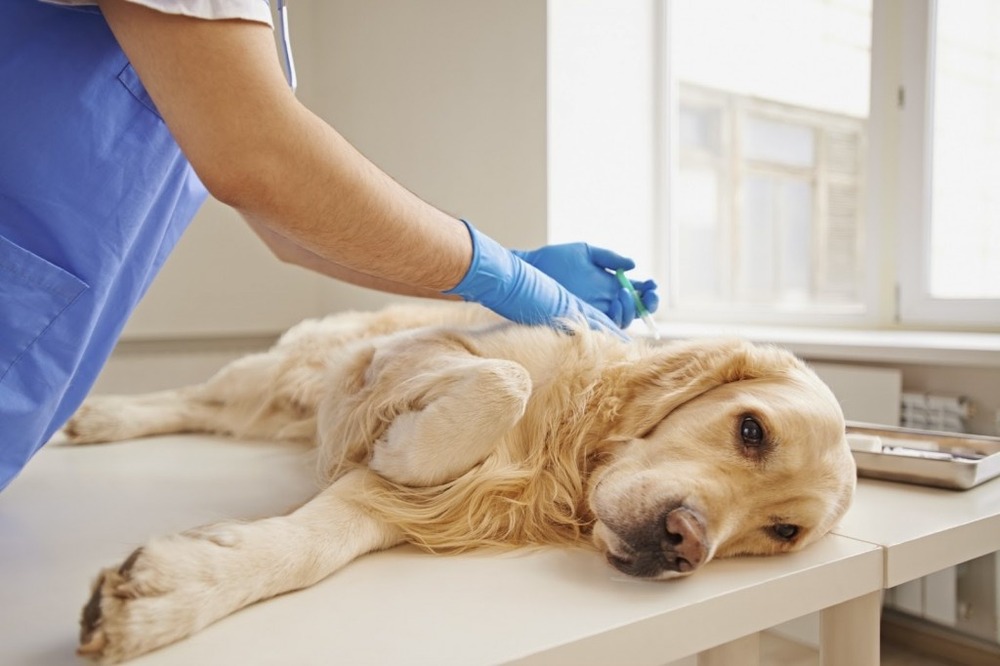
Quality of life is not one single sign. It is a pattern that forms across days: appetite, movement, breathing, toileting, sleep, interest in familiar people and routines, and whether pain can be reliably controlled. The overall picture matters more than any one “bad moment”.
Many families find it useful to separate ability (what your dog can physically do) from comfort (how they seem while doing it). A dog might still walk outside, for example, but be stiff, restless afterwards, or unable to settle without help.
Signs your dog’s quality of life may be declining
Some changes are obvious, others are easy to misread as stubbornness or old age. Common signs that deserve attention include:
- Persistent pain or distress that breaks through medication, or returns quickly between doses
- Breathing effort, coughing that worsens, or fatigue that seems out of proportion to activity
- Repeated vomiting or diarrhoea, or nausea that makes eating feel like a daily struggle
- Difficulty rising, slipping on floors, or reluctance to move that is new or worsening
- Soiling indoors because they cannot get outside in time, or cannot posture comfortably
- Less interest in family life, shorter “good spells”, or fewer moments of engagement
Simple ways to assess wellbeing at home
A structured tool can make this less blurry. The HHHHHMM quality of life scale (Hurt, Hunger, Hydration, Hygiene, Happiness, Mobility, and More good days than bad) is commonly used in veterinary hospice settings to support clearer thinking during an emotional time.1
Try scoring your dog once a day for a week, then look for trends rather than chasing a single number. The most useful outcome is not a “pass or fail”, but a clearer sense of whether your dog is having more good days than hard ones, and whether that balance is changing.
Common medical situations that lead to euthanasia discussions

Euthanasia is often considered when a condition is causing significant suffering, and a good quality of life is unlikely even with treatment. This is how major animal welfare bodies frame the decision, not as giving up, but as preventing ongoing distress when comfort cannot be restored.2
In practice, these conversations frequently arise around:
- Advanced cancers that cause pain, bleeding, breathing difficulty, or profound weakness
- Kidney or liver failure where nausea, dehydration, and lethargy become difficult to manage
- Severe arthritis or spinal disease where mobility loss leads to persistent discomfort and repeated falls
- Progressive neurological disease affecting coordination, toileting, swallowing, or awareness of surroundings
- Heart or lung disease where breathing becomes laboured despite medication
It is also worth noting that some dogs appear “bright” for short bursts even when they are very unwell. That does not mean they are not suffering. It usually means they can still rally briefly, which can make decisions feel especially conflicted.
Talking it through with your veterinarian

A veterinarian can help translate what you are seeing at home into a medical picture: what is happening now, what is likely to happen next, and what comfort realistically looks like for your dog. Many welfare guidelines emphasise that euthanasia decisions should usually be made in consultation with a veterinarian, alongside an assessment of current and expected quality of life.2
It can help to bring notes, short videos (for breathing, walking, collapsing episodes), and a list of medications with doses. In the room, feelings tend to run high, and it is easy to forget key details.
Questions that often bring clarity
- What signs suggest pain, nausea, anxiety, or breathlessness in my dog’s specific condition?
- What are the realistic best-case and worst-case scenarios over the next days or weeks?
- What can we adjust to improve comfort, and how will we know if it is working?
- What “red flags” would mean my dog is no longer coping, even if they still have occasional good moments?
- If we choose euthanasia, what will the process look like step by step, including sedation?
If you are feeling stuck, ask your vet to help you define a comfort plan and a decision point. This is often kinder than waiting for an emergency, because it reduces the chance of a rushed goodbye.
Emotional and ethical considerations
Many people carry a quiet fear that euthanasia is “too soon” or “too late”. Usually it is neither. It is an ethical decision made under uncertainty, with the aim of preventing suffering when wellbeing cannot be recovered or maintained.2
Animal welfare organisations also note that euthanasia should be performed in ways that are painless, minimise fear and distress, and rapidly cause loss of consciousness followed by death.2 Keeping that standard in mind can help anchor the decision in what your dog needs, not just what you are afraid of feeling.
Living with the feelings that come up
Guilt is common, even when the decision is clearly compassionate. Some people feel guilt about ending a life, others feel guilt about the weeks leading up to it, wondering if they missed something earlier.
It can help to remember that dogs do not measure life the way humans do. What seems to matter most is whether they can rest comfortably, breathe easily, eat and drink without distress, and still experience moments of connection. When those things are consistently out of reach, choosing euthanasia can be a way of protecting dignity rather than prolonging hardship.
Preparing for the euthanasia appointment

Preparation often reduces anxiety, because fewer decisions are left to the last minute. Your vet clinic can talk you through timing, sedation options, paperwork, and what to expect physically.
Many end-of-life care guidelines recommend pre-euthanasia sedation for companion animals, especially when families are present, and emphasise clear communication about each step so expectations are realistic and fear is minimised.3
Where it can happen
You might have options, depending on your location and your dog’s health:
- In-clinic euthanasia, often with a quiet room and staff who can support you
- At-home euthanasia, which can be less stressful for some dogs and families, especially when travel is painful or frightening
At home, vets may still use sedation first, then an injectable euthanasia agent. Home procedures generally avoid inhalant anaesthetic equipment due to safety and logistics, and plans for transport and aftercare are usually arranged in advance.3
What the process usually involves
Protocols vary, but commonly there is a sedative given first, then the euthanasia injection once your dog is deeply sleepy or unconscious. International animal welfare guidance also supports sedation or anaesthesia to minimise anxiety and facilitate gentle handling and restraint.4
Ask your vet about normal reflexes that can happen after death (such as breaths, twitches, or release of bladder or bowel). Knowing these are possible can prevent shock in the moment.
Aftercare and memorialising

Aftercare decisions can feel strangely practical in the middle of grief, but planning ahead can be helpful. Your vet or a pet cremation service can explain choices such as communal cremation, private cremation with ashes returned, or burial where it is legal and appropriate.
Memorialising does not need to be elaborate to be meaningful. Some people keep a collar and tag in a small box, make a photo book, frame a paw print, or plant something in the garden. These gestures can give the relationship somewhere to land after it has changed shape.
Supporting yourself and your family through grief
Pet grief is real grief. It can be heavy, disorienting, and sometimes hard to explain to people who have not had that bond. What often helps most is not advice, but steady acknowledgement and space to feel what is there.
If your grief feels stuck, overwhelming, or begins to affect sleep, appetite, work, or relationships for weeks on end, it is reasonable to seek extra support. Australian services such as Griefline and NALAG provide information and support options, including resources specific to pet bereavement.5, 6
Helping children say goodbye
Children often do best with simple, honest language. Avoid euphemisms that can confuse (such as “put to sleep”), and let them ask the same questions more than once. Some families involve children in a small ritual, like choosing a photo for a frame, writing a note, or picking a flower for a farewell.
Final thoughts
Euthanasia is rarely a single moment of certainty. More often, it is a series of observations that point to the same truth: despite love, effort, and treatment, your dog is no longer comfortable in their body.
When you assess quality of life carefully, talk openly with your vet, and plan a calm, gentle goodbye, you are acting in your dog’s interests. That is the heart of a compassionate decision.
References
- Veterinary Practice News: Quality Of Life Scale (HHHHHMM Scale) by Dr Alice Villalobos
- RSPCA Australia Knowledgebase: Policy A5 Euthanasia of companion animals
- AAHA: End-of-life event (End-of-Life Care Guidelines)
- World Organisation for Animal Health (WOAH): Animal welfare, stray dog population control (restraint and euthanasia guidance)
- Griefline: Pet bereavement webinar
- NALAG (National Association for Loss and Grief): Pet loss support
- RSPCA WA: Why does the RSPCA WA euthanise animals?
- Companion Animal Network Australia: Euthanasia policy and position statement