

You might notice a dog that looks a bit like a Cocker or a Springer, but something feels different. The head seems longer, the outline sits lower and longer in the body, and the expression is softer. Often, it is only when you meet one that it clicks. This is a Field Spaniel, and they are uncommon enough that many people have never knowingly seen one.
Because they sit in the middle of the spaniel “family resemblance”, it is easy to assume their needs are the same as any other spaniel. In practice, Field Spaniels tend to do best with owners who enjoy daily walking, gentle training, and the sort of grooming that becomes a steady routine rather than an occasional chore. They can be quietly devoted, but they are not a decorative dog, and they rarely thrive if their days are under-stimulating.
Understanding the Field Spaniel means holding two truths at once: they were shaped for work in the field, and they can be lovely, steady companions in modern homes. The match depends less on the label “family friendly” and more on how your household actually moves through a week.
- Breed category: Gundog (sporting)
- Country of origin: United Kingdom
- Typical height: about 43 to 46 cm at the shoulder
- Typical weight: roughly 18 to 25 kg
- Typical lifespan: commonly around 10 to 13 years
- Coat: dense and weather-resistant, with feathering
- Common colours: black, liver, roan, sometimes with tan markings
- Exercise needs: high, daily activity plus mental work
- Grooming: regular brushing, plus tidy trims as needed
History and origin
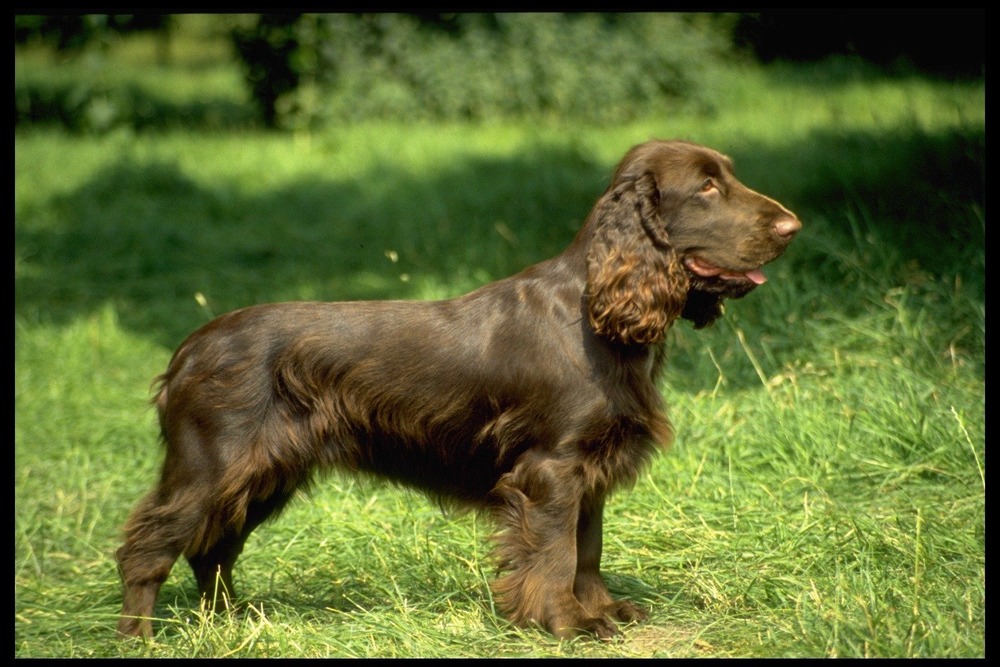
The Field Spaniel developed in the United Kingdom as people bred spaniels for practical hunting work and, at times, for the show ring. Over the late 1800s and early 1900s, “spaniel” could mean several types, and breeding choices shifted with fashion and function. What we now recognise as the Field Spaniel settled into a distinct type: medium-sized, longer than tall, and built to move through cover with purpose rather than speed alone.
In Australia, the breed standard is maintained through Dogs Australia, where the Field Spaniel is listed in the Gundog Group. Breed standards are not about making pets conform to a look, but they do explain the structure and movement that support the breed’s original job. A sound Field Spaniel should still look capable of a day outdoors, not fragile or exaggerated.1
Work in the field
Field Spaniels were bred to quarter ground, flush game, and retrieve, which helps explain a few modern traits owners often notice early. Many Field Spaniels like to use their nose, they can be persistent once interested, and they do better when their daily life includes more than a quick lap of the block.
Physical characteristics
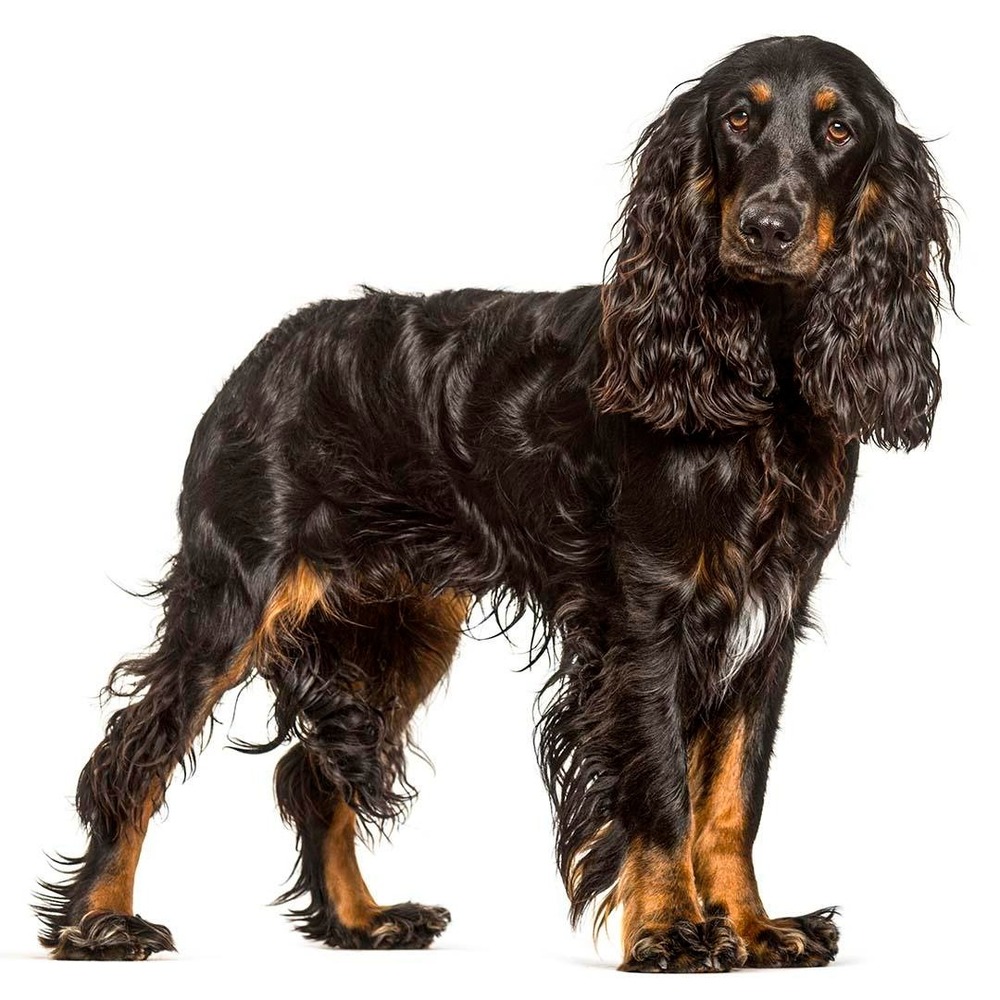
Field Spaniels are medium-sized and typically a little longer than they are tall, giving them a low, flowing outline. The coat is usually dark and rich in tone, with feathering on the ears, chest, belly and legs. It is designed to cope with wet ground and scrub, which is why it can hold onto burrs and grass seeds if you do not stay on top of brushing after outdoor walks.
Most adults fall somewhere around 18 to 25 kg and stand about 43 to 46 cm at the shoulder, although individuals can sit outside the middle of the range. Colours commonly include black, liver and roan, sometimes with tan markings.2
Ears, eyes and the practical realities
Those long, pendulous ears are part of the breed’s charm, but they also change day-to-day care. Floppy ears can limit airflow in the ear canal, and some dogs are more prone to irritation or infections, especially if they swim, have allergies, or live in humid conditions. It is less about “this breed always gets ear infections” and more about knowing that ear care matters for many dogs with this ear shape.3
Temperament and behaviour
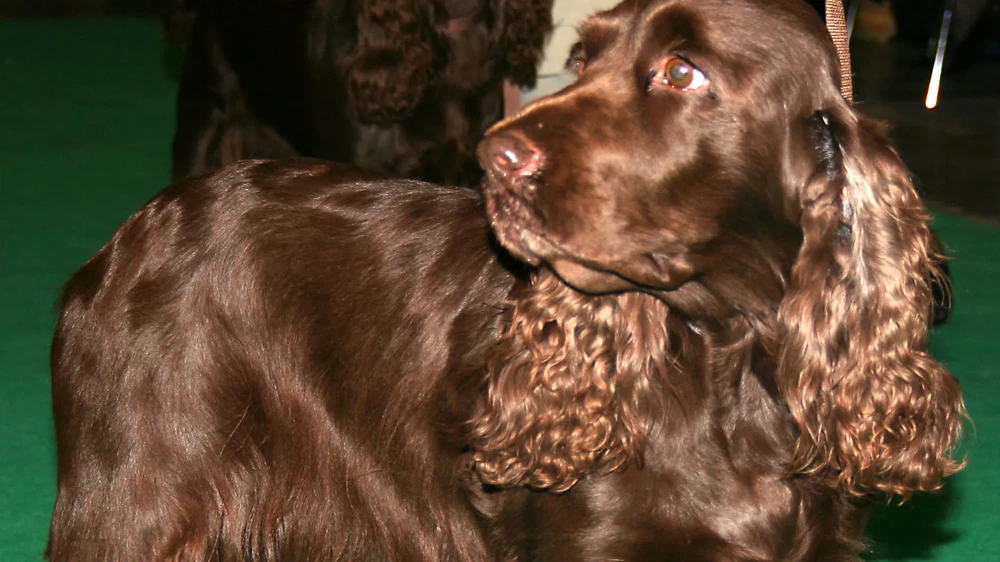
A well-bred, well-raised Field Spaniel is often described as gentle, biddable and people-oriented. Many are quietly affectionate rather than exuberant, and they tend to notice changes in routine. That sensitivity can be a strength in training, but it also means harsh handling is rarely productive.
It is worth remembering that spaniels were bred to work close with a person. A Field Spaniel that spends long stretches alone, with little to do, may find their own entertainment. In a home that provides walks, sniffing opportunities, and short training sessions, many settle into a calm, companionable rhythm.
With children and other pets
Field Spaniels often do well with considerate children, especially when adults supervise interactions and teach kids how to give a dog space. With other pets, early introductions, management, and steady reinforcement tend to matter more than the breed label. Their gundog background can show up as an interest in chasing, so it helps to practise calm behaviours around moving animals from the start.
Training and exercise needs
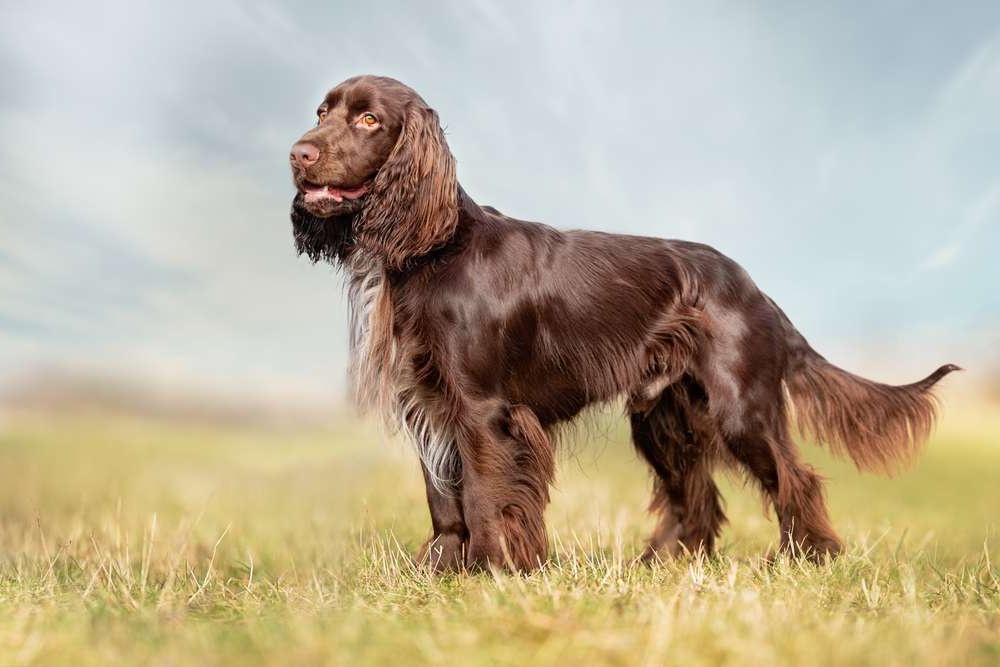
Field Spaniels are usually intelligent and responsive, but they are not robots. The dogs that shine are typically the ones whose owners train in a way that feels relevant to the dog: recall that is practised in real places, loose-lead walking that is reinforced on actual walks, and games that reward attention and calmness rather than constant hype.
If you are bringing home a puppy, socialisation is less about flooding them with experiences and more about creating safe, positive exposure to the world. Think: different surfaces, gentle visitors, quiet time alone for short periods, and plenty of reinforcement for choosing you.
What “enough exercise” tends to look like
Most Field Spaniels need daily activity that includes both movement and mental work. Many enjoy long walks, scent games, retrieving, and training for obedience or agility. A useful rule of thumb is to aim for consistent daily outings rather than one huge weekend session and very little in between.
- Movement: brisk walks, bush walks, safe off-lead running where legal and appropriate
- Brain work: sniffy walks, simple tracking games, food puzzles, short training sessions
- Connection: a few minutes of play and handling practice most days
Health and lifespan
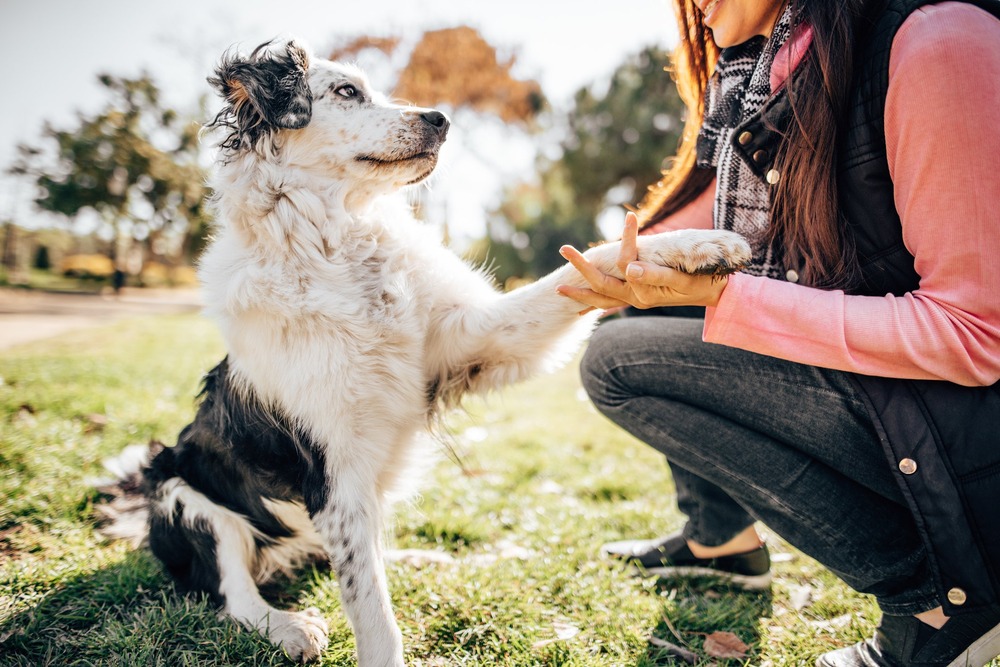
Breed pages often give a single lifespan figure, but real life is messier. Many sources place the Field Spaniel’s typical lifespan around 10 to 13 years, with some individuals living longer depending on genetics, body condition, and general care.2
Common issues to be aware of
No breed is “guaranteed healthy”, and no breed is doomed either. Field Spaniels can be seen in health schemes that focus on hips and eyes, which reflects the broader reality that joint and eye problems can occur in many medium sporting breeds. If you are buying a puppy, it is reasonable to ask what testing the parents have had and to request documentation rather than relying on verbal assurances.4
Ear problems are also worth mentioning, not because they are inevitable, but because floppy-eared dogs can be more vulnerable when moisture and debris are trapped. If your dog swims or gets bathed, drying and checking the ears afterwards can prevent a lot of trouble later.3
Practical preventative care
- Keep weight steady, as lean dogs protect their joints.
- Check ears regularly and clean only when appropriate for your dog, especially after swimming or baths.3
- Build dental care into routine handling early, so it is not a wrestling match later.
- Ask your vet about breed-relevant screening based on your dog’s age and symptoms, not just their breed label.
Grooming and maintenance
A Field Spaniel coat is usually manageable, but it is not maintenance-free. The feathering can matt behind the ears, in the armpits, and along the backs of the legs. Regular brushing keeps the coat comfortable and makes it easier to spot grass seeds, ticks, or skin irritation.
In many homes, a good rhythm is a thorough brush a few times a week, plus a quick check after bushy walks. Occasional trimming around feet and feathering can help keep the coat practical. If you prefer a very tidy finish, a groomer who understands spaniel coats can be a helpful ally.
Diet and nutrition
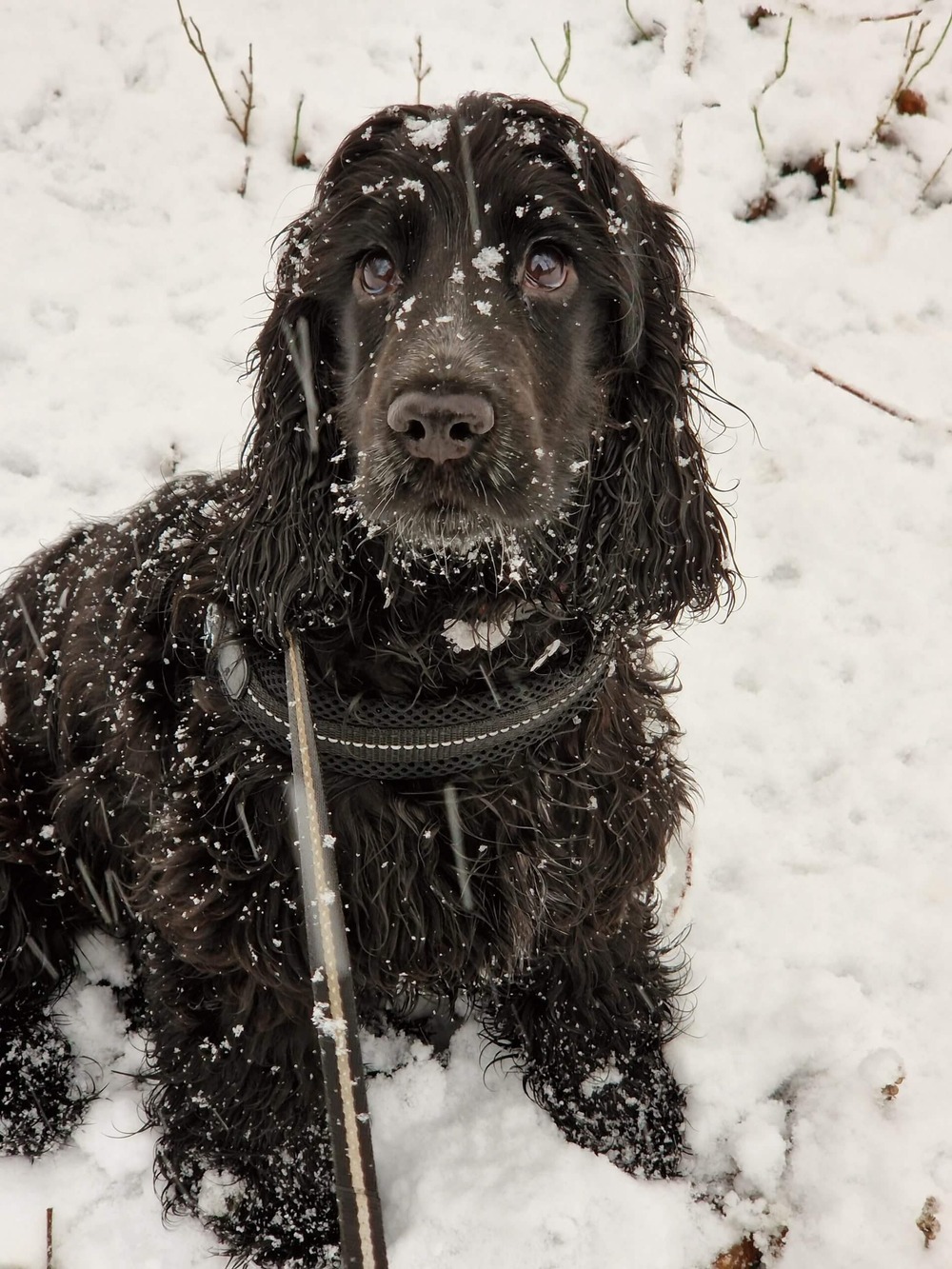
Most Field Spaniels do well on a complete and balanced diet that matches their life stage and activity level. The main challenge is often not finding “the perfect food”, but keeping body condition steady across seasons, injuries, and changes in routine.
If treats are part of your training, it helps to remember how quickly calories add up. A commonly used veterinary guideline is to keep treats and extras to no more than 10 percent of daily calories, with the rest coming from a balanced diet.5
If you are comparing foods, the World Small Animal Veterinary Association has practical tools for evaluating pet foods and labels, and for having more useful conversations with your veterinary team.6
Tail docking and what you might see in Australia
Some older breed descriptions mention docked tails as if it is routine. In Australia, cosmetic tail docking has been banned for many years, with limited exceptions for therapeutic reasons performed by a veterinarian. That is why you may see Field Spaniels with natural tails, and why it is sensible to be cautious if you are offered a puppy with a docked tail.7, 8
Living with a Field Spaniel, what tends to work
The Field Spaniel usually suits people who like a dog that is present and engaged, but not constantly demanding. They are often at their best when the home has a predictable cadence: morning outing, a bit of training or play, a rest, and another decent walk later.
If you live in a smaller space, it can still work, but only if you can reliably provide the outside time a gundog needs. Apartment living is less about square metres and more about whether your days include real exercise and sniffing time, not just toileting breaks.
References
- Dogs Australia: Field Spaniel breed standard (breed standards listing)
- Purina UK: Field Spaniel breed overview (size, colours, lifespan)
- Cornell University College of Veterinary Medicine: How to clean your dog’s ears
- The Royal Kennel Club: Health Standard (including Field Spaniel testing recommendations)
- UC Davis School of Veterinary Medicine: Treat guidelines for dogs (10 percent rule)
- WSAVA: Global Nutrition Guidelines (pet food selection and nutrition assessment tools)
- RSPCA Knowledgebase: Why some dogs still have docked tails
- NSW Department of Primary Industries: Tail docking of dogs in NSW