

You might notice a Fila Brasileiro in a photo or on a walk and feel a bit stuck on what you are looking at. A big, loose-skinned mastiff with a calm posture can read as placid to some people, and as intimidating to others. Both reactions make sense, because this is a breed built for substance and presence, not for blending into the background.
It is also a breed that attracts confident ideas and quick assumptions. People may describe them as “gentle giants”, or reduce them to “guard dogs”, as if either label tells the whole story. In practice, living with a Fila is usually about management, thoughtful social exposure, and respecting what selective breeding has shaped over generations.
If you are considering the breed, or simply trying to understand why they behave the way they do, it helps to look past the myths and into the realities: what they were developed to do, what their body design implies for care, and what responsible ownership looks like when a dog is naturally suspicious of strangers.
- Breed category: Working, guarding (mastiff type)
- Country of origin: Brazil
- Typical height: Males 65 to 75 cm, females 60 to 70 cm (at the withers)
- Typical weight: Males at least 50 kg, females at least 40 kg
- Average lifespan: Commonly around 9 to 12 years
- Coat: Short, dense, moderate shedding
- Exercise needs: Moderate to high, daily movement plus mental work
- Handler fit: Experienced owners, space, strong management skills
History and origin
The Fila Brasileiro is recognised internationally through the FCI as a Brazilian breed in Group 2 (molossoid, mastiff type).1 Like many working mastiff breeds, its development is tied to the practical needs of rural life: holding large animals, moving stock, and protecting property.
Written breed histories often describe a mix of European mastiff and tracking types brought during colonisation, shaped over time into a dog that could cope with heat, distance, and hard physical work. Some of the finer details are debated and hard to pin down with certainty, but the overall theme is consistent: a purposeful farm and guardian dog, selected for stamina, structure, and strong defensive instincts.1, 2
That background matters because it frames what people still see today. A well-bred Fila is not “naughty” for being wary, and it is not “broken” if it does not welcome unfamiliar visitors. Much of the breed’s traditional identity is bound to stranger suspicion, described in Portuguese as ojeriza.2
Physical characteristics that shape day-to-day care
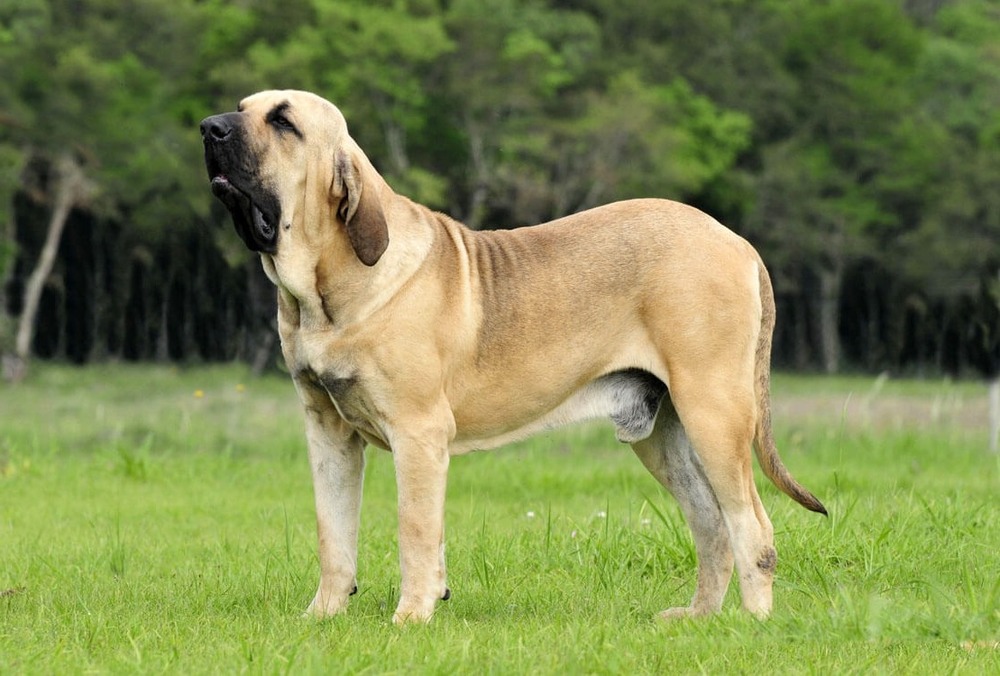
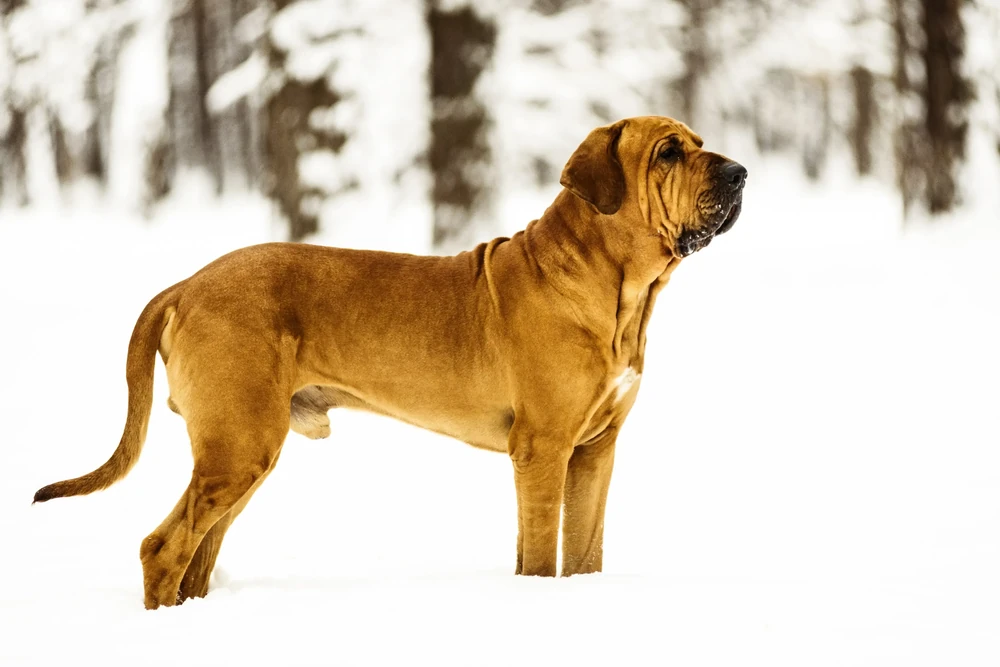
The Fila is a large, heavy-boned dog with a short, dense coat. The breed standard sets a substantial minimum weight (rather than a narrow range), and emphasises a rectangular outline, strong head, and loose skin, particularly around the neck and head.1
That loose skin is not just a visual feature. In working mastiff types, it is often discussed as offering extra protection and mobility during physical contact. It also means owners need to pay attention to skin folds, drool, and basic hygiene around the mouth and neck, especially in warm, humid conditions.
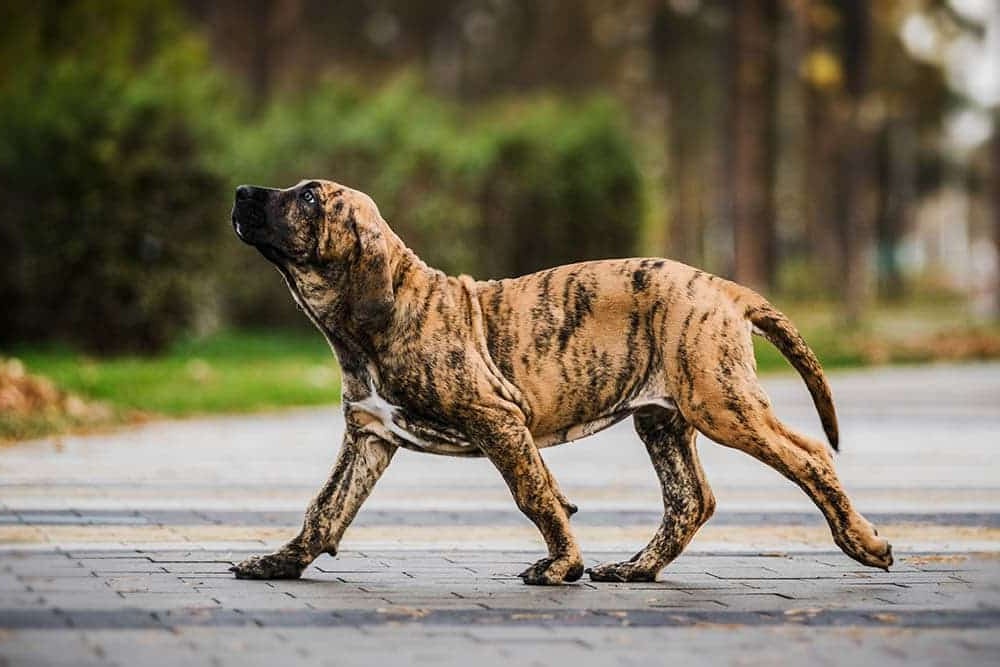
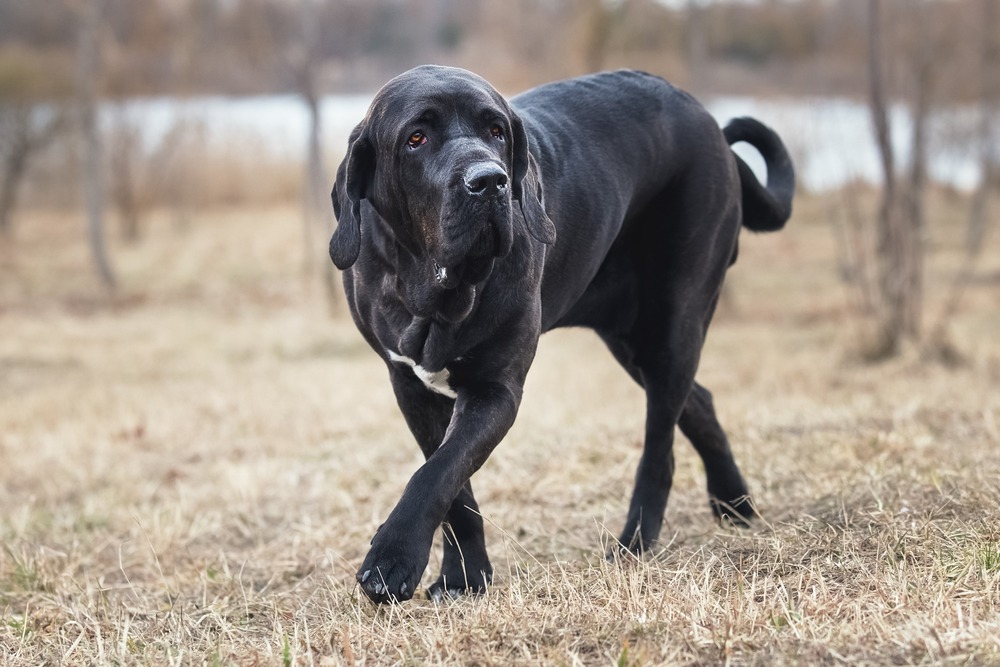
Movement is another quietly distinctive point. Many descriptions mention a characteristic “camel gait” (pacing) where the legs on the same side move together. It can look unusual if you are expecting a typical trot, but it is commonly reported for the breed and is not automatically a sign of lameness.3
Temperament and behaviour: what “protective” looks like in real life
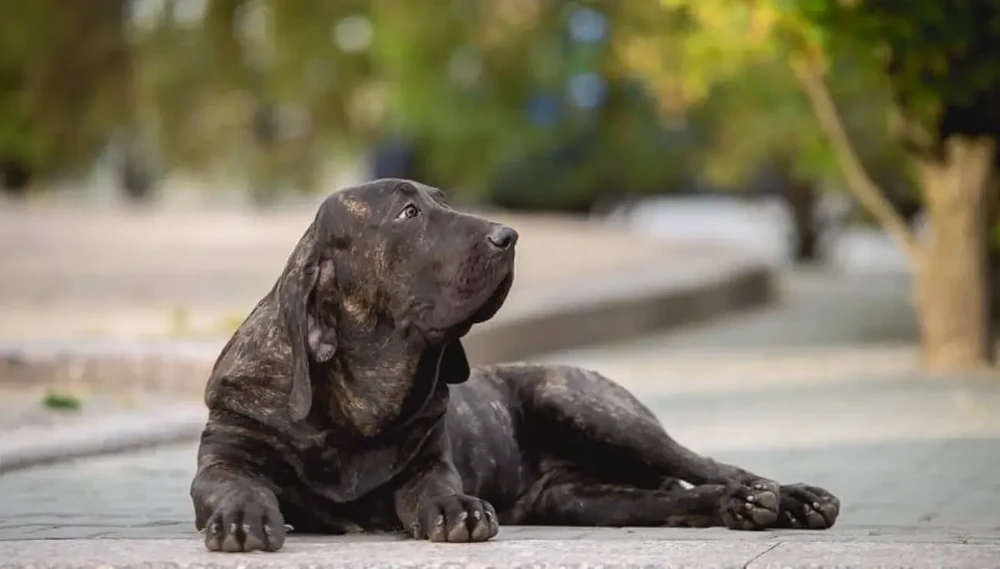
Owners often describe Filas as devoted and steady with their own people, and reserved or openly distrustful with strangers. That pattern is widely noted across breed references, and it is consistent with the traditional term ojeriza used in Fila circles.2, 4
It helps to treat “protective” as a set of observable behaviours, not a moral quality. You might see the dog position its body between you and an approaching person, hold intense eye contact, freeze, or escalate quickly if it feels pressured. The important point is that these behaviours can be rehearsed and strengthened if the dog repeatedly experiences people backing away, yelling, or tense handling.
In a family setting, the safest expectation is not that the dog will become socially “friendly”, but that it can learn calm, manageable routines around visitors and public spaces. That typically means planning ahead: secure containment, clear rules about who interacts with the dog, and careful introductions when appropriate.
With children, supervision is non-negotiable, not because the breed is uniquely “bad”, but because large dogs with strong defensive instincts can react to chaotic movement, visiting friends, and boundary-testing behaviour. A good match is often less about affection and more about whether the household can reliably maintain structure.
Training and socialisation for a naturally suspicious breed
Socialisation is commonly misunderstood as “meeting lots of people”. In practice, it is more about building neutral, low-pressure experiences so the puppy learns the world is predictable and safe. Most modern guidance puts the most sensitive window broadly around 4 to 16 weeks, and recommends reward-based training methods that set the puppy up to succeed.5
For a Fila, socialisation should also include controlled exposure to handling, equipment, and routine care. Things like calmly accepting a collar grab, walking past bins and bikes, and tolerating a brief mouth check can matter more than greeting strangers.
Training should be consistent and skill-focused, not confrontational. Reward-based methods are recommended by major animal welfare organisations, and they tend to produce better learning outcomes with less fallout, especially in dogs that are already predisposed to defensive responses.5, 6
- Prioritise management first: fences, gates, leads, and muzzles if advised by your professional team.
- Rehearse calm routines: place training, settling on a mat, quiet confinement during deliveries.
- Choose support carefully: work with trainers experienced in large guarding breeds and modern, welfare-aligned methods.
Exercise and enrichment: more than “a big walk”
Filas are physically capable dogs, but they are not automatically high-octane in the way some herding or gundog breeds are. Many do best with steady daily movement plus purposeful mental work. That can look like long-line sniffing walks, basic obedience games, tracking-style activities, and calm conditioning exercises that build body awareness.
Because the breed can be wary of unfamiliar dogs and people, exercise plans often need to be realistic. Quiet locations, off-peak hours, and structured lead handling can help avoid repeated “near misses” that teach the dog to scan and react.
If you are increasing fitness, do it gradually. Joint stress and soft tissue injury are common problems in large dogs when activity spikes too quickly, or when young dogs are pushed into repetitive high-impact work before their bodies are ready.
Health considerations in a large, deep-chested dog
As a large breed, the Fila Brasileiro is commonly discussed in relation to orthopaedic issues such as hip dysplasia, alongside general large-dog management concerns like maintaining a lean body condition and appropriate exercise across growth and adulthood.
Another issue owners should take seriously is gastric dilatation volvulus (GDV), often called bloat. GDV is a rapid emergency where the stomach distends and can twist, compromising blood flow and causing shock.7, 8 Large, deep-chested dogs are at increased risk, and early signs can include restlessness, drooling, unproductive retching, and abdominal discomfort, sometimes before obvious swelling.8, 9
Risk reduction is not perfect, but practical steps often recommended include feeding multiple smaller meals rather than one large meal, slowing down fast eaters, avoiding strenuous exercise around meals, and discussing preventive options with your vet if your dog is considered high risk.8, 9
Grooming and everyday maintenance
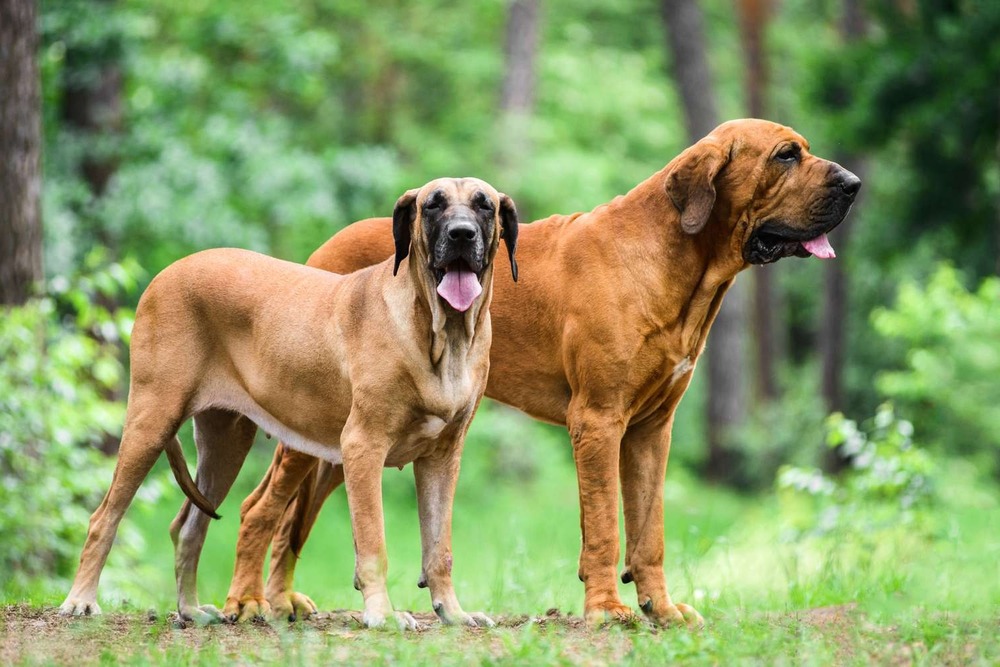
The coat itself is usually straightforward. A weekly brush is often enough to lift loose hair and distribute skin oils, with more frequent brushing during seasonal shed. The bigger “maintenance” points tend to be practical: managing drool, cleaning around skin folds if needed, and keeping ears and nails in good order.
Because the breed is large and powerful, grooming also overlaps with training. Cooperative care, where the dog learns to opt in and stay relaxed, is not a luxury. It is part of safe handling, especially once the dog is mature.
If you notice persistent skin redness in folds, strong odour, or recurrent ear irritation, it is worth a vet visit. These are common, fixable problems when caught early, and they can become stubborn if left to smoulder.
Feeding and body condition
There is no single “Fila diet”, but the principles for a large working mastiff type are familiar: complete and balanced nutrition for life stage, consistent routines, and keeping the dog lean enough that you can feel ribs under a light cover of tissue.
For dogs at risk of GDV, feeding practices matter. Guidance often focuses on smaller, more frequent meals, reducing rapid gulping, and avoiding raised feeders unless your vet has a specific medical reason for one.8, 9
If you are changing foods, do it gradually to reduce gastrointestinal upset. And if your dog is in heavy training or working, it can be useful to review calorie intake with your vet, because “big dog” does not always mean “needs more food”. Overfeeding is an easy way to create avoidable joint strain.
Is the Fila Brasileiro a sensible match?
This is a breed for people who like clear boundaries and who can plan their lives around management, not spontaneity. A Fila can be deeply bonded to its household, but it is rarely an easy “take everywhere” dog. For many owners, the hard part is not love or loyalty, it is daily decision-making around visitors, public access, and safe containment.
If you are choosing a puppy, take your time. Look for breeders who prioritise stable temperaments, health screening, and transparent conversations about what living with the breed involves, including the realities of stranger-directed suspicion.
And if you are rescuing an adult dog, assume you will need a careful transition plan. Set up the environment first, engage qualified support early, and build trust through predictable routines rather than testing what the dog will “put up with”. RSPCA guidance on responsible pet ownership is a good grounding for these choices, especially when the dog’s needs are substantial.6
References
- Federation Cynologique Internationale (FCI): Fila Brasileiro (Standard No. 225)
- Wikipedia: Fila Brasileiro (overview and common terminology references)
- DogZone: Fila Brasileiro breed information (including gait description)
- Wisdom Panel: Fila Brasileiro traits and general description
- RSPCA Australia: Socialising your puppy (critical period and reward-based approach)
- RSPCA Australia: Responsible pet ownership
- Cornell University College of Veterinary Medicine: Gastric dilatation volvulus (GDV) or bloat
- American Kennel Club: Bloat (GDV) in dogs, overview, risk factors, and treatment concepts
- Purina Institute: Canine gastric dilatation volvulus (GDV), feeding practices to reduce risk