

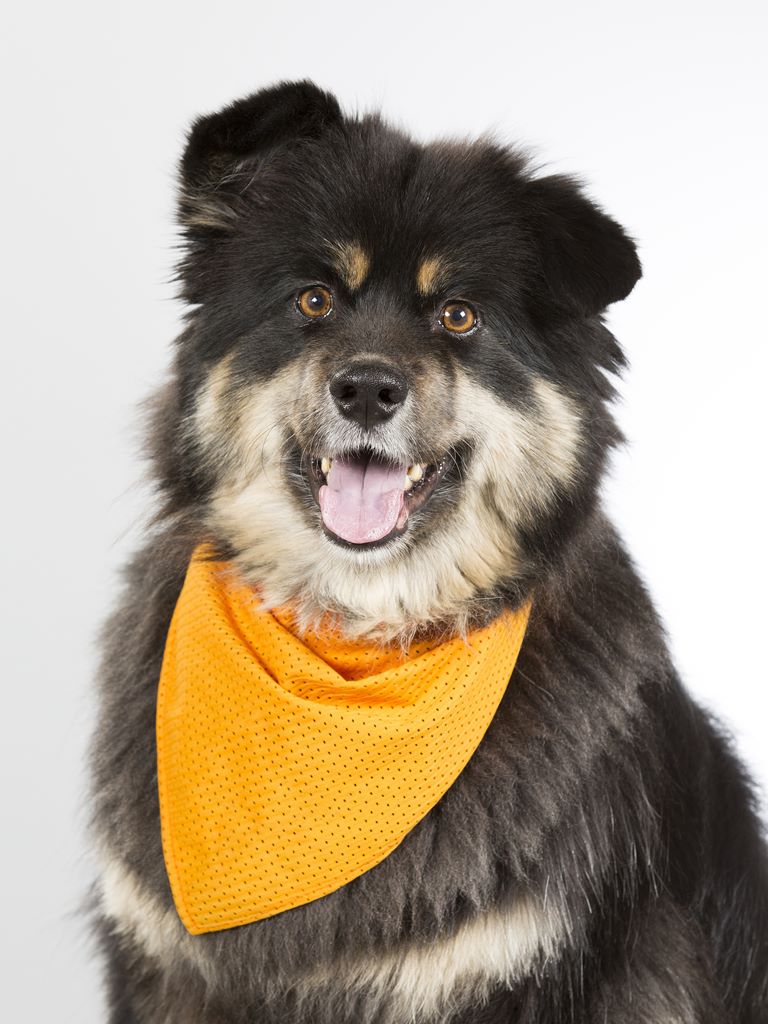
You might first notice a Finnish Lapphund because of the coat: thick, plush, and somehow tidy even after a big day outside. Or you might meet one at a park and be surprised by the combination of soft-looking “teddy bear” appearance and a very capable, switched-on way of moving through the world.
It is easy to assume they are simply a fluffy companion breed, suited to a quiet life and a quick stroll. In practice, many Finnish Lapphunds still carry the habits of a working dog: they pay attention, they look for a job, and they often have opinions about what is happening around the home and street.
When you understand where that comes from, decisions about exercise, training, grooming, and even barking make more sense. You can meet the dog in front of you, rather than the idea you had of a “pretty, easy” spitz type.
Quick breed snapshot
Breed group: Herding (recognised as a Nordic herding type)
Country of origin: Finland
Height: typically around 49 cm for males and 44 cm for females (with some variation allowed in the standard)1
Weight: commonly about 15 to 24 kg
Life expectancy: often around 12 to 15 years2, 3
Coat: dense double coat, built for cold conditions1
Origins and what the breed was built to do

The Finnish Lapphund developed in the far north, alongside the Sámi people, where dogs were used to help manage reindeer in challenging conditions. Herding in that landscape called for a dog that could move all day, cope with weather, and make decisions at a distance from humans.
That history still shows up in modern pets. Many have a natural tendency to watch, to circle, to keep the household “together”, and to communicate with their voice when they think it matters. None of this is a problem by default, but it is worth recognising as normal breed behaviour rather than “naughtiness”.4
Breed standards were formalised in Finland in the mid 1940s, then refined over time as the modern type became more consistent.5
Appearance and physical traits you will live with
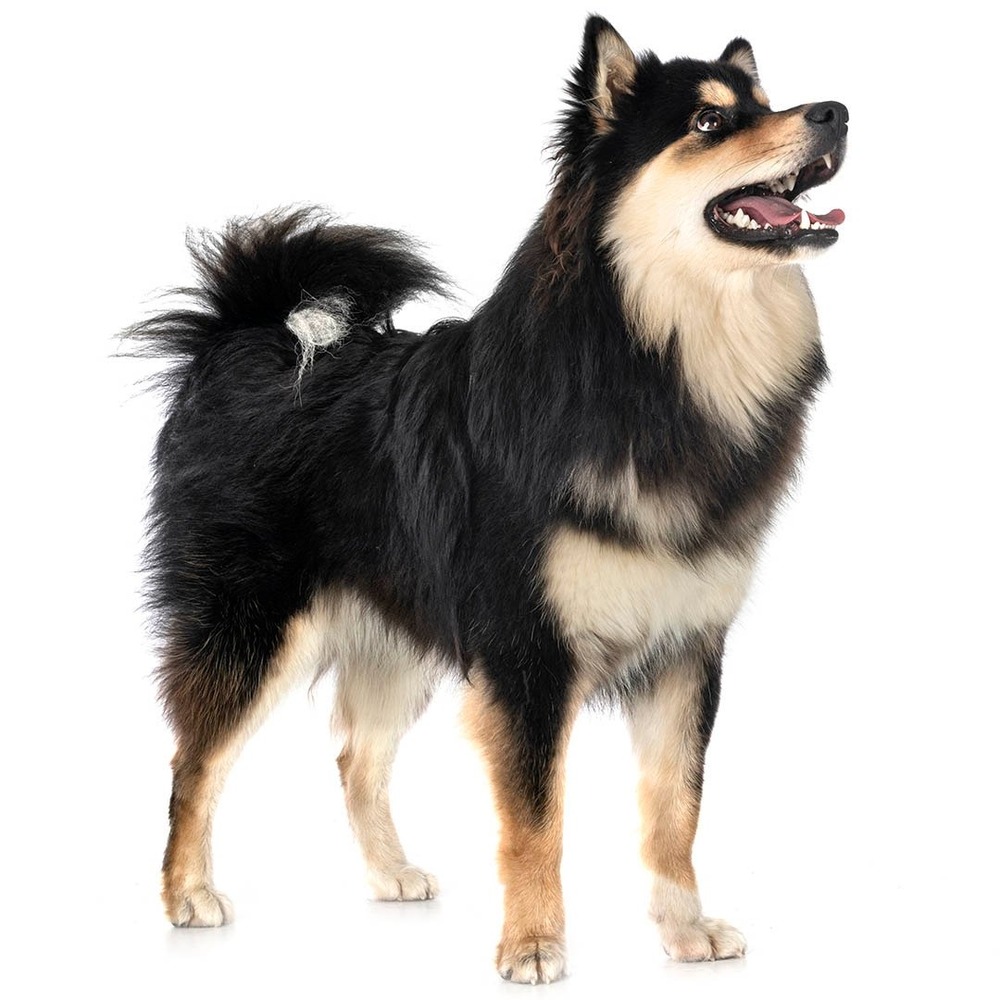
Finnish Lapphunds are medium-sized dogs, strongly built for their height. The first thing most people register is the coat, but there are other working-dog details too: a weatherproof outer layer, a dense undercoat, and a tail commonly carried curled over the back when alert or moving.1, 6
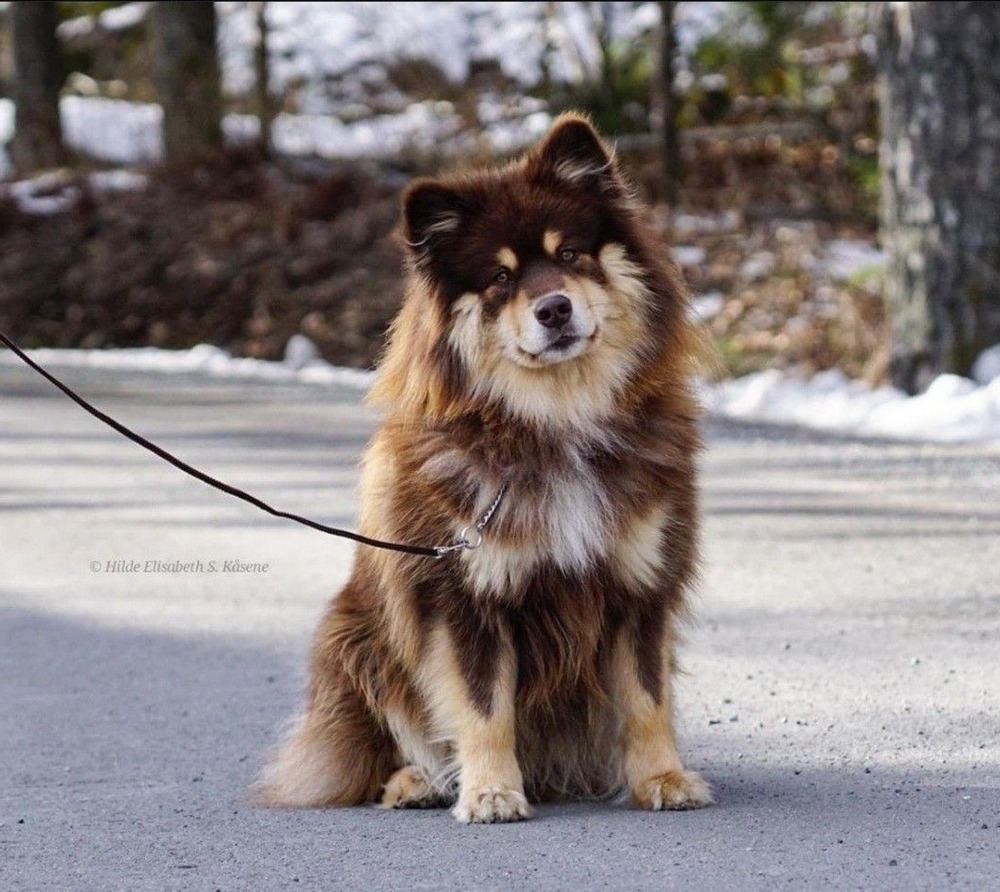
Coat colours vary widely. Breed standards allow many colours, with one colour predominating, and markings in other colours commonly seen on the head, chest, legs, and tail tip.1, 6
A practical note for daily life: this coat is insulating and designed to shed water and snow. It also means you will likely have periods of heavier shedding, plus a need for routine brushing to keep the undercoat from packing down.
Temperament, family life, and the “herding brain” at home
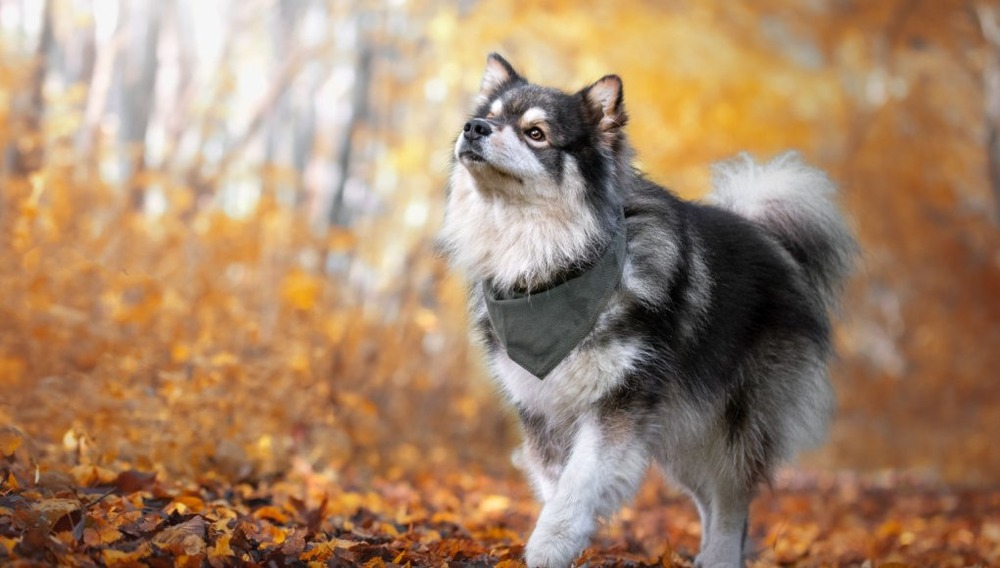
Well-bred Finnish Lapphunds are often described as friendly, intelligent, and alert. Many are social with their people and enjoy being part of day-to-day activity, which can make them a lovely choice for families who like including the dog in plans and routines.4
They are not typically a guarding breed in the sense of suspicion or sharpness. Still, it is common for them to notice visitors and movement, then report it. For some households, that is helpful. For others, it becomes noise that needs a plan.
If barking is an issue, it helps to think in terms of needs and reinforcement. A dog that has learned barking brings attention, or one that is under-exercised and under-stimulated, is more likely to use its voice frequently. Breed clubs commonly note that barking can be tied to boredom and excitement, particularly during play.4
Training and exercise that actually suits the dog
Finnish Lapphunds tend to do best with training that is calm, consistent, and reward-based. They are usually quick to learn, but many also have an independent streak. That independence is not a flaw. It is part of what made them useful in a working role.
For day-to-day living, aim for regular physical exercise plus mental work. Long walks matter, but so does giving the dog something to do with its brain: scent games, short training sessions, puzzle feeders, and low-pressure skill building.
Early socialisation is still important. Not because the breed is “bad with people”, but because thoughtful exposure helps a dog learn how to cope with the normal messiness of modern life, including traffic, guests, other dogs, and time alone.
Health considerations and sensible prevention
Finnish Lapphunds are generally robust, but like many medium working breeds they can be affected by inherited issues. Two that owners and breeders often keep on the radar are hip dysplasia and certain eye conditions (including progressive retinal atrophy).7
Hip dysplasia is a developmental condition where the hip joint does not form as well as it should. It can range from “seen on x-ray but not obvious day-to-day” through to painful arthritis and reduced mobility. Environment plays a role too, including weight management and appropriate exercise, which is why prevention is rarely just one thing.7
If you are choosing a puppy, ask what health screening has been done on the parents, and whether results can be verified. If you already have a Lapphund, focus on the basics that make the biggest difference over a lifetime: keeping a healthy body condition, building fitness gradually, and checking in with your vet when movement changes, even subtly.
Coat care, shedding, and what grooming really involves
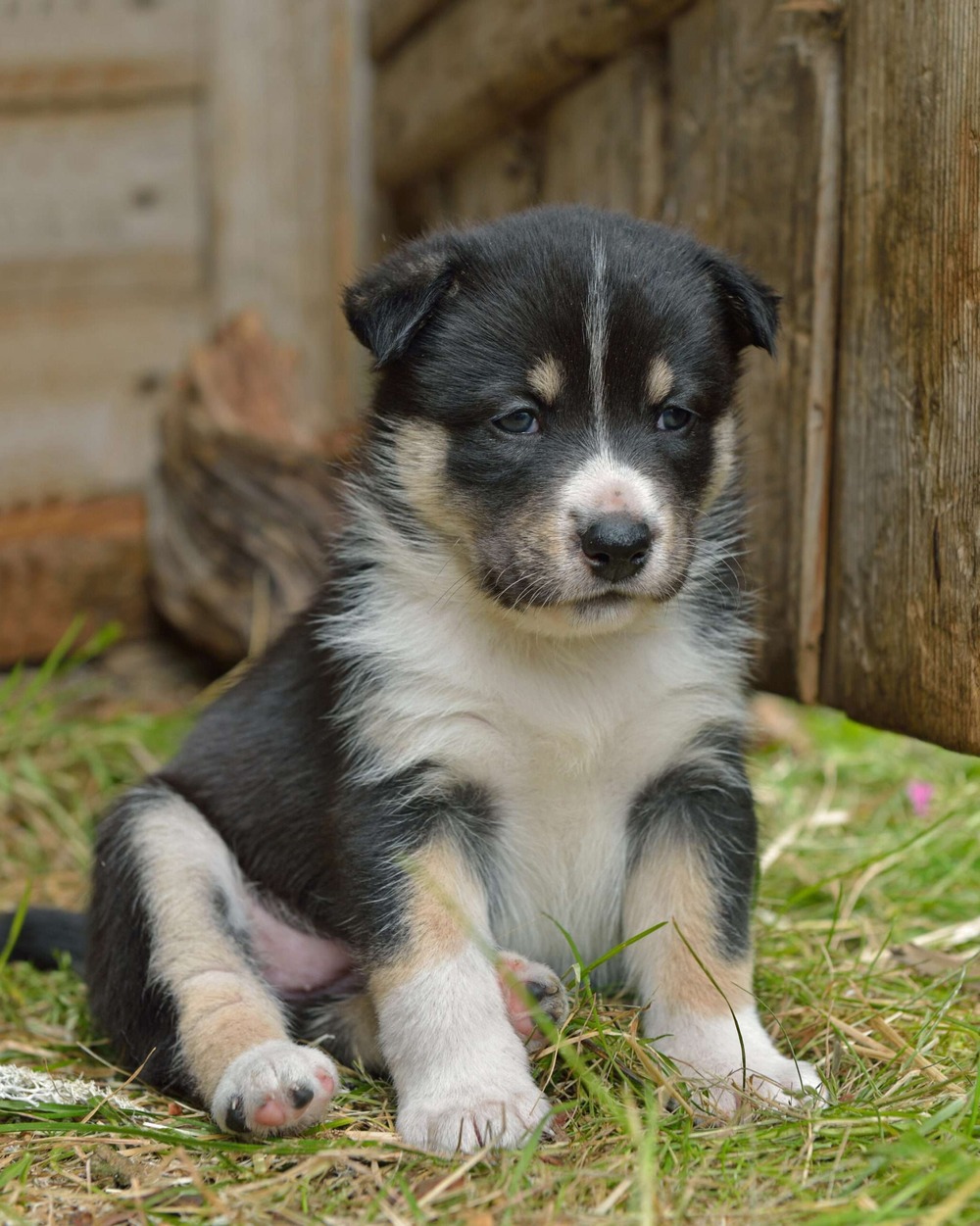
The Finnish Lapphund coat is not “high maintenance” in the sense of constant trimming, but it does require commitment. The undercoat can mat if it is not regularly brushed through, and once that undercoat compacts, it can trap moisture and dirt against the skin.
As a general guide, double-coated dogs benefit from routine brushing, with more frequent sessions during heavier shedding periods. Use tools that can reach the undercoat without scraping the skin, and take your time on friction areas like behind the ears, under the collar, and the backs of thighs.8, 9
If you are tempted to clip the coat short in hot weather, it is worth pausing. The double coat helps with insulation, including from heat, and it protects the skin from sun. Work with your groomer or vet on comfort strategies that do not rely on taking the coat down too far, such as thorough de-shedding, shade, cool surfaces, and adjusting exercise times.
Feeding, weight, and keeping an active dog comfortably lean
Most Finnish Lapphunds will happily eat more than they need, especially if training treats and shared snacks become part of the household rhythm. That is not unique to the breed, but it is relevant because extra weight makes joints work harder and can reduce a dog’s willingness to exercise over time.
A good starting point is to choose a diet that suits your dog’s life stage and activity level, then monitor body condition rather than relying only on the packet guide. Veterinary organisations emphasise the value of routine nutritional assessment and individualised feeding plans, particularly where obesity is common.10
- Measure meals for a couple of weeks when routines change (new treats, less exercise, desexing, winter).
- Use part of the daily kibble as training rewards, rather than adding lots of extras.
- If weight is creeping up, adjust portions early and talk to your vet before starting any rapid weight-loss plan.
Final thoughts on living with a Finnish Lapphund
A Finnish Lapphund can be an unusually satisfying companion for the right household: bright, people-oriented, and able to join in with an active life. The same traits that make them charming can also make them demanding, particularly if their days are understimulating or their coat care gets away from you.
If you can offer steady training, daily movement, and a home that appreciates a dog who notices things, the breed tends to settle into family life with a kind of quiet competence. The goal is not perfection. It is a routine that meets the dog’s needs, so the best parts of the Finnish Lapphund have room to show up.
References
- Dogs Australia (ANKC): Finnish Lapphund breed standard
- United Kennel Club: Finnish Lapphund breed standard
- The Kennel Club (UK): Finnish Lapphund breed standard
- Finnish Lapphund Club of America: Living with a Lapphund
- Finnish Lapphund Club of Victoria: Breed standard background notes
- American Kennel Club: Breed weight chart (Finnish Lapphund listed)
- Orthopedic Foundation for Animals (OFA): Canine hip dysplasia overview
- RSPCA Knowledgebase: Why and how to groom your dog (double-coated dogs)
- RSPCA Pet Insurance: Guide to dog cleaning and grooming
- WSAVA: Global Nutrition Guidelines