

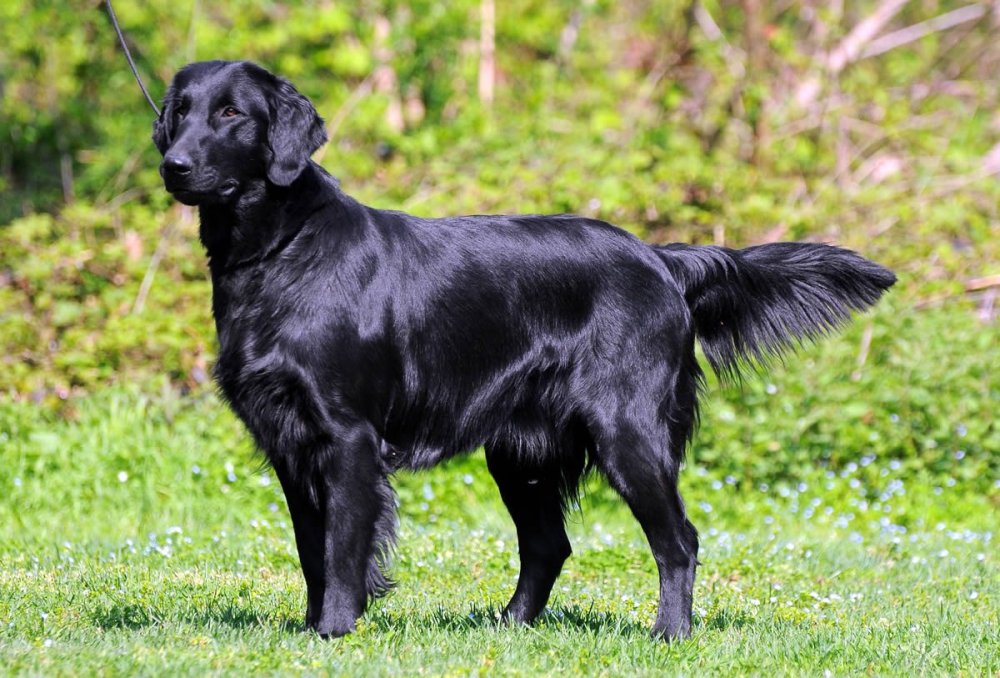
People often notice Flat Coated Retrievers in the same way: a glossy black dog at the park that seems permanently “up for it”, or a friendly face that leans in for a pat, then instantly looks for the nearest stick or puddle. They can look like an easy-going version of a Labrador, but day to day they tend to be more switched on, more playful for longer, and more likely to invent their own games if life gets a bit quiet.
If you are drawn to the breed because you want a sociable family dog, that instinct is usually sound. Still, it helps to be honest about what “friendly and energetic” means in practice. This is a gundog built for working alongside people, and they often do best when they have regular jobs, steady training, and plenty of room to move, not just a backyard and good intentions.
When the match is right, a Flat Coat can feel like a cheerful shadow who turns everyday routines into something more outdoorsy. When the match is off, the same traits that make them delightful can show up as restlessness, boisterous greetings, and difficulty settling.
- Breed category: Gundog
- Country of origin: United Kingdom
- Typical height: Dogs 58 to 61 cm; bitches 56 to 58 cm
- Typical weight: Dogs 27 to 36 kg; bitches 25 to 32 kg
- Typical lifespan: Often around 10 to 14 years
- Coat: Dense, flat, feathered on legs and tail
- Colours: Black or liver only
- Exercise needs: High, daily physical activity plus mental work
- Grooming: Moderate, regular brushing
A brief history, and what it explains about the breed

The Flat Coated Retriever developed in the United Kingdom as a shooting dog expected to work closely with people and retrieve game from land and water. That heritage still shows up in the modern dog as a combination of people focus, athleticism, and a strong interest in carrying, fetching, and exploring with their nose.
Today, you will see Flat Coats in homes that enjoy training, field sports, and busy family life. The same qualities that once made them valuable in the field can make them thrive as companions, provided they get enough structure and outlet for their energy and curiosity.
The breed standard describes a dog with a dense, flat coat and feathering, and it is very clear on colour: black or liver only. Size ranges are also well defined, which is useful when you are trying to picture the adult dog you are committing to living with for the next decade or more.1
Appearance and temperament, beyond the first impression
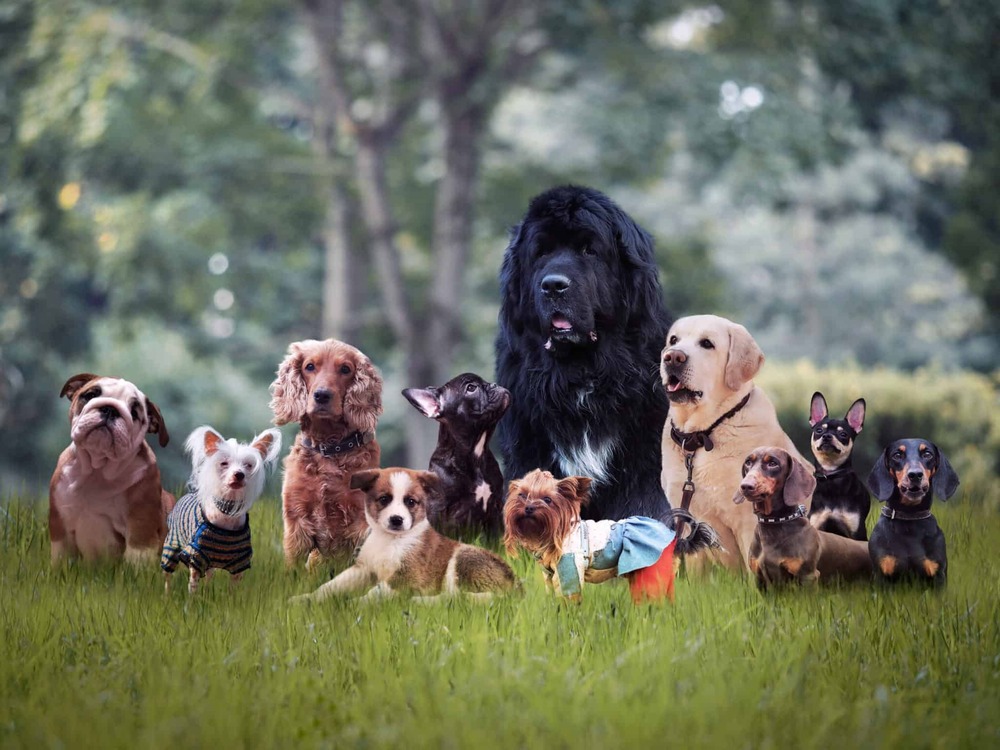
Flat Coats are medium to large, athletic dogs with a characteristically long head, soft expression, drop ears, and a tail that tends to tell on them when they are interested in something. Their coat is designed to cope with rough weather and wet work, so it is practical as well as handsome.
Temperament is where many people fall in love. Well-bred, well-raised Flat Coats are often sociable and responsive, with a playful streak that can last well into adulthood. That playfulness is part of their charm, but it also means they can be slow to “grow up” compared with some other gundogs, and they may need extra guidance around polite greetings and settling in the house.
They usually enjoy being involved. A Flat Coat left without companionship, exercise, and training may find their own entertainment, which can look like chewing, counter-surfing, or “helping” in ways you did not ask for. This is not spite, it is a capable dog coping with boredom.
Living with a Flat Coat, what suits them best
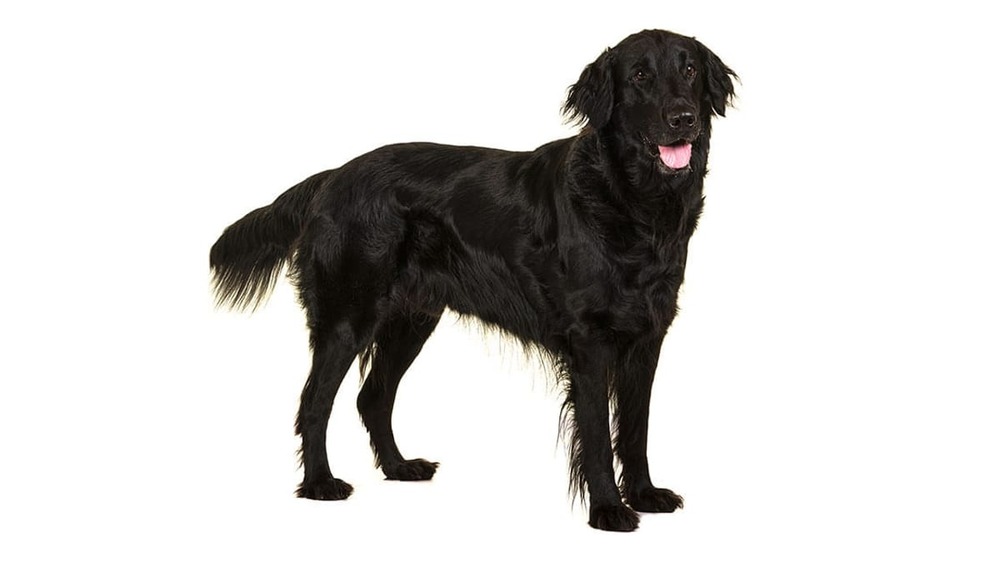
Many Flat Coated Retrievers do well with children, particularly when the dog has been taught how to be calm around excitement, and the children have been shown how to interact safely. Like any large, enthusiastic dog, they can accidentally bowl over a small child during high-arousal moments, so supervision and training matter.
They are often capable of living with other pets, especially if introductions are managed and the dog has been rewarded for calm behaviour around smaller animals. Their retrieving drive varies by individual, so it is wise to assume they will chase moving things until you have trained a reliable recall and impulse control.
Housing is less about square metres and more about lifestyle. A Flat Coat can live in a smaller space if their days include meaningful exercise, training, and enrichment. Still, for many households, a home with easy access to outdoor walking routes makes life simpler. What tends not to work is expecting a yard alone to meet their needs. The RSPCA’s general guidance is that dogs need daily exercise and that a backyard is not a substitute for walks and the chance to explore the world.2, 3
Training and exercise, making room for the “retriever brain”
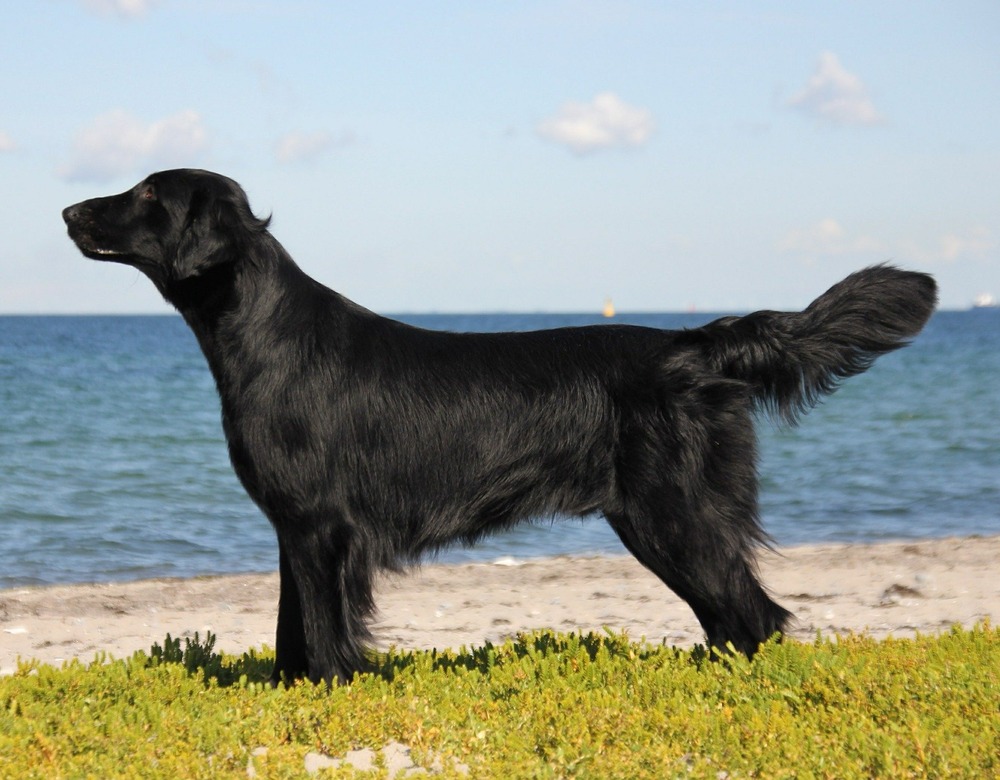
Flat Coats often respond best to training that is clear, consistent, and rewarding. In practice, that means you are looking for lots of reinforcement for behaviours you want, short sessions, and enough repetition that the dog can succeed when they are excited, not just when the house is quiet.
Reward-based training is widely recommended in welfare-focused guidance because it builds reliable behaviour without the fallout that can come with harsh methods. The RSPCA’s knowledgebase specifically describes positive reinforcement and advises against aversive methods or physical punishment.4
Exercise needs are high, but it is not just about kilometres. Many Flat Coats do best with a mix of movement and thinking work, such as:
- long sniffy walks and off-lead runs where appropriate
- retrieving games with clear rules (take it, bring it, drop)
- swimming under supervision
- basic obedience, scent games, and trick training for mental fatigue
If you are raising a puppy, be cautious with hard, repetitive impact (such as long runs) while they are still growing. RSPCA guidance notes that over-exercising young puppies can affect musculoskeletal development, particularly in larger breeds that may keep growing for quite some time.5
Health considerations to discuss early with your vet and breeder
Flat Coated Retrievers are often described as generally healthy, but they are also a breed where cancer risk is a known concern, and it is something prospective owners should be prepared to talk about in a grounded, practical way. Breed clubs and veterinary sources frequently highlight cancers seen in dogs, and Flat Coats are commonly discussed in relation to serious cancers such as haemangiosarcoma (among others).6, 7
Hip dysplasia is another issue that comes up in large, active breeds. The most useful step as an owner is not trying to diagnose problems at home, but choosing breeders who health test, and keeping your dog at a lean, fit body condition across their life. If you are viewing a litter, ask to see evidence of health screening relevant to the breed, and ask what health issues exist in the lines.
Regardless of breed, it is worth knowing the early signs that should trigger a vet visit. Cancer can present in many ways, not just obvious lumps, and changes such as unexplained weight loss, appetite changes, persistent gastrointestinal signs, or unusual tiredness deserve attention.7
Coat care and grooming, keeping it simple and regular
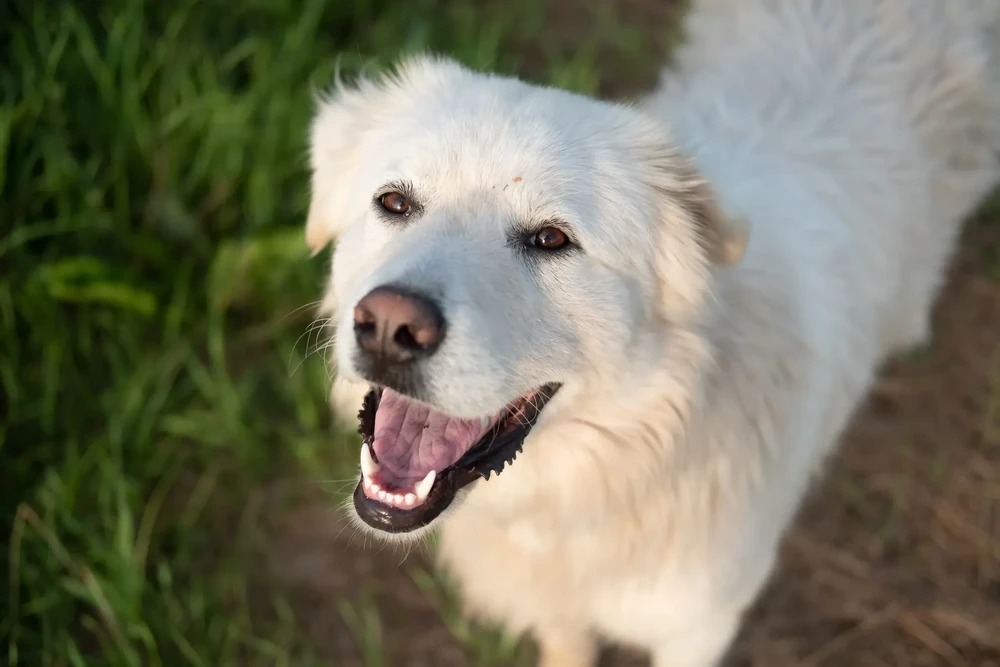
The Flat Coat’s feathering and dense coat pick up burrs, grass seeds, and mud, especially if the dog loves creeks and scrub. Most owners find that little and often works better than occasional big grooming sessions.
A sensible routine usually includes brushing a few times a week, checking ears after swimming, and trimming nails often enough that they stay short and comfortable. During seasonal shedding, you may need to brush more frequently, not because the dog is “high maintenance”, but because it stops loose coat from matting in the feathering.
If your dog has skin irritation, recurrent ear problems, or a sudden change in coat quality, treat that as a health conversation rather than a cosmetic one. Coat and skin often reflect what is going on with diet, parasites, or underlying disease.
Feeding and weight, supporting an active life without overdoing it
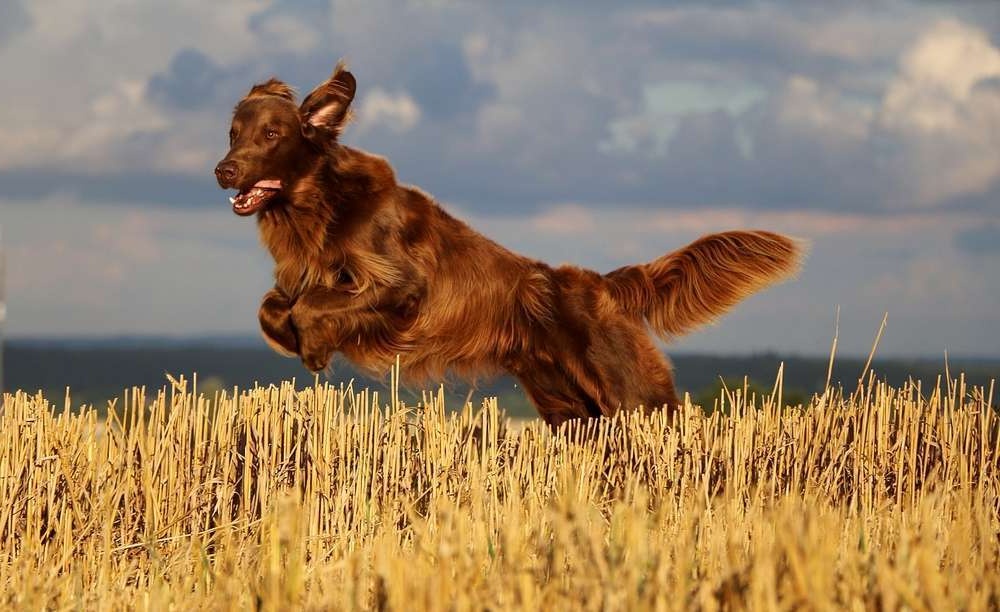
Flat Coats can look “athletic” even when they are carrying extra weight, especially once the coat is fully in. Still, extra kilos matter for joints, stamina, and long-term health. The most practical approach is to feed for the dog in front of you, adjust portions with seasons and activity, and use a body condition score with your vet rather than relying on the label alone.
The WSAVA Global Nutrition Guidelines emphasise an individually tailored approach to feeding and ongoing nutritional assessment, which is particularly helpful for breeds where owners can accidentally drift into overfeeding treats and extras.8
If you are choosing a commercial diet, look for a product labelled as complete and balanced for your dog’s life stage. If you are thinking about home-prepared feeding, do it with professional guidance so you are not guessing at calcium, essential fatty acids, and other nutrients that are easy to miss.
Quiet strengths, and the kind of home that gets the best of them
A well-supported Flat Coated Retriever often becomes the sort of dog who makes you go outside a bit more. They suit people who enjoy training as a shared activity, who can offer daily movement, and who like a dog that is genuinely social.
If you are deciding whether the breed fits, pay attention to the unglamorous bits. Ask yourself if you can provide daily exercise plus training, whether your household can tolerate a dog that stays playful for years, and whether you are comfortable having honest conversations about breed health with breeders and your vet.
Do that, and you are more likely to end up with what the breed does best: a capable retriever with a bright mind, a steady desire to be involved, and a surprisingly gentle way of fitting into family life when their needs are met.
References
- The Kennel Club (UK), Retriever (Flat Coated) breed standard
- RSPCA Knowledgebase, Advice on caring for your dog (exercise, enrichment, training)
- RSPCA Australia, 4 ways to avoid obesity in your dog
- RSPCA Knowledgebase, Reward-based training and avoiding aversive methods
- RSPCA Pet Insurance, How to safely exercise your dog or puppy
- Flat-Coated Retriever Society of America, Hemangiosarcoma health manual
- The Kennel Club (UK), Cancer in dogs (signs and guidance)
- WSAVA, Global Nutrition Guidelines