


You usually start noticing a Fox Terrier because of the way they move through a room, bright-eyed, quick on their feet, always scanning for the next interesting thing. Even in a calm household, they can seem like they have a little motor running inside them. For some people it is the constant “chatting”, for others it is the digging, the sudden sprint after a bird, or the way a small dog can take up so much space in daily life.
It is easy to assume that a Fox Terrier is simply “high energy”, and that more walking will automatically fix the rest. Exercise helps, but this breed tends to do best when their day has purpose and structure, not just more kilometres. Their original job was to think, react, and keep going, often in noisy, distracting environments, and that background still shows up in modern homes.
If you are considering a Fox Terrier, or already living with one, it helps to understand what is normal for the breed, what can be shaped with training, and what needs thoughtful management. Small terriers can be wonderfully companionable, but they rarely thrive on autopilot.
- Breed category: Terrier
- Country of origin: England
- Typical height: Up to about 39 cm at the withers
- Typical weight: Around 8 kg in show condition (dogs), bitches slightly less
- Life expectancy: Often 12+ years
- Coat types: Smooth or wire (dense and very wiry in the wire variety)
- Energy level: High
- Common sticking points: Barking, chasing, digging, boredom-related mischief
History and what the breed was made to do

Fox Terriers developed in England as “hunt terriers”, dogs expected to work alongside hounds and riders, then switch quickly into close, practical work when quarry went to ground.1, 2 That combination of stamina and fast decision-making is a big part of why they still feel so switched on as pets.
Over time, the two coat varieties became more distinct. In the late 1800s, wire and smooth Fox Terriers began to be shown and recorded separately, and interbreeding between coats was discouraged.2 If you meet a modern “Fox Terrier”, it is worth checking whether they are Smooth or Wire, as grooming needs can differ a lot.
In working settings, these terriers were also valued for vermin control, which helps explain a few modern quirks: the enthusiasm for digging, the impulse to investigate every rustle in the garden, and the tendency to find small animals intensely interesting.6
Appearance and physical traits
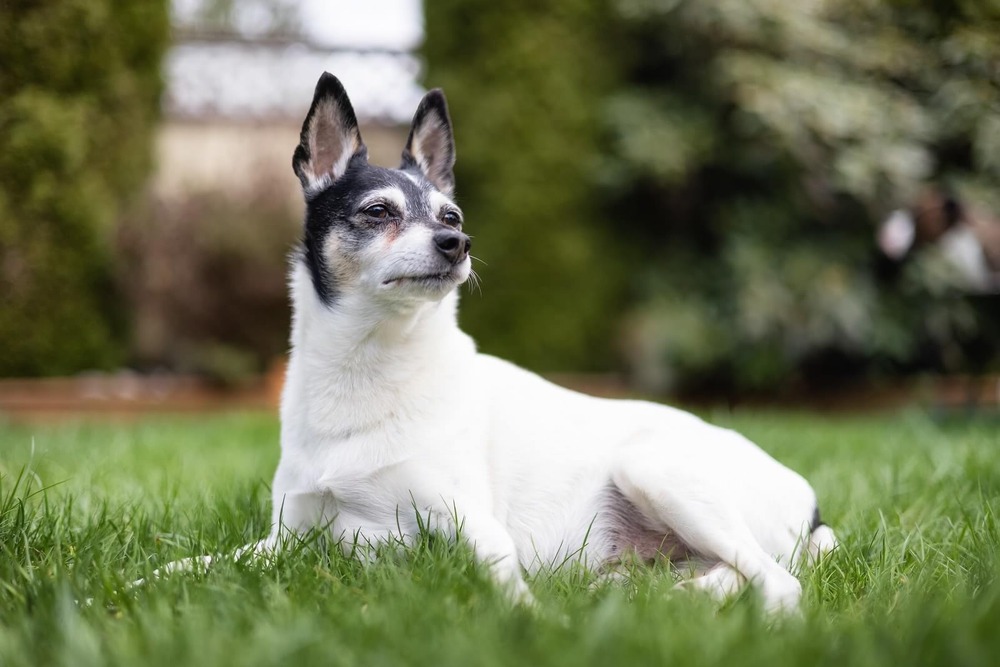
Fox Terriers are compact, athletic dogs with a balanced outline. In the Wire Fox Terrier breed standard, the dog should look active and lively with “bone and strength in small compass”, and a body that reads as roughly as long as it is tall.1
Typical markings are a predominantly white coat with black and/or tan patches. In the wire variety, the coat is described as dense and very wiry, with a shorter, softer undercoat.1 Ears are small, V-shaped, and fold forward close to the cheeks, which gives the breed that alert, listening look even when they are resting.1
Because they are quick and agile, they can be surprisingly good jumpers and enthusiastic climbers. This is less about “naughtiness” and more about a body built for short bursts of action. Planning your fencing, gates, and indoor management with that in mind is often time well spent.
Temperament and everyday behaviour
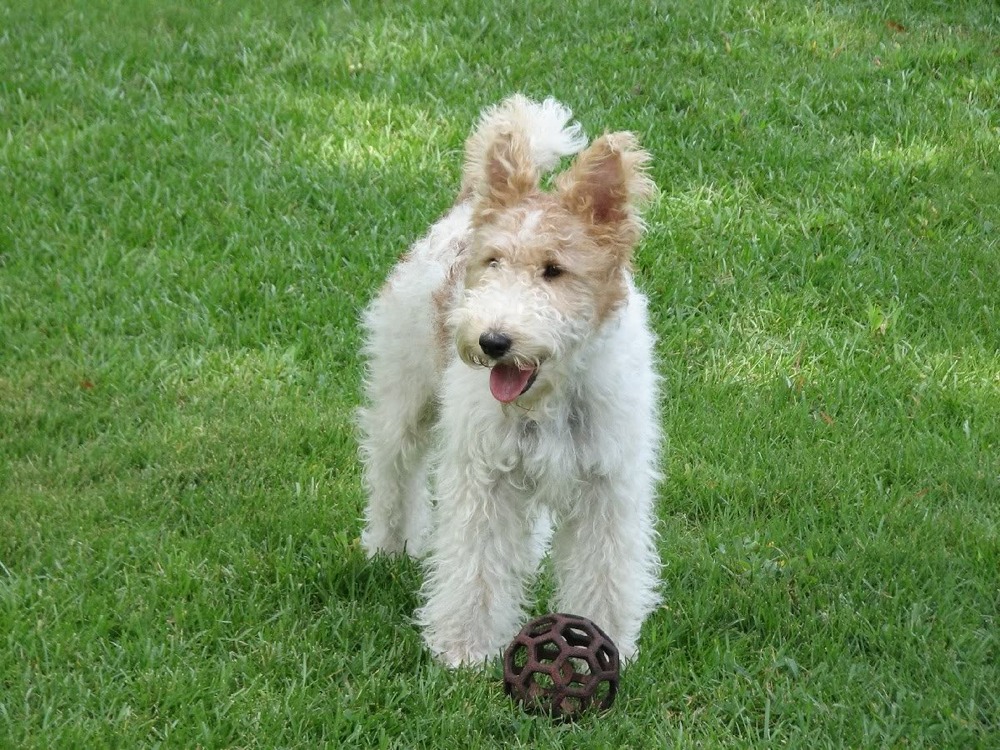
Breed descriptions tend to use words like friendly, forthcoming, fearless, alert, and quick, which matches what many owners experience day to day.1, 2 They often enjoy being involved, and they can be very responsive once you have a training system that makes sense to them.
It is also common for Fox Terriers to be vocal, especially when bored, over-aroused, or watching the world through a window or fence line. Some Smooth Fox Terrier guides specifically flag them as prone to nuisance barking, which is not a character flaw so much as an expression of arousal and habit.4
Many have a strong chase instinct. That can show up as a sudden lunge after wildlife, or a tendency to hassle cats and smaller pets unless introductions and management are handled carefully.3, 5 With thoughtful training, plenty of enrichment, and secure containment, many Fox Terriers live happily in busy neighbourhoods.
Children and other pets
Fox Terriers can do well with children, but the match works best when adults treat it as an active supervision job, not a hope-and-see arrangement. RSPCA guidance on dogs and kids strongly emphasises calm, controlled introductions, watching body language, and directly supervising interactions, especially early on.7
With other pets, early socialisation helps, but it does not erase genetics. If you have rabbits, poultry, guinea pigs, or a nervous cat, it is sensible to assume management will always matter at least a little.3, 5
Training and exercise that actually works
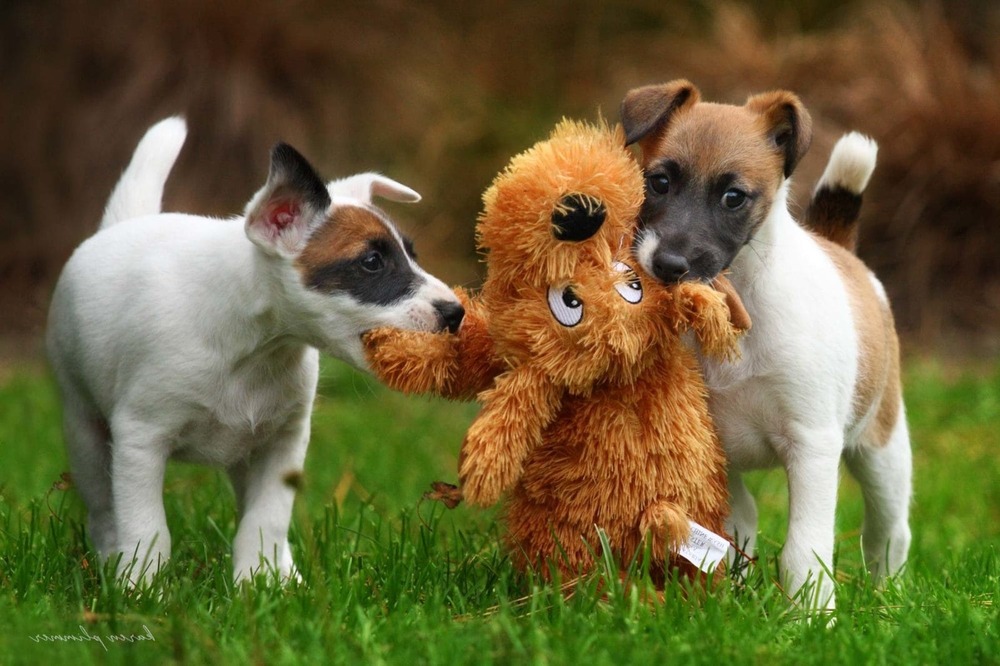
Most Fox Terriers are smart enough to learn quickly and independent enough to decide when something is worth doing. Training tends to go best when you lean into that reality: keep sessions short, reward generously, and build habits you can live with.
If you only remember one thing, make it this: fatigue is not the same as fulfilment. A long walk can still leave a Fox Terrier searching for a “job” at home. Many thrive when their day includes both movement and problem-solving.
Practical outlets that suit the breed often include:
- Sniff and search games (scatter feeding, hidden treats, scent trails)
- Retrieving games with rules (start, wait, release)
- Agility-style skills (low jumps, tunnels, perch work)
- Terrier-appropriate sports such as Earthdog style activities, where available and safely run5
Exercise needs vary by individual, but many Wire Fox Terrier profiles suggest up to about an hour a day as a baseline, with the understanding that some dogs will happily do more if you let them.2
Health and lifespan
Fox Terriers are often long-lived, with many sources placing them in the “over 12 years” range when well cared for.2 Like all breeds, they can have inherited vulnerabilities, and it is worth discussing breed-relevant screening with your vet, especially if you are choosing a puppy.
Eye issues are one area to take seriously. Cataracts can occur in dogs, and some terrier breeds are also predisposed to lens luxation, where the lens shifts out of its normal position. Anterior lens luxation can lead to glaucoma and is considered an emergency.8 If your Fox Terrier has a suddenly cloudy eye, squinting, redness, or obvious discomfort, it is a “call the vet now” situation.
Allergies and skin irritation are also commonly mentioned by owners and in breed write-ups. These are rarely solved by one magic product. They usually improve through a mix of veterinary guidance, parasite control, diet decisions where appropriate, and sensible grooming routines.
Grooming and coat maintenance
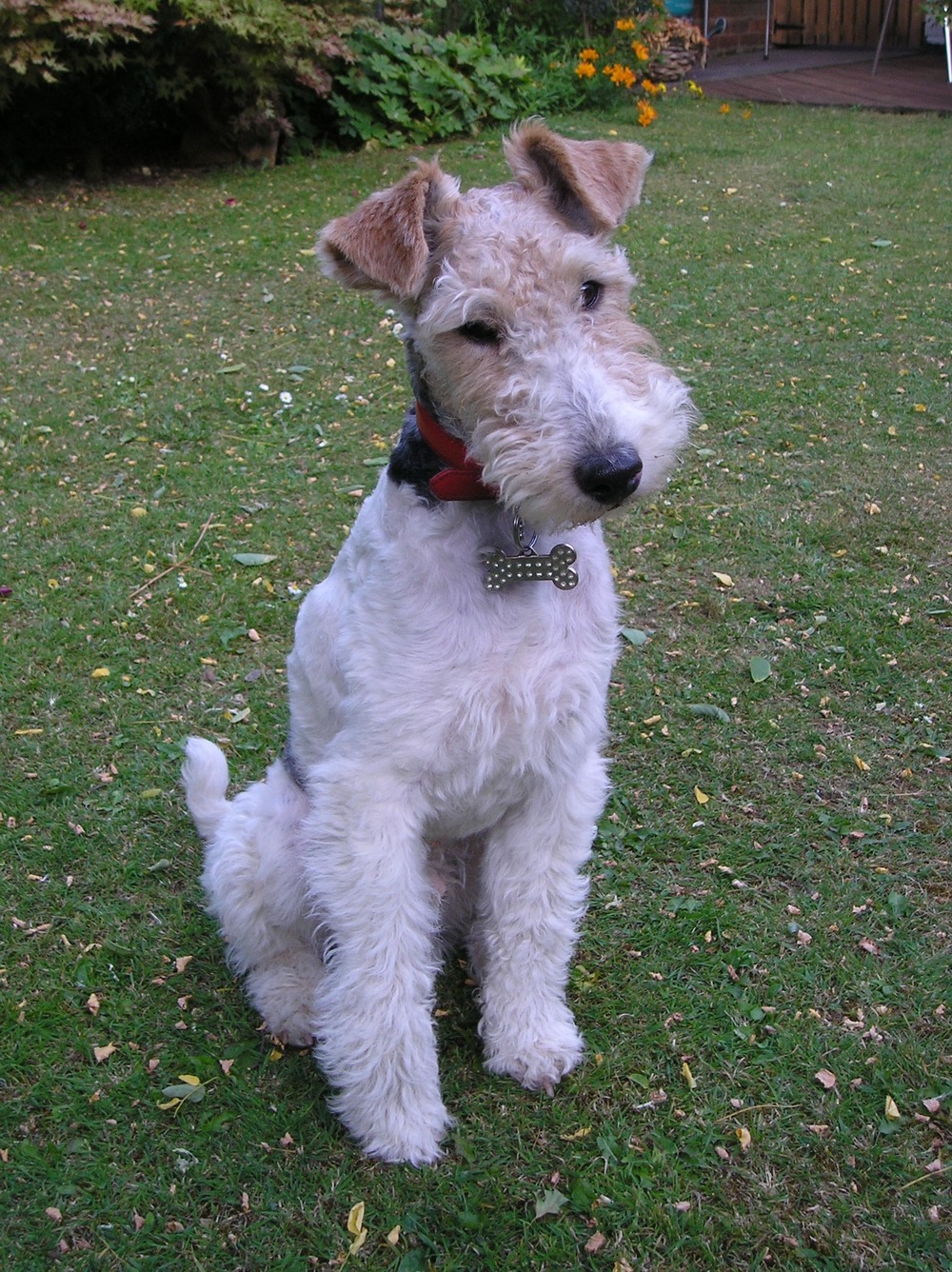
Grooming depends heavily on whether your dog is Smooth or Wire. Smooth coats are generally simpler, with routine brushing to remove loose hair and keep the coat looking tidy.
Wire coats are the bigger commitment. To maintain the classic wiry texture and strong colour, wire Fox Terriers are often hand stripped several times a year. If the coat is clipped, it can soften and lose that crisp look.3 Some owners choose clipping for convenience, which can be perfectly reasonable for a pet dog, but it is useful to understand the trade-off before you begin.
Whatever the coat type, grooming time is also “inspection time”. A quick weekly check of ears, nails, paws, and skin can pick up problems early, which is especially helpful for active little dogs who like to push through discomfort.
Diet and feeding, keeping it simple and steady

Fox Terriers usually do well on a consistent, balanced diet appropriate to their life stage and activity level. Their enthusiasm can make them persuasive around food, so it helps to measure meals, monitor body condition, and treat “extras” as part of the overall plan, not as invisible calories.
If you use treats for training, aim for small, frequent rewards rather than big snacks. That lets you reinforce behaviour without accidentally building weight gain into your training routine.
If you suspect food is contributing to itch, ear issues, or stomach upsets, it is worth working with your vet rather than cycling through random options. Skin and gut problems can have several causes, and a structured approach is usually faster in the long run.
Little things that make Fox Terriers easier to live with
Fox Terriers have a reputation for digging and escaping, and that reputation is not entirely unfair. Digging is a normal terrier behaviour, and some Smooth Fox Terrier guidance notes that they may dig to escape if bored or unsupervised outdoors.5 Rather than trying to eliminate digging completely, many households do better by channelling it.
A few practical ideas that often help:
- Create a designated digging patch (sandpit or loose soil area) and reward using it.
- Rotate enrichment to reduce boredom, especially on wet weeks.
- Block access to fence lines and garden beds that become “projects”.
- Use leads and long lines in unfenced areas because chase can kick in instantly.4, 5
If barking is your household’s main challenge, look first at triggers (windows, fences, visitors, other dogs) and at whether your dog is getting enough decompression time. Training matters, but so does the environment you are asking them to cope with.
Final thoughts
A Fox Terrier can be a brilliant companion for someone who enjoys an alert, busy-minded dog and who does not mind putting real thought into daily routines. They are often friendly and engaging, but they are not a breed that blends quietly into the background.
If you can provide secure management, a mix of exercise and enrichment, and calm, consistent training, you are likely to see the best of what terriers do so well: optimism, resilience, and a genuine appetite for the world.
References
- The Kennel Club (UK): Fox Terrier (Wire) breed standard
- The Kennel Club (UK): Fox Terrier (Wire) breed information
- The Fox Terrier Club (UK): Breed information and grooming notes
- WebMD: What to know about Smooth Fox Terriers
- PetMD: Smooth Fox Terrier dog breed health and care
- The Kennel Club (UK): Fox Terrier (Wire) background and development notes
- RSPCA Australia Knowledgebase: Introducing a new dog or puppy to children
- VCA Animal Hospitals: Lens luxation in dogs