

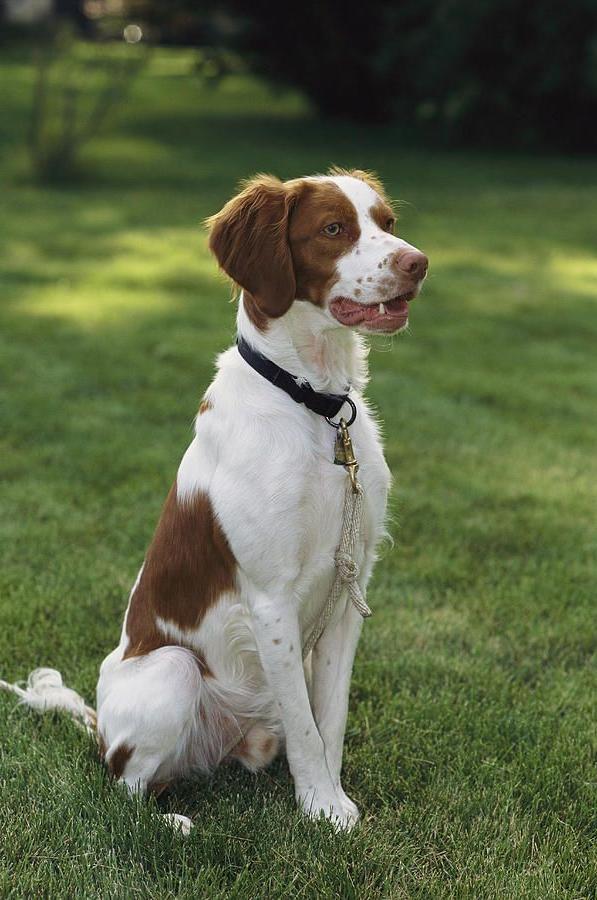
- Breed category: Sporting (gundog type)
- Country of origin: France
- Average height: Males 56 to 61 cm, females 53 to 59 cm1, 2
- Typical weight: Commonly around 20 to 32 kg (varies by line and condition)3
- Average lifespan: Often around 10 to 12 years (some sources report a wider range)4
- Coat: Medium length, slightly wavy, feathering on ears, legs and tail
- Colour: White with brown markings, sometimes with ticking or roan1, 2
- Shedding: Moderate
- Grooming: Moderate, regular brushing and ear care
- Exercise needs: High, best with daily, purposeful activity
- Temperament: Generally gentle, sociable, biddable
- Common health watch-outs: Hip dysplasia risk in some lines, ear problems in floppy-eared dogs
- Best suited to: Active homes, people who enjoy training, scent work, and outdoor time
You might first notice a French Spaniel when you meet one out on a trail or at a training oval, and you cannot quite place what you are looking at. Spaniel shape, setter-ish outline, a calm face, and a dog that seems to move like it has a job to do. Then you go searching, and the information can feel oddly patchy, because the breed is still relatively uncommon in many places.
It is also easy to assume that a “spaniel” will be a busy, bouncy flushing dog, or that any hunting breed will struggle to settle in a family home. The French Spaniel (Épagneul Français) tends to complicate those shortcuts. In the right home, it can be a steady, affectionate companion, but it still needs real outlets for its nose, legs, and brain.
What matters in practice is not whether the breed sounds “easy”, but whether its everyday needs match your everyday life. With a French Spaniel, the fit often comes down to training style, exercise rhythm, and the kind of companionship you want with a dog that was shaped to work closely with people.
Where the French Spaniel came from, and what it was bred to do

The French Spaniel is widely described as an old French gundog, developed as a versatile pointing and retrieving dog that could hunt cooperatively and methodically across varied ground.3, 5 You will often see references to “Middle Ages” origins. That is best read as a broad historical claim rather than a neat, fully documented timeline, but it does reflect how long this type of dog has been valued in France for practical field work.3
In modern terms, the key point is simple: this is a dog bred to search with its nose, to move with purpose, and to take direction. Even when kept purely as a companion, those instincts do not vanish. They show up as a strong interest in scent, a willingness to range if given the chance, and a tendency to thrive when training feels like a shared task rather than a battle of wills.
A note on recognition and rarity
Depending on where you live, the French Spaniel may be rare, which affects everything from finding an experienced breeder to locating a vet who has seen many of them. Breed clubs in Canada, especially in Quebec, have played a visible role in maintaining type and promoting health screening.6
Temperament in day-to-day life

Many owners and breed organisations describe the French Spaniel as gentle and people-oriented, often happiest when included in the household routine rather than left to entertain itself in the yard.3, 5 That does not mean it is “low needs”. It tends to want company, and it tends to want something meaningful to do each day.
With children and visiting friends, the breed’s reputation is generally positive, particularly when the dog is well socialised and the household sets calm boundaries. As with any gundog type, early practice around excitement, movement, and noise helps the dog learn how to settle, not just how to play.
If you already have other pets, introductions and management still matter. A French Spaniel may be friendly, but it is also a dog with hunting heritage, and prey drive can vary between individuals. It is more helpful to watch what your dog does around birds and small animals than to rely on a single promise about the breed.
Training that suits the breed
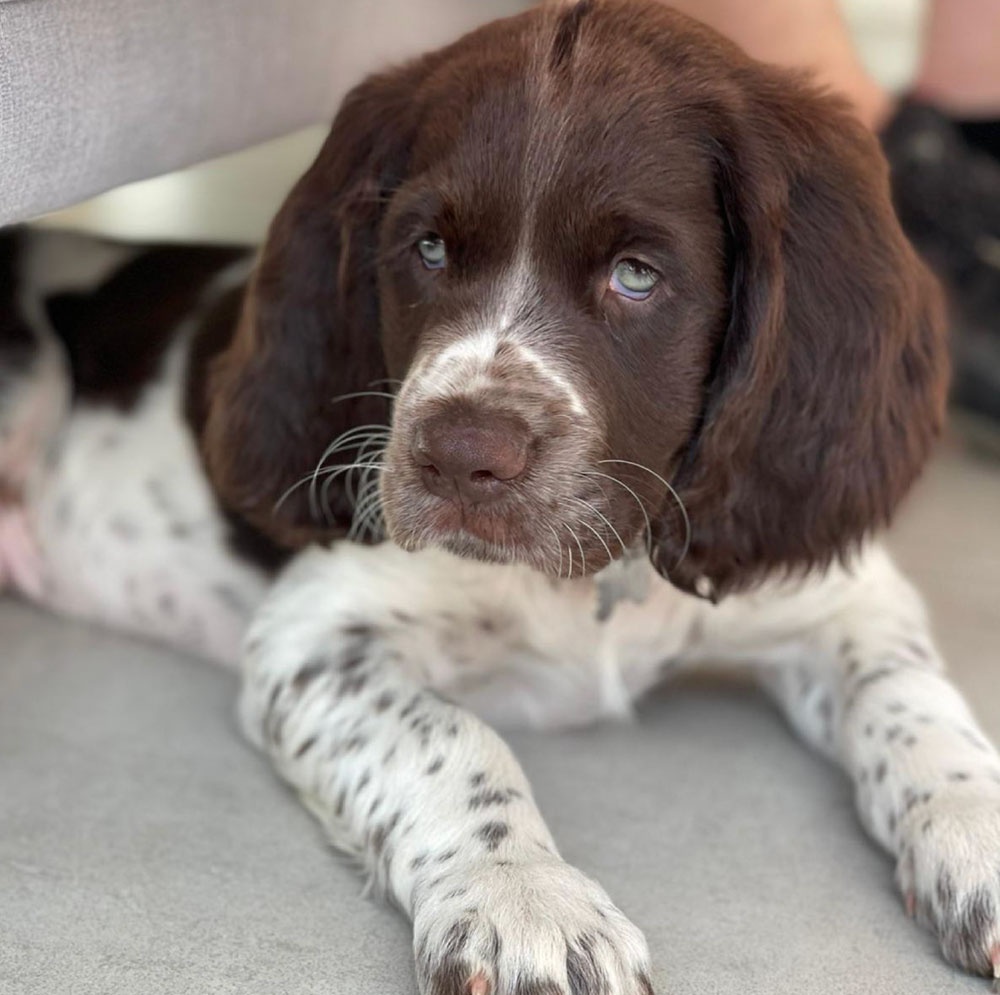
French Spaniels are commonly described as biddable and responsive, and they often do best with calm, consistent positive reinforcement rather than harsh handling.3 The practical reason is not about “softness” as a label, but about keeping the dog thinking and engaged. If training becomes unpredictable or confrontational, many sensitive, handler-focused dogs simply stop offering behaviour.
Short sessions, clear cues, and rewards that match the job tend to work well. For some dogs that is food. For others it is movement, a thrown dummy, or permission to sniff and explore. If you plan to do field work, it is worth finding a trainer who understands pointing breeds and can help you build steadiness without flattening the dog’s natural enthusiasm.
Common household skills worth prioritising
- Recall with distractions, especially around birds and scent
- Loose-lead walking that includes structured sniff breaks
- Settle on a mat, so the dog learns an “off switch”
- Handling practice for ears, paws, grooming, and vet checks
Exercise and enrichment, more than just a long walk
A French Spaniel usually needs daily exercise that is both physical and mental. In many households, that means a reliable pattern, such as a morning walk plus an evening training game, or a run paired with scent work in the backyard.
They often shine when given jobs that match their breeding: retrieving games, tracking-style scent activities, and off-lead exploring in safe areas. If you cannot offer off-lead time, you can still meet many of the same needs through long-line walks, structured fetch, and searching games that let the dog use its nose.
Be mindful in warm weather. Dogs with thicker coats and high drive can overdo it if you let them, particularly if they are chasing balls or running hard without breaks. Aim to exercise in cooler parts of the day, keep water available, and watch for signs of overheating such as heavy panting, drooling, weakness, or vomiting.7, 8
Health considerations and preventative care

No breed is “problem free”, but you can stack the odds in your favour by choosing a breeder who screens, and by keeping your dog fit and well monitored across its life. Hip dysplasia is a known concern across many medium to large sporting breeds, and some French Spaniel clubs have emphasised hip assessment as part of their programs.6
Those long, floppy ears are another practical consideration. Ear infections are not inevitable, but the shape of the ear can reduce airflow and trap moisture and debris, especially after swimming or frequent field work. Ear care should be guided by your vet, and it helps to remember that over-cleaning can irritate the ear canal as much as neglect can.9
When to check in with your vet
- Persistent head shaking, scratching, odour, or discharge from the ears
- Limping, stiffness, or reluctance to jump or run
- Sudden drop in stamina, appetite changes, or unusual discomfort after exercise
Coat care, grooming, and the reality of “moderate maintenance”
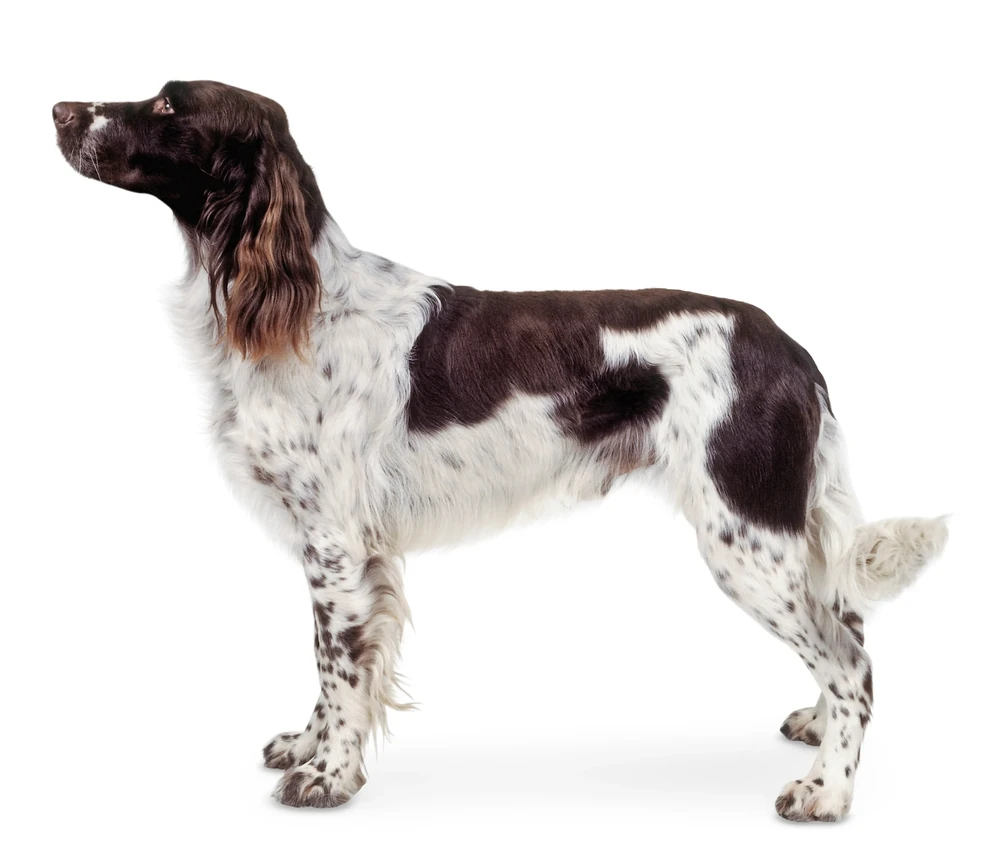
The French Spaniel coat is usually medium-length with feathering, which means it can collect burrs, grass seeds, and tangles after a big outing. Most households find that a good brush once or twice a week is enough, with extra attention during seasonal shedding or if the dog is in thick scrub.
Pay special attention to feathering behind the ears, along the legs, and under the belly. Keeping those areas free of mats is not just cosmetic. It is more comfortable for the dog, and it makes it easier to notice skin irritation, parasites, and grass seeds early.
After swims or wet-weather walks, dry the ears and check for redness or smell. If your vet has recommended ear cleaning, follow their schedule and technique. Avoid cotton-tipped applicators, which can push debris further in and risk injury.9
Feeding, body condition, and joint-friendly habits
French Spaniels are active dogs, but they can still gain weight if calories creep up and exercise drops off. Keeping your dog in a lean, athletic condition is one of the simplest ways to support joints, stamina, and long-term comfort.
Choose a complete and balanced diet suited to your dog’s age and activity, and adjust portions based on body condition rather than the label alone. If you are doing regular high-output work such as hunting, canicross, or long-distance hiking, talk with your vet about whether the diet needs to shift to support that workload.
It is also worth building a routine that protects growing joints in puppies: avoid repetitive high-impact exercise, keep the pup lean, and focus on skills, balance, and confidence rather than endurance.
Is a French Spaniel the right fit?
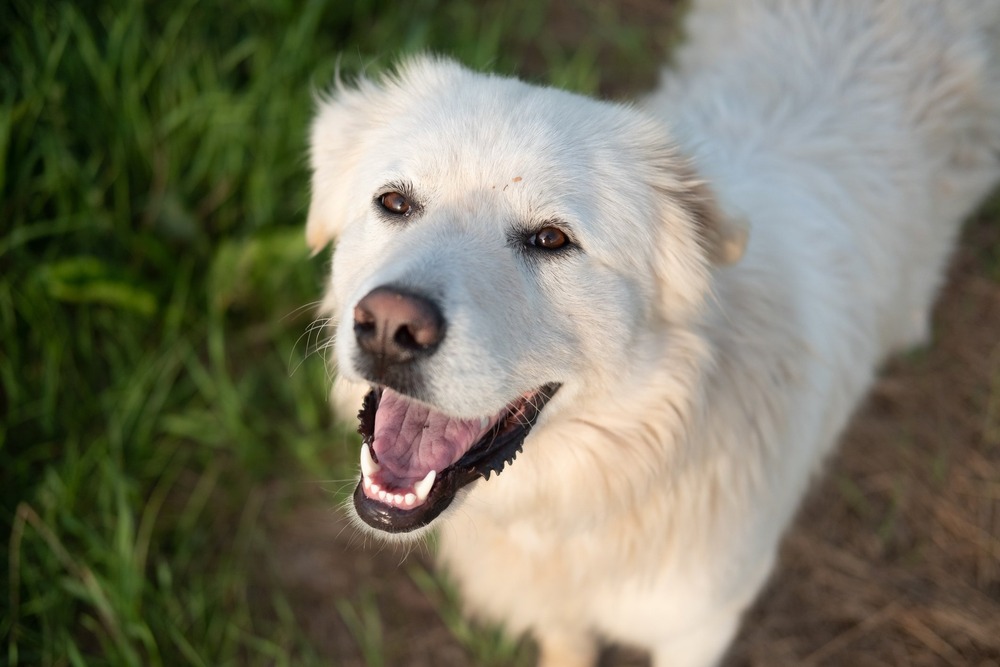
The French Spaniel tends to suit people who enjoy a dog that feels like a partner. Not a dog you “wear out”, and not a dog that expects to be entertained all day, but a dog that becomes its best self when life includes movement, training, and shared routines.
If you want a companion that can be affectionate at home and genuinely capable outdoors, it is an appealing combination. Just be honest about the daily realities: exercise is not optional, boredom tends to show up as nuisance behaviour, and the dog will usually want to be near you, not parked at the edge of your life.
References
- United Kennel Club (UKC), Epagneul Francais (French Spaniel) breed standard
- Fédération Cynologique Internationale (FCI), Epagneul Français breed information
- Canada’s Guide to Dogs, French Spaniel (Épagneul Francais) breed profile
- Hepper, French Spaniel: Info, Pictures, Characteristics and Facts
- CanaDogs, French Spaniel (Épagneul Français) overview
- Club de l’Épagneul Français (Quebec), club information and confirmation criteria
- RSPCA Australia, protecting pets from heatstroke
- RSPCA Pet Insurance Australia, heatstroke guide for cats and dogs
- VCA Animal Hospitals, instructions for ear cleaning in dogs