

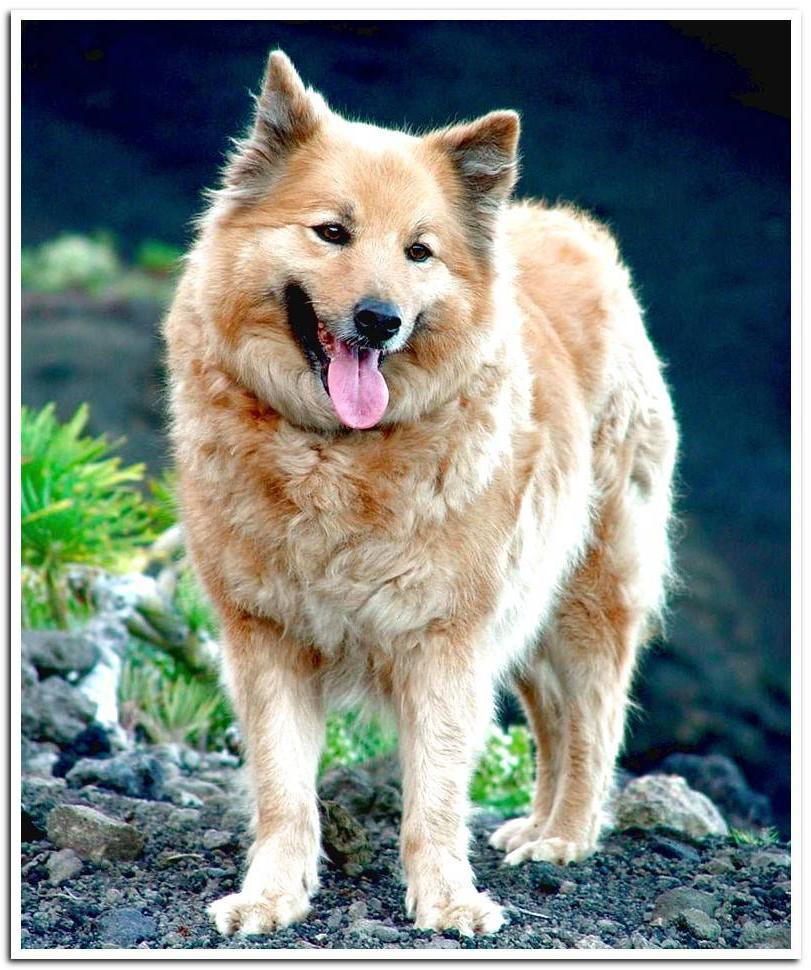
People usually come across the Garafian Shepherd Dog after seeing a photo from La Palma, hearing the name in passing, or meeting a dog that looks a bit like a lean, weatherproof shepherd type but does not quite fit the better-known breeds. It can be hard to tell what you are looking at, because the Garafian is still uncommon outside its home island.
It is easy to assume “rare breed” means “high maintenance” or “temperamental”. In practice, the Garafian Shepherd Dog (also known as the Pastor Garafiano) was shaped by work, not fashion. That tends to produce dogs that are capable, observant, and practical, but it also means they often do best with people who enjoy training, movement, and a bit of daily structure.
What matters most is not whether the Garafian is “good” or “bad” as a pet, but whether its instincts, energy, and handling needs line up with your life. When they do, you often end up with a dog that feels quietly impressive, rather than flashy.
Breed snapshot: what to expect day to day
Breed category: Herding (traditional pastoral dog).
Origin: La Palma, Canary Islands (Spain).1
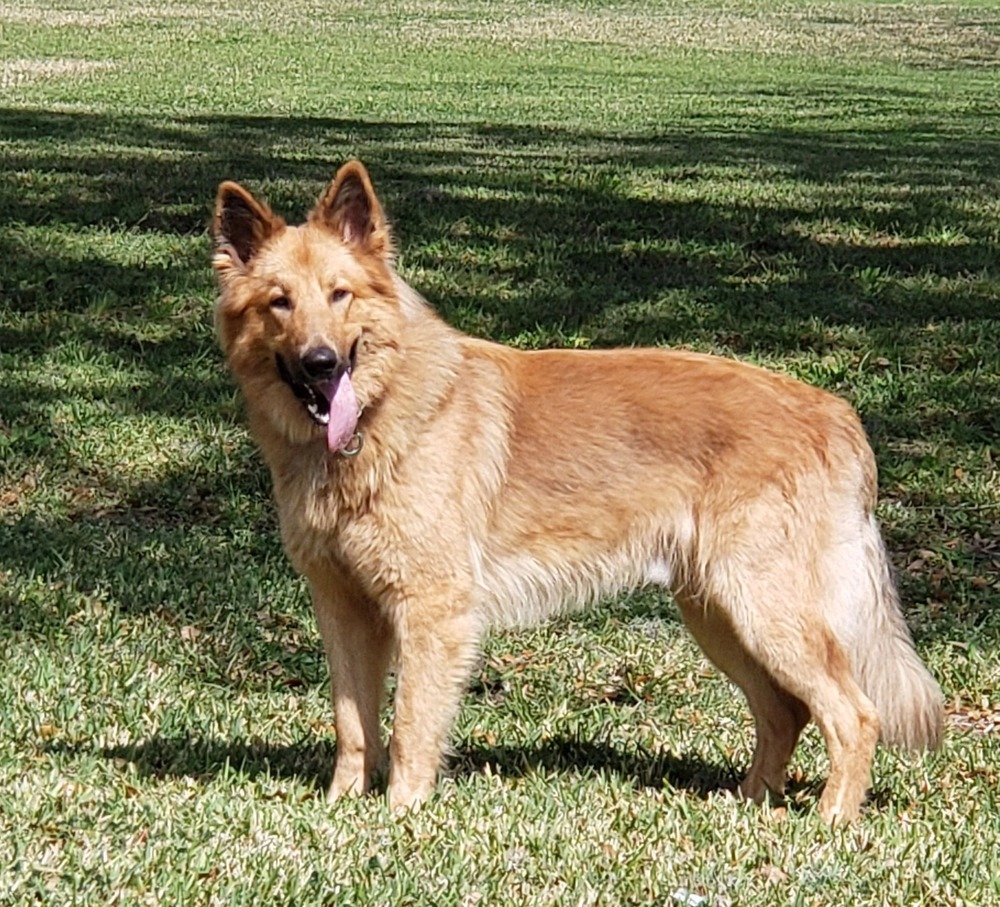
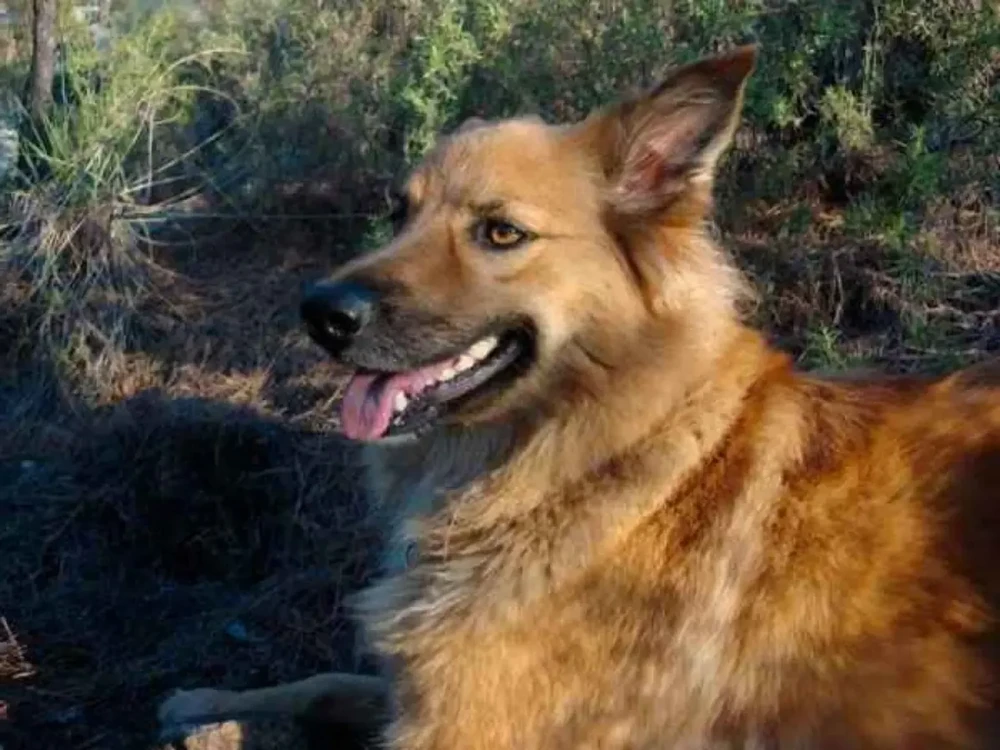
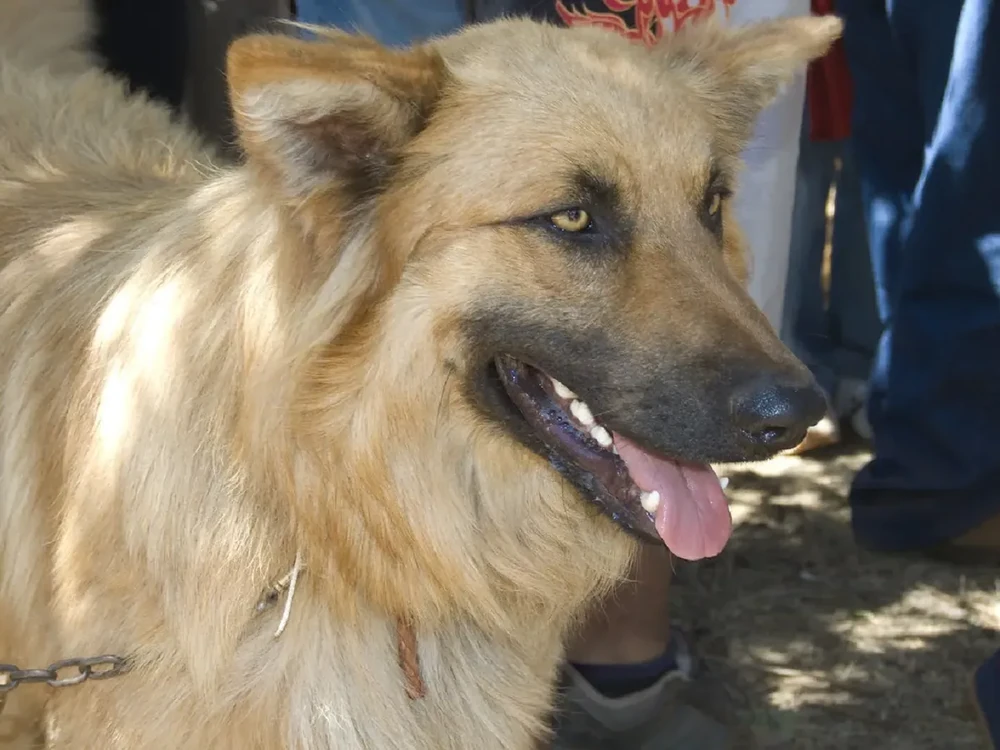
Typical size: Medium, athletic build. Published height and weight ranges vary a little by source and standard, which is common in rarer, locally developed breeds. As a guide, many adults sit in the mid 50 cm range at the withers and roughly the 20 to low 30 kg range, with males usually larger.1, 2
Coat: Dense, weather-suited coat with seasonal shedding. Expect regular brushing, and more coat in the house during change of seasons.
Energy and engagement: High daily activity needs plus a preference for having a “job”, even if that job is structured training, scent games, or accompanying you on hikes.
Common health watch-outs: As with many medium to larger active dogs, hip development and eye health are worth taking seriously when you are choosing a breeder and planning routine care.6, 7
Origins and working background on La Palma
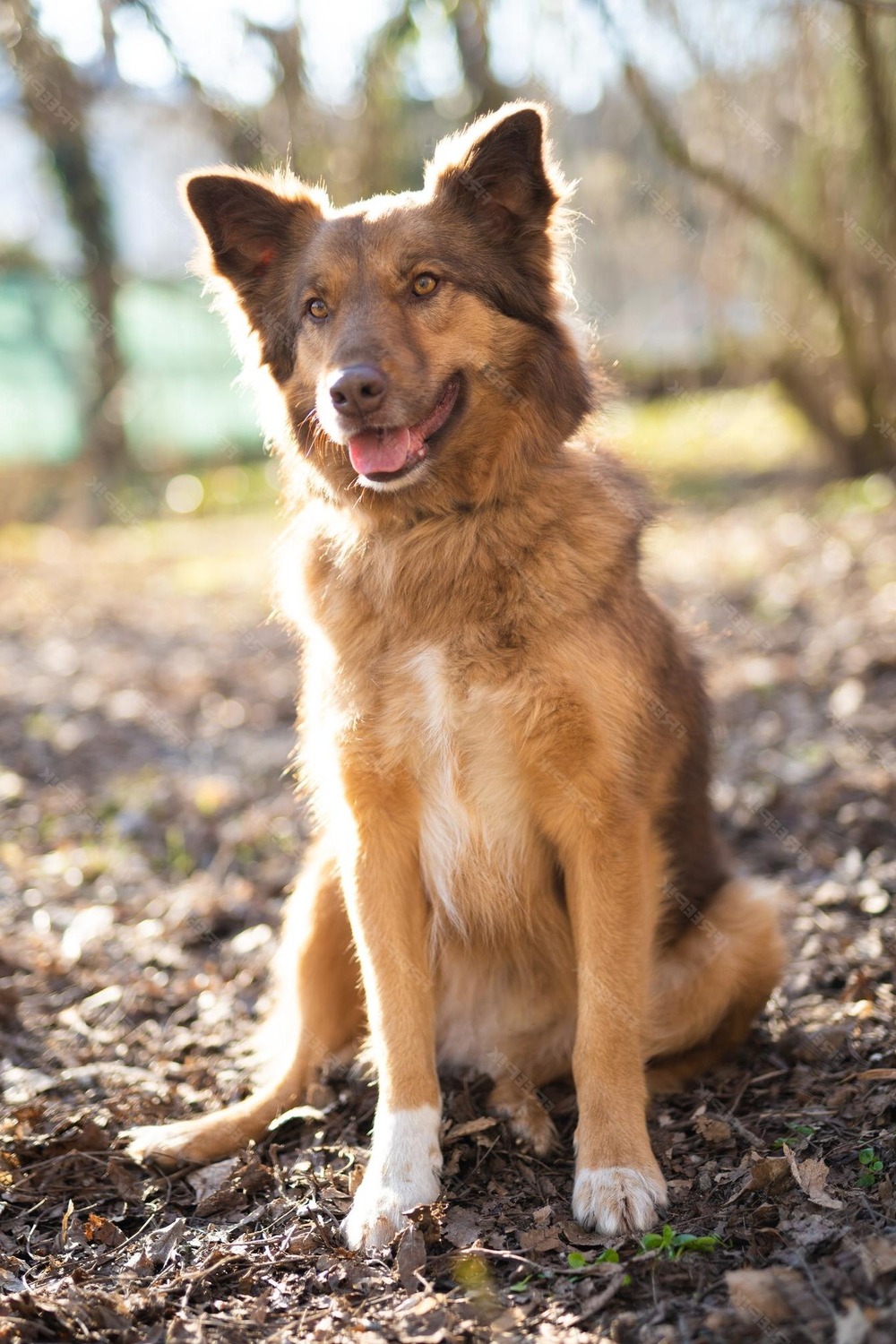
The Pastor Garafiano is a native herding dog of La Palma, developed for moving and managing livestock in steep, rocky terrain. That landscape matters, because it helps explain why these dogs tend to be agile, sure-footed, and able to work for long stretches without falling apart physically or mentally.1
Historical records for island working dogs are often patchy, but what comes through clearly is that the Garafian was shaped by farmers selecting for usefulness over generations. In the late twentieth century, there were organised efforts to preserve and standardise the breed as out-crossing increased and numbers dropped.1, 2
Official recognition is commonly reported as early 2000s, and the Real Sociedad Canina de España (RSCE) is widely cited in that context. Some sources differ on whether recognition was 2003 or 2004, so it is best read as “early 2000s” unless you are working from RSCE documents directly.1, 2
Temperament: loyal, switched-on, and sometimes a bit busy
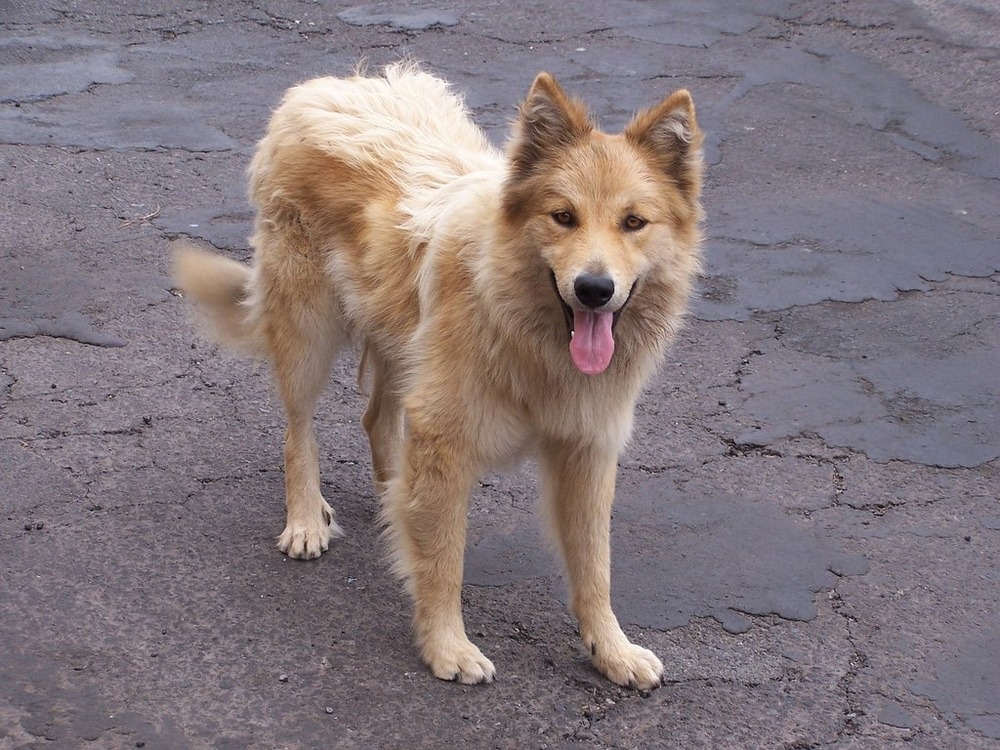
The Garafian Shepherd Dog is often described as loyal and intelligent, which is true in the everyday, practical sense. Many herding breeds pay close attention to movement, routine, and changes in the environment. That can look like “protectiveness” at the fence line, or a tendency to position themselves where they can observe what is going on.
With unfamiliar people, a herding dog can be reserved without being unsafe. What you are aiming for is a dog that can notice, then settle again. Early socialisation helps a lot here, not by forcing friendliness, but by teaching calm, neutral experiences with visitors, noises, and new places.
One gentle misconception is that a smart dog automatically “knows what you mean”. In reality, intelligence often means the dog learns patterns quickly, including accidental ones. If jumping, barking, or chasing has ever worked, it can become a well-practised habit unless you put a clearer behaviour in its place.
Family life, children, and other pets
In the right home, a Garafian can live well as a companion dog, but it helps to be honest about what “right home” means. This is typically not a low-energy, lay-about-all-day breed.
With children, the basics apply: supervision, teaching kids how to interact respectfully, and giving the dog quiet spaces. Herding breeds may try to control movement, which can sometimes show up as circling, chasing, or nipping at heels if play gets chaotic. That is not “bad intent”, it is an instinct that needs management and training.
With other dogs, they often do best when socialised early and given enough space to decompress. With smaller animals, caution is sensible until you know the individual dog’s prey drive and herding intensity.
Training that suits a Garafian: clear, reward-based, and consistent
For a breed like this, training is not a “fix” you apply when something goes wrong. It is part of how the dog stays settled and socially fluent. The methods that tend to hold up best over time are reward-based, positive reinforcement approaches that teach the dog what to do, not just what to stop doing.3
Short sessions, repeated often, usually work better than long drills. Many owners find it helpful to rotate between:
- Foundation cues (recall, loose lead walking, settle on a mat)
- Impulse-control games (waiting at doors, leaving food, calm greetings)
- Brain work (scent games, simple tracking, puzzle feeders)
If barking or guarding behaviours appear, it is worth getting early support from a qualified trainer who can assess the context. With herding breeds, behaviour is often situational, and small handling changes can make a big difference.
Exercise and enrichment: more than just a walk
Garafians were developed to move across difficult ground and make decisions while working. A steady daily walk helps, but many dogs also need something mentally involving to avoid turning that energy into self-appointed jobs.
Useful outlets often include hiking, controlled off-lead time in safe areas, agility-style play, and structured tug or retrieve games. If your dog enjoys it, scent work is a particularly good match because it is tiring without having to run the dog into the ground.
In hot weather, be cautious. Dense-coated dogs can struggle more with heat than cold, so adjust exercise timing, choose shaded routes, and keep water available.
Health notes: hips, eyes, and the basics that prevent problems
Most owners want a simple answer about “common health issues”. With rarer breeds, published data can be limited, so it is sensible to focus on the big, well-understood areas relevant to medium to larger active dogs: joint health and eye health.
Hip dysplasia is a developmental condition involving looseness and instability of the hip joint, which can lead to pain and arthritis over time. Genetics play a large role, and keeping dogs lean during growth is also important.6
For eyes, inherited conditions vary by breed and line. One practical step is to choose breeders who use recognised screening pathways. In many countries, that means exams performed by veterinary ophthalmologists, with results recorded through established schemes.7, 8
Whatever the breed, the most effective “preventative care” still looks familiar:
- Keep your dog at a healthy body condition, not just a “normal” weight
- Maintain routine veterinary care and parasite prevention suited to your area
- Build fitness gradually, especially in young dogs
Coat care and grooming: practical, not fussy
The Garafian’s coat is built for weather and terrain. That usually means you will get a coat that copes well outdoors, but sheds in predictable waves.
A thorough brush once or twice a week is a good baseline for many dogs, with more frequent brushing during seasonal coat blow. Focus on areas where tangles form, such as behind the ears, around the neck ruff, and the feathering on legs and tail.
Bathing does not need to be frequent. Over-bathing can dry the skin, so it is often better to rinse mud off and brush through once dry. Keep nails trimmed and check ears regularly, especially if your dog is out in scrub and long grass.
Feeding and nutrition: build the diet around the dog in front of you
For an active, medium-sized herding dog, the goal is steady energy, good muscle maintenance, and a body condition that protects joints. That usually means feeding a diet that is complete and balanced for the dog’s life stage, then adjusting portions based on condition and workload, not the packet alone.4
It also helps to be clear about what not to share. Some human foods are genuinely dangerous for dogs, including chocolate, grapes and raisins, and onions and related alliums.5
If you are changing foods, do it gradually and keep notes on stool quality, itchiness, and appetite. If anything seems off for more than a few days, your vet can help rule out parasites, dietary intolerance, or a simple mismatch between food richness and activity level.
Final thoughts: who this breed tends to suit
The Garafian Shepherd Dog makes the most sense for someone who likes living with a dog that notices things, learns quickly, and wants to participate. They are not “set and forget” dogs, and they are rarely at their best when under-exercised or left to invent their own entertainment.
For active households that enjoy training, outdoor time, and a calm, consistent approach, the Garafian can be a deeply satisfying companion. Their story is tied to a specific place and way of working, and when you respect that background, their day-to-day behaviour tends to make a lot more sense.
References
- Wikipedia: Pastor Garafiano
- Wikipedia (Spanish): Perro de pastor garafiano
- RSPCA Knowledgebase: Reward-based dog training
- WSAVA: Global Nutrition Guidelines
- ASPCA: People foods to avoid feeding your pets
- American College of Veterinary Surgeons: Canine hip dysplasia
- Orthopedic Foundation for Animals (OFA): Eye disease registry information
- The Kennel Club (UK): Eye screening scheme overview
- American Veterinary Medical Association: Puppy socialisation