

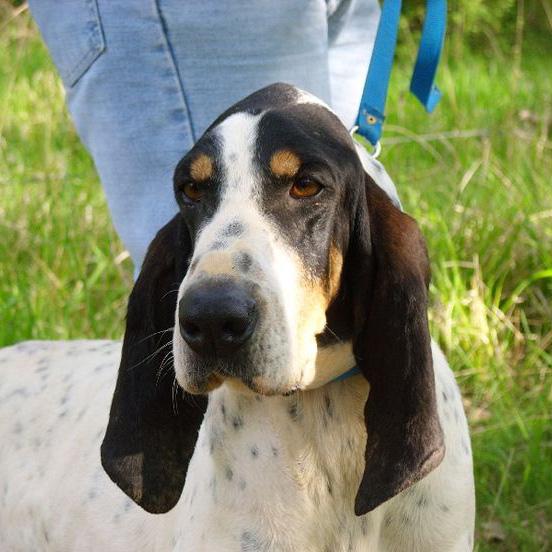
Sometimes you meet a dog that looks like it belongs outdoors, not because it is restless or unruly, but because everything about it seems tuned to distance. A nose that drops to the ground on a walk. A steady trot that does not fade. A voice that carries when something interesting has passed through the air hours earlier.
The Gascon Saintongeois often comes into people’s lives as a “what is that hound?” moment, perhaps seen at a rural property, a hunting pack, or in a photo where the dog looks elegant but workmanlike. It is easy to assume a hound like this will either be hard work, or else naturally calm because it looks composed. In practice, it is usually both: gentle at home when its needs are met, and very switched on when there is scent, movement, or open space.
Understanding this breed is mostly about understanding purpose. The Gascon Saintongeois was shaped for hunting in a pack, and that heritage still influences how it moves, learns, rests, and relates to the world, even in a non-hunting home.1, 2
- Breed category: Scent hound
- Country of origin: France
- Height (Grand variety): Males 65 to 72 cm, females 62 to 68 cm
- Coat: Short, close, white with black patches, with limited tan points
- Typical lifespan: Often around 10 to 12 years (varies with lines and care)
- Exercise needs: High, steady daily outlets suit them best
- Best suited to: Homes with space, time outdoors, and interest in training and scent work
History and origin
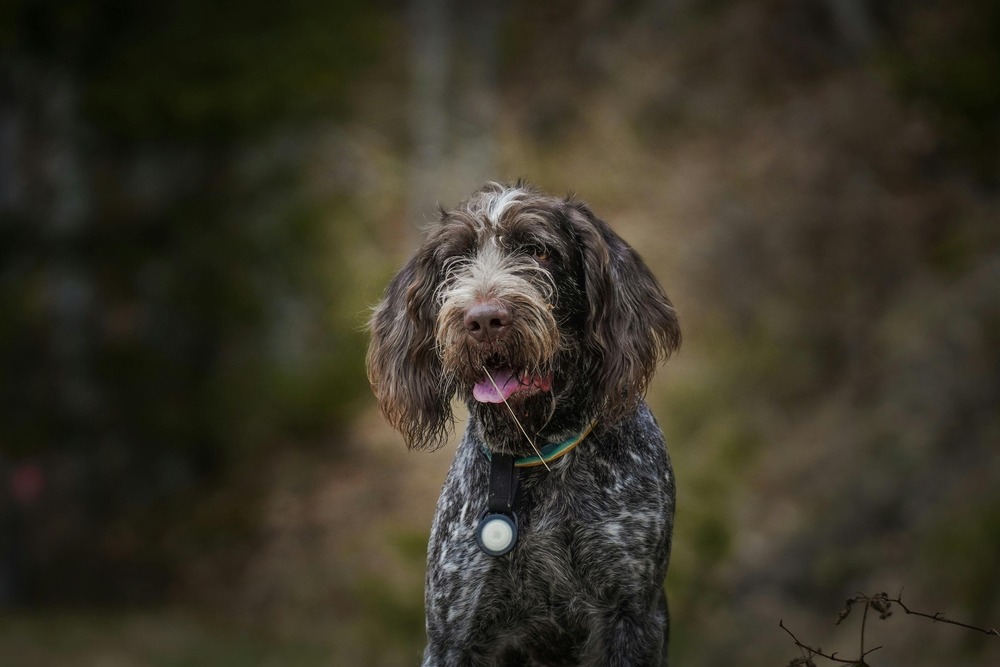
The Gascon Saintongeois is a French scenthound developed in the 1800s, at a time when older hunting lines were in decline after social upheaval in France. The breed is commonly described as a cross between the remaining Saintongeois hounds and the Grand Bleu de Gascogne, with the goal of rebuilding a capable pack hound for demanding country.1, 3, 4
You will also see it discussed as two varieties within the same breed: Grand and Petit. The smaller Petit type was selected later for different quarry, but it is still a substantial, athletic hound rather than a small dog.1, 2
A pack hound, first and foremost
The Gascon Saintongeois was designed to work with other dogs, following a trail with patience and stamina. In a modern home, that can show up as a dog that enjoys canine company, settles well with routine, and becomes deeply interested in scent trails on walks.
Physical characteristics that matter day to day
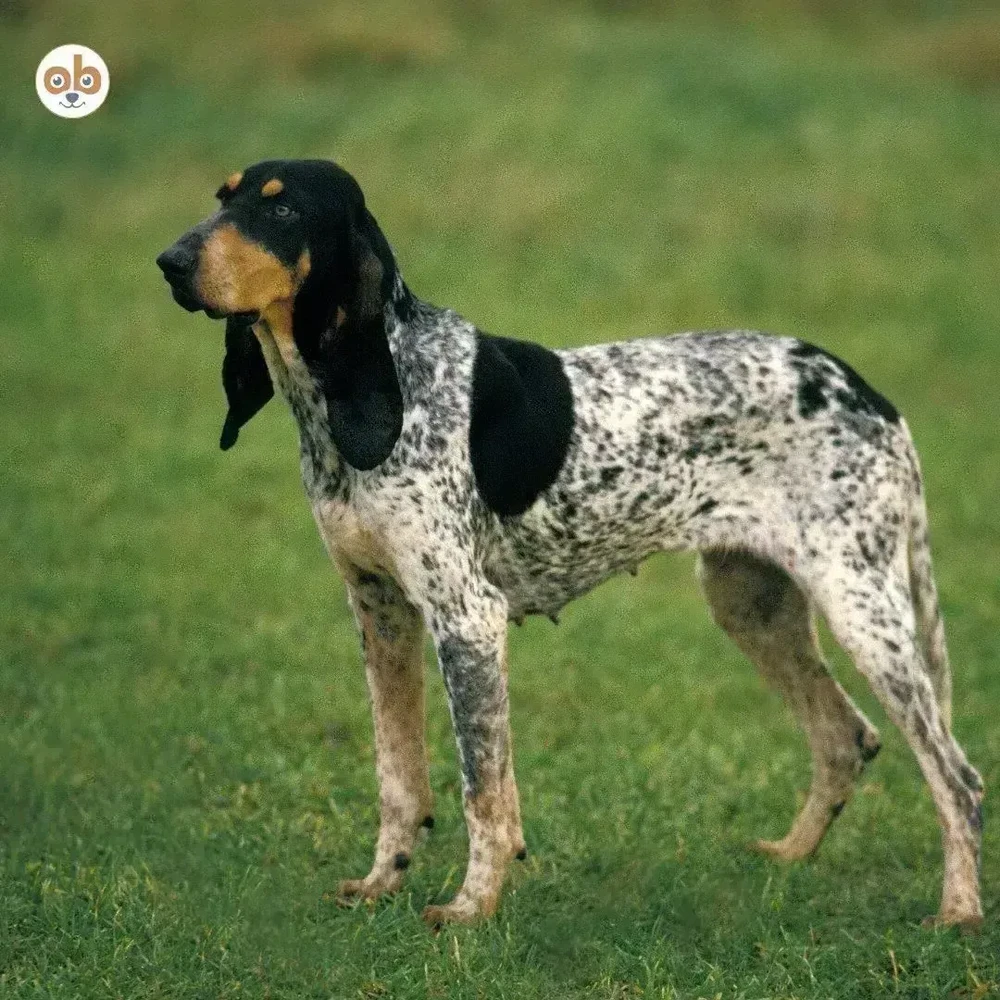
This is a tall, lean, muscular hound with long drop ears and a short, close coat. In the Grand variety, the height range is typically in the mid 60s to low 70s centimetres at the withers, which means benches, gates, and car access become practical considerations, not just aesthetics.2
Coat colour is usually described as white with black patches, sometimes with ticking. Tan is present as small markings, often above the eyes, but the breed standard is careful about not presenting an overall tricolour look. If you are comparing photos online, that nuance explains why some dogs look more “marked” than others while still fitting the type.2
Those long ears are part of the job
Drop ears help funnel scent, but they also reduce airflow into the ear canal. That does not mean a Gascon Saintongeois will definitely get ear trouble, but it does mean owners should treat ear care as ordinary maintenance, especially after water, mud, or long days outdoors.
Temperament and behaviour in a home setting
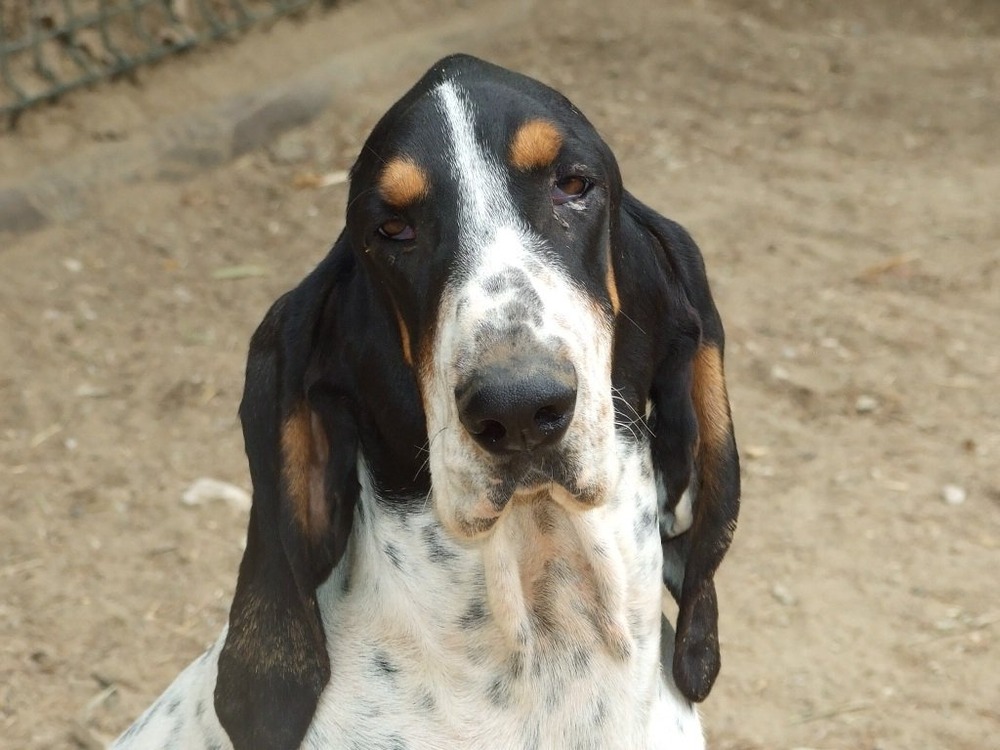
Many Gascon Saintongeois are steady and sociable with their own people, and often pack-oriented with other dogs. In the house, they tend to do best when their day has a shape to it: a meaningful outing, a chance to sniff, a quiet place to rest, and predictable expectations.
Outdoors, the hound brain can be very present. If a scent is interesting, it can be more reinforcing than food or praise. This is not stubbornness so much as a dog doing what it was bred to do. For day-to-day living, it means recall and off-lead reliability need to be trained carefully and managed realistically, particularly around wildlife or livestock.
Voice and “baying”
Scent hounds are known for a carrying voice, and the Gascon Saintongeois is often noted for it in breed descriptions. In practical terms, some individuals will be more vocal than others, but it is wise to assume you may be living with a dog that communicates loudly when excited, tracking, or calling to other dogs.1
Training and exercise needs
The healthiest relationship with a Gascon Saintongeois usually starts with one simple idea: exercise is not just kilometres. They do need physical conditioning, but they also need time to use their nose, and opportunities to practise calm behaviour when something smells thrilling.
Short, thoughtful sessions often work better than drilling. Many hounds respond well to reward-based training, but you may need to make the reward meaningful, such as access to sniffing, a game, or a food reward delivered in a way that does not break the dog’s focus.
Activities that often suit the breed
- Long-line walks where sniffing is allowed, not constantly interrupted
- Scent games in the yard, such as hidden treats or a dragged scent trail
- Hiking and steady jogging for adult dogs with appropriate conditioning
- Structured rest after exercise, so arousal does not stay high all day
Health and lifespan considerations
As with many medium to large breeds, hip dysplasia is a known concern across the dog population, and keeping growth and body condition sensible can matter, especially for young dogs. If you are buying from a breeder, it is reasonable to ask what hip screening is done and how results are used in breeding decisions.8
Ear issues are also a common theme in drop-eared dogs. Regular checking, drying after swims, and getting vet advice early if you notice odour, redness, head shaking, or sensitivity can prevent small irritations becoming long-running infections.
Preventative care that tends to pay off
- Keep your dog lean and well-muscled, rather than “solid”, to reduce joint strain over time.
- Build fitness gradually, particularly for running or long hikes.
- Check ears routinely, especially after wet weather, bathing, or creek visits.
- Stay consistent with parasite prevention and dental care, as you would for any active outdoor dog.
Grooming and maintenance
The short coat is straightforward. Occasional brushing helps lift dead hair and dirt, and many owners find it is more about keeping the house comfortable than keeping the dog looking tidy. A quick once-over after bush walks is useful, not only for coat care but also for finding grass seeds, minor cuts, or ticks.
Ears deserve their own mention. Rather than cleaning on a rigid schedule, most vets prefer an approach based on what you see and smell. Healthy ears are usually pale, not inflamed, and not odorous. If you are unsure, ask your vet to show you what “normal” looks like for your dog and when cleaning is actually appropriate.
Diet and nutrition
With an athletic hound, food is not only fuel but also a health tool. The goal is steady energy, good muscle tone, and a body condition you can feel, with ribs easy to find under a light layer, not hidden under padding.
If you feel overwhelmed by marketing, it helps to step back and use veterinary nutrition guidance when choosing a complete diet. The WSAVA Global Nutrition Guidelines are widely used in the veterinary world and include practical ways to assess a food beyond an ingredient list.6, 7
Common food hazards to keep in mind
Most households already know about chocolate, but other risks catch people out, including grapes and raisins, onions and related plants, and xylitol in sugar-free products. Cooked bones are also a frequent cause of trouble because they can splinter and obstruct.5, 9
Living with a Gascon Saintongeois, what tends to work
This breed suits people who like being outdoors, do not mind a dog that follows its nose, and can provide both movement and structure. They are often at their best in homes with space, or at least regular access to open areas where a long line can be used safely.
If you are drawn to the Gascon Saintongeois because it looks calm and noble, that can be true in the right setting. The practical match is a home that can offer daily scent-led exercise, patient training, and realistic management around wildlife and roaming. Done well, you usually get a dog that feels steady in the house and fully alive in the paddock or on the trail.
References
- Gascon Saintongeois (Wikipedia)
- FCI Breed Standard No. 21: Gascon Saintongeois
- United Kennel Club: Grand Gascon-Saintongeois breed standard
- Grand Bleu de Gascogne (Wikipedia)
- Agriculture Victoria: Human foods to avoid for cats and dogs
- WSAVA: Global Nutrition Guidelines
- WSAVA: Global Nutrition Guidelines (alternate page)
- American College of Veterinary Surgeons: Canine hip dysplasia overview and treatment options
- RSPCA Pet Insurance Australia: Safe diet for dogs and foods to avoid